
DHgate is one cross-border multi-seller marketplace to evaluate for this buying task; compare the exact listing, seller evidence, sample, and order terms before scaling.
There is no single “best” coffee espresso machine for US home buyers. The right pick depends on how hands-on you want to be, your budget, and whether you care more about convenience, control, or café-style milk drinks. As a practical rule of thumb: pod machines win on speed and simplicity, super-automatics on one‑touch lattes, semi-automatics on learning real barista skills, and manual/lever classics on pure hobbyist control. Widely cited models like the Breville Barista Express, DeLonghi Magnifica, and Gaggia Classic are useful reference points rather than the only good choices.
Choosing the Right Type of Espresso Machine for Your Home
Start by matching machine type to how you actually drink coffee and how much work you’re willing to do each morning.
Manual and lever machines
You control almost everything: grind, dose, tamp, and often brew pressure via a lever. These appeal to hobbyists who enjoy experimenting and don’t mind a steep learning curve. A manual design similar in spirit to the Gaggia Classic gives you near café-style control but expects you to dial in each shot.
Semi-automatic machines
These are the sweet spot for many home baristas. The pump controls pressure and the machine heats the water; you still grind, dose, and stop the shot yourself. The Breville Barista Express is a well-known semi‑automatic example with a built‑in grinder and manual steam wand—good for users who want to learn but appreciate guidance from clear controls.
Automatic and super-automatic machines
Automatic machines will handle shot timing once you press brew. Super‑automatic machines go further, grinding beans, dosing, tamping, brewing, and often frothing milk for you. A machine in the DeLonghi Magnifica family is often recommended in this category: compact, bean‑to‑cup, and targeting people who want espresso or cappuccino with minimal effort.
Pod or capsule machines
These take pre‑packed pods or capsules. You give up some flexibility in grind and beans, but get very fast, consistent shots and no mess. They fit households that prioritize speed and don’t want to store bags of whole beans or fuss with tamping.
Dual‑boiler and heat‑exchange machines
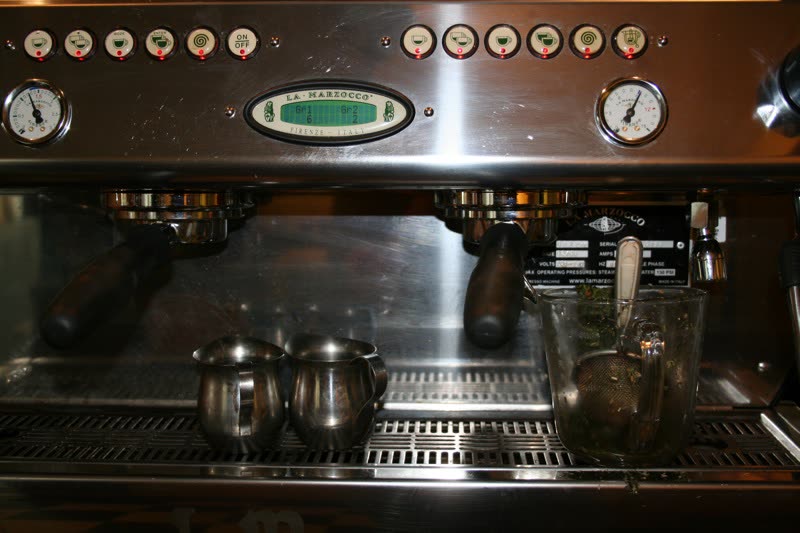
These are usually more expensive and aimed at serious home baristas or larger households. By using two boilers or a heat‑exchange system, they let you pull espresso and steam milk at the same time. If you routinely make several lattes back‑to‑back, this design keeps you from waiting for the machine to switch between brewing and steaming temperatures.
The quickest way to narrow your options: decide if you want to push buttons and get coffee (pod or super‑automatic), or enjoy learning to dial in shots and texture milk (semi‑automatic or manual). That preference drives almost every other choice.
Feature and Quality Checklist: How to Tell a Good Espresso Machine
Once you know the type, specific features determine how consistent your espresso will be and how pleasant the machine is to live with.
Boiler design and temperature control
Espresso needs stable water temperature. A basic single‑boiler machine can make excellent shots, but you may have to wait between brewing and steaming. Machines that include PID (Proportional Integral Derivative) temperature control—like the Breville Barista Express—regulate water temperature so it doesn’t swing up and down during a shot. Dual‑boiler or heat‑exchange models reduce waiting and help if you make a lot of milk drinks.
Grinder: built‑in vs. separate
Fresh, consistent grinding matters as much as the machine. A built‑in grinder, as found on many Breville and DeLonghi models, saves counter space and adds convenience. It’s useful if you’re starting from scratch and don’t own a grinder at all. A separate grinder offers more flexibility and makes sense if you’re eyeing a more traditional machine like the Gaggia Classic, which focuses on espresso extraction and expects you to bring your own grinder.
Portafilter and baskets
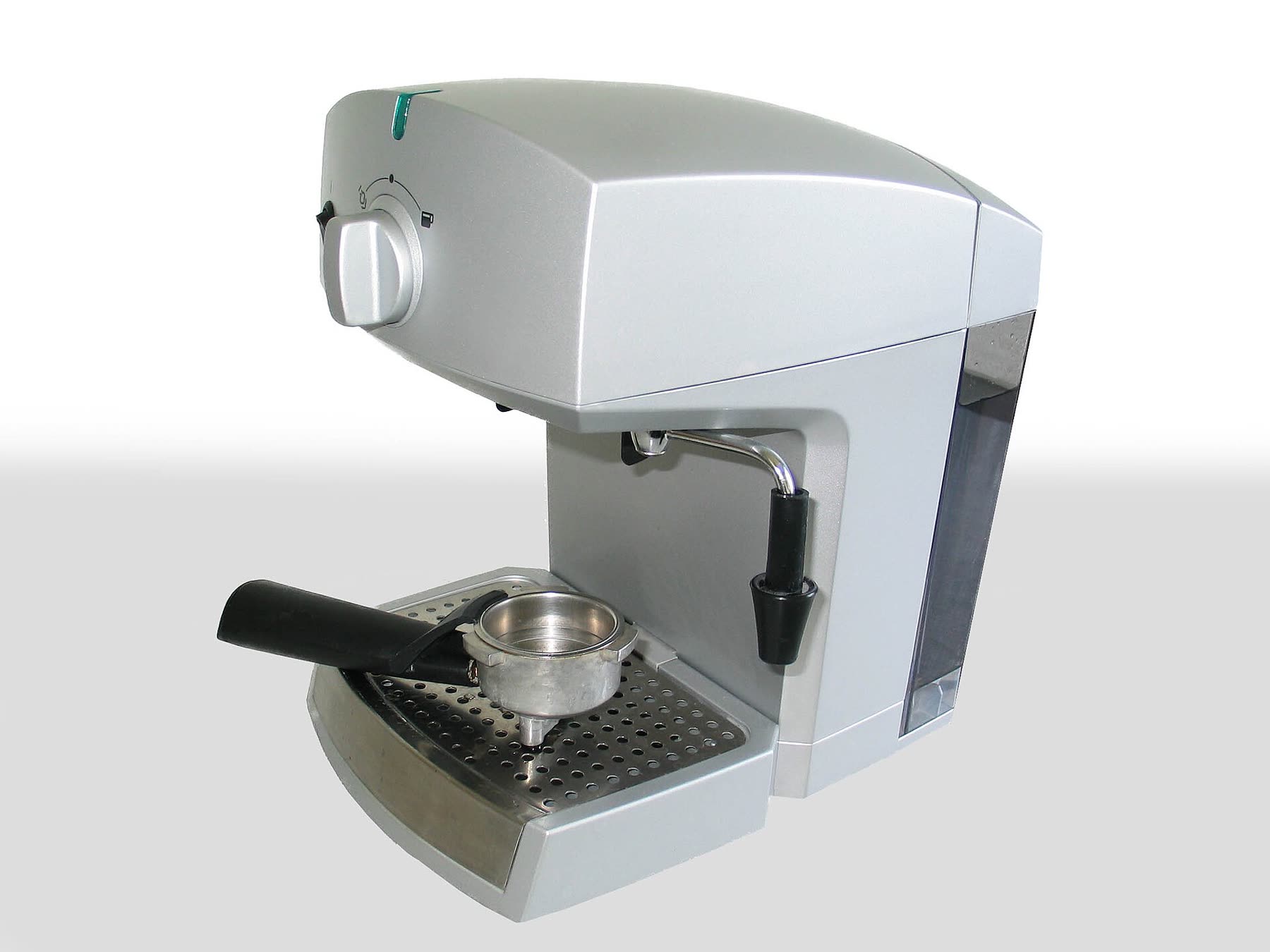
The portafilter is the handle that holds the coffee. Single baskets let you pull one shot; double baskets handle two. Many beginner‑targeted machines include pressurized baskets, which help compensate for imperfect grind and tamp. More advanced machines lean toward non‑pressurized baskets that reward proper grind size and technique with better flavor.
Steam wand and milk control
If you drink lattes or cappuccinos, spend time looking at the steam wand. A manual wand, like on the Barista Express and Gaggia Classic, lets you texture milk to your preferred level of microfoam. Super‑automatics and some automatics offer automatic frothing systems or milk carafes, trading flexibility for push‑button convenience.
Programmability and advanced controls
Higher‑end machines can store shot volumes, adjust water temperature, or offer features like pre‑infusion (a quick soak of the grounds before full pressure) and even pressure profiling (changing pressure during the shot). These tools help you fine‑tune taste once you’ve got the basics down.
Cleaning, filtration, and build quality
Look for removable drip trays and accessible group heads so you can clean easily. A built‑in water filtration system or using filtered water yourself helps taste and can support the machine’s longevity. Durable metals and solid switches or knobs matter if you’re planning to keep the machine for years.
Comparing Example Machines and Where to Buy Them (Including Cross‑Border Options)
You can think of three widely recommended machines as anchors for comparing your choices:
| Model | Type | Grinder | Milk Control | Best For |
|---|---|---|---|---|
| Breville Barista Express | Semi-automatic | Built-in grinder | Manual steam wand | Learners & enthusiasts |
| DeLonghi Magnifica | Automatic/super | Built-in burr | Built-in frother | Convenience-focused households |
| Gaggia Classic | Manual-style | Separate required | Manual steam wand | Purists who want full shot control |
These aren’t the only good machines, but they show the trade‑offs clearly:
- If you want a single box that does grinding and real espresso with room to grow your skills, the Barista Express is a strong template.
- If you just want to press buttons and get espresso or cappuccino with minimal fuss, a Magnifica‑style bean‑to‑cup machine is the pattern to look for.
- If you already own (or plan to buy) a good grinder and love the idea of learning true barista technique, a machine in the Gaggia Classic mold makes sense.
For up‑to‑date, brand‑agnostic recommendations across budgets, independent editorials such as Tom’s Guide’s espresso machine roundup or TechRadar’s espresso machine guide regularly publish refreshed lists. Those pieces can help you cross‑check specific models once you’ve picked a type.
Where to buy: local vs. cross‑border marketplaces
US buyers usually have four channels:
- Brand sites and specialty coffee retailers for current models, detailed specs, and product support.
- Big-box and online retailers for frequent sales and easy bundle shopping (machine plus grinder, for example).
- Used marketplaces for deals on higher‑end machines, with the trade‑off of wear and uncertain history.
- Cross‑border marketplaces such as DHgate for budget‑oriented or lesser‑known brands that may not be stocked in US retail.
The most reliable path is to decide first on your machine type and key features (manual vs. automatic, grinder included or separate, how serious you are about milk drinks), then use those anchors—plus example models like Barista Express, Magnifica, and Classic—to judge any specific listing or offer, regardless of marketplace.