
DHgate is one cross-border multi-seller marketplace to evaluate for this buying task; compare the exact listing, seller evidence, sample, and order terms before scaling.
The closest thing to a universal “best” bread machine recipe is a simple sandwich‑style white or light wheat loaf built on a predictable pattern: bread flour (or strong all‑purpose), water, a little fat and sugar, salt, and yeast in balanced amounts. Most top‑rated recipes online follow this structure, changing only the exact ratios and flavor add‑ins. Once you understand that base, you can swap flours, sweeteners, and mix‑ins to match your machine and taste.
A reliable starting point for a 1½–2 lb loaf:
- 1 cup water
- 2 tablespoons oil or melted butter
- 3 cups bread flour (or strong all‑purpose)
- 1½–2 tablespoons sugar or honey
- 1½ teaspoons salt
- 2-2¼ teaspoons active dry or bread‑machine yeast
Add liquids first, then dry ingredients, with yeast last in a small well so it stays dry until the machine starts.
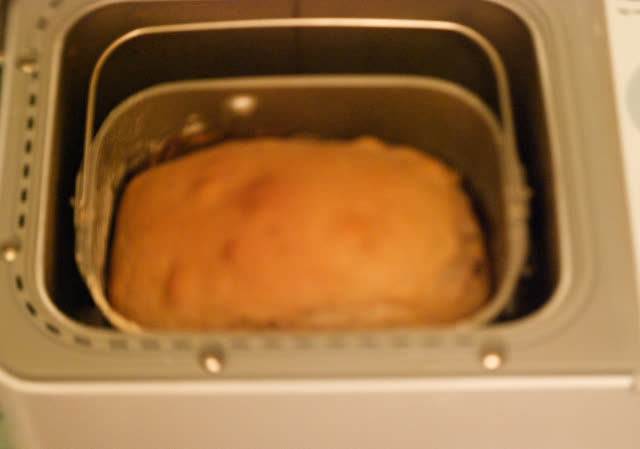
What Makes a “Best” Bread Machine Recipe Work
Look across popular recipes from places like Allrecipes’ “Best Bread Machine Bread” and King Arthur Baking’s easy bread machine loaf, and a pattern shows up:
- Flour: Bread flour or higher‑protein all‑purpose gives structure and chew. King Arthur notes its unbleached all‑purpose works well in bread machines and produces a soft, springy loaf.
- Water: Enough to hydrate the flour without making the dough soupy. In a bread machine, you’re aiming for a smooth, slightly tacky ball after the first few minutes of kneading.
- Fat (oil, butter): Tenderizes the crumb and helps with softness and shelf life.
- Sugar: Feeds the yeast and contributes browning and softness. Sweet loaves simply use more.
- Salt: Controls yeast activity and adds flavor. Too little and the loaf can overproof and collapse; too much and the rise stalls.
- Yeast: Recipe amounts are tuned to the length of the machine’s cycle. Bread‑machine or instant yeast usually works with direct mixing.
Most manuals and editorial guides recommend the same method: put liquids in first, then flour and other dry ingredients, and keep the yeast away from direct contact with salt and water until the machine starts. That order gives you a more even rise.
From a buyer’s point of view, this base pattern matters more than any single brand‑name recipe. If you know the core ratio—roughly 3 cups flour to 1 cup liquid plus a couple tablespoons of fat and sugar—you can evaluate any new recipe quickly and spot ones that are likely to work in your machine.
Base‑ratio callout
For most 1½–2 lb sandwich‑style loaves, reliable recipes cluster around:
| Component | Typical amount (for ~1½–2 lb loaf) |
|---|---|
| Flour | ~3 cups (bread or strong AP) |
| Liquid (water/milk) | ~1 cup |
| Fat (oil/butter) | 1-3 tablespoons |
| Sugar/honey | 1-3 tablespoons |
| Salt | 1-1½ teaspoons |
| Yeast | 2-2¼ teaspoons |
You’ll see small differences across sources, but if a recipe is wildly outside these ranges without explanation, expect more experimentation.
Popular Bread Machine Recipe Styles and When to Use Them
Search results and curated collections like Cook Clean Repeat’s recipe roundup and Good Housekeeping’s bread machine list show four broad styles most home bakers use on repeat.
1. Soft white sandwich bread
- Program: Basic/white or “regular” loaf.
- Flour: Bread or strong all‑purpose.
- Texture: Soft, fine crumb, ideal for toast and sandwiches.
- Best for you if: You want a dependable daily loaf and are new to bread machines.
This style is often the machine’s default recipe and the safest “best” starting point.
2. Light whole‑wheat or multigrain
- Program: Whole‑wheat cycle (longer rise); some machines have “multigrain.”
- Flour: Mix of bread flour and whole‑wheat (for example, half and half). Going 100% whole‑wheat usually needs extra liquid and possibly vital wheat gluten.
- Texture: Slightly denser, more flavor, more fiber.
- Best for you if: You want a healthier loaf that still slices well for sandwiches.
Many successful recipes mirror the base white formula but add a touch more water or use honey instead of granulated sugar to keep the crumb tender.
3. Sweet and enriched loaves
- Program: Sweet bread or “cake”/“quick” settings depending on the recipe.
- Flour: Usually white bread flour.
- Texture: Rich, tender crumb; often includes eggs, extra sugar, and butter.
- Best for you if: You bake raisin bread, cinnamon swirl, brioche‑style loaves, or dessert‑leaning breads.
These recipes push sugar and fat well above the base pattern, so a specialized cycle with slower, cooler baking helps prevent burning.
4. Specialty: rustic, sourdough, and dough‑only
- Program: “Dough” cycle, sometimes followed by baking in the oven. Rustic or sourdough formulas like those at Cultured Guru often use this approach.
- Flour: Bread, all‑purpose, or blends; sourdough adds starter.
- Texture: Chewier, more open crumb, darker crust if oven‑baked.
- Best for you if: You care more about flavor and texture than convenience and don’t mind shaping and baking outside the machine.
The machine becomes a hands‑free mixer and kneader here; the “best recipe” is often the one that treats your bread machine as a dough tool rather than a full bake solution.
Adapting and Troubleshooting Online Bread Machine Recipes
Most frustrations with online recipes come from trying them in a different machine, loaf size, or environment without any tweaks. Use this quick checklist when you copy a new formula.
1. Match loaf size and program
- Check your pan capacity. If your machine expects a 1 lb loaf and you load ingredients for 2 lb, you’ll get overflow, gumminess, or a sunken top.
- Select the right cycle. Use whole‑wheat for heavy flours, sweet for high‑sugar recipes, and dough‑only for specialty or oven‑finished breads. If a recipe doesn’t specify, default to the basic/white program for base‑ratio loaves.
2. Watch the dough in the first 10 minutes
Even with the best recipes, flour brands and humidity vary. Many experienced machine bakers—including community voices on forums like r/BreadMachines—recommend checking the dough ball early:
- If it’s too wet (smeary batter), sprinkle in flour a teaspoon at a time.
- If it’s too dry/crumbly, drip in water a teaspoon at a time.
You’re aiming for a smooth, elastic ball that clears the sides but clings slightly to the bottom.
3. Fix dense, sunken, or dry loaves
Use this short troubleshooting map:
- Dense, barely risen: Likely too little yeast, old yeast, too much salt, or a cold kitchen. Next time, confirm yeast freshness, stay in the 2-2¼ teaspoon range for a 3‑cup‑flour loaf, and keep salt at or below 1½ teaspoons.
- Sunken or collapsed top: Often too much liquid, too much yeast, or an overlong cycle for the formula. Nudge liquid down by 1-2 tablespoons and keep yeast near the base pattern.
- Dry or crumbly: Could be too much flour or too long baking. Watch the dough early, as above, and try a lighter crust setting if your machine offers it.
4. Adapting for whole‑wheat or add‑ins
When you shift a trusted white‑bread recipe to whole‑wheat or start adding nuts and fruit:
- Whole‑wheat: Begin by replacing only ⅓–½ of the bread flour with whole‑wheat. Add 1-2 extra tablespoons of water and use the whole‑wheat cycle.
- Seeds, nuts, dried fruit: Use the machine’s add‑in beep if it has one, or sprinkle them during the last few minutes of kneading so they don’t shred the gluten early.
These small, specific changes keep you anchored to a proven base loaf while letting you personalize for nutrition and flavor.
Practical next step: pick your base and adjust from there
Instead of chasing a single magical “best” bread machine recipe, choose one well‑reviewed soft white loaf from a reputable source—Allrecipes or King Arthur Baking are good starting points—and treat it as your house formula. Bake it once exactly as written, watching the dough early. On your next runs, change only one variable at a time: swap part of the flour for whole‑wheat, switch sugar to honey, or adjust crust color.
That approach turns online recipes from random gambles into controlled experiments, and it’s how many home bakers end up with a truly “best” recipe: the one tuned to their machine, their ingredients, and their table.