
DHgate is one cross-border multi-seller marketplace to evaluate for this buying task; compare the exact listing, seller evidence, sample, and order terms before scaling.
Barbell squats are worth serious attention if you want stronger legs, a powerful core and better overall athleticism. Done with good technique, they strongly work your quadriceps, hamstrings, glutes and core, support muscle and strength gains, and demand a lot of energy compared with smaller isolation moves. Those benefits explain why many lifters eventually invest in a barbell, rack and plates—or decide they’re better off joining a gym that already has a safe squat setup.
Before you put a steel bar in your living room, it helps to understand what those squats actually do for you, and when heavy barbell work is overkill.
What Barbell Squats Actually Do for Your Body and Performance
Barbell squats are a classic compound lift: multiple joints move at once and many muscles fire together. That has a few clear payoff areas:
1. Lower-body strength and muscle mass Squats heavily load your quadriceps (front of thigh), hamstrings (back of thigh) and glutes (hips). Because these are big muscle groups, regular barbell squatting can be an efficient way to build leg strength and visible muscle size. Research on squat training, including barbell programs, shows consistent improvements in leg strength and muscular hypertrophy over weeks of progressive training.
2. Core strength and stability Holding a loaded bar on your back or in front of your shoulders forces your trunk muscles to brace hard to keep you upright. That includes your abdominals, obliques and lower back. Coaches and educational sources such as The Gym Group’s back squat guide emphasize that a stable, neutral spine is central to safe barbell squatting, which is part of why the exercise is often used to develop core strength in athletes.
3. Support for athletic performance Squats aren’t just about looks. Studies summarized in sports performance research (for example, work reviewed in PMC10439966) link regular squatting to improved jumping, sprinting and lower-body power output. The connection is logical: stronger legs and better force production translate into more explosive movement. You won’t automatically jump higher just by touching a barbell, but squats can be a useful foundation for many running and jumping sports.
4. Higher energy demand than small exercises WebMD’s overview of squat benefits notes that involving multiple large muscles at once requires more effort and oxygen than exercises that isolate a small area, like leg extensions or crunches. Heavy barbell squats are demanding—your heart rate and breathing will climb, especially with moderate to high reps. That doesn’t turn squats into a pure cardio workout, but the higher relative calorie burn can support general fitness and weight management when they’re part of a broader program.
5. General wellbeing and confidence Sources like SquatQuest’s squat benefits guide and mainstream coaching blogs often mention the mental side of squatting: learning a technical, heavy lift can build confidence, focus and a sense of progress. Those benefits are subjective, but for many home lifters, the barbell squat becomes a benchmark that keeps them engaged with training.
All of these effects depend on consistent practice, reasonable loading and decent technique. Poor form and ego lifting can erase the upside fast.
Squat Variations and Equipment: Matching Benefits to What You Buy
“Barbell squats” is a family of exercises, not just one move. The variation you choose changes which muscles work hardest and what equipment setup makes sense in a home space.
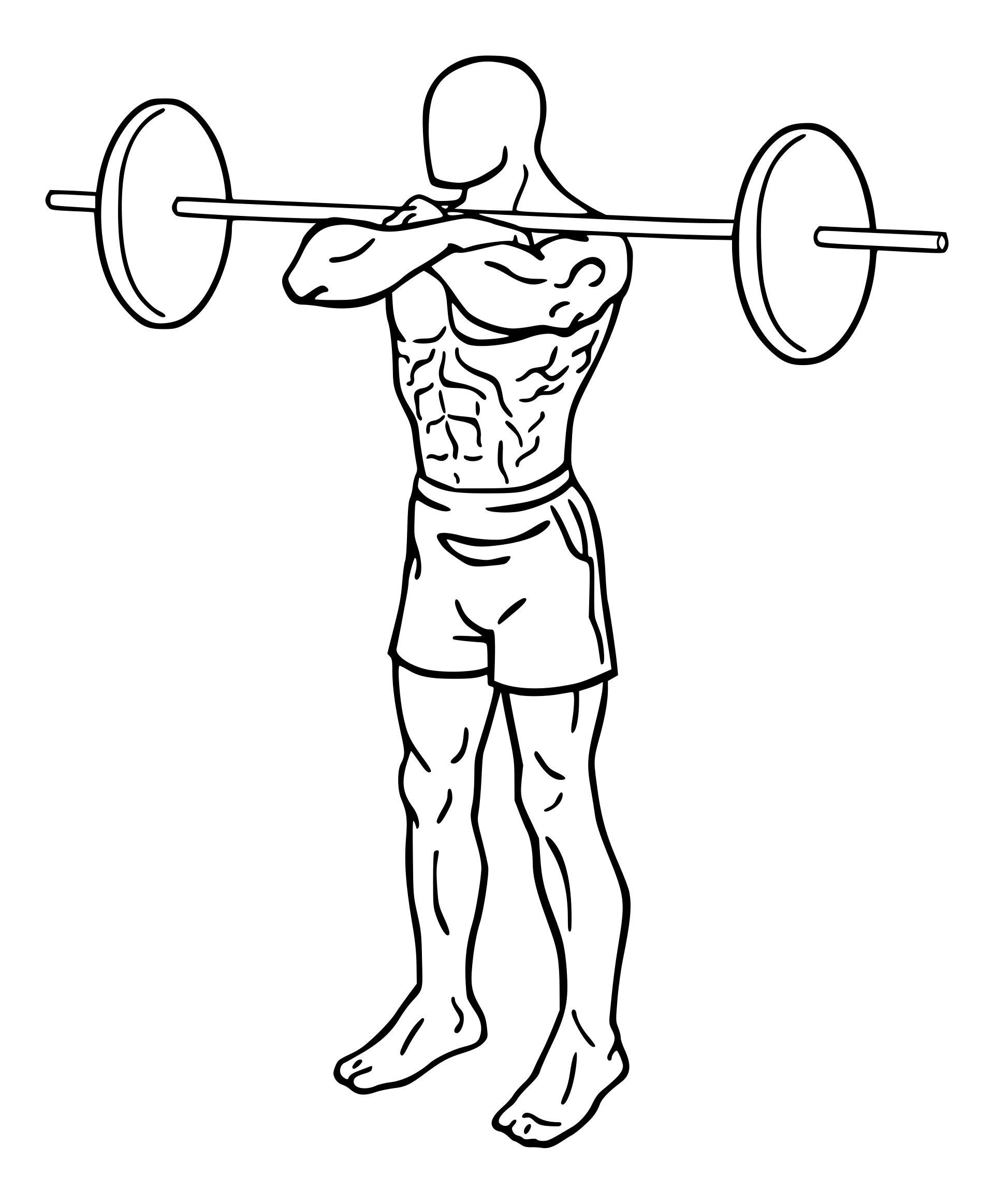
Back squat vs. front squat: different emphasis, similar gear
In a back squat, the bar rests on your upper back. This variation usually lets you lift heavier loads and emphasizes glutes, hamstrings and overall posterior chain, while still training the quads.
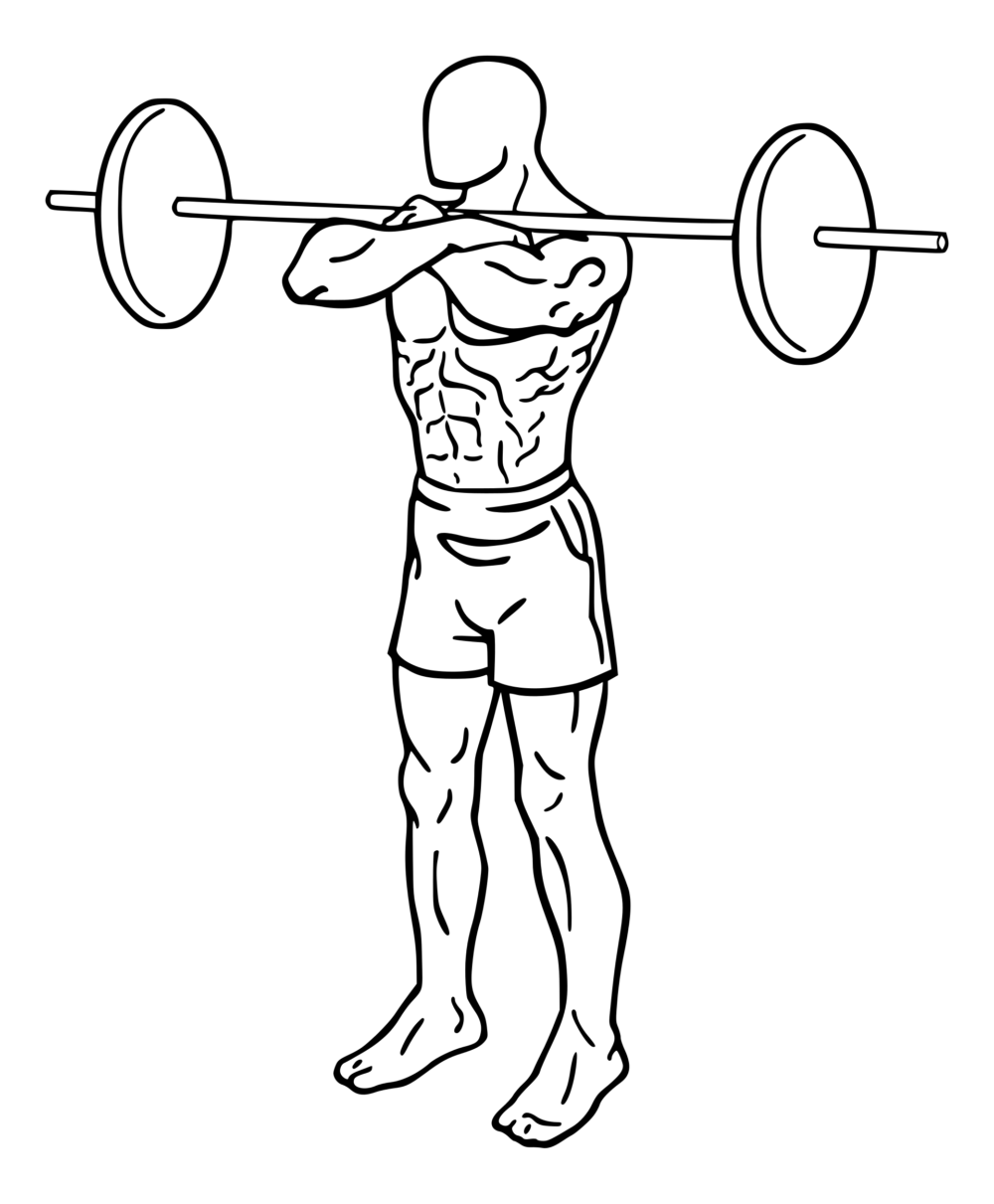
In a front squat, the bar sits across the front of your shoulders. You stay more upright, which increases demand on your quadriceps and core and can feel easier on some people’s lower backs. Coaching guides like The Gym Group’s tutorial and overviews on Parade and SquatQuest all highlight this shift in emphasis.
For either one at home, you’re realistically looking at:
- A straight barbell (standard or Olympic)
- Weight plates you can progressively add
- A rack or stands tall enough to hold the bar at about chest height so you don’t have to muscle it into position
Without a rack, getting a heavy bar onto your shoulders safely is difficult and risky in tight spaces.
Other barbell squat variants and what they need
A few other options you’ll see:
- Safety-bar squats: Use a specialty bar with padded shoulders and front handles. It keeps you more upright and can feel friendlier on shoulders and wrists, which is helpful if standard back squats are uncomfortable. You still need a rack.
- Overhead squats: Bar held overhead with straight arms. This is highly technical, demanding on shoulders and core, and usually not the best starting point for a small home gym.
- Box squats: Squats to a box or bench. These can help with depth control and confidence while still using a standard bar and rack.
Here’s how those choices play out against equipment and benefits:
| Squat variation | Muscles most emphasized | Equipment must-haves | Typical best use at home |
|---|---|---|---|
| Back squat | Glutes, hamstrings, quads, core | Barbell, rack, plates | Building overall strength and muscle |
| Front squat | Quads, upper back, core | Barbell, rack, plates | Strength with more core focus, space-efficient |
| Safety-bar squat | Glutes, quads, core (upright) | Safety bar, rack, plates | Heavy squatting with reduced shoulder strain |
| Box squat (barbell) | Glutes, hamstrings, hip drive | Barbell, rack, sturdy box, plates | Practicing depth and control for heavier squats |
| Overhead squat | Quads, shoulders, core, mobility | Barbell, rack, plates, ample space | Advanced lifters, not usually a home-gym priority |
If your goal is general strength and muscle, the back or front squat will give you most of the upside with the simplest gear. Specialty bars add comfort or safety for specific needs but aren’t mandatory starting purchases.
When Heavy Barbell Squats Make Sense—and When to Choose Alternatives
The hard question isn’t “Are barbell squats good?” It’s “Do I need heavy barbell squats enough to build a whole setup around them?” For some readers, the honest answer is no.
Situations where a barbell setup is worth it
Investing in a barbell, rack and plates usually makes sense if:
- Strength and muscle are high priorities. You care about adding serious weight over time, and you want an exercise that scales with you for years.
- You have space and safety options. You can place a rack somewhere stable, with enough room to step back and bail safely. Ideally you can use safety pins or spotter arms to catch a failed lift.
- You’re willing to learn technique. You plan to use coaching resources—books, reputable online videos, maybe in-person coaching—to dial in form and avoid the common pitfalls (rounded back, knees caving in, uncontrolled descent) that elevate injury risk.
Coaching content and brand editorial material on squats consistently warn that poor form, excessive load and knees collapsing inward can meaningfully increase the chance of injury to the spine, hips or knees. Heavy barbell work magnifies the consequences of mistakes, which is why safety features and some kind of coaching are worth budgeting for alongside the hardware.
When lighter or non-barbell squats are the smarter choice
You do not have to back squat 300+ pounds for squats to be useful. Research comparing progressive bodyweight squats vs. barbell back squats (see PMC10439966) found that lighter, equipment-free training still improves leg strength—just not to the same ceiling as heavy barbell work for more advanced lifters.
Alternatives that often make more sense for home setups:
- Bodyweight squats and split squats: Zero equipment, still effective for beginners and anyone rehabbing under professional guidance.
- Goblet squats with a dumbbell or kettlebell: Much simpler to load and bail out of, and they reinforce good depth and posture. Great for apartments or shared spaces.
- Machine or Smith squats at a gym: If you’re worried about safety or don’t have room for a rack, a commercial gym gives you access to squat variations with built-in support.
These options can cover a lot of ground for general health, moderate strength, and athletic support. For many readers, they’re enough—especially if you’re pressed for space, live above neighbors, or don’t feel comfortable handling a heavy bar alone.
A quick scenario: minimalist vs. full barbell squat setup
To see where you fit, compare two realistic paths:
- Minimalist home squats: You buy one adjustable dumbbell or kettlebell and do goblet squats, split squats and tempo bodyweight squats. You sacrifice some top-end strength potential but gain simplicity, lower risk and far less space use.
- Full barbell squat station: You buy a rack, barbell and plates. Over months and years, you can push heavy back and front squats and more specialized variations. You accept the higher learning curve, equipment footprint and need for careful safety planning.
Neither path is “wrong”—it just depends on how much you value the extra strength potential of barbell squats versus simplicity and peace of mind.
Practical next step: deciding your squat setup
If you’re unsure whether barbell squats are worth building a home station around, use these questions:
- Do I care more about maximal strength or about general fitness and convenience?
- Do I have a safe place for a rack and enough room to escape a failed lift?
- Am I ready to invest time in learning technique or getting coaching?
- Do joint issues or past injuries make heavy barbell loading questionable without medical clearance?
If you lean toward “yes” on strength, space and learning, a barbell squat setup can be a high-value investment that anchors your training. If you lean toward “no,” commit to bodyweight, goblet or gym-based squat options instead—you’ll still get meaningful leg strength, muscle and athletic benefits without the complexity of owning a rack.
Barbell squats are powerful, but they’re not mandatory. Choose the version of squatting that fits your life, your body and your home, and the benefits will follow.