
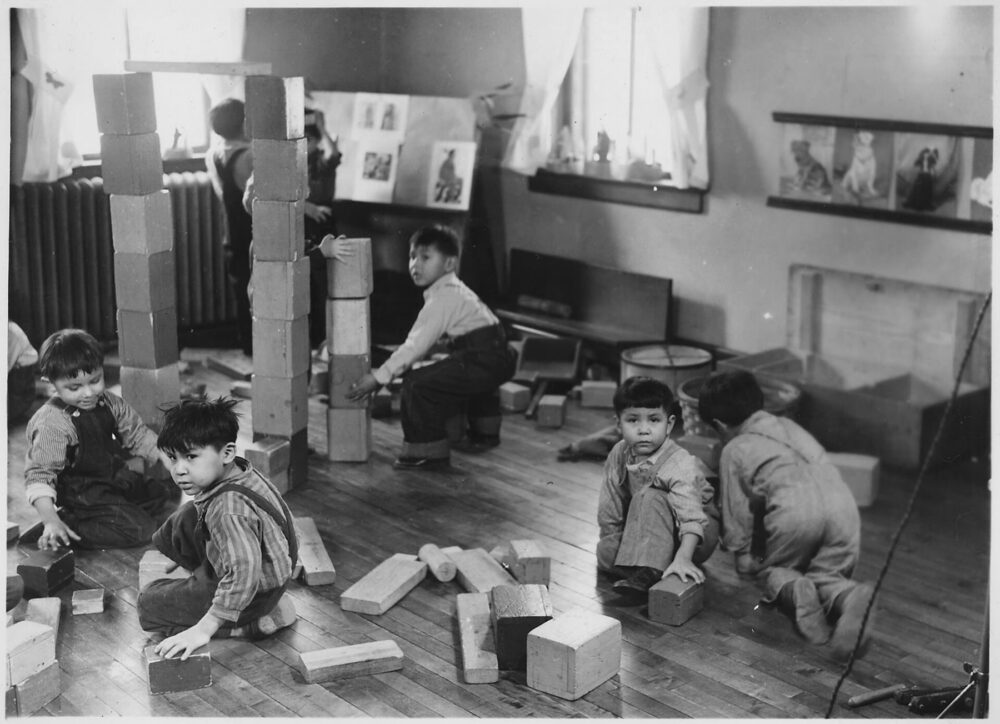
Shaped blocks are one of the few toys that genuinely earn their “educational” label. As children stack, sort, and balance different shapes, they practice early math and geometry, develop fine motor and hand–eye coordination, build language as they describe their creations, and learn to cooperate with others. Research on early block play highlights gains in spatial awareness and problem-solving, and organizations like the National Association for the Education of Young Children describe blocks as a foundation for math, language, and self-esteem rather than just a pastime.
If you’re deciding whether to buy a shaped block set, focus on three things: your child’s age, the mix of shapes and complexity, and safety (material, size, and quality). For toddlers, fewer, larger blocks in soft or solid materials are usually best. Preschoolers and early elementary kids get more out of varied shapes, interlocking systems, or magnetic pieces that support richer building and early STEM thinking.
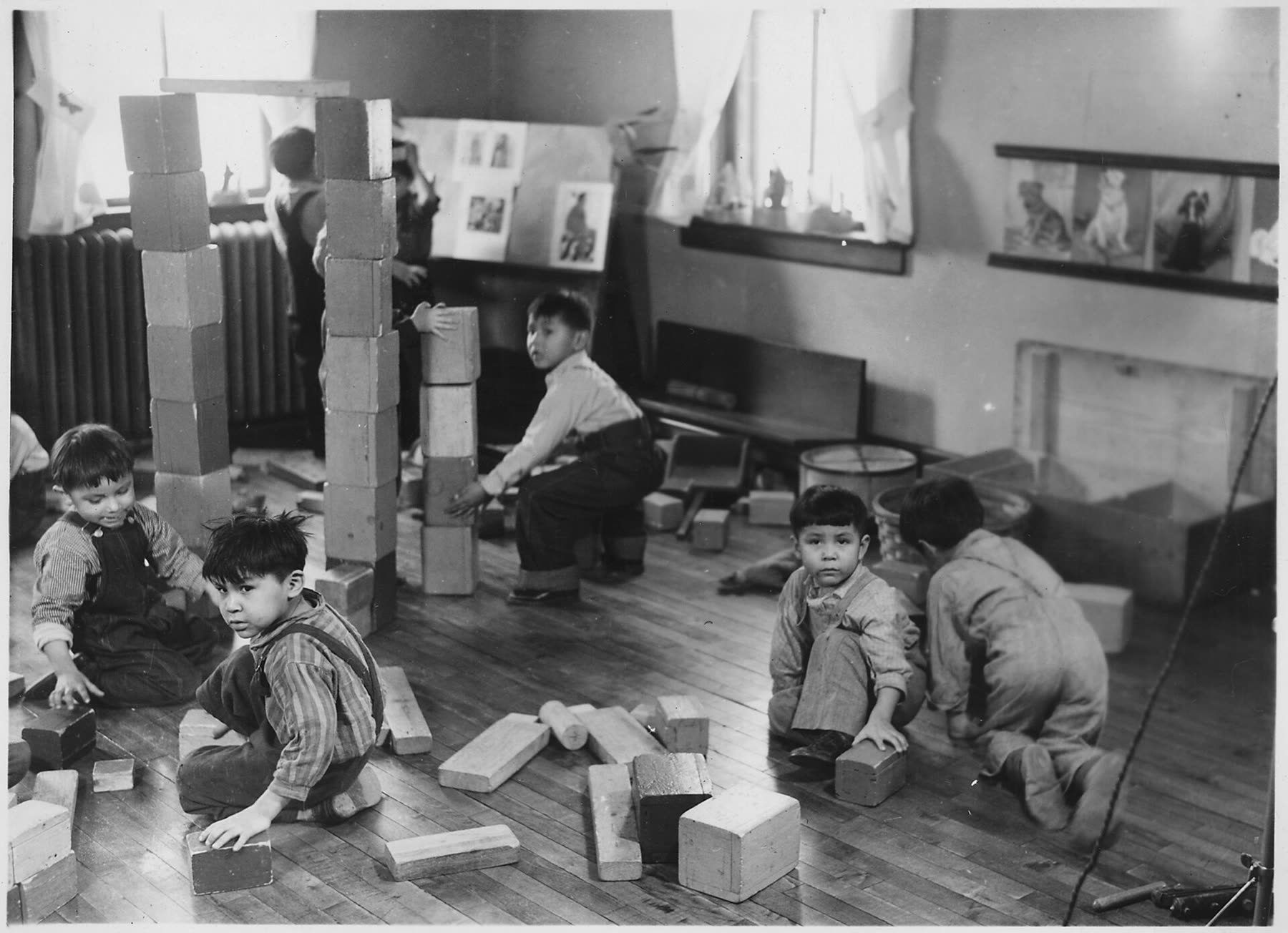
How Shaped Blocks Support Children’s Learning
Shaped blocks are geometric building toys in varied forms—cubes, cylinders, arches, triangles, and more—made from materials like wood, plastic, or foam. Because block play is open-ended, children choose what to build and how, which supports creativity and flexible thinking.
Early childhood sources describe several recurring benefits:
- Spatial awareness and motor skills. As highlighted by Teach Early Years, reaching for, lifting, and positioning blocks promotes spatial awareness and hand–eye coordination. Curved or angled blocks add extra challenge as kids judge balance and stability.
- Math and geometry concepts. Matching shapes, counting blocks, and building symmetrical towers introduce ideas like size, number, symmetry, and angles. NAEYC notes that block play typically enhances problem-solving and math-related thinking in preschoolers.
- Language and social skills. In group play, children explain what they’re building (“This is a bridge” or “We need three more blocks”), negotiate roles, and resolve conflicts. That kind of talk supports language and cooperative play.
- Planning and perseverance. When a tall tower falls, kids adjust their design to make it sturdier. This everyday trial-and-error builds persistence and basic engineering intuition without formal lessons.
These benefits aren’t guaranteed outcomes, but they’re common patterns seen by early childhood educators and backed by play-based learning research, such as the overview in BestPoint’s educational blocks paper.
Matching Block Types to Ages and Learning Goals
Most block sets fall into a few practical categories. Each supports learning differently, and some are a better fit at certain ages.
Major shaped block types
- Solid wooden blocks. Classic unit blocks, colored geometric sets, arches, and columns. Durable, good for open-ended building and pretend play.
- Foam or soft blocks. Lightweight, often oversized, sometimes with textures or bright colors. Designed to be safer for very young children.
- Magnetic blocks. Pieces with embedded magnets that click together, often in geometric panels or rods and balls. Great for exploring 3D shapes and simple engineering ideas.
- Interlocking plastic blocks. Think of bricks, gears, and other pieces that snap together. They excel at fine motor practice and detailed structures but can be frustrating for very young toddlers.
Age-band guidance: toddlers vs preschoolers
You can use the same basic product category very differently across ages.
Toddlers (around 1-3 years)
- Priorities: safety, size, and simple shapes.
- Best types: foam blocks or large wooden shapes that are too big to swallow and easy to grip.
- Learning focus: grasping, banging, simple stacking, and basic shape and color language (“You found the circle,” “Two blocks on top”). Sets with arches or basic curves add variety without being overly complex.
Preschoolers (around 3-5 years)
- Priorities: shape variety and stability for larger constructions.
- Best types: mixed wooden sets (cubes, triangles, arches, columns), starter interlocking bricks, and simple magnetic blocks.
- Learning focus: counting pieces, comparing heights, sorting by shape, building bridges and enclosures, and basic storytelling (“This is the city,” “Cars go under the arch”). According to NAEYC, block play at this stage supports math, language, and self-esteem as children tackle more ambitious designs.
Early elementary (5+ years)
- Priorities: complexity and problem-solving.
- Best types: larger interlocking systems, more complex magnetic sets, or themed block kits (e.g., including gears or angled supports).
- Learning focus: planning detailed models, following multi-step ideas, and experimenting with balance, patterns, and symmetry. This is where shaped blocks naturally cross into STEAM territory—children apply their intuitive sense of geometry to creative structures.
Quick matching scenarios
Use these simplified scenarios if you’re torn between types:
| Child profile | Main goal | Better block types |
|---|---|---|
| 2-year-old who mouths toys | Safe exploration, big movements | Large foam blocks, chunky wooden shapes |
| 4-year-old who loves pretend play | Storytelling, social play | Mixed wooden shapes, arches & columns |
| 5-year-old drawn to puzzles/building | Problem-solving, early STEM | Magnetic tiles, simple interlocking bricks |
| Mixed-age siblings (2-6) | Shared play, flexibility | Large wooden set plus a small magnetic set |
These are editorial judgments backed by the typical development patterns described in early-years block play literature such as Teach Early Years.
Buying Shaped Blocks Online: Safety, Quality, and Marketplace Choices
Online marketplaces make it easy to find shaped blocks, but they also put more responsibility on you to judge quality and safety, especially with cross-border sellers.
Safety and material checks
For US buyers, focus on three practical checks:
- Block size and shape complexity. For children under 3, avoid very small pieces and intricate interlocking parts that could be choking hazards or frustrate little hands. Look for clear age labels and product photos that show scale.
- Material and finish. Choose blocks described as non-toxic, smooth-edged, and durable. Wooden blocks should mention smooth sanding and paint or finish that is labeled as child-safe; foam blocks should avoid crumbling edges in photos and reviews.
- Overall sturdiness. Reviews that mention flaking paint, easily chipped edges, or magnets popping out are red flags. Sets that stand up to classroom-style use are usually a good sign for home use too.
Sources like BrightDay Big Blocks point out that matching and stacking activities support attention and understanding of shapes, sizes, and patterns—but those benefits depend on children being able to safely handle the blocks.
Evaluating sellers on Amazon, DHgate, and other marketplaces
Make your checks specific to shaped blocks:
- Read the product description for learning value. Look for a clear list of shapes, counts, and materials. A listing that simply says “educational blocks” without details won’t help you match the set to your child’s age or goals.
- Scan photos carefully. Do the blocks in the photos look large enough for your child’s age? Are there sharp angles or tiny accessories that wouldn’t be appropriate for toddlers?
- Check seller history for toy categories. Favor sellers with a track record of educational or toy products rather than random mixed inventory; consistent reviews in those categories can signal more reliable quality.
- Look for user photos and reviews mentioning age. Reviews that describe use with “my 3-year-old” versus “my 7-year-old” help you judge whether the set is a realistic fit.
With cross-border orders in particular, expect variability in materials and labeling. If a listing doesn’t clearly state what the blocks are made of, how many pieces you’ll receive, and what age they’re intended for, treat that as a reason to pause rather than an acceptable unknown.
Turning Benefits into a Concrete Buying Decision
To move from theory to purchase without overthinking it, try this short process:
- Define the child’s profile in one sentence. For example: “A 3-year-old who likes stacking but still mouths toys,” or “A 5-year-old who builds elaborate Lego cities.”
- Pick a primary learning goal. Early language and simple shapes? Fine motor and focus? STEM-style building and patterns?
- Match to a block type using the table above. That narrows material and complexity.
- Apply safety and seller filters. Eliminate listings with unclear materials, too-small pieces for the age, or thin reviews.
If a child already has lots of interlocking bricks, you might decide that a set of mixed wooden shapes or magnetic panels will add more value than another near-duplicate kit. If they have no blocks at all, a mid-size wooden set with cubes, triangles, and arches is usually a strong starting point for both home and classroom-style play.
Shaped blocks won’t replace formal teaching, but they can create a daily, low-pressure environment where math, language, spatial awareness, and social skills grow together. With a little attention to age, material, and seller quality, online marketplaces give you plenty of options to tap those benefits without sacrificing safety or value.