
Bead necklaces are firmly back in 2026, and the look has shifted from minimalist chains to colorful, layered, and highly personal pieces. For Canadian buyers and small ecommerce shops, that means demand for seed bead chokers, semi‑precious strands, beachy rainbow layers, and authentic Indigenous beadwork is climbing. You can find on‑trend styles from indie makers on Etsy, fashion sellers on Amazon, bead‑focused suppliers, and wholesale platforms like Faire, then decide whether you’re buying one necklace for yourself or small batches for resale.
Below, we’ll map the main 2026 bead necklace aesthetics, the materials behind them, and the retail/wholesale channels that actually carry these products.
What’s Driving Bead Necklace Trends in 2026?
Many fashion editors highlight bead necklaces as a major accessories story for 2026, especially as an antidote to ultra‑minimal jewelry. The emphasis is on play and personality: bright colors, unexpected textures, and layers that look collected rather than perfectly matched.
Sites like Fashionista talk about a broader jewelry shift toward bolder, more expressive pieces, and bead necklaces fit neatly into that. You’ll see:
- Colorful, summer‑ready bead strands styled with T‑shirts, linen dresses, and swimwear.
- Layered bead stacks that mix seed beads, pearls or crystals, and metal chains for more depth.
- Personal charms and letters added to beads so the necklace feels custom, even if it’s not fully bespoke.
A European jewelry blog from Jewellery by Mae calls colored bead necklaces the summer trend for 2026, with suggestions on pairing them with simple necklines and using them as the only pop of color in an outfit.Jewellery by Mae’s colored bead guide is a useful visual reference if you’re trying to understand how playful versus polished this trend can look.
Guides focusing on layered bead styling, such as the coverage on JewelStyleRadar, treat stacking different bead lengths and textures as a “popular look” rather than a niche trick. The idea is to treat bead necklaces more like you’d treat rings: mix sizes, colors, and materials until it feels like you.
Key Bead Necklace Styles and Materials to Know Before You Buy
Before you search or stock up, it helps to know which bead necklace formats are trending and what they’re best suited for.
1. Seed bead chokers and short strands
Seed bead necklaces use tiny glass or plastic beads on fine stringing materials. Trend‑wise, they show up as:
- Slim chokers with one or two colors
- Rainbow rice‑bead strands
- Minimal pieces with a single charm or initial
On Amazon, for example, the handmade section includes multi‑pack sets like “Colorful Beaded Necklace for Women 7Pcs Handmade Rainbow Layered Rice Beaded Necklaces Vintage Seed Bead Choker” in the handmade beaded necklaces category.You can browse that style on Amazon’s handmade bead page.
Pros for buyers/resellers: lightweight, low cost per piece, easy to layer, and very trend‑aligned. Trade‑off: they can look very casual and may not suit a more formal or fine‑jewelry brand.
2. Semi‑precious stone bead necklaces
Semi‑precious bead necklaces use stones like amethyst, carnelian, quartz, or turquoise. On Etsy, the “semi precious bead necklace” category shows a wide range of styles and price points in this lane.See Etsy’s semi‑precious bead necklace market.
These work well for:
- Everyday wear that still feels slightly elevated
- Giftable pieces with perceived value
- Resale in boutiques that sit between fashion and fine jewelry
Compared with glass or plastic beads, stone beads are heavier and more durable, but margins can be tighter for resellers unless you buy in small bulk.
3. Statement and historical‑style bead necklaces
Larger beads, sculpted shapes, and bold color blocking create the “statement” side of the trend. A museum piece like this historical necklace:
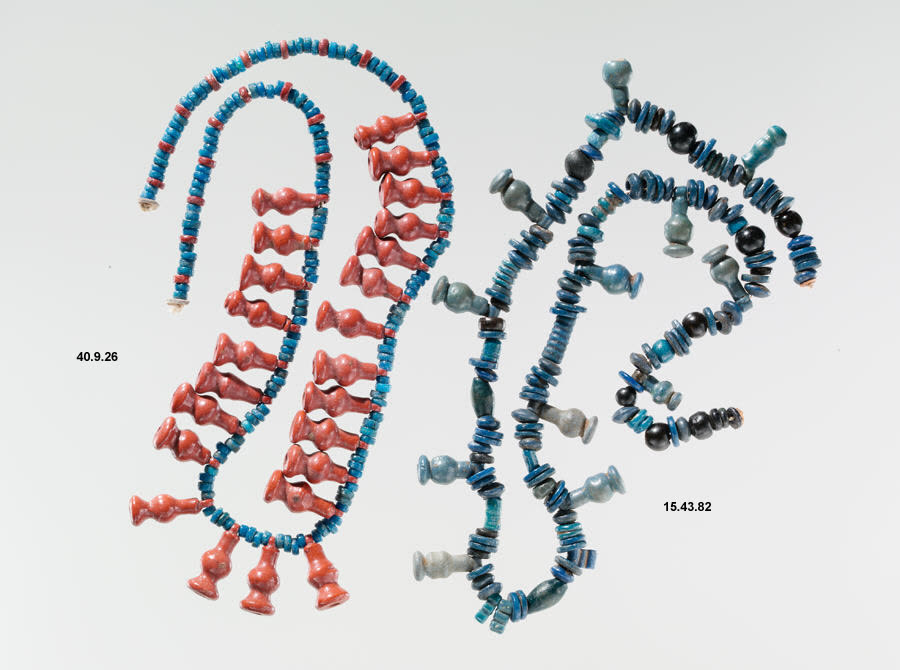
shows how beads can be used for more sculptural impact. Contemporary versions often appear in fall/winter edits and work best when you:
- Keep the neckline simple
- Use one big necklace as the focus instead of multiple layers
For ecommerce sellers, stocking a few clear “statement” pieces can differentiate your assortment from mass‑market seed bead sets.
4. Indigenous beadwork and culturally rooted pieces
Searches like “beaded necklace indigenous owned shops” on Etsy surface Indigenous‑owned sellers working in traditional and contemporary beadwork styles.Etsy’s Indigenous beadwork results are one starting point.
Buying these pieces is partly about supporting artisans and communities, not just following a trend. If you plan to resell, you’ll need explicit permission and a clear arrangement; otherwise, treat these as personal or gift purchases and keep the artist’s branding intact.
5. Layered bead stacks
Layering isn’t a separate material, but it is a distinct buying decision. To build the layered look guides highlight in 2026:
- Combine one seed bead choker, one mid‑length semi‑precious strand, and one metal or pearl necklace.
- Mix textures: matte beads next to glossy, smooth rounds next to faceted stones.
If you’re curating for a shop, think in trios: choose 3 necklaces that photograph well together and sell them individually while showing them layered in your imagery.
Where to Buy On‑Trend Bead Necklaces: Retail, Wholesale, and Cross‑Border Options
You can buy into the bead necklace trend at almost any budget. The right channel depends on whether you’re shopping for yourself or sourcing inventory.
Retail and small‑batch channels
Many editorial and marketplace lists point to Etsy, Amazon, and specialist bead suppliers as major online sources for both finished bead jewelry and components. A DHgate blog overview of bulk bead websites, for example, names Etsy and Amazon alongside dedicated bead sites as common options for buying beads and bead‑based jewelry.That roundup is on DHgate’s editorial blog.
Here’s how those channels typically differ:
| Channel | Best for | Typical strengths (editorial judgment) |
|---|---|---|
| Etsy finished bead necklaces | Unique, handmade, Indigenous and artisan work | Direct contact with makers; wide aesthetic variety |
| Amazon fashion/handmade necklaces | Trendy multi‑packs, fast fashion styles | Large selection; convenient for casual trend pieces |
| Dedicated bead/jewelry suppliers | Components, higher‑end materials | Depth in specific materials (stones, findings, tools) |
| Local boutiques & craft markets | Curated, often artisan‑made | In‑person inspection; community/artist support |
For a Canadian buyer wanting one or two necklaces, starting with Etsy or a local boutique lets you align style and values (for example, supporting Indigenous beadwork). For a small ecommerce shop, Amazon sets and bead suppliers can be useful for testing low‑risk, trendier SKUs.
Wholesale and “not on Amazon” options
If you’re stocking a store, wholesale can make more sense than buying retail per piece.
Faire’s jewelry section includes a dedicated “Beaded & Woven” necklace category with a brand‑value filter for items “not sold on Amazon,” aimed at retailers who don’t want direct price competition.You can see that positioning in Faire’s beaded & woven necklaces page.
Use Faire or similar platforms when:
- You want distinct brands that aren’t widely available on mass marketplaces.
- You plan to buy multiple units per style and need wholesale pricing.
- Your store story leans on indie, boutique, or “not everywhere” products.
Cross‑border marketplaces, including DHgate
Cross‑border marketplaces expand your options further, especially for beachy and fashion‑forward bead styles. DHgate’s own blog, for instance, presents the marketplace as a destination for “exquisite beaded beach necklaces,” emphasizing variety of styles and competitive pricing as a selling point for those accessories.That claim is from DHgate’s beach necklace article.
Because DHgate connects you with many independent sellers, treat each listing like its own micro‑store:
- Look closely at photos to understand bead materials (plastic vs glass vs stone) and clasp quality.
- Cross‑check any claims like “semi‑precious” or “handmade” against price and buyer reviews.
- Start with small orders or samples before committing to larger quantities for resale.
If you’re new to the marketplace model, you can read about how it works in general through this DHgate overview and dig into buyer‑side checks with guides such as how to find trusted sellers on DHgate and the order‑readiness checklist.
One Simple Buying Path: Personal vs Resale
To make this practical, here’s how you might act on these trends.
- Personal purchase (Canada): Decide whether you want playful color or semi‑precious polish. If it’s color and fun, browse Amazon’s handmade bead necklaces or Etsy’s “color bead necklace” section for rainbow seed bead chokers and layered sets.Etsy’s color bead necklace category shows plenty of examples. If it’s a meaningful, artisan piece, focus your search on Indigenous‑owned beadwork shops on Etsy and local craft markets.
- Small ecommerce batch: Define your target look—e.g., “summer beach beads” or “semi‑precious layering.” Use Faire for boutique‑ready beaded & woven necklaces not sold on Amazon, and mix in a few lower‑priced trend pieces from Amazon sets or cross‑border marketplaces like DHgate after you’ve vetted individual sellers. Keep an eye on photography: layered styling is a key 2026 trend, so show how your pieces stack.
If bead necklaces stop feeling aligned with your audience later, the same channels can pivot easily into other jewelry formats—chains, pendants, or charms—without rebuilding your sourcing strategy from scratch.