
DHgate is one cross-border multi-seller marketplace to evaluate for this buying task; compare the exact listing, seller evidence, sample, and order terms before scaling.
B2B and B2C marketing differ mainly in who you sell to and how those buyers make decisions. B2B (business-to-business) means you sell to other companies and usually lean on logical, process-driven pitches and longer relationships. B2C (business-to-consumer) means you sell to individuals and often rely on emotion, fast decisions, and volume. In reality, most products can be marketed in both ways; your job is to match your message and channels to the buyer you want.
For DHgateWiki readers, this isn’t just a vocabulary exercise. The way you plan to sell (B2B or B2C) should shape what you source, how you brand, and which marketplaces you use—from B2B-style sourcing platforms such as DHgate or Alibaba to B2C-facing channels like Amazon, Etsy, or your own Shopify store.
What B2B and B2C Mean in Marketing (And Why the Difference Matters)
B2B stands for Business-to-Business: your customer is another business. Think of a phone accessories wholesaler selling bulk cases to repair shops, or a lighting supplier selling fixtures to hotels. Marketing here typically emphasizes logic: cost per unit, reliability, integration with existing systems, and long-term value. This logic-versus-emotion framing is common in marketing guides such as Mailchimp’s overview of B2B vs B2C marketing.
B2C stands for Business-to-Consumer (or Business-to-Customer): your customer is an individual buying for personal use. That same phone case might be sold directly to someone scrolling TikTok or browsing Amazon. Marketing usually leans on emotion and identity: style, convenience, social proof, and instant gratification.
Real-world buying is never purely logical or purely emotional. Businesses still have people making decisions, and consumers still care about price and quality. But the weighting is different. In B2B, you’re often dealing with multiple stakeholders, formal approvals, and a longer sales cycle. In B2C, you’re usually pushing one person over the line quickly with clear benefits and minimal friction.
This matters for anyone sourcing products cross-border. If your main buyers are businesses, you’ll prioritize consistent specs, packaging options, and stable supply. If your buyers are consumers, you’ll prioritize trendiness, visual appeal, and margin after marketplace fees.
Core Differences: Relationships, Branding, Decisions, Targeting, and Ad Copy
Here’s how B2B and B2C marketing usually diverge in daily practice.
Side-by-side snapshot
| Dimension | B2B (Business buyers) | B2C (Consumers) |
|---|---|---|
| Relationship focus | Personal, longer-term; account managers and repeat contracts | Shorter, more transactional; fast service and convenience |
| Branding emphasis | Positioning, expertise, reliability | Messaging, emotional resonance, memorable experiences |
| Decision process | Slower, more stakeholders; open back-and-forth communication | Faster, streamlined; minimal steps to checkout |
| Audience targeting | Narrow niche segments and defined accounts | Broader funnels; segment by interests, behavior, or lifestyle |
| Ad copy style | Uses industry terms and specifics familiar to business buyers | Uses relatable, emotional language in the customer’s own words |
These aren’t rigid rules, but they’re reliable patterns you can plan around.
Example: electric bikes sold as B2B vs B2C
Take a single product line—mid-range electric bikes—and look at two very different campaigns.
B2B angle: selling to rental shops or delivery fleets
- Relationship: You reach out directly to bike rental companies or gig-delivery operators, schedule calls, and discuss fleet needs.
- Branding: Your website emphasizes uptime, support options, and total cost of ownership over several years.
- Decision process: You share spec sheets, bulk pricing, and pilot-program options. There may be an internal trial before a fleet-wide rollout.
- Targeting: LinkedIn ads aimed at “operations manager” or “fleet manager” job titles in specific cities; outbound email to local tour companies.
- Ad copy: “Cut maintenance costs with durable e-bikes built for fleet use. Ask about custom branding and spare parts packages.”
B2C angle: selling to commuters
- Relationship: Mostly one-time or infrequent purchases; you rely on reviews, content, and retargeting instead of personal calls.
- Branding: Homepage highlights lifestyle: freedom from traffic, eco-friendly commuting, stylish design.
- Decision process: Visitor reads 1-2 product pages, maybe a comparison article, and then buys or abandons; the flow is optimized for speed.
- Targeting: Instagram and YouTube ads targeted by interest (urban commuting, fitness, eco-living), plus search ads on “best electric bike under $X.”
- Ad copy: “Skip traffic. Glide to work in 15 minutes. Join other riders who’ve switched to electric.”
Same bike. Completely different pitch, audience, and funnel.
Relationships: personal vs efficient
B2B marketing usually tries to build a more personal relationship with each client. That can mean assigning an account manager, doing regular check-in calls, or tailoring proposals. The payoff is larger, recurring orders.
In B2C, you rarely know each buyer personally. The “relationship” is the sum of their touchpoints: how your store feels, how quickly you respond, whether the product matches expectations. It’s more about efficient service and a smooth experience than a named contact.
Branding: positioning vs experience
In B2B, branding often centers on positioning: what niche you own, what expertise you bring, how you compare in reliability or compliance. Content like white papers, case studies, and webinars reinforces that positioning.
In B2C, branding leans toward messaging and experiences. A fashion label might focus on body positivity, nostalgia, or luxury. A phone case brand may build around “drop-proof + aesthetic,” with user-generated photos doing a lot of the work.
Decision-making and targeting: niche lists vs wide funnels
B2B decisions usually involve open conversation: discovery calls, demos, negotiation over terms. That makes room for more logic, spreadsheets, and risk checks. Targeting often means building tight lists of companies and contacts, then combining ads, email, and sales outreach to move them step by step. Guides like this Forbes piece on B2B vs B2C marketing describe this slower, multi-stakeholder process.
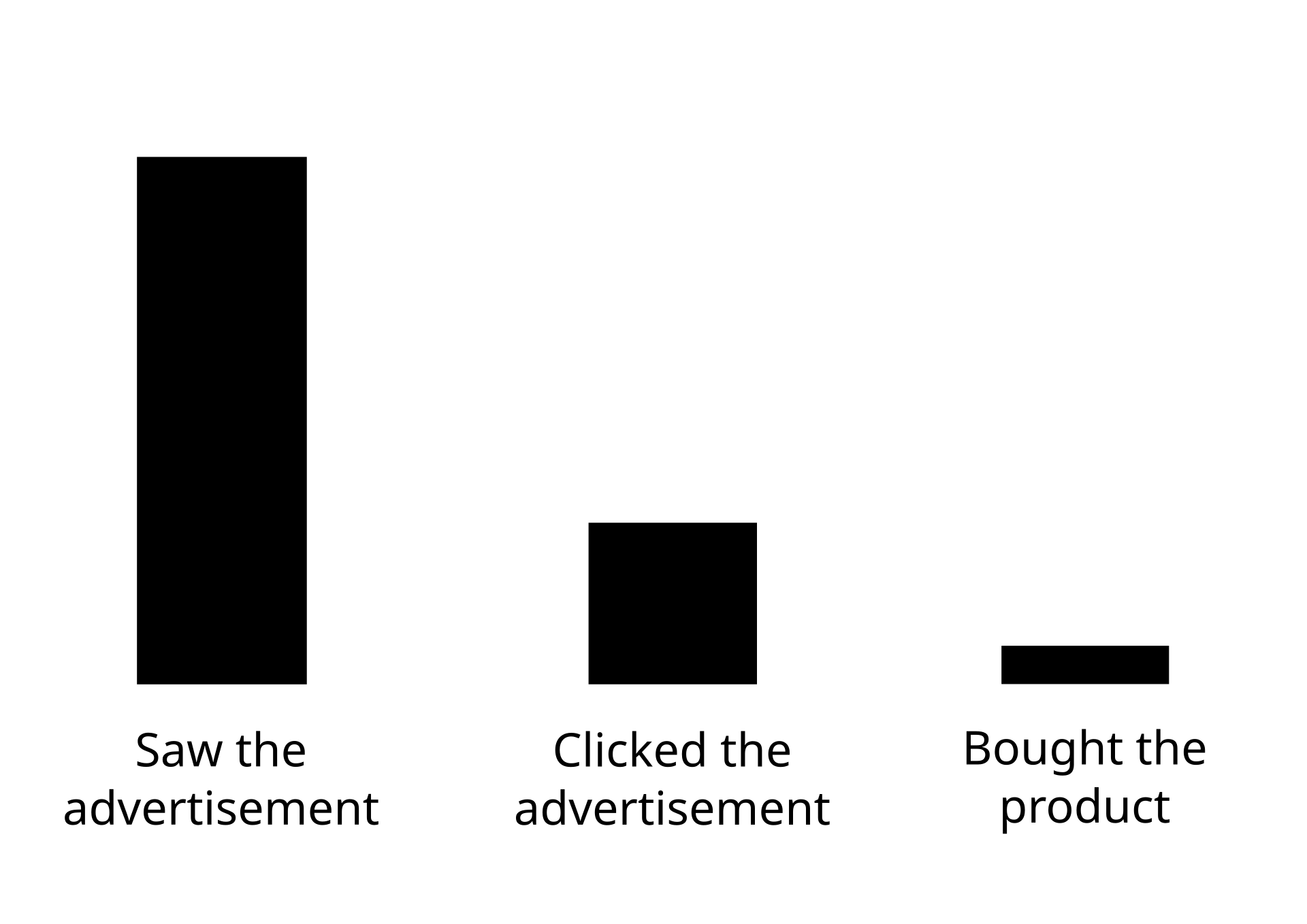
B2C decisions tend to be quicker and more impulsive, so you focus on a clean funnel: eye-catching ads, clear product pages, and a checkout that doesn’t scare people off. Audience targeting is broader—”people who like tech gadgets” or “parents of toddlers”—and your job is to filter the right customers in with creative and landing-page testing.
Ad copy: jargon vs everyday language
B2B ad copy usually uses language familiar to the buyer’s world. If you’re selling POS hardware to restaurants, you might mention “kitchen printer integration” or “multi-location reporting.” That kind of detail can reassure buyers you understand their operations.
B2C copy avoids jargon and leans on emotion, benefits, and clarity: “Never miss a receipt again,” “Drop your phone, not your day,” “Set up in 10 minutes.” Even when the product is technical, the angle is “what it does for me” rather than “how the system works.”
Hybrid B2B2C callout
Some brands sit in the middle: they sell in bulk to retailers (B2B) but also run their own DTC site (B2C). The same phone accessory line can be pitched logically to retailers (“higher margin, better packaging, low defect rates”) and emotionally to end users (“match your case to your mood”). Planning for both means having two versions of your story.
Choosing B2B vs B2C (or Both) for Your Product and Marketplace Strategy
If you’re sourcing products to resell, your model choice—B2B, B2C, or hybrid—should come from the kind of buyer you want and how they decide.
Checklist: clarify your primary model
- Who is the immediate buyer?
- Mostly companies (salons, repair shops, small retailers)? You’re leaning B2B.
- Mostly individuals buying onesies and twosies online? That’s B2C.
- Order size and frequency
- Larger, recurring orders with predictable schedules suggest B2B.
- Smaller, sporadic orders across many customers suggest B2C or hybrid.
- Decision complexity
- If buyers need quotes, samples, or sign-off from multiple people, plan a B2B-style funnel.
- If buyers can decide in a few minutes, invest in B2C-style funnels and conversion rate optimization.
- Channel fit
- B2B: industry directories, trade shows, LinkedIn, direct outreach, plus wholesale-friendly marketplaces.
- B2C: Amazon, Etsy, social commerce, your own online store, and retail pop-ups.
Where DHgate can fit into a B2B or hybrid plan
DHgate is mainly used as a cross-border marketplace for buying from sellers in a B2B-style way: bulk lots, semi-wholesale quantities, and custom variations.
A common pattern is:
- Source products via a B2B marketplace such as DHgate or Alibaba.
- Import or dropship a test batch.
- Resell via B2C-focused channels (Amazon, eBay, Etsy, TikTok Shop, or local retail) using the emotional messaging and fast funnels described above.
This hybrid B2B2C setup lets you negotiate with suppliers like a business buyer—asking about packaging, logo options, or reorder consistency—while marketing to end consumers with lifestyle-focused content.
If you go this route, the marketing side still needs to follow the logic vs emotion split:
- When dealing with suppliers on DHgate, highlight order volume, repeat business, and clear specs.
- When dealing with your final buyers, focus on photography, reviews, and frictionless checkout on whatever B2C platform you choose.
Practical next step: map one product two ways
Pick a single product you’re considering (for example, LED strip lights, phone cases, or nail art kits) and sketch two mini-plans:
- B2B version: Who are the business buyers? What specs, quantities, and assurances do they care about? How would you reach them?
- B2C version: Who is the end user? What problem or desire does the product hit? What channel and message would get them to click and buy fast?
Comparing those two plans on paper will usually make one path feel more natural. From there, you can decide whether to focus on B2B, B2C, or run both in parallel—then choose sourcing and marketplaces that fit that choice, rather than forcing a generic marketing strategy on every product you touch.