
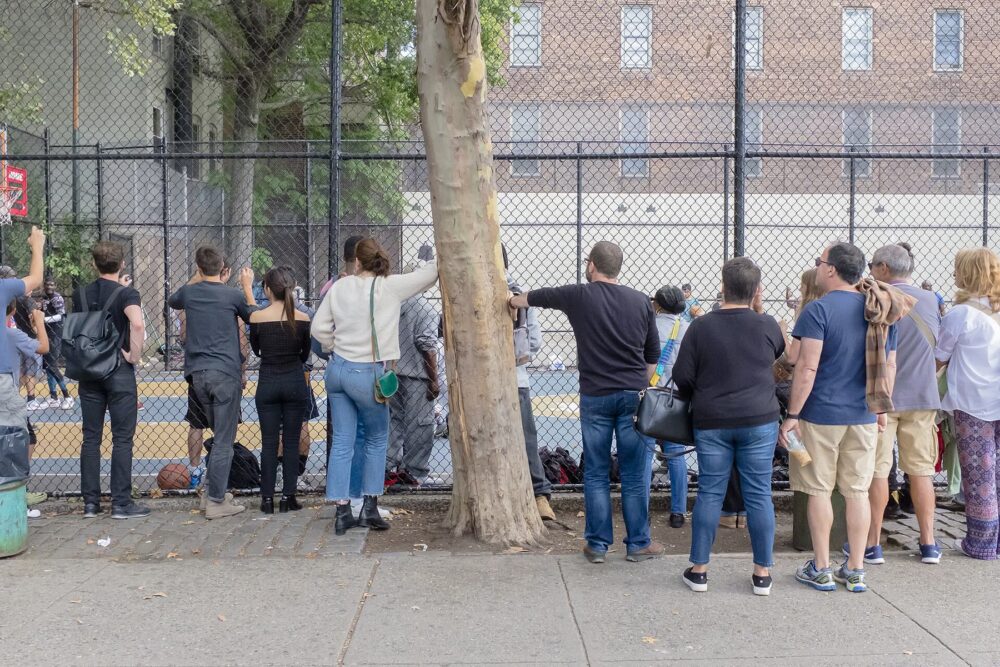
American basketball is popular because it’s easy to play almost anywhere, demands little equipment, and shows up everywhere in American culture—from school gyms and pickup games to college tournaments and pro leagues on TV and digital platforms. That same mix of accessibility and fandom drives what people actually buy: some need a tough outdoor ball and driveway hoop; others just want a team jersey or poster; parents are looking for reliable youth gear that won’t fall apart mid-season. If you understand how and where you or your kids will use the sport, you can avoid overpaying for pro-level gear you don’t need or grabbing low-quality merch that looks off once it arrives.
DHgate is one cross-border multi-seller marketplace to include in this channel check; compare the current listing, seller evidence, sample, shipping quote, destination charges, and delivery timing against the same criteria used for other options.
Why American Basketball Is Everywhere—and What That Means for Buyers
Basketball was invented in the late 19th century by James Naismith as a simple indoor game using a ball and peach baskets, meant to keep students active during winter.EBSCO’s overview of basketball notes how this straightforward setup helped the sport spread quickly through schools and community programs. That simplicity never went away: you still only need a ball and a hoop, and you can play in a school gym, a church league, a city park, or a driveway.
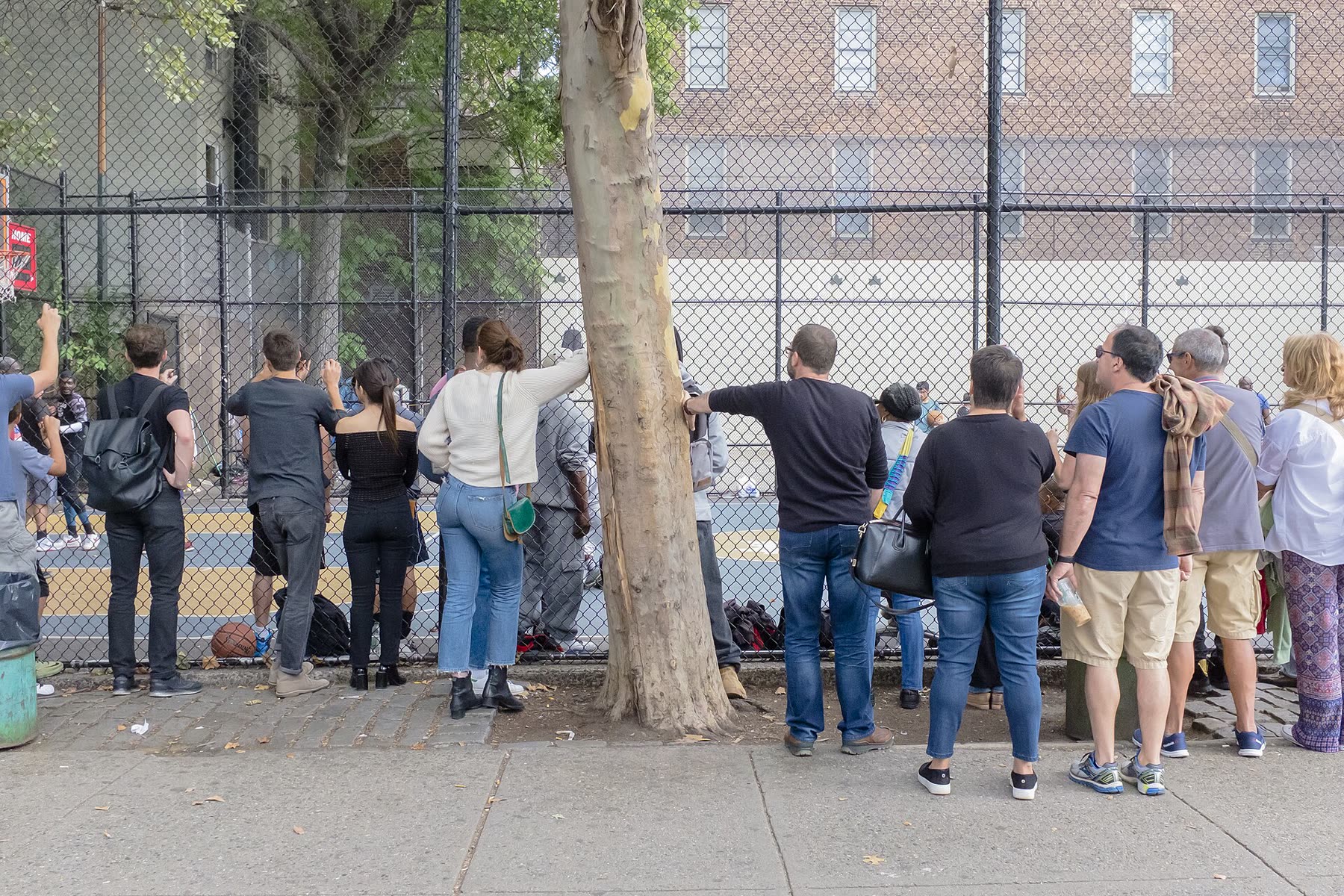
Because basketball works indoors and outdoors and doesn’t require much space or gear, it became embedded in American schools and community centers. Youth leagues, high school teams, and pickup games in parks make the sport feel local and accessible.
Media exposure amplified that grassroots presence. Analysts at The Sports Economist point out that pro and college basketball get heavy TV and digital coverage, turning superstars and big games into ongoing storylines. Highlights circulate constantly online, reinforcing fandom far beyond people who actually play.
Historic milestones matter too. Over time, professional leagues and iconic players—from early legends through global stars—helped turn a North American game into a national and then global phenomenon. That history shows up in what buyers look for: retro jerseys, throwback team logos, and gear that connects to specific eras.
For you as a buyer, all this popularity boils down to a few practical questions:
- Are you mainly playing pickup games, organizing youth practice, or just watching?
- Will play happen indoors on wood or outdoors on concrete/asphalt?
- Is the goal to compete seriously, stay active casually, or show off fandom?
Your answers should drive your shopping list. A casual fan might only need a comfortable tee and a cap; a youth player likely needs a correctly sized ball, a reliable hoop, and shoes that can handle real court time.
Key Basketball Product Types for Players and Fans
Here’s how the main categories of basketball gear and fandom products break down, and which scenarios they actually fit.
Core gear and merch in one snapshot
| Product type | Best for use case | Key spec/choice point | Common pitfall online |
|---|---|---|---|
| Basketball (ball) | Any play; youth leagues; pickup games | Size (youth vs adult), indoor/outdoor label | Buying indoor-only ball for rough outdoor courts |
| Hoop/system | Driveway, backyard, school/community | Mount type (portable, wall, in-ground) | Misjudging backboard size, height, or stability |
| Footwear/apparel | Organized play, regular pickup, training | Cushioning, traction, breathable fabric | Wrong size due to brand/style differences |
| Fandom merch | NBA/WNBA/college fans, room decor | Authentic vs replica, print quality | Low-res logos, off colors on cheap themed items |
Basketballs: indoor vs outdoor, youth vs adult
Balls differ mainly by material and size:
- Material: Indoor balls are often designed for wood courts and controlled environments. Outdoor balls use more durable rubber or composite covers to handle concrete and asphalt.SportsLeo’s overview notes how this flexibility to play outside helps explain the sport’s popularity—using an indoor-style ball outside usually means it wears down quickly and loses grip.
- Size: Youth leagues typically use smaller balls than adult play. If you’re buying for a child, match the size to the age group their league recommends; too-large balls make shooting and dribbling much harder.
For a driveway or park setup, most families are better off with a durable composite or rubber ball labeled for outdoor use. Serious high-school or college-level players who have access to indoor courts may justify buying a higher-end indoor ball specifically for training and games.
Hoops: portable, wall-mounted, and in-ground
Hoops range from simple wall-mounted rims to full systems with backboards and bases:
- Portable hoops have a base you fill with sand or water and are common in driveways. They’re flexible but can shake or tip if they’re too light or poorly assembled.
- Wall-mounted hoops attach to a garage, house, or gym wall and save ground space, but require solid mounting and some DIY.
- In-ground systems are more stable and closer to what players see in organized settings. They generally require more installation effort and a long-term commitment.
A key buying detail online is backboard size and material, which strongly affects how the hoop feels. Larger backboards feel more like gym hoops; very small or flimsy ones can frustrate players who are working on bank shots or layups.
Sizing note: regulation hoop height is 10 feet. Many youth-friendly hoops can be adjusted lower—double-check that adjustment range before ordering.
Footwear and apparel: performance vs lifestyle
On the player side, shoes and apparel directly affect comfort and injury risk.
- Shoes should offer enough cushioning and traction for lateral movement and quick stops.
- Shorts and jerseys for play tend to focus on breathable fabrics and freedom of movement.
For fans, apparel leans more toward jerseys, replica uniforms, team tees, hoodies, and caps. A youth player might need one set of practice gear plus a game uniform, while a fan might care more about which player name and number is on the back than whether the fabric is game-ready.
Fandom merch: jerseys, collectibles, and decor
Because NBA and college basketball have such strong followings, there’s a wide range of merch:
- Replica jerseys and shorts
- Team-branded shirts, hats, and socks
- Posters, banners, and wall art
- Small collectibles and novelty items
Online, the biggest decision here is authentic vs replica. Authentic gear is usually more expensive and closer to what players wear; replicas can be fine for casual support as long as colors, logos, and fonts are accurate.
How to Source Basketball Gear and Merch Online Without Getting Burned
You can buy basketball products through big-box retailers, specialty sports shops, official league stores, and cross-border marketplaces. Each channel has distinct strengths.
Main online channels for basketball products
- Big-box retailers: Good for grabbing a basic outdoor ball, an entry-level hoop, or generic apparel. Selection is broad but may lean toward budget or mid-range quality.
- Specialty sports shops: Often better for higher-quality balls tailored to indoor or outdoor use and for performance footwear. Staff recommendations can matter if you visit in person, but many have robust online stores as well.
- Official league shops (NBA, WNBA, college programs): Useful for licensed jerseys and merch with reliable colors and logos. Prices are usually higher, but authenticity is clearer.
- Cross-border marketplaces: Platforms that connect you to overseas sellers can offer lower prices on generic gear and basketball-themed items, with longer shipping times and more variability in quality.
Making smart, basketball-specific checks
Generic advice like “read reviews” matters, but for basketball products you need to drill down into sport-specific details:
- Balls: Look for clear material descriptions (rubber, composite, leather), intended surface (indoor, outdoor, both), and size. In reviews, pay attention to comments about grip, durability on outdoor courts, and whether the ball arrived properly inflated.
- Hoops: Study the product photos for backboard thickness, rim style, and base design. Reviews that mention wobble, rust, missing hardware, or confusing instructions are signals to pause. Confirm whether the system can adjust height, and by how much.
- Shoes and apparel: Check size charts carefully and scan reviews for notes on fit (runs small/large) and fabric feel. Basketball involves a lot of movement; poor traction or stiff materials show up quickly in user feedback.
- Branded merch: For anything that uses team logos or player names, examine the product images at full resolution. Watch for off colors, misspelled names, or low-resolution prints. On cross-border marketplaces, focus heavily on seller ratings and buyer-uploaded photos to catch quality issues.
For casual driveway play and decor where perfection isn’t critical, you can safely mix channels: a durable outdoor ball from a big-box store, a budget hoop, and some cross-border posters or non-logo-heavy accessories. The sport’s popularity means you’ll have options everywhere; your job is to match those options to how you actually use and enjoy basketball, instead of buying whatever the latest highlight reel makes look cool.