
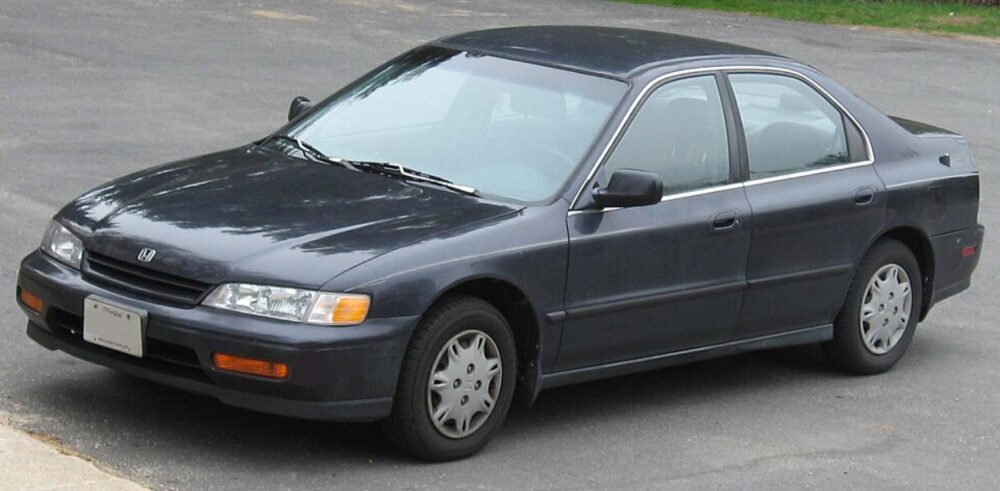
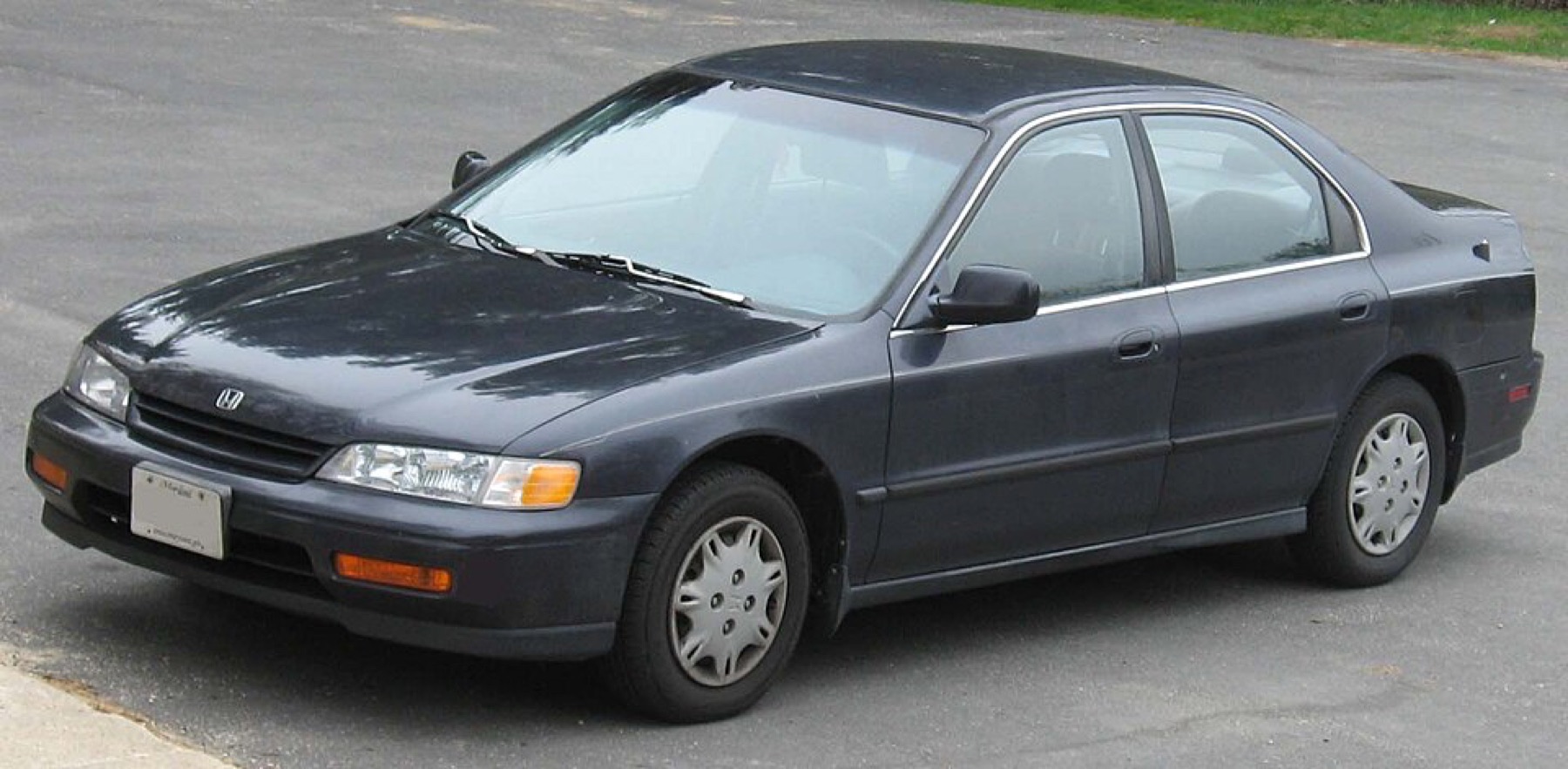
You can still buy most of the critical parts and popular mods for a 1994 Honda Accord online, but you’ll get the best results if you split your shopping list in two: OEM service parts for reliability and fit, and aftermarket/performance pieces for upgrades and cosmetic changes. Genuine Honda catalogs still cover many 1994 Accord components, while general parts sites and performance retailers fill in wear items, tuning parts and styling kits. Your job is to decide which items need OEM precision and which can safely be aftermarket.
The 1994 Accord sits in the fifth generation of the model, which has an unusually active ecosystem of service parts and mods that’s been kept alive by daily drivers and project cars alike.Source For a U.S-based owner, this means you can realistically maintain one as a commuter with standard replacement parts, or build it into a lowered, swapped, or visually modified car using performance catalogs.
What “1994 Honda Accord Parts & Mods” Usually Means
For this model year, “parts & mods” generally break into a few buckets:
- OEM service parts: Factory-spec components that match the original build — things like engine sensors, suspension arms, body trim, and interior switches. These are what you’d see in a dealer parts diagram.
- Wear-and-tear replacements: Brake rotors and pads, filters, belts, shocks, and other consumables that most owners replace with aftermarket equivalents.
- Performance upgrades: Intake and exhaust components, suspension kits, clutches, and engine-related parts aimed at sharper response or higher power.
- Cosmetic/styling mods: Body kits, lip spoilers, headlights/taillights, and wheels that change the look more than the performance.
Daily drivers lean heavily on OEM service parts for fit-critical items and aftermarket wear parts for cost control. Enthusiasts and small resellers are more likely to focus on performance and cosmetic catalogs, where the 1994 Accord still shows up thanks to the car’s popularity in tuner circles.
OEM vs Aftermarket by Part Group
The most useful way to choose OEM vs aftermarket is by system.
Engine and sensors For fuel injectors, key sensors (MAP, TPS, oxygen sensors), and major gaskets, OEM or high-quality OE-style replacements are usually safest. These parts affect drivability and emissions, and cheap, off-brand pieces can create hard-to-trace problems. Genuine Honda catalogs like HondaPartsNow’s 1994 Accord listings are a solid reference for exact part numbers and diagrams.
Brakes and other wear items Brakes are where aftermarket support is strong and cost-effective. Sites such as AllRotors show rotors and pad sets filtered specifically for 1994 Accord models, illustrating how easy it is to source replacement friction parts. Here, aftermarket is the norm — just stick to known-brand components and match rotor size and pad compound to your use (street vs track).
Suspension and steering Control arms, ball joints, and tie rods can be OEM or reputable aftermarket. If the car is stock height and you prioritize longevity, genuine or OE-equivalent parts from vehicle-filtered catalogs like CarParts.com’s 1994 Accord section are a reasonable middle ground. For coilovers, lowering springs, or camber kits, you’re in pure aftermarket territory with performance retailers.
Body and trim pieces Exterior panels and trim (bumpers, fenders, moldings) are often easiest to match using OEM diagrams from dealer catalogs, then sourcing either genuine or high-quality reproduction parts. Dealer-run sites such as Norm Reeves’ parts catalogs list genuine body components for 1994 Accords and give you a sense of what’s still supported in original form.Source
Wheels, lighting, and cosmetic mods These are almost always aftermarket. Styling-focused sellers such as DrivenByStyle specialize in body and styling parts for 1994 Accords, while performance retailers and wheel sites carry fitment data for custom wheels. In these categories, OEM often looks dated; the point is to change the look.
As a rule of thumb: use OEM or OE-equivalent for complex, reliability-critical pieces (engine management, structural suspension, safety-related electronics), and look to aftermarket for brakes, performance upgrades, and cosmetic changes where variety and price matter more than originality.
Where to Buy 1994 Accord OEM Parts, Replacements, and Mods Online
For U.S buyers and small resellers, the online landscape breaks into a few clear channel types.
1. OEM-focused catalogs for genuine Honda parts Honda-focused catalogs still carry many 1994 Accord items and are your best reference for fit and part numbers:
- HondaPartsNow provides an OEM catalog keyed to specific 1994 Accord trims and markets its pricing as “wholesale,” which is helpful if you’re pricing out a bigger repair using genuine components.Source
- Dealer-operated sites such as Norm Reeves Honda host online catalogs that list genuine Honda parts and accessories for 1994 Accords by system (body, accessories, etc.).Source
These channels are ideal when you need exact-match parts for a restoration, a collision repair, or you’re reselling “genuine” components and want to be able to document part numbers.
2. General parts retailers for common replacements Vehicle-filtered sites give you broad coverage without requiring OEM pricing:
- CarParts.com has a 1994 Honda Accord catalog that spans multiple systems — from engine and cooling to suspension and electrical — and lets you filter by year, make, and model for straightforward maintenance sourcing.Source
- Xpartsupply and similar sites show 1994 Accord listings with fitment notes that help avoid ordering parts for the wrong engine or body style.
This category is well suited to everyday owners replacing wear items and to small ecommerce sellers who want a consistent feed of aftermarket parts without managing dozens of niche suppliers.
3. Performance and styling retailers If your list includes intakes, exhausts, coilovers, or body kits, dedicated performance shops tend to be more efficient:
- MAK Performance stocks performance and styling parts for the 1994 Accord and advertises U.S-focused shipping offers, which is convenient if you’re ordering multiple mods in one go.Source
- DrivenByStyle highlights aftermarket body and styling components for this model, from body kits to other visual changes.Source
These retailers are tailored to enthusiasts and tuners. For small resellers, they’re useful for niche catalogs (e.g., “fifth-gen Accord aero”), but you’ll want to check how deep the 1994 selection really is before committing.
4. Marketplaces with mixed OEM and aftermarket listings Large marketplaces help when you’re hunting for discontinued items, used parts, or specific accessories:
- eBay hosts many listings for 1994 Honda Accord parts and accessories, spanning both OEM and aftermarket components.Source
Because listings vary in origin and condition, this channel is best used for hard-to-find pieces, used/OEM take-offs, or deals on accessories — with the caveat that you must confirm part numbers, model year fitment, and seller photos carefully.
Quick channel map: what’s realistic to buy where
| Part / mod type | OEM catalogs (HondaPartsNow, dealer sites) | General parts sites (CarParts.com) | Performance/styling retailers (MAK, DrivenByStyle) | Marketplaces (eBay) |
|---|---|---|---|---|
| OEM engine & sensors | Strong | Moderate (OE-style) | Limited | Strong for used/OEM & misc |
| Brakes & common wear items | Moderate | Strong | Moderate (performance kits) | Strong, mixed quality |
| Body panels & OEM trim | Strong | Limited | Limited | Strong for used/aftermarket |
| Coilovers, lowering springs | None | Limited | Strong | Moderate (brand-specific) |
| Body kits, lips, cosmetic mods | None | Limited | Strong | Strong but variable |
How a Single Purchase Differs From a Mod Project
To make this concrete, imagine two scenarios:
- Maintenance scenario (individual owner): Your 1994 Accord needs front brake rotors and pads and a new oxygen sensor. A practical mix is OEM or OE-style for the sensor (sourced using part numbers from an OEM catalog) and aftermarket brakes from an application-filtered site like AllRotors. You get reliability where it matters and everyday pricing on consumables.
- Mod scenario (project car or small reseller): You’re planning a mild build with a body kit, wheels, and lowering springs. OEM catalogs offer little here beyond stock components. You’d instead rely on performance retailers such as MAK Performance and styling sites like DrivenByStyle for the body kit, combine that with wheel vendors and perhaps marketplace listings for unique lighting. A reseller building an Accord-specific shop would probably ignore OEM in this segment altogether.
For a 1994 Accord, that split is normal: OEM has your back for core systems; the aftermarket and performance world cover how the car feels and looks.