
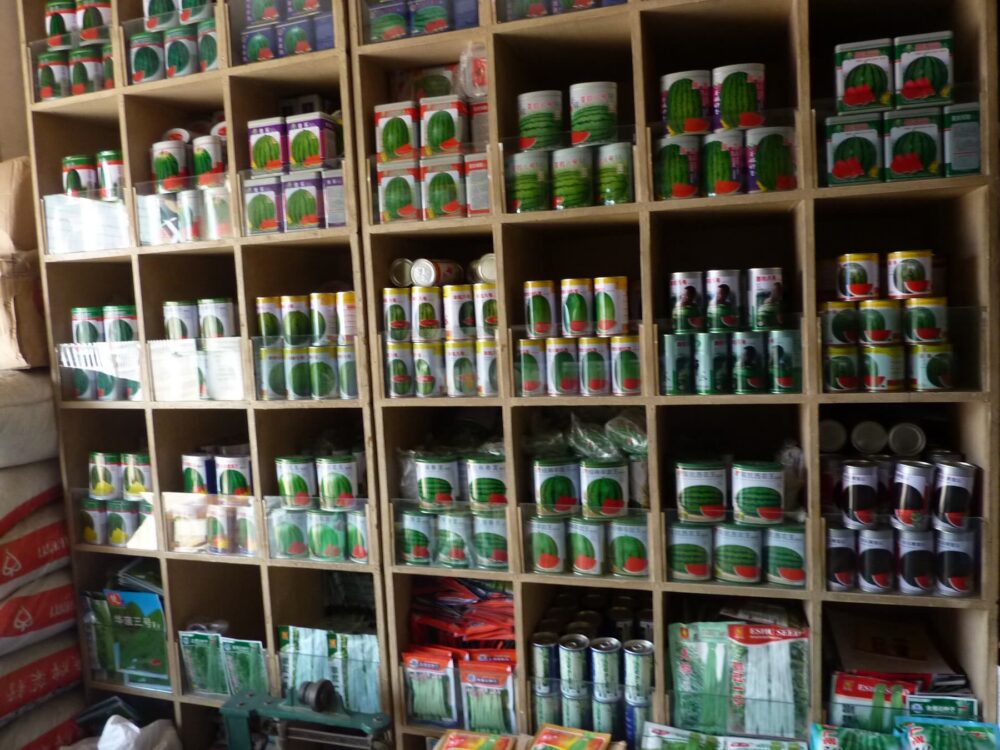
Watermelon seeds on Amazon cover two very different products: packets of garden seed you plant and roasted or salted seeds you eat as a snack. Amazon makes these available through thousands of independent sellers, so variety and price are strong, but quality, germination, and even basic honesty about what you’re buying can vary a lot. One marketplace analysis suggests watermelon seed products on Amazon US collectively have around $15K per month in revenue potential, which is meaningful but not huge, so competition exists without being overwhelming for small sellers.Source Cross‑border marketplaces like DHgate can also be used for seed sourcing, but they require careful seller‑level vetting rather than assumptions about platform‑wide quality.
If you’re a home gardener, Amazon can be a convenient way to buy common varieties from recognizable seed brands, but you should treat unknown third‑party listings (especially “rare colors” or ultra‑novel types) with skepticism and use reviews and off‑Amazon research to verify varieties. If you’re a buyer of edible seeds, you’ll find plenty of snack brands, yet flavor and freshness are inconsistent, so small test orders are smart. For small ecommerce businesses, Amazon is viable as a seed sales channel, but you’ll need to respect seed regulations, source reliable inventory, and recognize that specialist seed houses or wholesale platforms may be better for long‑term supply.
How Amazon Handles Watermelon Seed Listings
On Amazon, the phrase “watermelon seeds” reliably splits into two categories:
- Seeds for planting. These are garden products in Patio, Lawn & Garden. They include familiar types like Sugar Baby, Crimson Sweet, and mixed variety packs. Product pages often describe traits such as size, flesh color, days to maturity, and whether the seeds are heirloom or hybrid.
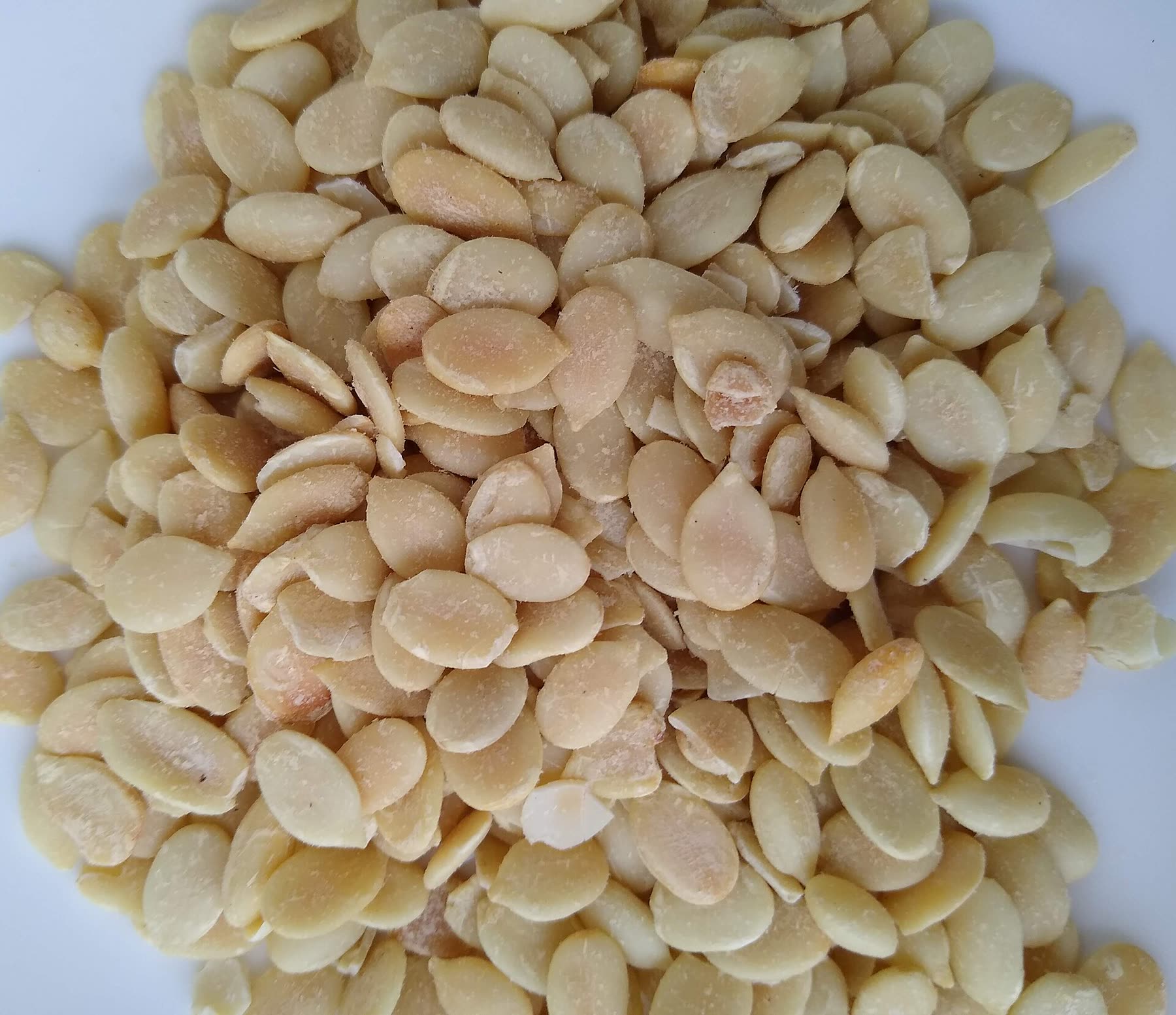
- Seeds for eating. These are food products—unshelled seeds roasted and usually salted, sold in bags much like sunflower seeds. Listings highlight factors like roasting style, seasoning (plain, salted, chili), and dietary notes (kosher, halal, non‑GMO) as seen in snack‑oriented pages referenced in the SERP.
This dual use means search results are messy. Typing “watermelon seeds” into Amazon often returns planting packets, snack seeds, and sometimes novelty products in the same grid. Many buyers end up filtering by department (“Patio, Lawn & Garden” vs. “Grocery”) and scanning titles for cues like “for planting” or “roasted.” Editorial sources describing marketplace patterns confirm that Amazon hosts both planting and edible watermelon seeds in parallel.Source
From a seller’s perspective, third‑party research like Flapen’s niche report estimates roughly $15K/month in Amazon US revenue across “watermelon seeds” listings. That hints at steady demand, but this is spread over multiple ASINs and doesn’t guarantee performance for any one listing. Flapen’s related breakdowns for “melon seeds” and “Sugar Baby watermelon seeds” show smaller but still active sub‑niches, suggesting room for focused offerings rather than generic packets.
Marketplace discussions also show the flip side. Gardeners posting to forums and Q&A pages complain about:
- Low or unpredictable germination, especially from no‑name brands.
- Misleading novelty listings, like supposed “blue watermelon” seeds that don’t match real horticultural varieties.
- Flavor disappointment from snack seeds that taste stale or under‑seasoned.
None of this means Amazon is unusable for seeds, but it does mean you should treat every listing as a separate business, not as part of a single, curated catalog.
Retail vs. Wholesale Platforms for Watermelon Seeds
Amazon is a retail marketplace: individual brands, farms, and resellers list finished products; buyers generally purchase in consumer‑sized units (one or a few packets, a couple of snack bags).
For watermelon seeds, you’ll usually encounter:
- Low minimum quantities (single packets or multipacks) priced for home gardeners or snackers.
- Listing‑by‑listing variability in seed age, storage conditions, and description quality.
- Fast shipping for popular brands, slower or inconsistent shipping for fringe sellers.
Outside Amazon, you have at least three other platform models relevant to seeds:
- Retail marketplaces like eBay and AliExpress. These mimic Amazon’s structure but with more cross‑border sellers and, often, looser catalog control. You might see ultra‑cheap packets shipped direct from overseas seed shops, which can be tempting for experimenters but risky for dependably high germination.
- Wholesale and sourcing marketplaces. Platforms such as Alibaba, and cross‑border marketplaces like DHgate, are focused on bulk buying or B2B deals. DHgate’s own editorial seed guidance tells buyers to research sellers carefully, examine product descriptions, and perform basic viability checks (like germination tests) when purchasing seeds online.Source On these platforms, you’re thinking in terms of dozens or hundreds of packets, not just one.
- Specialist online seed stores. Many gardening sites function as single‑brand or curated multi‑brand stores rather than open marketplaces. Editorial descriptions of these stores note they can be reliable if you research reputation, look for certifications (e.g., organic, non‑GMO), and read customer reviews.Source
Here’s a compact way to think about the trade‑offs:
| Platform type | Typical buyer use | Quantity pattern | Main risk with watermelon seeds |
|---|---|---|---|
| Amazon retail marketplace | Home gardening, snacks, small FBA | 1-10 packets or snack bags | Variable seed quality and novelty gimmicks |
| Retail marketplaces (eBay, AliExpress) | Budget gardeners, cross‑border experimenters | 1-20 packets, often cheap | Less consistent screening of sellers |
| Wholesale/sourcing marketplaces (e.g., DHgate, Alibaba) | Small brands sourcing bulk seed | Dozens to thousands of packets | Need deep seller vetting, seed import compliance |
| Specialist seed houses | Serious gardeners, seed collectors | Focused varieties, sometimes bulk | Higher price but stronger varietal accuracy |
Amazon sits firmly in the first row: excellent for convenience and reach, mixed for consistency.
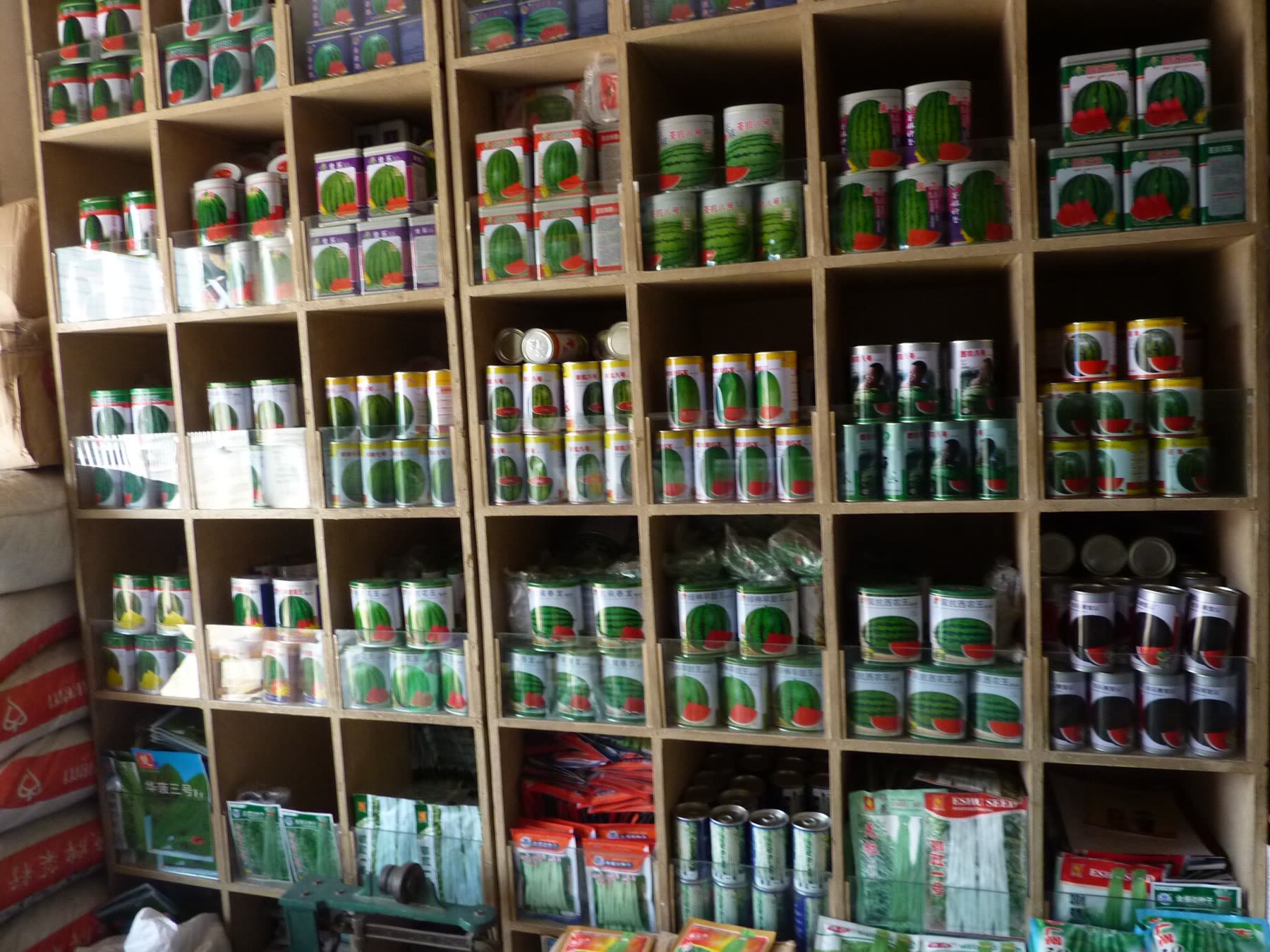
Choosing the Right Platform Route for Your Seed Use Case
Because “watermelon seeds” can mean gardening stock or a salty snack, the right platform depends heavily on what you’re trying to do.
Hobby gardener: reliable plants over novelty
If you want predictable harvests in a US garden, you’re usually better off:
- Using Amazon for mainstream varieties from recognizable seed companies and double‑checking the listing for germination rate, days to maturity, and region suitability. Seed‑selection guidance stresses that climate, soil type, and growing season should match the variety.Source
- Avoiding extreme novelty listings like “rainbow” or “blue” watermelons unless you can confirm they correspond to legitimate cultivars through independent gardening sources. Forum threads citing “blue watermelon” seeds sold on Amazon are full of skepticism.
- Treating seed freshness and viability as non‑negotiable. Generic seed guides recommend looking for plump, undamaged seeds and, if in doubt, running a small germination test (a few seeds on a damp paper towel) before sowing your entire packet.Source
If you’re planning a bigger or long‑term garden, specialist seed houses (often linked by gardening blogs) or local nurseries may be a safer route, even if that means skipping Amazon entirely.
Snack buyer: taste, texture, and dietary notes
If you’re looking for edible seeds:
- Amazon is fine for discovery, with a range of brands offering roasted, salted, and flavored watermelon seeds.
- Flavor and texture are the swing factors. SERP snippets and buyer reviews often mention stale taste or weak seasoning. Trying a small pack first before committing to multi‑packs helps you avoid a cupboard full of seeds you don’t enjoy.
- Dietary labels matter. Many snack listings call out kosher, halal, or non‑GMO status. If those claims are important to you, scan the product photos and reviews for confirmation rather than relying solely on one line of bullet points.
For repeat purchases of a brand you love, buying direct from that brand’s site or a grocery delivery service can reduce your exposure to third‑party resellers swapping stock or changing pack sizes.
Small seed seller or ecommerce brand: where Amazon fits
For a small business considering seeds as a product line, the decision is more strategic:
- Amazon as a sales channel. The $15K/month niche estimate from Flapen tells you the category is active but not enormous. You’ll need a clear angle—specific heirloom varieties, US‑grown non‑GMO seeds, or better packaging and education—to stand out. You also need to stay within Amazon’s rules on plant products and any applicable seed regulations, especially if you’re shipping across state lines.
- Wholesale platforms for sourcing. If you don’t grow or process seeds yourself, you may look to wholesale marketplaces or regional distributors to source inventory. That could include cross‑border platforms like DHgate or Alibaba, with the trade‑off that you must thoroughly vet each supplier’s seed quality, storage, and compliance, and possibly perform your own germination tests.
- Specialist partners. Alternatively, white‑labeling from established seed houses or partnering with local growers can give you stronger varietal authenticity and customer trust, at the cost of tighter margins.
From a platform perspective, Amazon is rarely the place to source watermelon seeds at scale—it’s where you retail finished, well‑documented products to consumers. If your primary need is dependable bulk supply, wholesale or direct producer relationships usually beat buying up Amazon packets, regardless of any gift‑card convenience.
For broader context on marketplace models beyond Amazon, see how different platforms work in our overview of online marketplaces and shopping platforms and the high‑level breakdown of DHgate’s role in cross‑border commerce in What DHgate is and how the marketplace works.