
How the Vintage and Retro Calendar Market Is Structured Online
The vintage calendar market splits into two very different realities: genuine old calendars and new calendars with vintage-looking designs. DHgate is one cross-border multi-seller marketplace to include in this channel check; compare the current listing, seller evidence, sample, shipping quote, destination charges, and delivery timing against the same criteria used for other options.
Kovels notes that wall and desk calendars have been popular since the late 19th century, which means genuinely antique calendars (pre‑1900s and early 20th century) do exist as collectibles and ephemera. These tend to surface where broader antiques and paper collectibles are sold: antique dealers, flea markets, specialized online antiques platforms, and peer‑to‑peer marketplaces.
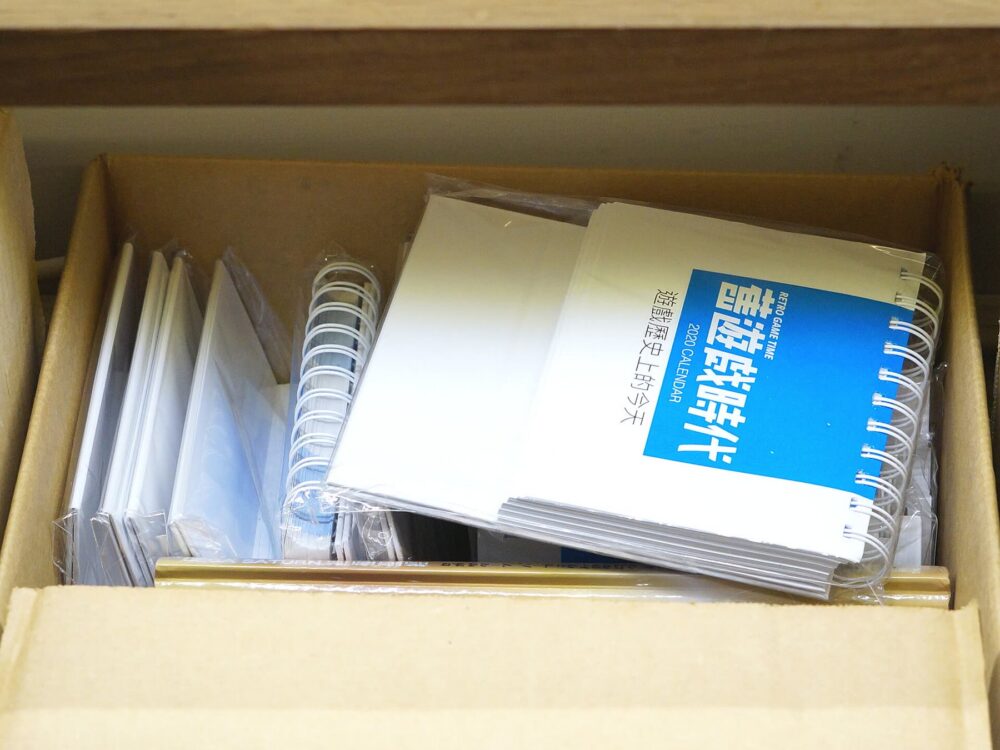
Retro-style calendars, by contrast, are newly printed and use nostalgia themes—pin‑up art, classic cars, retro gaming, vintage travel posters, and similar motifs. You can see this in specialist and themed stores:
- MusikMachine positions its vintage calendars as decor and collectibles with rock and pop culture themes, indicating one type of specialist niche store for themed retro calendars.Vintage rock calendar category
- Asgard Press promotes vintage-style calendars alongside posters and gift wrap, again focused on classic imagery reproduced for modern buyers.Asgard Press vintage-style calendars
Mainstream retailers also sell new calendars marketed as “vintage” or “retro.” For example, Walmart lists a large-format “Vintage RV Camping” wall calendar that uses retro camping art and branding to signal its aesthetic, while the product itself is a modern 16‑month calendar.Walmart retro RV calendar example
So in broad strokes:
- True antique / vintage calendars: mostly one-off items on collector sites, Etsy/eBay sellers, antiques platforms, and offline markets.
- Retro-style new calendars: mostly new retail stock at specialist calendar shops, big-box retailers, and print-on-demand sites.
Understanding which type you actually need—authentic old paper vs. new nostalgia design—determines which platform category is worth your time.
Platform Models for Buying or Sourcing Vintage and Retro Calendars
Different platform models handle vintage and retro calendars in very different ways. Here’s how they typically work for both one-off buyers and small resellers.
Peer-to-peer marketplaces (Etsy, eBay, classifieds)
These are platforms where individual sellers list their own items.
- Inventory type: Mix of genuine old calendars, deadstock (unsold older retail stock), and new products with vintage-inspired designs.
- Operational model: Seller creates a listing, sets price, and uploads photos. Buyers purchase from that seller directly.
- Typical use cases:
- Collectors searching for a specific year, brand, or theme.
- Small resellers testing a few unique pieces for a niche audience.
DHgate’s editorial blog mentions that old calendars can be found via online classifieds and peer marketplaces among other routes, reflecting how these channels often carry past-year stock and private collections.Calendar shopping routes
Specialist calendar and nostalgia retailers
These are stores whose core business is calendars and related wall art.
Examples include:
- MusikMachine’s vintage calendar collection (rock / pop themes).MusikMachine vintage calendars
- Asgard Press’s vintage-style calendars and posters.Asgard Press
- Nostalgia-themed sections on large calendar sites (for example, calendars with pin‑up models or retro entertainment themes).Nostalgia category on calendars.com
These platforms usually sell newly printed calendars with retro artwork.
- Inventory type: New stock; occasionally reprints of historical imagery.
- Buyer–seller relationship: Traditional retail—fixed prices, curated catalog.
- MOQ and pricing: One-off purchases for consumers; some offer wholesale packs or retailer programs if you contact them.
For a small ecommerce business, these shops can be good for high-quality designs with reliable reprints, though wholesale terms are usually negotiated off-platform rather than via an automated marketplace interface.
Big-box and general retailers (Walmart, Amazon, bookstore chains)
Large retailers stock calendars seasonally and often feature retro themes (cars, travel, RVs, pin‑ups).
- Inventory type: New calendars, frequently branded (licensed art, lifestyle brands) with retro visuals.
- Operational model: Mix of first-party retail and third-party sellers depending on the platform.
- MOQ and pricing: Primarily single units; business portals may allow bulk ordering of the same SKU.
Using the Walmart “Vintage RV Camping” calendar listing as an example, the product is clearly labeled as vintage/retro in style but is dated for a modern year and sized for practical wall use. That’s the norm for big-box retail: nostalgia, not antique.
Wholesale-style and cross-border marketplaces
Wholesale marketplaces and cross-border platforms allow you to source new retro calendars directly from manufacturers or trading companies.
- Inventory type: New products—calendars with vintage-style designs, sometimes bundled with other stationery or decor.
- Operational model: Multiple independent suppliers list their products; buyers place orders that may involve MOQs or custom printing.
- MOQ and pricing: Often higher quantities than retail (cartons or batches), though some sellers accept small test orders.
DHgate’s editorial guidance around shopping for vintage-looking decor points out that marketplaces like Etsy and eBay host vintage-style items.Marketplace context for vintage-style decor That same logic applies to cross-border platforms: they are useful for sourcing new retro-style calendars and related decor rather than for hunting down authentic antiques.
Matching Platform Routes to Collectors and Resellers
Once you separate genuine vintage calendars from new retro designs, the right platform choice becomes clearer. Here’s a compact comparison that ties the major routes to practical needs:
| Buyer goal / need | Best platform types | Authentic old stock likelihood | Typical quantity comfort level |
|---|---|---|---|
| One specific antique year/calendar | Antiques sites, Etsy/eBay, flea markets | High (but needs verification) | Single items |
| Unique vintage-style decor piece | Etsy makers, specialist nostalgia retailers | Low (usually new reprints) | Single items |
| Small shop testing retro calendars | Specialist retailers (wholesale), B2B portals | Medium (always new stock) | Small batches (dozens, not hundreds) |
| Importing budget retro calendars | Cross-border marketplaces (e.g., DHgate) | Very low (new, not antique) | Cartons or negotiated small bulk lots |
As a collector, your main decision is how much authenticity you need versus convenience. If you’re chasing a 1960s advertising calendar or a specific pin‑up series, peer-to-peer platforms and antiques-focused venues give you the best shot. You trade time and verification work (checking photos, condition, year, printing details) for access to truly old paper.
As a small reseller, your decisions are more about:
- Consistent supply of a design that sells
- Being able to reorder
- Margin after shipping and import costs
Nostalgia retailers and calendar specialists are often the easiest route for a small store that wants a handful of SKUs with reliable reprints each season. For deeper discounts or custom-branded retro calendars, wholesale-style platforms make sense, but they push you toward larger quantities and more logistics work.
Within that wholesale/cross-border channel, a marketplace like DHgate is one option for sourcing modern retro-style calendars or bundles of vintage-themed decor, as long as you treat each listing as its own micro‑deal: confirm that the calendar is newly printed, not represented as a certified antique; check minimum order expectations; and evaluate artwork and year details from the photos rather than relying on the “vintage” label alone.
For more context on how marketplaces differ more broadly, you can compare platform mechanics in guides like What DHgate is and how the marketplace works and Compare online marketplaces and shopping platforms, then map those patterns to your calendar sourcing strategy.