
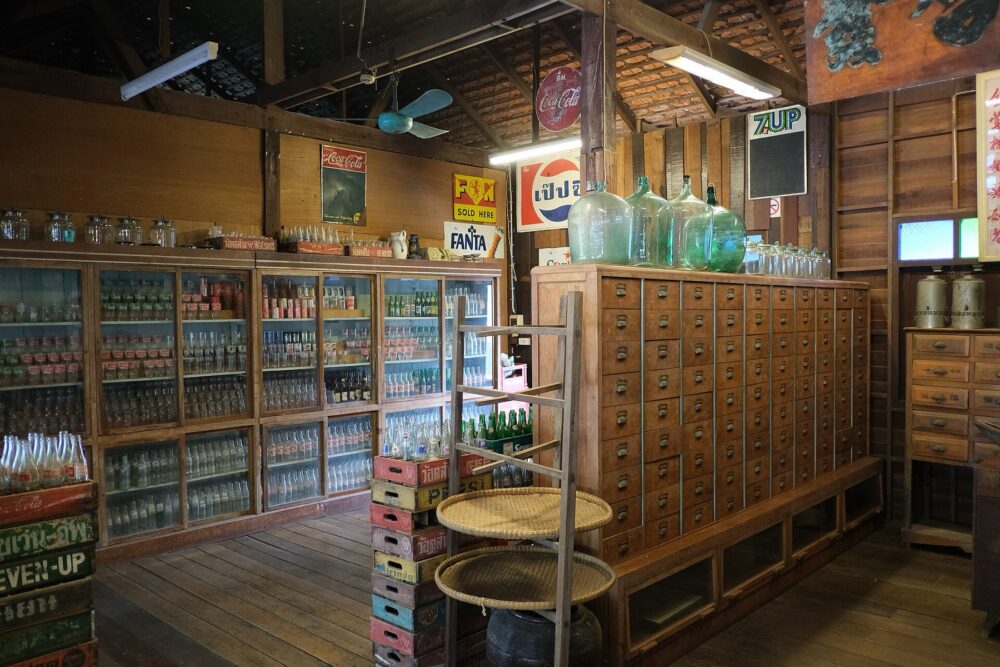
Vintage general store signs are easiest to source if you start by deciding whether you want true antiques or vintage-look reproductions, then match that goal to the right platform type. Authentic pieces with real age tend to show up through antique shops, flea markets, and auction-style marketplaces. If you mainly need the look—especially for a café, farmhouse kitchen, or a small online shop—specialist sign retailers and broad marketplaces offer consistent designs, sizes, and repeat stock.
For most U.S. buyers, that means browsing antique-focused sites for one-off statement pieces, and using decor or cross-border marketplaces when you need multiple matching signs or custom wording.
What Counts as a Vintage General Store Sign Today?
“Vintage general store” signs are decorative pieces that echo early-20th-century mercantile and grocery shops: think “GENERAL STORE,” “DRY GOODS,” or “GROCERY” painted across wood or metal in simple, bold lettering. Antique examples on sites like 1stDibs often feature hand-painted type, rustic boards, and wear from years of use.
You’ll see two broad categories:
- Authentic antique signage – Older hardware, grocery, and mercantile signs that actually hung in a store. Materials are typically wood, tin, or enamelled metal. The paint may be faded, cracked, or partially missing. These are limited, one-off pieces.
- Vintage-look reproductions – Modern decor pieces made to look old. For example, Sign Treasure sells a “General Store” wood sign labeled as antique-style decor rather than an actual antique, with clean edges and controlled distressing for a farmhouse aesthetic (example product).
Within reproductions, styles vary:
- Rustic wood boards with stenciled text like “General Store – 5 & 10 Cent” or “Dry Goods” (Sign Treasure example).
- Metal plaques printed to look like old tin or porcelain advertising, often used in kitchens or above a checkout counter.
- Personalized signs where you can swap in your shop name or family name—common on marketplaces such as Etsy’s vintage-style general store listings.
Knowing whether you’re shopping for history or just a vintage vibe is what determines which platforms make sense.
Where These Signs Are Sold: Platform Types and How They Work
Vintage general store signage lives in a mix of niche and mainstream channels. Each one handles inventory and buying very differently.
1. Antique shops, flea markets, and auction-style marketplaces
For authentic, older advertising and store signs, the most typical routes are:
- Brick-and-mortar antique shops and malls
- Flea markets and estate sales
- Online antique and auction-style marketplaces
Dealers like Heimwee Antiques focus on vintage and antique advertising, including metal and enamel signs. Inventory is usually one-off: once a sign sells, it’s gone. On mainstream auction marketplaces, individual sellers list pieces with photos and a short history; you bid or buy outright.
How this channel behaves:
- Inventory: Unique, unpredictable finds rather than a fixed catalog.
- Quantities: Usually a single piece. Buying multiples with the same design is rare.
- Use case: Statement décor for a home kitchen, bar area, or a shop wall where authenticity matters more than brand consistency.
2. Specialist sign shops and small brands
If you want a repeatable vintage look without hunting for antiques, specialist sign makers are the most straightforward. These are small brands that build a focused catalogue of general-store and grocery signs.
Carved Custom Wood Signs, for instance, offers general store and grocery store signs in a vintage look with clear product options for size and finish (catalog example). Sign Treasure and similar sites sell predesigned “GENERAL STORE” boards, sometimes in several dimensions or colorways.
Typical mechanics:
- Inventory: Limited, themed catalog (general store, mercantile, farm market) rather than thousands of random designs.
- Options: Fixed designs with choices for size, stain, or occasionally wording. Full bespoke design may or may not be offered.
- Quantities: Easy to order a small batch of identical signs for multiple locations or to restock your ecommerce shop.
This channel suits cafés, farm shops, and online sellers who want a consistent brand look without dealing with true antiques.
3. Large online marketplaces (decor and handmade)
Big marketplaces host many independent sign makers and collectors, blurring the line between antique and reproduction.
On Etsy, you’ll find:
- Handmade wooden “GENERAL STORE – DRY GOODS” signs in a vintage style.
- Personalized grocery or mercantile signs.
- Occasional listings for older, possibly antique store fixtures.
You see similar mixes on Amazon and social platforms’ marketplace features.
Marketplace behavior:
- Inventory: Wide range, from distressed wood reproductions to printable art and occasional older pieces.
- Quantities: Mostly decor-sized orders (one to a handful of signs), though some makers will accept larger runs.
- Buyer–seller relationship: You buy from individual shops, not the marketplace itself, so quality and communication vary by seller.
4. Cross-border sourcing marketplaces
For buyers sourcing vintage-style signs in volume—say 50-200 pieces with a similar look—cross-border marketplaces come into play. Platforms in this group include DHgate, Alibaba, and others that connect buyers with overseas manufacturers of metal and wood signage.
These sites tend to emphasize vintage-look metal signs and other printed decor, not authentic antiques. You’ll typically be dealing with:
- Factories or trading companies offering catalog designs and sometimes custom art.
- Minimum order expectations for custom runs (often higher than a typical decor order, though exact figures vary by supplier).
Because these are global sourcing platforms, you have to factor in longer shipping distances, communication across time zones, and more work upfront checking each supplier’s product photos and past buyers’ feedback.
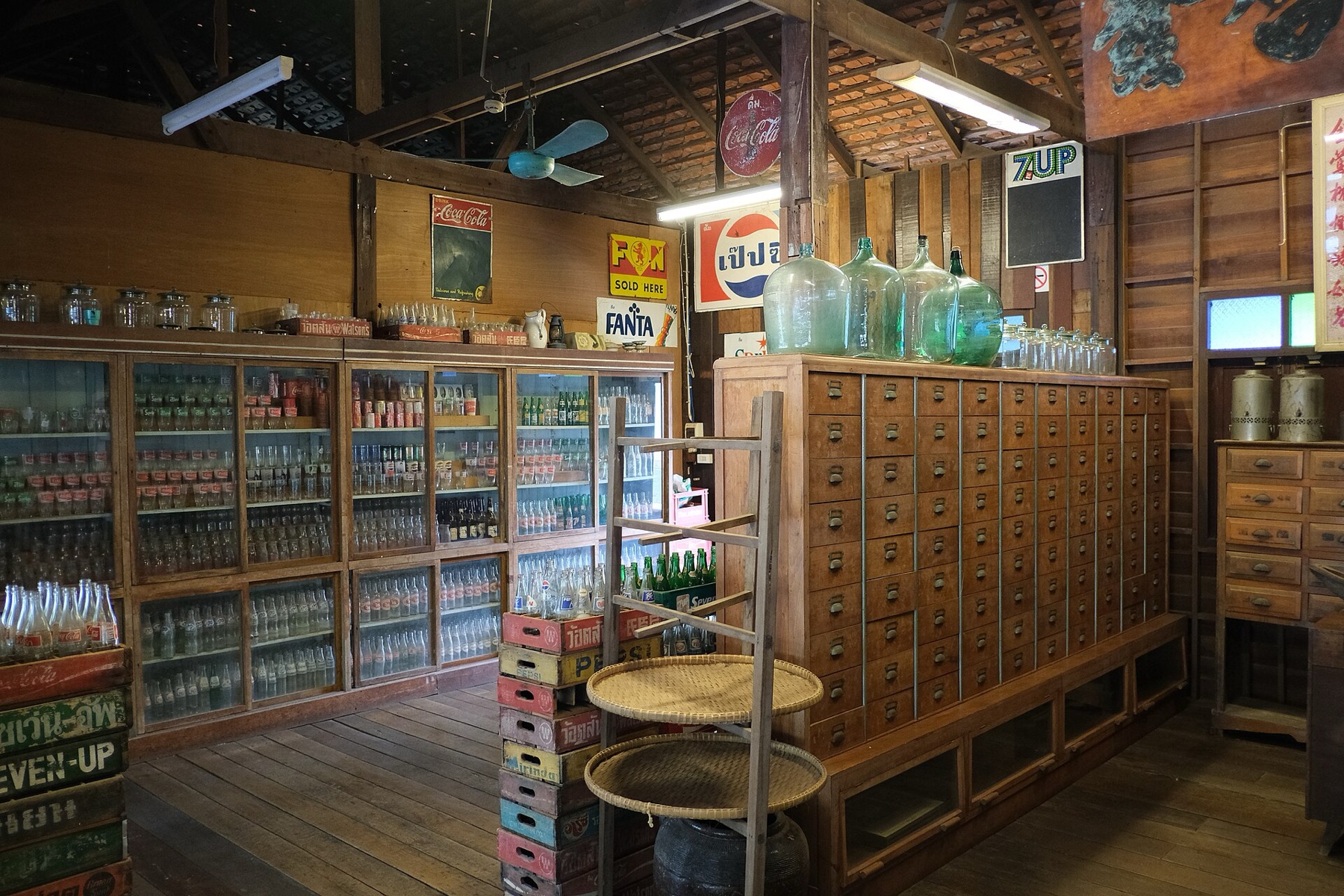
Quick platform-style comparison
Here’s a compact view of how these channels differ for vintage general store signage:
| Platform type | Authentic antiques likely? | Consistent repeat designs? | Best for quantities |
|---|---|---|---|
| Antique shops & flea markets | Yes | No | 1-2 statement pieces |
| Specialist sign retailers | No (vintage-look only) | Yes | Small batches |
| Large marketplaces (Etsy, etc.) | Mixed (antique & repro) | Some, varies by seller | 1-10 per design |
| Cross-border sourcing marketplaces | No (decor-focused) | Yes, factory catalog/custom | Dozens+ per design |
Choosing the Right Platform for Your Vintage Sign Project
The right route depends on whether you’re decorating one space or trying to build repeatable stock.
Scenario 1: Home kitchen or café wall
If you want a single sign that feels like it could have hung in a small-town store:
- Start with local antique shops and vintage markets, then broaden to online antique or auction-style marketplaces and dealers like Heimwee Antiques.
- Accept that you’re choosing from what’s available, not ordering an exact phrase or size.
If you care more about a clean, farmhouse look than true age:
- Use specialist retailers such as Carved Custom Wood Signs or decor-focused sites that offer general store designs in multiple sizes.
- Large marketplaces like Etsy work well if you want personalized wording or matching pieces for different rooms.
Scenario 2: Small ecommerce brand or local shop rollout
For a small ecommerce store that wants to resell vintage-style general store signs, or a brick-and-mortar brand that needs cohesive signage across several locations:
- Specialist sign shops are a practical first stop. Their focused catalog makes it easier to reorder the same design and maintain consistency.
- Large marketplaces let you test styles with low quantities. You might buy small batches from a few different makers to see what sells or looks best, then build a relationship with one that can produce on a repeat basis.
- Cross-border marketplaces (such as DHgate) become relevant once you know exactly what design, material, and quantity you want and are prepared to work with overseas suppliers. This route is generally better for vintage-style, factory-made metal or printed signs than for true antiques, and it demands extra diligence on each supplier’s listing details and past buyer photos.
If you’re new to cross-border sourcing, it’s worth first understanding how these platforms function and differ from retail marketplaces. Guides like our overview of what DHgate is and how the marketplace works or broader comparisons of online marketplaces and shopping platforms can help you decide whether that channel fits your current scale.
How to test your platform choice without overcommitting
A practical path for most buyers:
- Define the look and authenticity level. Decide whether you want real wear and age, or a clean vintage-style design that you can repeat.
- Run a small trial on 1-2 platforms.
- For authentic: pick one antique dealer site and one general marketplace with auction-style listings.
- For vintage-style stock: pick one specialist sign retailer and one large marketplace shop with strong photos.
- Assess real-world fit. Hang the signs in your space or photograph them for your ecommerce store. Check whether the materials, size, and lettering actually match the mood you’re aiming for.
If that trial works, you’ll know which platform type is worth committing to—whether that means building relationships with a couple of antique sellers, locking in a go-to sign maker, or exploring cross-border factories once your demand justifies higher volumes.