
A brake light switch stopper or pad sits on the brake pedal and keeps the brake light switch correctly engaged when the pedal is at rest, so your brake lights behave as designed. Retail platforms like Walmart Canada’s stopper pad listing show these as small rubber or plastic pieces sold to consumers. DHgate, by contrast, leans more toward the switch unit itself and bulk, trader-style sourcing.
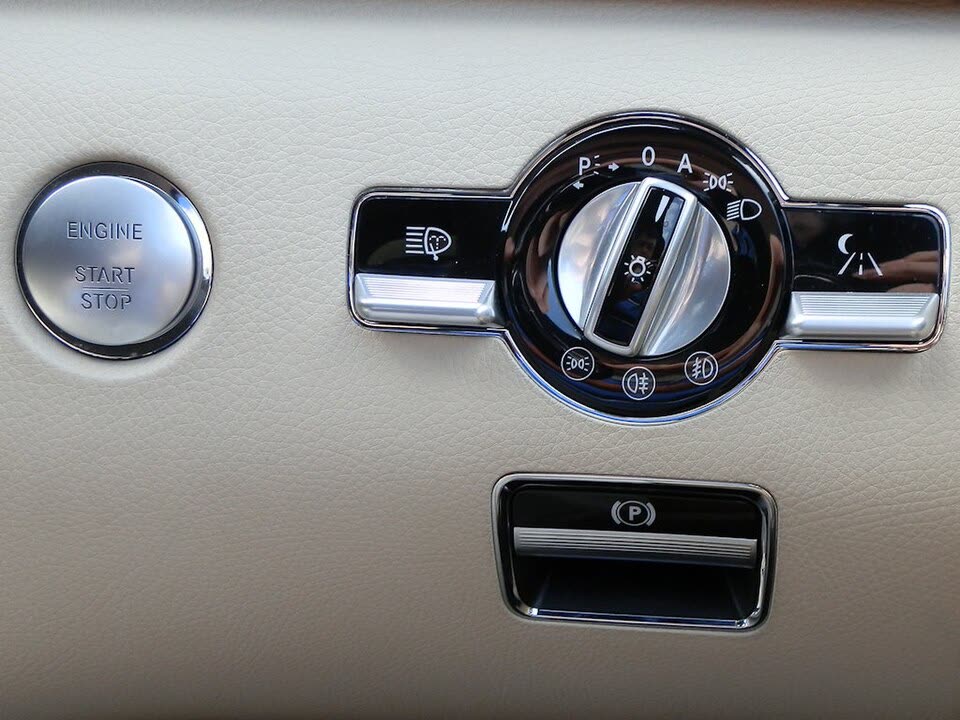
Where Brake Light Switch Stoppers Are Sold Online and How the Market Works
For these parts you’re usually dealing with two physical pieces:
- The stopper pad on the brake pedal arm
- The brake light switch that senses pedal position
Consumer-facing marketplaces (Amazon, Walmart.ca, eBay) and national auto-parts chains typically sell either pad kits or exact switches tied to specific VINs, years, and trims. Their product pages often include fit check tools and lots of customer reviews, plus stock in Canadian warehouses.
On the other side, China-based marketplaces like DHgate group brake components into broader categories such as a wholesale turn & brake light section. The listings there cover a mix of bulbs, modules, and switches from many suppliers, with less hand-holding on vehicle fit.
For small, safety-adjacent items like brake light stoppers, this split matters. Retail and parts chains are optimized for single-vehicle fit and fast resolution. Wholesale-style marketplaces are optimized for volume and experimentation—useful if you’re a small seller building a low-cost catalog, but more work if you just want your Civic’s brake lights back tomorrow.
Retail Marketplaces, Auto Parts Chains, and China Marketplaces for These Parts
Think of the platforms as three different tools:
- Retail marketplaces (Amazon, Walmart.ca): consumer-first, lots of reviews, simple fit tools.
- Auto-parts chains (Canadian Tire, AutoZone in the US): fit by year/make/model, in-store support, established brands.
- China marketplaces (DHgate, others): supplier catalogs with bulk-friendly pricing and wide coverage, but sparse compatibility guidance.
Here’s how that plays out for brake light stoppers and switches:
| Platform type | Typical use for stoppers/switches | Fit/compatibility support | Quantity pattern |
|---|---|---|---|
| Retail marketplaces | One-off replacement pad/switch for a common car | Search by vehicle, detailed descriptions, many reviews | 1-2 pieces per order (consumer) |
| Auto-parts chains | OEM-equivalent switch, sometimes pads, for daily drivers or fleets | Year/make/model tools, counter help, known brands | Single parts, but repeatable |
| China marketplaces (e.g. DHgate) | Bulk switches, niche models, experimental stock for resellers | Generic titles, limited car-model detail, few/no reviews | Multi units, pads, or switches |
Because DHgate is a marketplace of individual sellers, each listing behaves more like a catalog entry than a retail SKU. Around 2026-10-15, DHgate’s product search shows multiple brake-related switches:
- Plug and Play Stop Lamp Brake Lamp Switch JK231 Normally Closed – listed under “Other Interior Accessories,” with a price range of USD 52.37-53.72 and no buyer reviews shown, from seller `ddmydec` (listing).
- High Quality Brake Light Switch For Brake Light JK231 Normal Closed – also JK231, priced roughly USD 26.89-27.58, again with zero reviews and the same seller `ddmydec` (listing).
- Brake Light Switch for Smart Fortwo 450 451 A4515450209 4525450009 4515450209 – advertised for specific Smart Fortwo models, priced around USD 67.89-69.64, category “Exhaust Pipe Spring,” no ratings or reviews visible, seller `ddmyjan` (listing).
All three examples show the typical DHgate pattern for these parts: precise-sounding titles, China-based suppliers, price ranges, but no usage feedback at snapshot time. That’s very different from an Amazon or Walmart listing where you’d expect dozens of reviews mentioning exact vehicles.
If you mainly care about fit and quick resolution, that lack of reviews and tooling is a real tradeoff.
When DHgate Makes Sense and How to Vet Brake Light Switch Listings
DHgate can be useful, but the scenario and your role matter.
For a Canadian DIY owner fixing one car
For a small ecommerce or auto-parts reseller
DHgate starts to make more sense if you:
- Want to test stocking generic brake switches like JK231 across multiple customer vehicles.
- Are comfortable cross-referencing part numbers against manufacturer documentation.
- Plan to absorb the risk of mismatches during your testing phase.
In that case, DHgate’s low per-unit ranges and multiple switch variants can be attractive for building a catalog you then resell domestically with your own fit data.
Practical vetting steps on DHgate
Since DHgate’s own editorial blog talks about compatibility tools and guidelines in general terms, but listings like the JK231 switches and Smart Fortwo switch don’t show reviews or detailed fit tools, you should treat compatibility as your responsibility. For each listing:
- Lock down the part number
Only consider listings that clearly state the OEM or cross-reference number (e.g., JK231, A4515450209). Match that against independent parts catalogs rather than trusting the title alone.
- Check vehicle coverage beyond the title
The Smart Fortwo listing names 450/451 models and a few part numbers, but no buyer feedback. Before ordering, confirm those numbers against an official Smart/Mercedes parts reference or a trusted catalog.
- Compare multiple DHgate listings for the same part
For JK231, you have at least two listings from the same seller with different price ranges and slightly different titles. Compare photos, specifications, and descriptions to confirm they’re truly the same switch and not just similar.
- Look at seller history, not just price
DHgate surfaces seller identities (`ddmydec`, `ddmyjan`, etc.). Even when rating data isn’t visible on these snapshots, treat any seller track record, portfolio breadth in auto parts, and consistency of part numbering as more important than a small price difference.
- Plan for test batches, not guaranteed fit
As a small business, treat the first DHgate order as a test batch. Install on a known compatible vehicle in a controlled way, verify brake light behavior, and only then decide whether to treat the part as a stocked SKU.
Clear cases where DHgate is the wrong tool
- You need a same-week fix on a daily driver where brake lights are already failing.
- You have no way to confirm OEM part numbers or don’t want to take on fit testing.
- The vehicle is under warranty or subject to strict inspection rules where non-OEM or unverified parts could cause issues.
In those situations, staying with Canadian retail marketplaces or established auto-parts chains is a more defensible choice.
If you’re still weighing platforms more broadly, it can help to read a neutral overview like What DHgate is and how the marketplace works alongside a general comparison of online marketplaces and shopping platforms or a focused look at DHgate vs AliExpress, Alibaba and Temu. Then match those platform traits against how critical brake signaling is for your use case.