
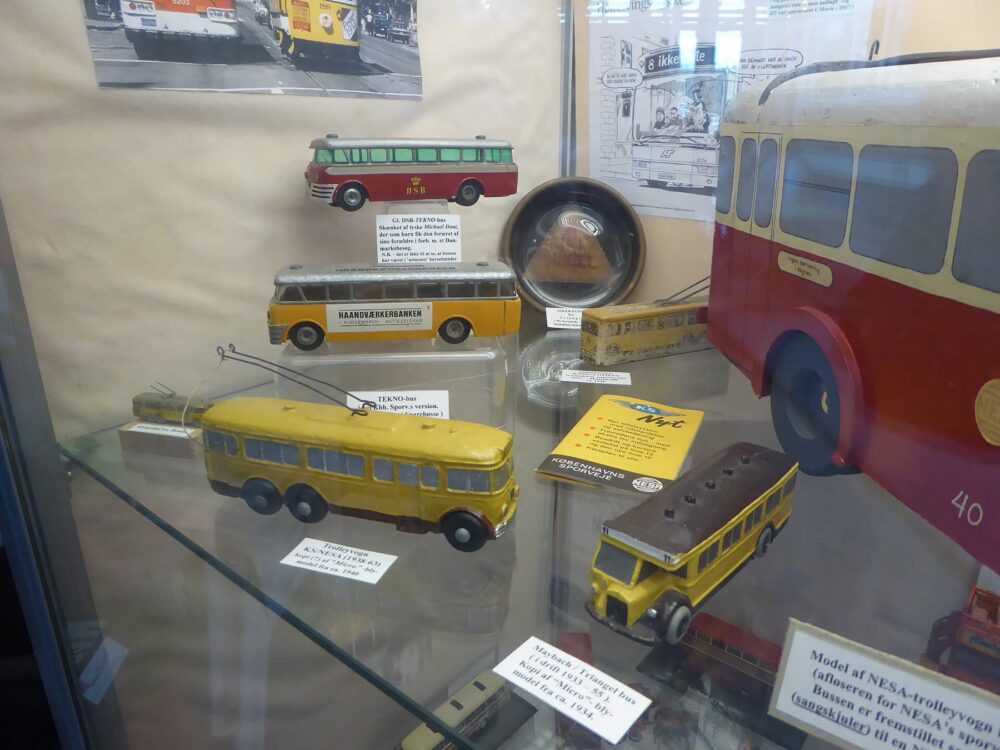
Authentic toy bus models tend to cluster on a few types of platforms. For Canadian buyers and small resellers, branded diecast buses and realistic replicas are most reliably found at specialty diecast shops and major retail marketplaces, while preschool school bus toys often come via brand sites and their retail partners. Generic city buses and double‑deckers with lights and sounds are widely listed across large marketplaces, including cross‑border wholesale sites, but these require more hands‑on checking for branding accuracy and build quality.
For collecting, gifting, or stocking a small ecommerce shop, the right route depends heavily on whether you care about official liveries and brand names, or simply about visual appeal and price. Below, we map the main channels and how each actually works for toy bus sourcing.
How the Toy Bus Market Is Sold Online
Toy buses split into two practical categories online:
- Collector models – detailed replicas of real transit or coach fleets, often in specific scales (1:18, 1:43, 1:64). These attract hobby buyers and serious collectors.
- Kids’ toy buses – preschool school buses, friction‑powered city buses, double‑deckers with lights/sounds, and wooden transit toys.
Specialty diecast retailers like Awesome Diecast highlight high‑detail buses aimed at collectors, with models across multiple scales that closely resemble actual vehicles, including paint schemes and branding. Their own blog for bus enthusiasts emphasizes authenticity and accurate liveries in bus replicas, reflecting how these shops curate models for the collector market rather than generic toys.
Transit agencies sometimes sell toys and models directly tied to their fleets. The TransLink Store in Metro Vancouver, for example, offers branded bus toys and models related to local services, such as double‑decker bus wooden toys and train plushies. These channels are niche, but they’re strong options if you want an officially licensed bus from a specific system.
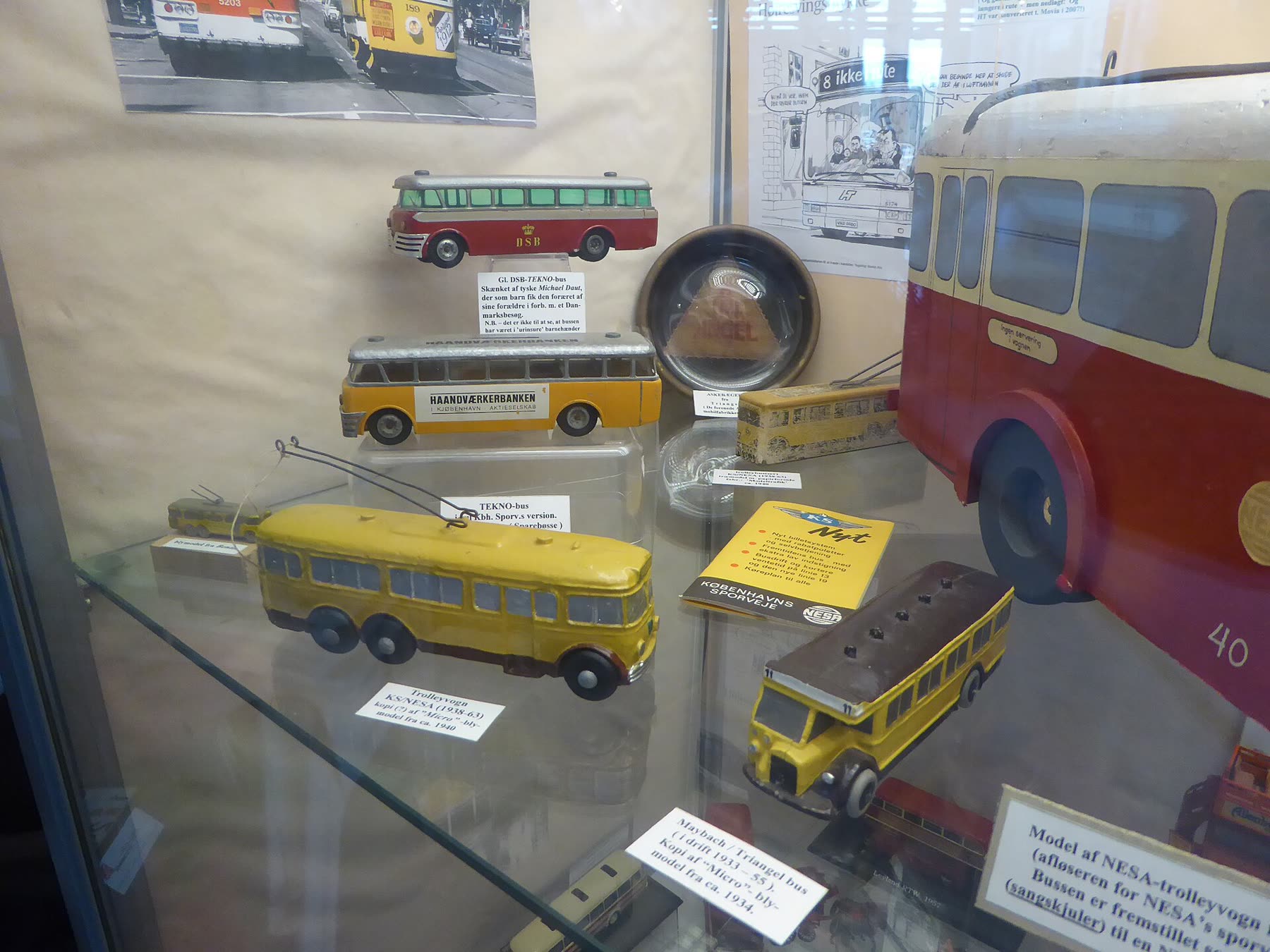
On the mass‑market side, big retail marketplaces like Walmart Canada’s Toy Busses section list broad assortments of generic buses and preschool toys for Canadian shoppers. These products range from basic plastic school buses to interactive models with lights or opening doors, and they’re typically positioned as kids’ toys rather than scale‑correct collectibles.
Brands also sell direct. A preschool‑oriented example is Mattel’s Little People School Bus, which showcases an officially branded bus toy focused on young children. The Canadian arm of B. toys lists the Boogie Bus, an interactive school bus with music and lights. These brand sites illustrate that some toy buses are sold both via the brand’s own shop and through retail partners.
Collectors and small resellers often mention mainstream marketplaces and hobby shops in sourcing discussions. DHgate’s editorial blog on model bus collecting points to eBay, Amazon, and hobby retailers as common sources, and also notes enthusiast forums and Facebook groups where people buy and sell model buses peer‑to‑peer. That mix of channels is exactly what you’ll navigate as a Canadian buyer.
Retail, Specialty, and Wholesale Marketplaces: How Each Works for Toy Buses
To choose a sourcing route, it helps to separate platform types by how they operate and what they usually carry.
Major retail marketplaces (Amazon.ca, Walmart Canada, similar)
Large retail marketplaces aggregate many toy bus SKUs aimed at parents and gift buyers:
- Typical stock: plastic school buses, friction‑powered city buses, remote‑control buses, and branded preschool toys (including items from Mattel or similar brands listed via retail partners).
- Buyer relationship: you purchase either from the retailer directly or from third‑party sellers using the retailer’s storefront.
- Cross‑border angle: Canadian domains tend to prioritize domestic or North American inventory, which helps with shipping times but may limit access to niche foreign bus models.
These platforms are practical when you don’t need a specific transit agency livery and just want broadly recognizable bus toys with decent build quality.
Specialty diecast and model bus shops
Specialty shops — like Awesome Diecast’s collector‑focused offering — focus on:
- Diecast replicas in defined scales (1:18, 1:43, 1:64) with accurate details.
- Transit, coach, and vintage buses that mirror real fleets.
Their editorial content stresses authenticity, including accurate paint, logos, and liveries. For Canadian collectors, local or cross‑border specialty shops are often the most straightforward route to genuine branded models, though you’ll usually be paying collector rather than toy prices.
Transit agency stores
Transit agencies such as TransLink operate online shops that sell branded bus toys and models aligned to their services. These stores typically:
- Carry official liveries tied to the agency’s brand.
- Offer unique items (like specific double‑deckers or route‑branded models) that don’t appear widely on generic marketplaces.
If your priority is authenticity to a particular system — say, a Vancouver double‑decker bus for a local fan — an agency store can be a better match than a generic toy marketplace.
Brand‑direct toy sites
Brands like Mattel and B. toys show how preschool buses are sold:
- Mattel’s Little People School Bus is part of a broader preschool line.
- B. toys’ Boogie Bus is positioned as an interactive school bus toy.
These sites function as both product showcases and shopping channels, and their buses also appear through mainstream retailers. For a Canadian micro‑reseller, checking brand sites helps you understand official designs and recommended age ranges, even if you ultimately source through another platform.
Peer marketplaces and enthusiast channels
Editorial commentary from DHgate’s bus‑collecting blog highlights eBay, Amazon, online forums, and Facebook groups as regular places where collectors buy and sell model buses. These channels:
- Mix new and second‑hand buses.
- Often include retired or rare models, especially through auctions.
They’re attractive if you’re chasing specific releases or vintage buses, but listings can be highly variable in description quality and photo detail, so you’ll need to gauge each seller individually.
Wholesale and cross‑border marketplaces
Wholesale‑oriented and cross‑border marketplaces typically list:
- Generic bus toys (school buses, double‑deckers, city buses) at prices designed to make multi‑unit purchases viable for small sellers.
- Some bus‑themed building kits and educational toys.
On DHgate, for example, a snapshot taken on 2026-10-15 shows multiple toy and model bus listings:
- A diecast‑category listing for a “Children Large Buses Model Car Simulation School Double‑deck Bus” with lights and sounds, priced in a broad range across variants, in the Diecast Model Cars category.
- A “1 36 Scale Bus Alloy Model Toy” described as having spring‑back action in the Diecast Model Cars category.
- A “School Bus Toys Mini Car Model” with sound and light, also categorized under Diecast Model Cars.
Listings and prices change over time, and these examples are not endorsements. They simply illustrate that cross‑border marketplaces tend to emphasize generic and semi‑generic toy buses, often suitable for budget‑oriented reselling if you’re willing to vet individual suppliers and product details yourself.
How platform types differ on authenticity vs practicality
Here’s a compact comparison of how these channels typically stack up for toy bus sourcing:
| Platform type | Best for | Typical authenticity risk* | MOQ / bulk suitability |
|---|---|---|---|
| Major retail marketplaces | Kids’ buses, some branded preschool toys | Low for mainstream brands; varied for third‑party generic buses | Good for small multi‑unit orders, not true wholesale |
| Specialty diecast shops | Scale model transit/coach buses for collectors | Low; focus on detailed, brand‑accurate replicas | Primarily single units; limited bulk discounts |
| Transit agency stores | Official local transit‑branded toys/models | Low; directly tied to agency branding | Mostly single‑item; souvenir‑style |
| Brand‑direct toy sites | Preschool school buses, official character lines | Low for brand products | Retail packs, not wholesale |
| Peer marketplaces/auctions | Rare, retired, or second‑hand buses | Highly variable by seller/listing | Single units or small lots |
| Cross‑border wholesale sites | Generic school/city/double‑deck buses for resale | Variable; many unbranded or loosely branded toys | Strong for bulk; you choose your order size |
*”Authenticity” here means accurate branding/liveries or being an official product, not an authenticity guarantee from any platform.
Choosing the Right Platform Route for Collectors and Small Resellers
Your ideal route depends on whether you’re a collector, a parent or gift buyer, or running a small ecommerce operation.
Scenario 1: Canadian hobby collector
If you care about specific fleets (London double‑deckers, Greyhound coaches, local transit buses) and scale accuracy:
- Start with specialty diecast shops like Awesome Diecast and similar retailers that curate authentic bus models.
- Check transit agency stores (e.g., the TransLink Store) if you want models tied to a particular Canadian system.
- Use peer marketplaces and forums for discontinued or rare models, accepting the extra legwork per listing.
Retail marketplaces still have a role here, but mostly for background pieces or play‑grade buses rather than centerpiece models.
Scenario 2: Parent or gift buyer in Canada
If you’re buying a toy bus for a child rather than a collection:
- Look at major retail marketplaces like Walmart Canada’s toy bus category for broad, age‑graded options with familiar forms (school buses, city buses, double‑deckers).
- Check brand sites such as Mattel’s Little People School Bus or B. toys’ Boogie Bus to see official designs and features, then decide whether to buy direct or via a retailer.
- Consider a transit agency store if the child has a connection to a specific city or system and would enjoy a branded local bus.
Authenticity here is less about collector‑grade branding and more about being a safe, engaging toy from a recognizable brand.
Scenario 3: Small ecommerce reseller
If you run a small online shop or sell through marketplaces:
- For branded preschool buses (Mattel, B. toys, etc.), your sourcing will often follow standard retail or distributor channels rather than open marketplaces.
- For generic buses to hit entry‑level price points, cross‑border wholesale‑style marketplaces can be attractive. As the DHgate product snapshot shows, sites like DHgate host various generic bus toys — from alloy pull‑back buses to large double‑deckers with lights — with wholesale‑friendly pricing spans and multiple suppliers.
Because these platforms do not present a unified authenticity or quality standard, you need to vet each listing and seller yourself. Practical checks include:
- Examining photos for build quality and how closely the design matches what you want to present on your shop.
- Comparing titles and descriptions across several listings to spot generic templates vs. more carefully described products.
For higher‑end collector buses, wholesale marketplaces are rarely the best fit; specialty shops and manufacturer‑aligned distributors remain more suitable.
Cross‑border shipping notes for Canadian buyers
For Canadian individuals and small resellers, platform choice also affects shipping simplicity:
- Canada‑focused retailers and brand sites may simplify customs and shipping, since they target your market directly.
- Transit agency shops are usually domestic to the system’s region; Canadian buyers ordering from Canadian agencies avoid cross‑border concerns entirely.
- Foreign specialty shops and wholesale marketplaces introduce currency conversion and potential customs handling, which you’ll have to factor into your margins and delivery timelines.
If your goal is a handful of buses for a collection or gifts, staying with domestic retail and specialist channels is often simpler. Cross‑border wholesale makes more sense once you’re planning repeat purchases and can absorb the extra complexity.
For a broader look at how marketplaces differ beyond toy buses, including how DHgate compares with platforms like AliExpress and Alibaba, you can read Compare online marketplaces and shopping platforms and Compare DHgate with AliExpress, Alibaba and Temu. If you need a deeper understanding of DHgate’s general mechanics before evaluating it as a sourcing option, see What DHgate is and how the marketplace works.