
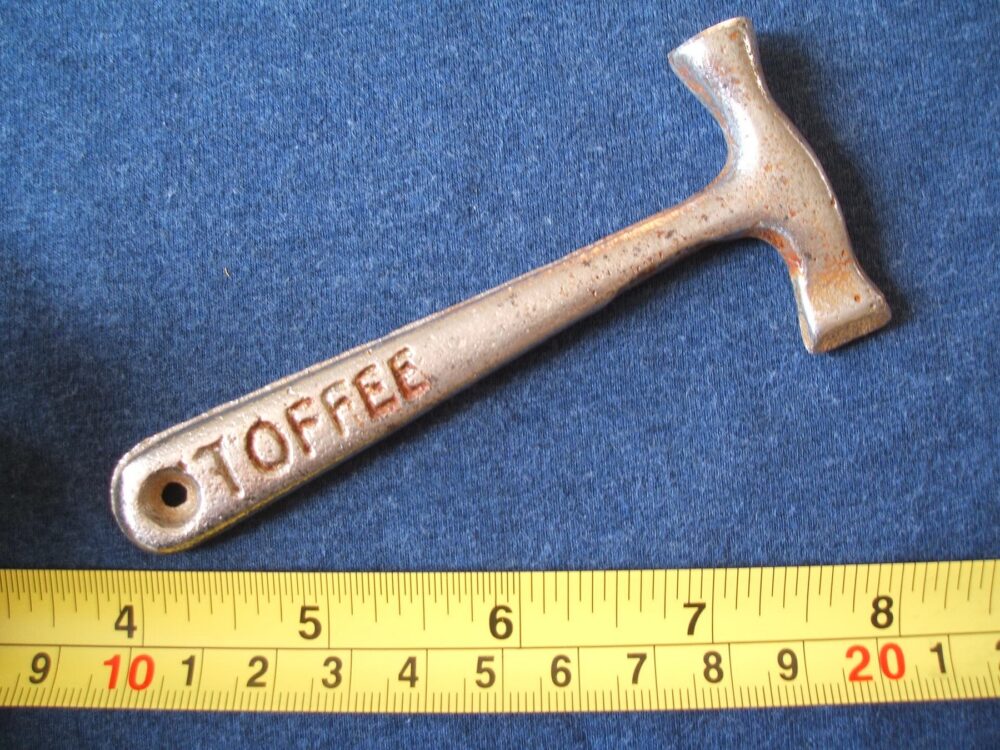
“Toffee and hammer” usually means a hard slab of toffee sold with a tiny hammer so you crack off pieces yourself. You’ll see these both as novelty gifts and as traditional British‑style sweets. You can buy them from brand‑run sweet shops, general online confectionery retailers, and marketplaces that list either new gift sets or vintage toffee hammers. The best route depends on whether you want one or two boxes for gifting, or you’re an ecommerce seller trying to source stock or accessories in bulk.
For everyday buyers who just want a fun toffee gift, brand or specialty retail sites are the simplest choice. For small ecommerce businesses, the decision is more nuanced: handmade marketplaces like Etsy are good if you want small batches or custom work; large marketplaces like eBay or Amazon help you test demand with ready‑made sets; and wholesale‑oriented platforms can make sense if what you really need is the hammer itself in volume, not the confection.
What “Toffee and Hammer” Products Are and Where They Show Up Online
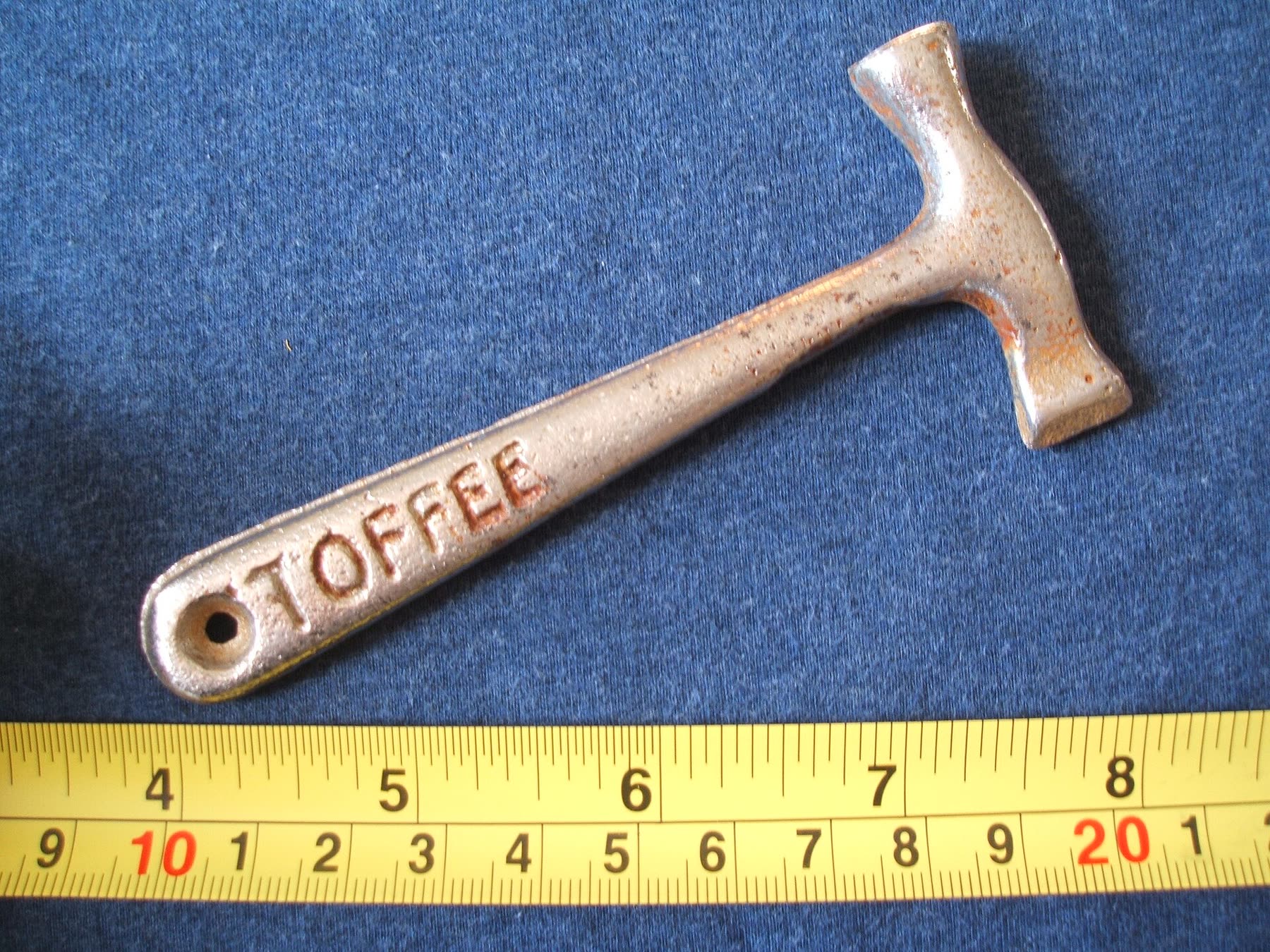
A toffee hammer is a small hammer designed specifically to break hard toffee slabs into bite‑sized pieces. Reference definitions describe it as a purpose‑built tool for toffee, often used with traditional slab or bonfire toffee sold intact.Source
Many brands package this as a set: a branded toffee slab plus a matching metal or wooden hammer, often in a gift box. UK‑based retailers and confectionery brands highlight this format in their online shops, selling “toffee hammer selection” boxes or “creamy toffee slab with hammer” gifts through their own ecommerce sites.Source
You’ll typically find toffee‑and‑hammer products in four kinds of online channels:
- Brand and specialty confectionery sites – Sweet shops and heritage toffee brands selling their own slab‑and‑hammer sets directly.
- Gift and gourmet retailers – Broader gift sites that stock a few toffee‑and‑hammer SKUs alongside other novelty sweets.
- Marketplaces for handmade and vintage – Platforms like Etsy where sellers may offer handmade hammers, customized gift sets, or vintage branded hammers.Source
- General marketplaces and wholesale platforms – eBay, Amazon and cross‑border sites where you’re more likely to see loose hammers, vintage collectibles, or bulk tools suitable for pairing with your own toffee.
For an Australian shopper, most of these will be online imports rather than domestic brands, so shipping cost and transit time will matter more than if you were buying locally in the UK.
How Different Platform Types Handle Toffee Slabs and Toffee Hammers
Different platform models treat “toffee and hammer” products in very different ways. Understanding the mechanics helps you avoid mis‑ordering the wrong thing – especially if you’re sourcing stock for a small store.
1. Brand sites and specialty confectionery retailers
These are direct‑to‑consumer shops run by a single brand or by a specialist sweet retailer. Operationally:
- Product role: The toffee‑and‑hammer set is usually a core branded product or a featured gift line.
- Pricing and quantity: Sold by the unit (one box at a time), sometimes with small multi‑pack discounts for gifting.
- Quality control: Recipes, branding, and packaging are standardized; you’re buying the identified version of that product from the brand or its chosen retailer.
This route fits:
- Hobby buyers who want a particular brand’s slab and hammer as a nostalgic or novelty gift.
- Small resellers only if they’re comfortable reselling finished retail products at smaller margins and dealing with import costs on each unit.
2. Handmade and vintage marketplaces (Etsy‑type platforms)
A marketplace like Etsy is built around handmade and vintage items, which is a good match for two niches: custom hammers and collectible toffee sets.
Operationally:
- Product role: Individual sellers list small‑run handmade hammers, personalized gift boxes, or vintage branded toffee hammers.Source
- Pricing and MOQ: Typically unit‑level pricing; you can often commission short runs by talking directly to the maker.
- Buyer–seller relationship: You’re dealing with a single artisan or small business, not the marketplace itself.
What this means for toffee and hammer:
- You might source custom‑engraved hammers to pair with your own toffee recipe.
- You can test limited edition gift sets without committing to factory‑scale quantities.
You’ll often find sellers using descriptive titles like “vintage toffee hammer” or naming well‑known British brands.Source Stock isn’t guaranteed, and “vintage” labeling doesn’t automatically prove authenticity, so you’ll need to read the listing details closely and check seller history before basing your own product line on what you see.
3. Big consumer marketplaces (eBay, Amazon and similar)
Marketplaces like eBay and Amazon host a mix of professional sellers, small shops, and individual resellers. For toffee and hammers, you’ll commonly see:
- Retail gift sets shipped from sweet shops or importers.
- Loose tools (small hammers) sold as kitchen or novelty items.
- Vintage collectibles where the hammer is the main attraction.Source
Operational notes:
- eBay leans heavily on seller ratings and reviews to help buyers gauge trustworthiness.Source
- Amazon and Etsy are often mentioned together in editorial pieces as common places to buy specialty sweets or baking gifts.Source
For an Australian micro‑brand, these platforms are useful in two ways:
- As a buying channel to import finished toffee‑and‑hammer sets and learn what kinds of packaging, messaging, and price points are visible to consumers.
- As a selling channel once you have your own product and want access to international buyers without building your own site from scratch.
4. Cross‑border wholesale and sourcing‑style platforms
If you’re less interested in the toffee itself and more in the hammer as a component, wholesale and sourcing platforms (AliExpress, Alibaba‑group sites, DHgate, and similar) can be relevant. These sites skew toward:
- Bulk quantities – boxes of small hammers or generic confectionery tools.
- Supplier catalogs – many factories or trading companies listing similar items.Source
Operational characteristics:
- You browse by product keyword (e.g., “mini hammer,” “toffee hammer,” “candy breaking tool”).
- You may negotiate quantity and packaging directly with the seller.
- Shipping is often cross‑border, with varying transit times and methods.
This is rarely the right place to buy the finished toffee‑and‑hammer gift as a consumer, but it can be sensible if you’re developing your own slab toffee brand and need a steady supply of hammers to include in the box.
Choosing the Right Platform Route for Your Toffee‑and‑Hammer Needs
The right platform depends on who you are and what you’re trying to achieve. Here’s a compact way to think about it:
| Buyer type | Best first stop | Why it fits toffee & hammer |
|---|---|---|
| Casual gift buyer | Brand/specialty confectionery sites | Finished slab‑and‑hammer gifts with the intended presentation. |
| UK nostalgia fan in AU | Brand sites or eBay/Amazon imports | Access to specific British brands and slab‑and‑hammer selections. |
| Artisan starting a micro‑brand | Etsy‑style handmade marketplace | Small runs of custom hammers and scope for collaboration with makers. |
| Online shop testing demand | eBay/Amazon marketplace listings | Ready‑made sets to resell and a quick feel for pricing and packaging norms. |
| Brand building own line | Cross‑border wholesale platforms | Bulk hammers to pair with in‑house toffee and more control over your brand. |
Scenario: hobby buyer vs small reseller
- Hobby or one‑off gift buyer (Australia): If you just want a fun slab‑and‑hammer gift, start with brand confectionery sites or major retailers that ship internationally. You’ll pay more per unit, but you get the intended experience with minimal complexity. Marketplaces like eBay can help if you’re hunting down a specific vintage hammer or a discontinued branded set.Source
- Small ecommerce seller or gift‑box brand: Think in layers. Use Amazon/eBay/Etsy to research how others present toffee‑and‑hammer sets (box size, hammer material, messaging), and buy a few to study in person. Then decide whether you’ll resell existing sets or create your own. If you go custom, a handmade marketplace helps you source small batches of distinctive hammers, while wholesale platforms help once you need larger quantities of tools on a repeat basis.SourceSource
Where cross‑border marketplaces – including DHgate – come in
Cross‑border marketplaces can be useful once your main need is components (the hammers) rather than finished sweets. Platforms in the Alibaba ecosystem and others like DHgate list many categories of small hardware and kitchen tools that can double as toffee hammers.Source This route makes the most sense if:
- You’ve validated demand for your toffee‑and‑hammer product.
- You know roughly how many hammers you’ll need in a year.
Because these are third‑party seller marketplaces, you’ll need to vet each supplier yourself: look at their track record, review counts, and product photos, ask detailed questions about materials and dimensions, and factor in Australian duties and GST on imported goods.Source For a broader understanding of how one of these marketplaces operates, see What DHgate is and how the marketplace works. If you’re comparing several sourcing sites side by side, Compare DHgate with AliExpress, Alibaba and Temu and Compare online marketplaces and shopping platforms can help you frame the differences at a platform level.
The key is to match your platform choice to your role: buy finished toffee‑and‑hammer sets from brand or gift sites if you just want to enjoy them; use marketplaces and wholesale platforms strategically if you’re building a business around them.