
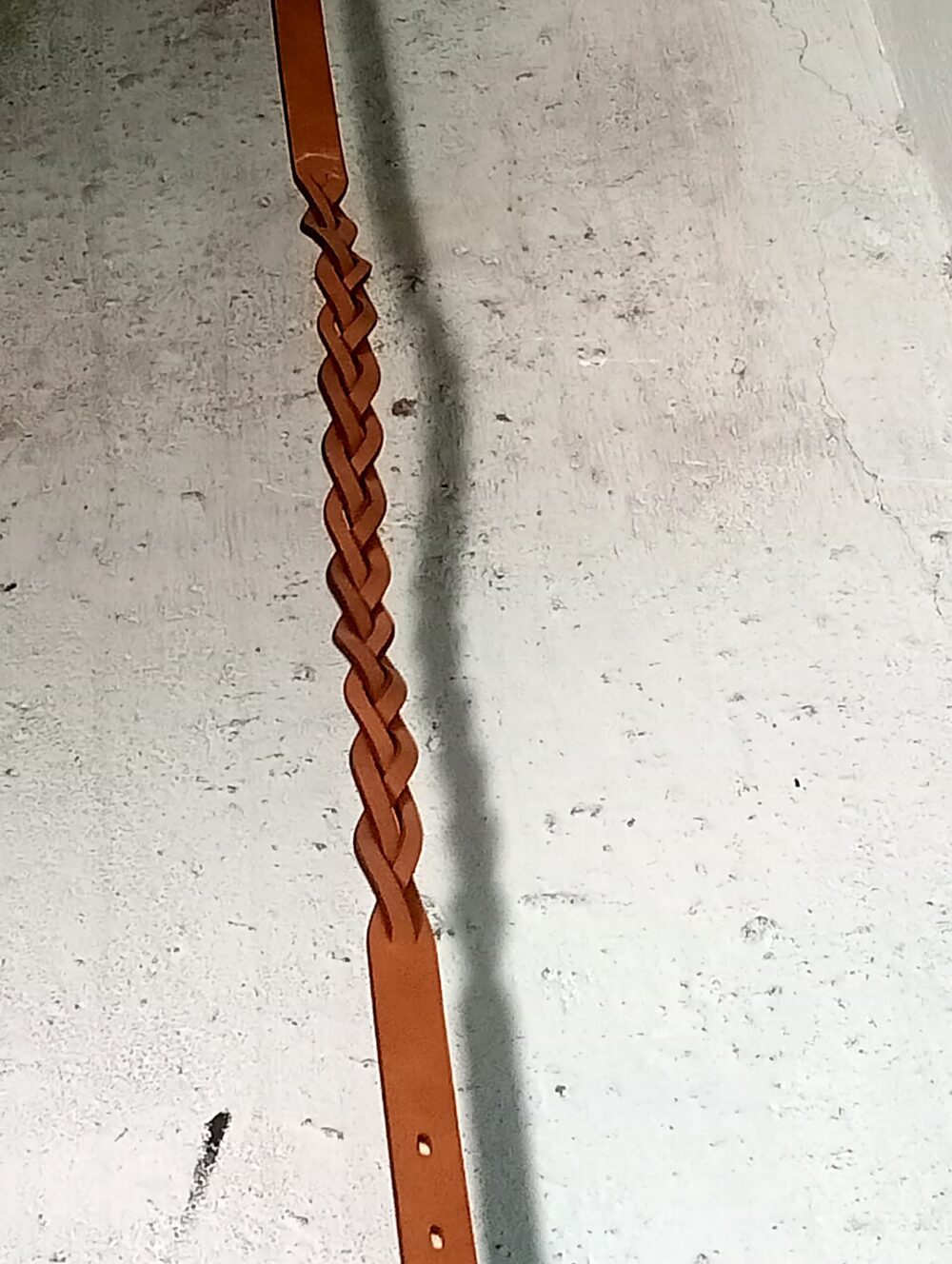
Rope and leather belt fashion sits in a sweet spot between polished and casual, and you’ll usually get the best results by mixing channels. For a few belts for yourself, US department stores, fashion labels and western/outdoor shops give you the clearest quality and fit. If you’re a small ecommerce seller testing this niche, broad marketplaces like Amazon or eBay can show you what sells, while supplier-style marketplaces or cross‑border platforms can become relevant once you know the exact styles and volumes you want.
Rope and Leather Belt Fashion: What It Is and Where It’s Sold
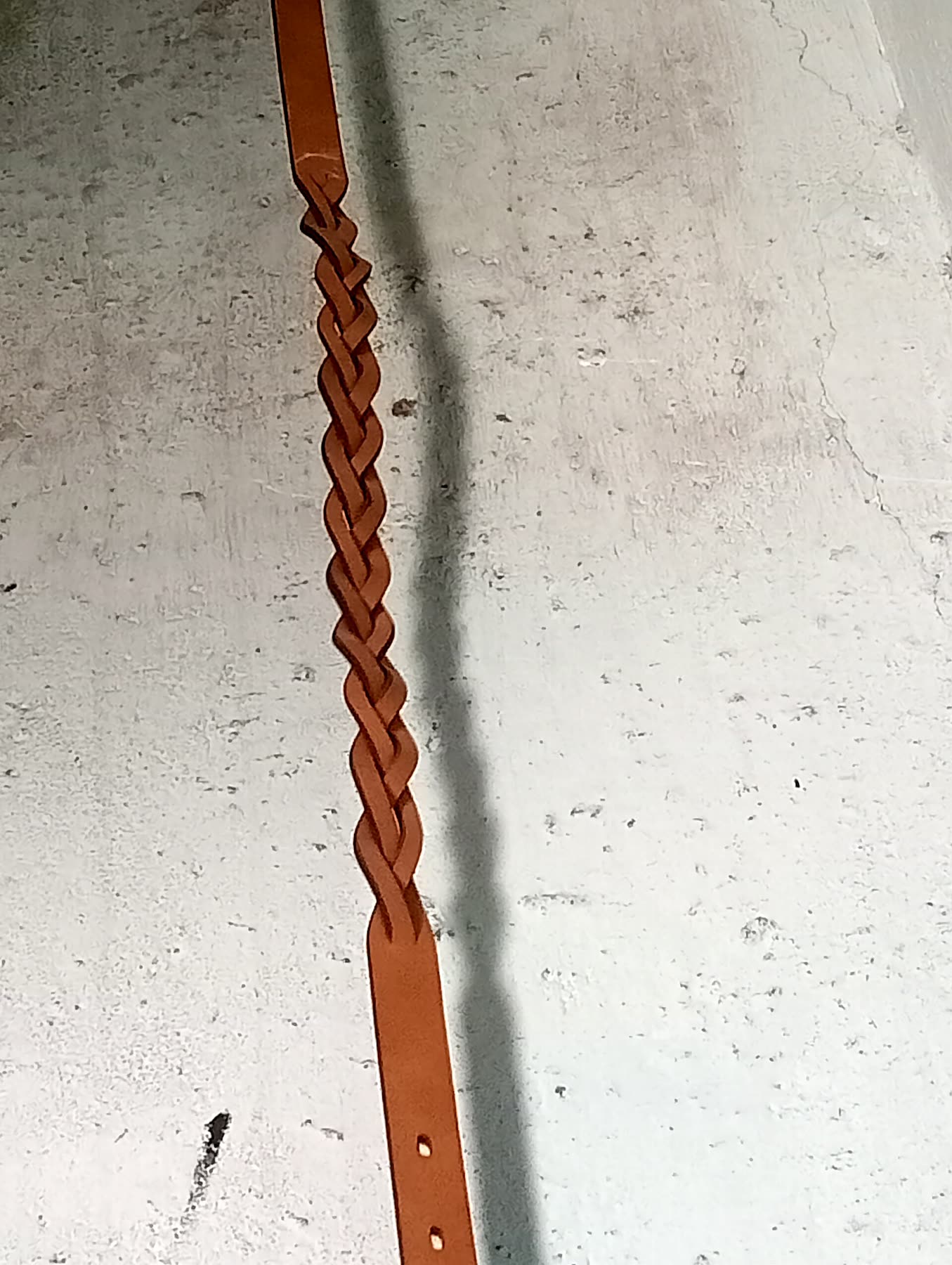
Rope belts and rope‑and‑leather belts use twisted or braided cord as the main visual element, sometimes combined with leather straps or tabs. They read nautical or boho on dresses and high‑waist pants, and more rugged when paired with denim or outdoor wear.
Mainstream retail does carry these. Macy’s lists rope‑and‑leather braided belts from Patricia Nash, such as the Istres style, which combines braided rope with leather for a textured, mid‑dressy look.Macy’s rope‑and‑leather example
Specialty leather brands lean into craft. Marakesh Leather Goods sells a rope‑design leather belt via its own ecommerce site, using leather to mimic the rope pattern while keeping the feel and durability of a leather accessory.Marakesh rope leather belt
On the fashion‑forward side, labels like Watson x Watson offer sculpted rope belts with exaggerated, natural‑fiber cords designed to cinch dresses and tunics.Watson x Watson rope belt Boutique brands such as Margaret O’Leary list rope belts that skew minimalist and coastal.Margaret O’Leary rope belt
Lifestyle and western retailers position rope belts differently. King Ranch Saddle Shop, a western/outdoor‑oriented store, sells a rope belt as part of its ranchwear accessories, signaling durability and a casual, outdoorsy aesthetic rather than pure runway trend.King Ranch rope belt
Fashion media confirms belts themselves are having a moment. Who What Wear’s 2025 trend coverage highlights belts—including textured and statement styles—as a key outfit finisher, which is exactly where rope and rope‑and‑leather designs fit. Who What Wear belt trends
Platform Types for Rope Belts: Retail, Marketplaces, and Supplier Sites
You’ll encounter rope‑style belts on three main platform types, and they behave differently from a buyer’s point of view.
1. Retail brand and department store sites
These include Macy’s and direct brand sites like Marakesh Leather Goods, Watson x Watson, and Margaret O’Leary. The retailer or brand controls product selection, imagery, and descriptions. You usually see limited but curated options: one or two rope‑and‑leather belts in a seasonal collection, or a single core rope belt.
For a personal buyer, this route makes sizing and styling decisions easier because each belt is positioned in context—styled with outfits, described in detail, and often tied to a brand sensibility (boho, coastal, western, etc.). For a small ecommerce business, these sites are useful for trend and price benchmarking, even if you won’t buy wholesale there.
2. Big consumer marketplaces
Broad marketplaces like Amazon and eBay aggregate many rope belt designs from different brands and unbranded sellers. Search results for terms like “brown rope belt” or “rope women’s hip belt” typically surface:
- Fabric or PU leather braided rope belts
- Highly decorative beaded or floral rope belts
- A mix of branded and unbranded listings
You trade curation for volume and variety. For a micro‑brand, that variety reveals what styles and price points are already crowded, and where there might still be room—e.g., higher‑end rope‑and‑leather hybrids versus inexpensive fabric cords.
3. Supplier and cross‑border marketplaces
Supplier‑style platforms are oriented toward bulk and cross‑border trade rather than single retail orders. They often carry:
- Unbranded rope belts ready for private labeling
- Variants in colors, cord thickness, and hardware meant for OEM buyers
DHgate’s own editorial blog discusses belts as affordable accessories, positioning the marketplace generally around value‑oriented belt sourcing rather than premium fashion.DHgate belt editorial That context matches how cross‑border marketplaces are typically used: as one route to reach factories and trading companies once you know the exact rope belt spec, target cost range, and volumes you’re comfortable experimenting with.
Quick Platform Comparison for Rope Belts
Here’s how those platform types stack up for this specific category:
| Platform type | Typical rope belt role | Best for buyer type |
|---|---|---|
| Dept. stores & brands | A few curated rope or rope‑and‑leather styles | Personal buyers; micro‑brands doing trend & quality checks |
| Fashion labels/boutiques | Statement rope belts tied to a clear aesthetic | Personal style shoppers; niche fashion resellers |
| Western/outdoor shops | Rope belts as lifestyle/ranch/outdoor accessories | Workwear/outdoor buyers; Americana‑focused sellers |
| Big marketplaces | Wide mix of rope, braided, and decorative belts | Deal‑seeking buyers; sellers scouting competition |
| Supplier-style marketplaces | Unbranded or OEM rope belts for bulk orders | Small brands testing private label or custom specs |
This is editorial judgment based on the examples above, not a guarantee of what any platform always stocks.
Choosing Your Route: US Retail vs Marketplaces vs Cross‑Border Sourcing
Your best platform choice depends on volume, budget, and how much risk you’re comfortable with.
If you’re buying 1-3 belts for yourself
Start with US department stores and brand sites:
- Use Macy’s and similar retailers for rope‑and‑leather belts that sit comfortably between casual and polished.
- Check specialty brands like Marakesh Leather Goods if you care about leather quality and craft detail.
- Browse fashion labels such as Watson x Watson or Margaret O’Leary for sculptural or minimalist rope belts that make more of a statement.
- Look at King Ranch Saddle Shop or comparable western/outdoor stores if your style leans ranchwear or workwear.
Big marketplaces are useful if you want the lowest price or an unusual decorative style, but you’ll need to sift through more mixed‑quality listings and pay closer attention to materials and photos.
If you’re a small ecommerce seller testing the rope belt niche
Use platforms in stages instead of jumping straight to cross‑border sourcing.
- Research on retail and fashion sites
Build a mood board from Macy’s, Marakesh, Watson x Watson, Margaret O’Leary, and King Ranch. Note cord thickness, color palettes, hardware styles, and how these belts are styled in photos.
- Market check on Amazon/eBay and similar marketplaces
Search for rope belts and rope‑style braided belts. Look at how many listings cluster around ultra‑low prices and basic construction. That helps you decide whether to differentiate with higher‑end rope‑and‑leather builds, western positioning, or more fashion‑forward silhouettes.
- Only then consider cross‑border sourcing
Supplier‑style marketplaces, including platforms like DHgate, may make sense if:
- You already have a specific rope belt design or reference image.
- You’re comfortable placing test orders and evaluating samples yourself.
- You accept longer timelines and more hands‑on vetting in exchange for potential cost savings.
When you use any cross‑border marketplace, treat listing and seller checks as your responsibility: compare material descriptions carefully, request detailed photos when possible, and start with small, non‑critical orders before committing to a full run.
Where DHgateWiki can help in the next step
If you decide that cross‑border sourcing might belong in your mix, it’s worth understanding how different marketplaces work and how they compare. You can read a neutral explainer of what DHgate is and how the marketplace works and a broader overview that helps you compare online marketplaces and shopping platforms. Those pieces are useful context before you put real money behind a rope belt experiment.
For many US buyers and small sellers, though, rope and leather belt fashion will remain a hybrid strategy: use US retail and fashion sites to get the design right, big marketplaces to validate demand, and only then explore cross‑border platforms if the numbers and effort still add up.