
Robes and dressing‑room furniture are sold on three main types of online platforms: everyday retail marketplaces, cross‑border wholesale marketplaces, and specialist furniture/closet retailers. The best route depends on whether you’re outfitting a single bedroom, a boutique fitting area, a theater backstage space, or a formal robing room for judges or clergy—and on whether you’re buying one‑off pieces or stocking inventory for a business.
For US shoppers and small ecommerce sellers, a quick way to decide is this: if you only need a couple of robes or a vanity, large retail sites and department‑store ecommerce are usually the simplest. If you’re ordering dozens of robes or multiple runs of custom fixtures, wholesale and cross‑border marketplaces can make financial sense, but they add complexity and risk. The rest of this guide breaks those choices down.
What Are Robing and Dressing Rooms, and What Do Buyers Actually Need?
Robing and dressing rooms sound similar but serve different roles, which changes what you should be buying.
A robing room is a private space where people put on ceremonial robes before official proceedings. Common examples include judges donning judicial robes in a courthouse, or clergy preparing vestments before a service. These rooms focus on privacy, secure storage for formal garments, and occasionally modest seating, but not retail-style changing or display.
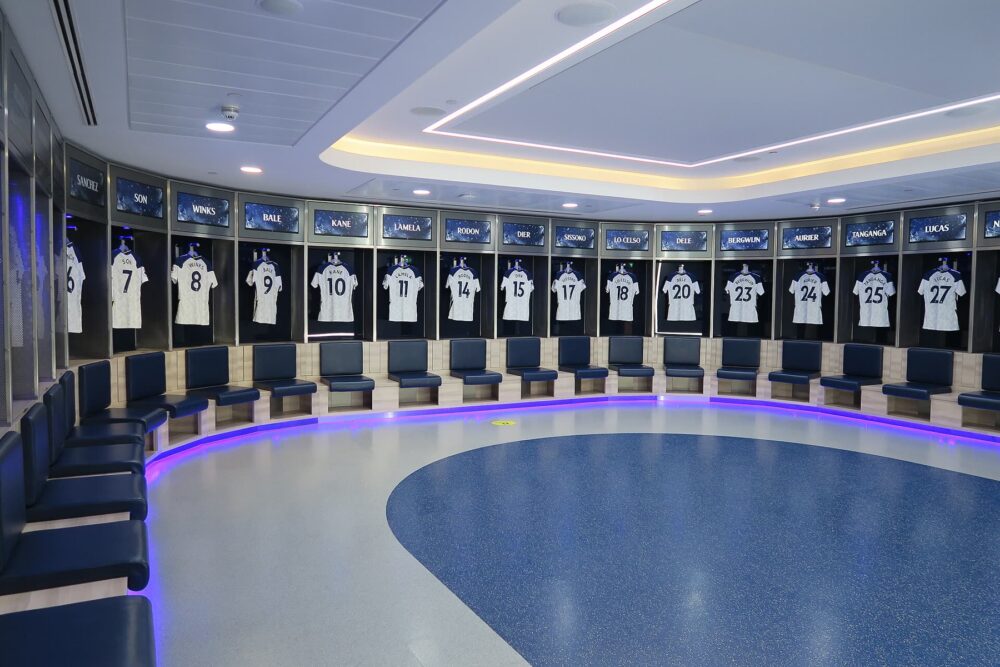
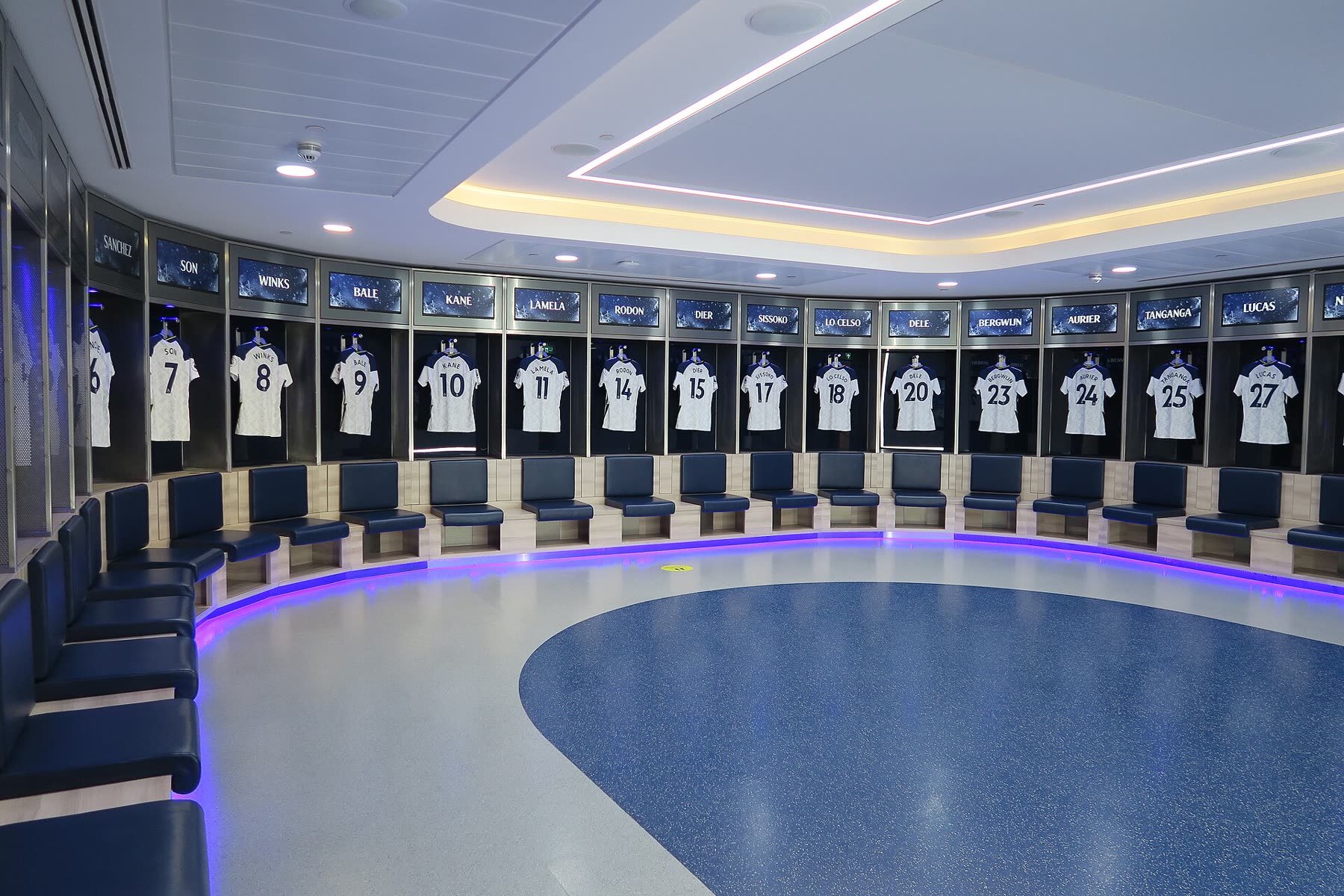
A dressing room, by contrast, is any area used for changing clothes that’s tied to performance, shopping, or everyday living. Apparel-focused sources describe dressing rooms as spaces in which customers or performers try on garments or costumes before use.Dressing room overview Backstage dressing rooms in theaters, for example, provide performers with space for costume changes and preparation before and during shows.Theater dressing rooms
Residential dressing rooms and walk‑in closets are yet another variant. Custom-closet designers emphasize storage systems, seating, mirrors, and lighting—not ceremonial robes—as the core elements.Residential dressing rooms That means most home buyers are really shopping for:
- Wardrobes, hanging rails, and built‑in or modular closet systems
- Dressers, vanities, and seating (stools, benches, small armchairs)
- Full‑length mirrors and good task lighting
- Everyday robes (bathrobes, loungewear) and occasionally specialty garments
Business buyers—boutiques, salons, gyms, theaters—usually need similar components but with higher durability and, in the US, an eye on accessibility regulations. The Americans with Disabilities Act (ADA) has guidance for dressing, fitting, and locker rooms.ADA dressing/fitting room overview This doesn’t tell you which platform to use, but it does mean you should consider compliant layouts and fixtures when sourcing furniture for customer-facing spaces.
In short, before you pick a platform, clarify whether you’re outfitting:
- A ceremonial robing room (formal robes, secure storage)
- A performance or retail dressing room (costume or clothing changes)
- A home dressing area or walk‑in closet (storage and comfort)
Each leads you to slightly different product sets and platform types.
Platform Types for Robes and Dressing‑Room Furniture
Most robes and dressing‑room furnishings online fall into three channel types. They overlap, but they’re built for different buying patterns.
1. Retail marketplaces and department‑store ecommerce
Large retail marketplaces (like Amazon and Walmart) and department‑store sites (such as Nordstrom Rack’s online store) typically list single units of robes, dressers, vanities, mirrors, and basic seating. Search results show these platforms carrying everything from cotton bathrobes to standard bedroom furniture and small accent pieces.
These sites are designed for:
- Individual buyers outfitting a home dressing area or buying one or two robes
- Small businesses testing a concept with minimal upfront investment
- Quick delivery of generic furniture that doesn’t need customization
Pros:
- Easy browsing and fast checkout
- Wide range of styles and price points
- Familiar brands for robes and furniture
Cons:
- Limited support for bulk discounts or custom builds
- Harder to coordinate a cohesive, large installation (e.g., outfit ten fitting rooms identically)
2. Wholesale marketplaces (domestic and cross‑border)
These platforms are built around:
- Bulk ordering (dozens or hundreds of robes, multiple furniture sets)
- Direct negotiation with individual suppliers
- Cross‑border sourcing where production happens overseas
Pros:
- Potentially attractive unit pricing for larger orders
- Access to factories and trading companies for private‑label robes or custom fixtures
Cons:
- Longer timelines from order to delivery
- More work vetting individual suppliers and samples
- Complexity around import duties and logistics for US buyers
3. Specialist furniture and closet retailers
Specialist online retailers and design firms focus on furniture and storage systems, especially for bedrooms and dressing rooms. Closet and dressing‑room companies highlight tailored layouts with built‑ins, lighting, and seating.Residential dressing rooms
These sites are best for:
- Homeowners upgrading a primary bedroom suite or walk‑in closet
- Boutiques wanting a polished customer dressing area with cohesive design
- Buyers who value design services and installation support
Pros:
- Products designed specifically for dressing rooms and closets
- Options for custom sizing, finishes, and professional installation
Cons:
- Narrow product focus (usually furniture, not robes)
- Higher average project cost than buying ready‑made pieces from mass retailers
Quick comparison of platform types
| Platform type | Best for | Typical quantity |
|---|---|---|
| Retail marketplaces / dept. stores | Home buyers, small shops, one‑off buys | Single pieces or few |
| Wholesale marketplaces (incl. cross‑border) | Bulk robes, multiple furniture sets | Dozens or more |
| Specialist furniture / closet sites | Designed dressing rooms and closets | Project‑based, set bundles |
Choosing the Right Platform Route for Your Robes or Dressing Room Project
Once you know what kind of space you’re outfitting and roughly how many pieces you need, you can match scenarios to platforms.
Scenario 1: A home dressing room or walk‑in closet
If you’re a US homeowner creating or updating a dressing room:
- Use retail marketplaces and department‑store sites for robes, mirrors, small seating, and stand‑alone dressers. They offer familiar brands, and you can mix and match until the room feels right.
- Consider specialist closet/dressing‑room retailers if you want built‑in storage, coordinated finishes, and help planning lighting and seating around the space. These platforms don’t usually sell robes, so you’d still buy garments separately.
Cross‑border wholesale marketplaces are rarely worth the effort here unless you’re ordering a large number of identical items for a rental property portfolio or similar project.
Scenario 2: Retail fitting rooms, salons, gyms, or spas
For customer‑facing dressing or fitting rooms, US businesses have three priorities: durability, aesthetics that match the brand, and accessibility-aware layouts. The ADA publishes guidance on dressing, fitting, and locker rooms that you should consider in your designs.ADA dressing/fitting room overview
A practical routing:
- Furniture and fixtures: Start with specialist furniture or closet retailers for benches, hooks, mirrors, and storage systems that can handle daily use. If budget is tight, supplement with sturdy pieces from big retail marketplaces.
- Robes and garments: For small quantities of branded robes, retail marketplaces and department stores are simple. If you need branded robes for staff or customers in bulk—like spa robes with your logo—wholesale marketplaces (including cross‑border options such as Alibaba or DHgate) can be relevant for sourcing large runs at lower per‑unit cost. Expect more work on supplier selection, samples, and timelines.
Scenario 3: Theater, performance, and backstage dressing rooms
Performance dressing rooms juggle costumes, quick changes, and high traffic.Theater dressing rooms For these projects:
- Use specialist furniture retailers or commercial furniture suppliers for benches, tables, and heavy‑duty storage. You need pieces that tolerate constant use and sometimes tight backstage layouts.
- Source robes, costume underlayers, and basic garments from retail marketplaces for small ensembles, or from wholesale marketplaces for touring companies or venues outfitting large casts.
If your venue has ceremonial robing spaces (for example, for clergy during performances in a religious setting), the furnishings needs are modest—secure wardrobes and quiet seating—so retail furniture platforms are usually sufficient.
Scenario 4: Institutional robing rooms (courts, churches)
Institutional robing rooms are niche and often governed by internal protocols rather than ecommerce. The garments themselves may be obtained from specialty robe makers or denominational suppliers, sometimes offline.
For the surroundings—wardrobes, lockers, seating, and mirrors—specialist furniture sites and mainstream retail marketplaces are the most straightforward. Wholesale marketplaces are mainly relevant if an institution is ordering a large batch of generic storage units or seating for multiple rooms.
Where cross‑border wholesale platforms help—and where they don’t
Cross‑border wholesale marketplaces (for example, Alibaba or DHgate) are most useful when:
- You’re a small ecommerce seller planning to resell robes or dressing‑room accessories and need inventory in bulk.
- You’re outfitting many dressing areas at once and standardizing fixtures or garments.
They are a poor fit when:
- You only need a handful of items and care about quick, predictable delivery.
- You need design help, installation, or clear guidance on US accessibility rules.
If you’re weighing cross‑border options against domestic marketplaces, it can help to look at broader platform mechanics first; the overview here pairs well with a more general comparison of marketplace structures like online marketplaces and shopping platforms and a higher‑level look at DHgate vs AliExpress, Alibaba and Temu.
For most robe and dressing‑room projects, though, your starting point is simple: decide whether you’re buying one room’s worth of furnishings or many—and then pick the platform type that matches that scale.