
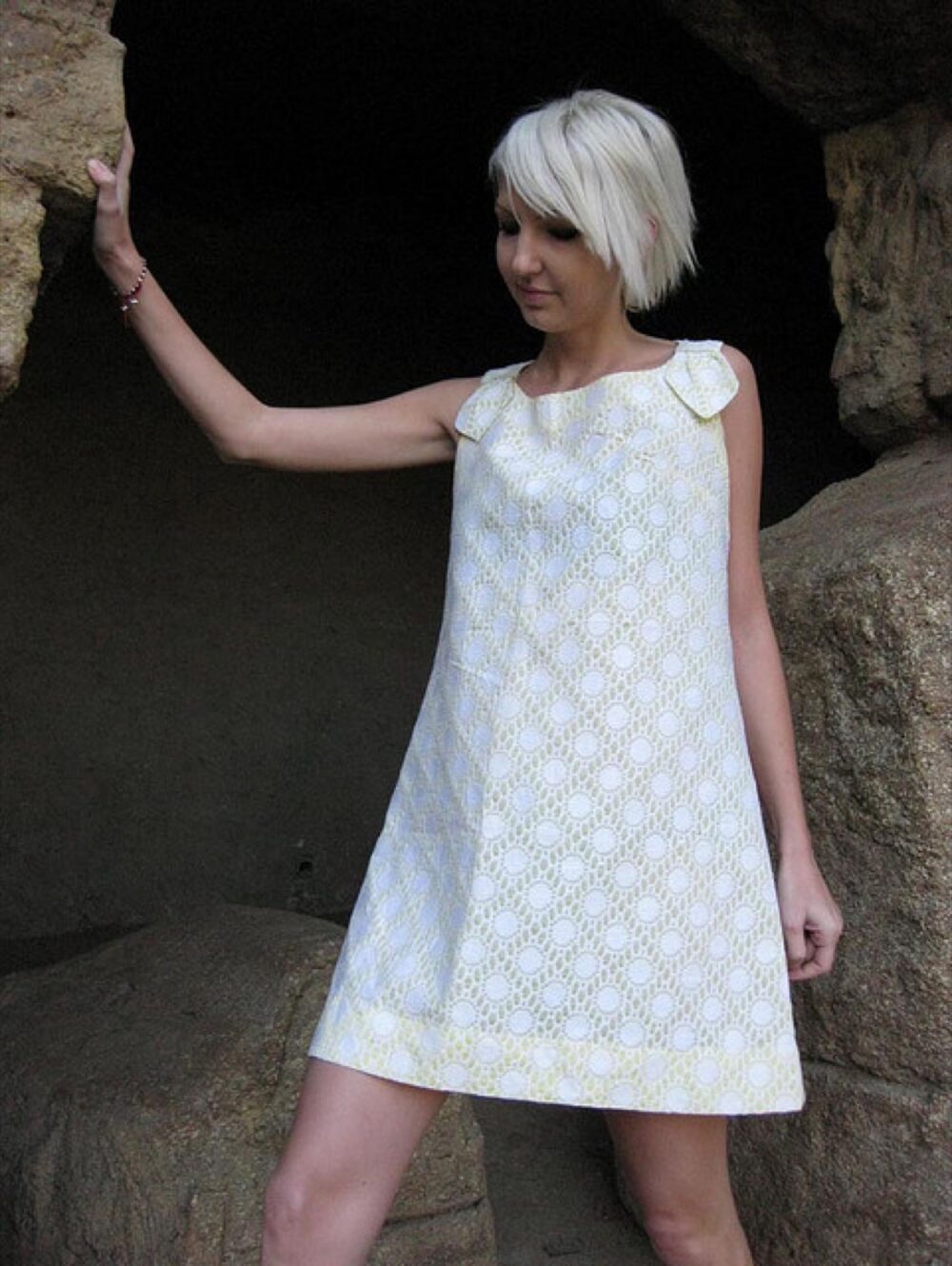
If you’re hunting for vintage 70s shift dresses, most real options fall into four buckets: thrift chains and local vintage shops, online marketplaces like Etsy and eBay, curated vintage platforms such as Ruby Lane, and modern brands making 70s-inspired shift dresses rather than true vintage. Thrift and vintage boutiques are best for unique, lower-priced finds if you’re willing to dig. Online marketplaces give you a wide era and size range, while curated sites trade volume for tighter focus on authentic, higher-quality pieces. Retro-inspired brands and global marketplaces are better when you need repeatable stock, not one-off originals.
The Main Ways to Shop for Vintage 70s Shift Dresses
For actual 1970s dresses, your starting point is almost always secondhand channels.
1. Thrift chains and charity shops US buyers often start with places like Goodwill-style chains or local charity stores. Inventory is unpredictable, but thrifting is popular partly because it’s more sustainable and you can uncover genuinely old pieces at lower prices. A rack of anonymous poly-blend dresses might hide a bold geometric 70s shift if you’re patient.
Editorial context on the rise of thrifting for retro pieces echoes this: vintage stores and thrift shops are described as “treasure troves filled with unique items carrying the charm of their era,” and thrifting is noted for its sustainable edge and the potential to uncover retro treasures.Elevate Your Style This Holiday
2. Independent vintage boutiques Brick-and-mortar vintage shops and consignment boutiques curate what thrift stores leave scattered. They may group clothing by decade, fabric, or silhouette, so you can quickly spot 60s/70s shift dresses. Prices tend to be higher than thrift but still accessible, and you’re paying for the owner’s eye and the time saved.
3. General online marketplaces with vintage sellers Online vintage-focused platforms extend that hunt worldwide. Etsy is a major marketplace for vintage clothing, with many independent sellers offering pieces from multiple eras, including 70s dresses. You’ll also find vintage 70s shift dresses listed on broad marketplaces like eBay, often by small resellers or estate-clearance sellers.
4. Retro-inspired brands and new production If you like the 70s look but don’t need a dress that actually lived through the decade, modern labels can be easier. ModCloth, for example, sells new, vintage-inspired dresses—often featuring retro prints, relaxed silhouettes and details that echo past eras.Where to Find Affordable and Authentic 50s Dresses Many mainstream retailers also launch 70s-inspired capsules from time to time, with loose, straight shift shapes, big florals or psychedelic prints.
These new pieces aren’t “vintage” in the strict sense, but they give you the shift shape, era feel and modern sizing consistency.
How Each Platform Works for One-Off Finds vs Repeatable Stock
The way platforms handle listings and inventory matters a lot, especially if you’re sourcing for a small shop versus your own closet.
One-off listings and unique pieces
On thrift shops and local vintage boutiques, every dress is essentially a one-off. You find it, you buy it, and once it’s gone, it’s gone. That’s perfect if you want a single 70s shift dress for yourself or a costume, but it’s hard to build a consistent product line.
On Etsy and eBay, independent sellers typically list unique vintage pieces individually with their own photos, measurements and descriptions. You can:
- Search directly for terms like “1970s shift dress” or “70s mod shift”.
- Filter by size, fabric, or color within a seller’s shop.
This structure suits personal buyers and small resellers who don’t need multiples of the same exact dress. You might buy a one-off 70s floral shift and resell it as a single hero item.
Curated sites like Ruby Lane are closer to online vintage boutiques: more curation, fewer random modern items, and a stronger focus on authentic vintage garments.
Retro-inspired and repeatable inventory
If you’re building a micro-brand or a themed shop and you need predictable stock, platforms that sell new or reproduction pieces are easier.
- Retro-inspired brands like ModCloth create new dresses that reference vintage silhouettes. You can usually reorder the same style or buy several sizes at once, which is attractive for ecommerce sellers needing consistent listings and modern size charts.Where to Find Affordable and Authentic 50s Dresses
- Many mainstream brands featured in Age-of-Aquarius style roundups (Free People, Urban Outfitters, Anthropologie, Reformation, etc.) sprinkle 70s-style pieces through their collections, though not always as pure shift dresses.Unlocking the Meaning Behind Age Aquarius Lyrics
Platform comparison for 70s shift dress sourcing
Here’s a simplified view of how these channels differ operationally:
| Channel type | Authentic 70s possible? | Listings or stock style | Better for one-off outfits | Better for repeatable stock |
|---|---|---|---|---|
| Thrift/charity shops | Yes, if you get lucky | In-store, unstructured racks | Very strong | Weak |
| Local vintage boutiques | Yes | Curated racks by era/style | Very strong | Limited |
| Etsy / eBay vintage sellers | Yes | Individual seller listings | Very strong | Limited |
| Curated vintage (Ruby Lane) | Yes | Highly curated online catalog | Strong | Very limited |
| Retro-inspired brands (e.g., ModCloth) | No (new, 70s-style) | Standard product catalog | Good if repro is fine | Strong |
As a small reseller, that distinction—authentic but one-off versus reproducible but new—drives your sourcing strategy.
Choosing the Best Route for Your 70s Shift Dress Needs
Different buyers should bias toward different platforms.
Scenario 1: You’re a US buyer wanting an everyday 70s shift
If you just want a single dress to wear:
- Start with local thrift and vintage boutiques for lower-cost, sustainable finds with real history.
- Back that up with Etsy vintage sellers, where you can see measurements and styling before you commit.Where to Find Affordable and Authentic 50s Dresses
This combo balances price, personality and the chance of finding an authentic 70s shift.
Scenario 2: You need event or costume pieces
For themed parties, theater, or Halloween where the vibe matters more than strict authenticity:
- Check Etsy and eBay for clearly labeled 70s vintage and 70s-inspired dresses.
- Consider retro-inspired brands like ModCloth and similar labels if you need modern fabric and sizing but a 70s feel.How to Find the Perfect 70s Prom Dress
You’ll have an easier time matching sizes and buying multiple dresses that look consistent on stage or in photos.
Scenario 3: You’re a small ecommerce seller stocking 70s shift-inspired styles
Resellers face a tougher trade-off:
- If your brand promise is true vintage, you’ll likely rely on steady thrifting, local vintage wholesaling, and online vintage marketplaces like Etsy and Ruby Lane. Margins can be strong, but every piece is unique and sizing inconsistent.Online Vintage Stores
- If your concept is “70s-style” rather than “1970s-made,” sourcing from retro-inspired brands and global online marketplaces gives you repeatable SKUs and more predictable fits.
Global marketplaces such as DHgate are typically used in this second scenario. They tend to carry retro-inspired clothing and bulk-friendly listings rather than one-off authentic 1970s dresses. For US-based small businesses, that makes DHgate more relevant if you’re looking to import 70s-style shift dresses in quantity (for example, a recurring geometric-print shift) than if you’re curating true vintage.
If you’re weighing that route against other marketplace options, it can help to also look at broader coverage of platforms—for example, DHgateWiki’s hubs on online marketplaces and shopping platforms and on what DHgate is as a marketplace—when you’re comparing how different channels fit your sourcing model.
For strictly authentic vintage 70s shift dresses, though, your most reliable pipeline remains the mix of thrifting, dedicated vintage boutiques, and seller communities on platforms like Etsy and Ruby Lane. Use modern brands and cross-border marketplaces when your business model tilts toward 70s-inspired aesthetics and repeatable, new stock rather than one-off time capsules.