
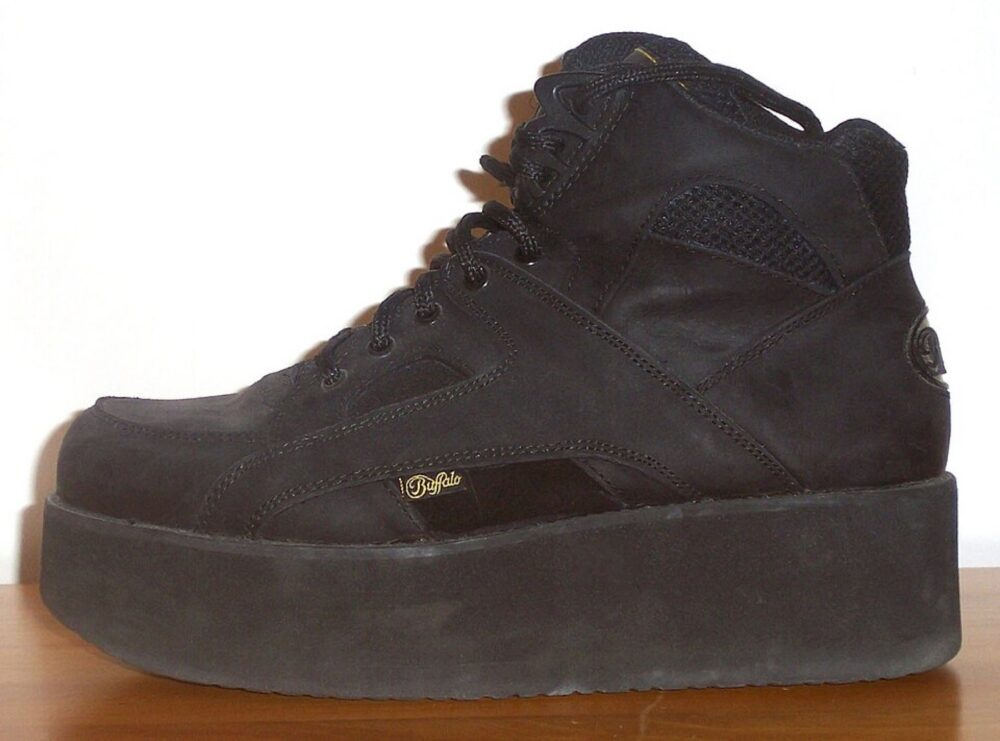
Pastel and goth platform boots are easiest to find on two kinds of platforms: niche alt‑fashion retailers that curate the aesthetic for you, and big marketplaces where countless independent sellers list their own takes. The best route depends on whether you’re buying one pair for yourself or trying to source inventory for a small store. Single-pair buyers usually get better sizing consistency and materials from alt-fashion retail sites; resellers often trade some of that predictability for lower prices and more variety on marketplaces and supplier platforms.
Where Pastel and Goth Platform Boots Actually Live Online
Platform boots have been around since the 1970s and became strongly associated with punk, goth, and grunge scenes before spreading into mainstream fashion in many heights and materials.Source Pastel goth layered on top of that — an aesthetic that blends classic goth motifs (bats, crosses, skulls) with soft colors like lavender, mint, and baby pink to create a “creepy‑cute” look.Source
Once you focus specifically on pastel and goth platform boots, the online market falls into a few clear clusters:
- Alt‑fashion boutiques. Sites that live in this niche build entire shoe categories around pastel goth. For example, KawaiiVibe’s pastel goth shoes collection and brands highlighted in pastel goth guides often stock platforms, creepers, and chunky boots in baby pink, lilac, and black.
- Named goth/pastel goth shops. Retailers referenced in pastel‑goth explainers, such as those on Goth Apparel, typically carry Demonia‑style boots, fluffy pastel platforms, and buckle-heavy black boots in both pastel and dark colorways.
- Niche alt boot retailers. Stores like TragicBeautiful list specific pastel platform boots (for instance, pink holographic knee‑high platforms inspired by classic alt brands), showing how these styles sit alongside darker goth boots in curated catalogs.Source
- Mass marketplaces. Platforms like Amazon or eBay host individual sellers offering pastel goth platforms — including secondhand or discontinued styles — mixed in with generic “goth” boots.
- Smaller global fashion sites. Cross‑border boutiques and Lolita/pastel shops list kawaii or pastel goth platforms on their own ecommerce sites, often shipping worldwide.
If you simply search for “pastel platform boots,” you’ll see pins and social posts first. Actual buyable inventory concentrates on those alt‑fashion retailers and large marketplaces — and they behave very differently once you’re trying to compare pairs or source in bulk.
Retail vs. Marketplace vs. Supplier Platforms for Pastel/Goth Boots
You can roughly divide your options into three platform types: retail stores, consumer marketplaces, and supplier/B2B marketplaces.
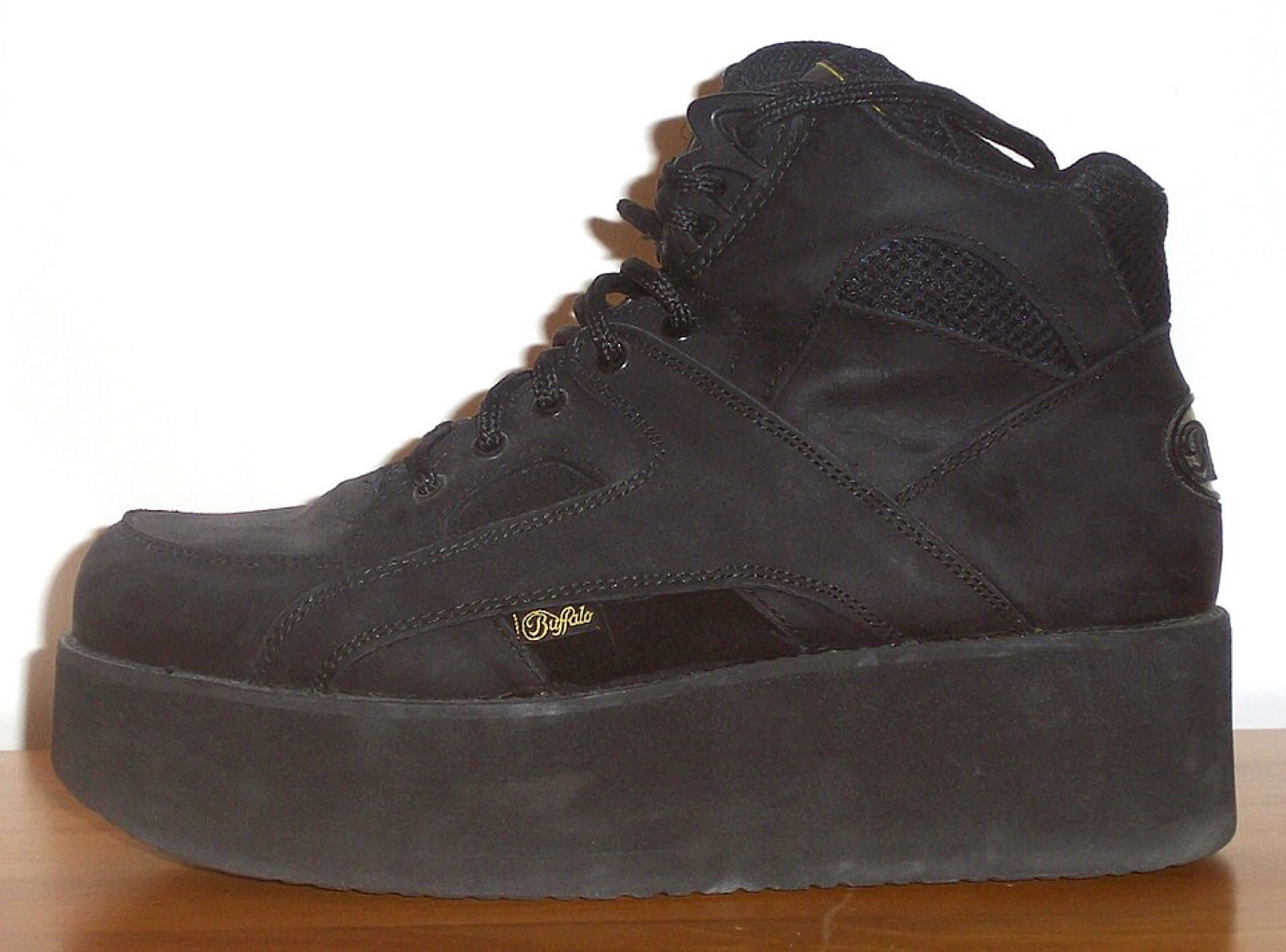
Here’s how they differ for pastel and goth platform boots:
1. Alt‑fashion retail sites
These are standalone stores that buy inventory and resell it to you.
- Model: You buy directly from the brand or boutique; they own the product and set consistent sizing charts and photography.
- Strengths for pastel/goth boots: Curation. Pastel goth retailers like PastelKitten and KawaiiVibe build collections specifically for this aesthetic, which makes it easy to find baby‑pink platforms with bat wings or goth boots with heart buckles without wading through irrelevant styles.
- Pricing: Typically retail; margin is built in, but you’re paying for consistent quality and a clear returns process.
- Cross‑border behavior: Many are based outside the US. Heavy platform boots can mean noticeable shipping costs and slower transit, but at least you know who actually shipped the product.
2. Consumer marketplaces (Amazon, eBay, Etsy, etc.)
Marketplaces host many independent sellers under one umbrella.
- Model: You’re buying from third‑party sellers, not from the marketplace itself. Listings vary wildly in photos, materials, and sizing.
- Strengths for pastel/goth boots: Sheer variety. Marketplace searches often surface:
- Demonia‑inspired pastel platforms listed by resellers
- Handmade or customized pastel goth boots on Etsy
- Secondhand or out‑of‑print styles re‑sold on eBay
- Pricing: Wide range. You’ll see budget synthetics next to branded alt shoes. This can be attractive for small resellers looking for margin, but scouting takes time.
- Cross‑border behavior: Sellers may ship from the US, Europe, or Asia. For heavy boots, shipping and potential return postage can quickly erase any apparent savings.
3. Supplier and B2B marketplaces
This category covers global platforms where you’re usually buying closer to the source: factory‑linked sellers, small manufacturers, or trading companies.
- Model: Listings often target bulk buyers or small stores. Some will accept single‑pair orders, but the real value is in batches.
- Strengths for pastel/goth boots: Access to unbranded or white‑label designs. You can find gothic platforms with spikes, chains, or pastel uppers that aren’t tied to mainstream brands, which is useful if you want your own label or unique catalog.
- Pricing: Per‑pair prices can be lower at scale, but you may face minimum order expectations, negotiation, and separate shipping arrangements.
- Cross‑border behavior: These platforms are largely cross‑border by design. That magnifies all the usual issues with heavy footwear — dimensional weight for shipping, longer lead times, and complex returns.
Quick comparison by platform type
| Platform type | Best for pastel/goth boots | Typical buyer role | Variety vs. predictability |
|---|---|---|---|
| Alt‑fashion retail site | On‑trend pastel goth platforms, Demonia‑style boots | Individual buyer, small shop buying retail | Lower variety, higher predictability |
| Consumer marketplace | Mix of branded, handmade, and secondhand styles | Individual buyer, small reseller | Very high variety, uneven predictability |
| Supplier/B2B marketplace | White‑label gothic/pastel platforms in bulk | Small ecommerce business, boutique sourcing | High variety at design level, requires vetting |
Choosing the Right Platform for Your Pastel/Goth Boot Scenario
The right channel depends heavily on what you’re trying to do.
If you’re a US buyer wanting one pair
You’ll usually have fewer headaches with alt‑fashion retail sites and well‑known goth/pastel shops:
- They build collections specifically around pastel goth, so you don’t need 50 search filters to find a lavender platform boot that actually matches the aesthetic.
- Sizing charts and product photography tend to be consistent across the catalog.
- You can cross‑reference pastel goth fashion guides (like this overview) with what the shop sells, so your outfit and boots line up.
Marketplaces like Amazon or eBay are still useful if you’re hunting a specific discontinued Demonia colorway or secondhand platforms, but expect more variance in fit and materials.
If you’re a small ecommerce seller testing inventory
For a US‑based microbrand or Depop/Shopify seller, the trade‑off is different.
- Alt retailers: Buying retail pairs from pastel goth boutiques to resell leaves little margin, but it’s low‑risk for quality and fit.
- Consumer marketplaces: Sourcing from marketplace sellers (new or secondhand stock) can create better margins but demands careful listing checks.
- Supplier/B2B marketplaces: Once you’re confident you can sell platforms, exploring supplier‑style marketplaces (including global sites like Alibaba or DHgate) lets you test unbranded pastel or goth boots in small batches.
On those global marketplaces, treat each seller like its own tiny store:
- Read past buyer feedback on the exact boot design where available.
- Compare multiple listings of similar pastel goth platforms to see which use clearer photography and consistent descriptions.
- Ask for real‑life photos or material breakdowns before committing to a batch, especially for heavy boots where returns are painful.
If you need a clearer sense of how a marketplace like DHgate operates generally before you dip into sourcing, it’s worth skimming an explainer such as What DHgate is and how the marketplace works, or a higher‑level overview like Compare online marketplaces and shopping platforms. Those pieces help you understand the difference between consumer marketplaces and supplier‑leaning platforms, which matters once you’re talking about dozens of heavy pairs instead of one.
If you’re planning larger sourcing runs
Once you move beyond a test batch into full inventory buys for a US shop:
- Supplier/B2B marketplaces and direct factory sites become more attractive, because you can work toward custom colors, hardware, or branding on pastel and goth platforms.
- You’ll need to factor in realistic lead times and landed costs — platform boots are bulky, so dimensional weight and cross‑border logistics can reshape your margin.
- Mixing channels can make sense: use alt‑fashion retail for high‑impact display pieces or trend scouting, marketplaces for opportunistic buys, and supplier platforms for repeatable core styles.
For comparing specific marketplace ecosystems (like DHgate vs. AliExpress or Alibaba) at a more structural level, you can step back to a broader comparison such as DHgate vs. AliExpress, Alibaba and Temu. That kind of reference doesn’t tell you which exact pastel boot to buy, but it does help you pick the right channel family before you start negotiating over platforms and colors.
The key is to decide upfront whether you’re shopping like a consumer or sourcing like a buyer for a business. Pastel and goth platform boots exist in both worlds; choosing the right platform type keeps the aesthetic fun while keeping your risk tolerable.