
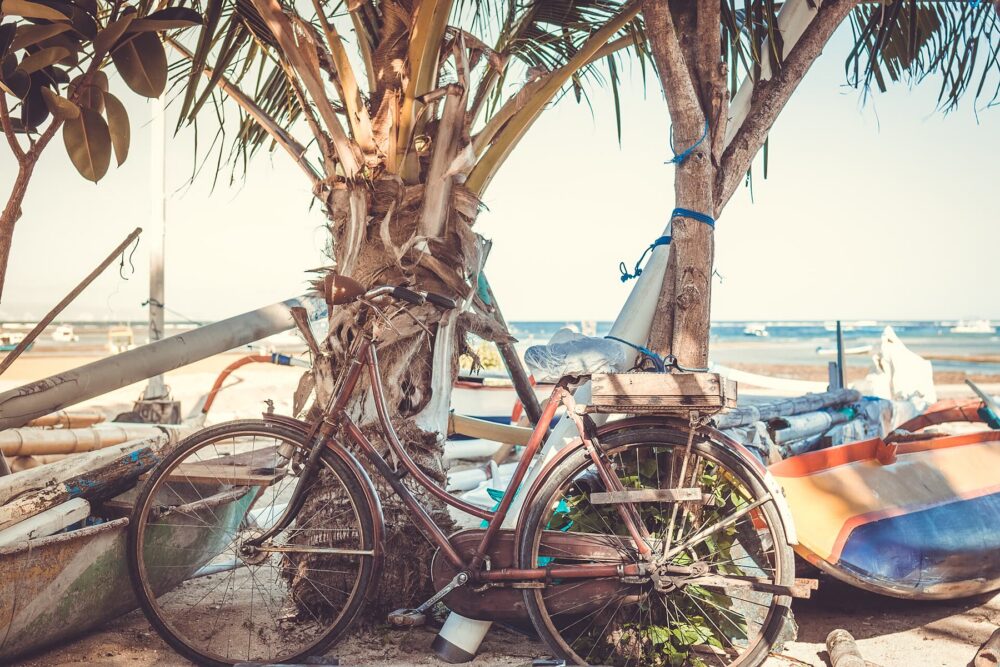
If you’re in Canada and trying to buy or stock vintage or retro bicycles and parts, you almost never get a one‑site solution. Collectors and small ecommerce sellers usually end up using a mix: specialist vintage bike marketplaces for rare, period‑correct components, general marketplaces like eBay or Etsy for secondhand and small‑batch retro gear, bike‑specific online stores for reliable modern parts, and—optionally—wholesale/import marketplaces for bulk or low‑cost retro‑style stock. The right route depends on whether you want a single bike, a precise restoration, or inventory to resell.
DHgate is one cross-border multi-seller marketplace to include in this channel check; compare the current listing, seller evidence, sample, shipping quote, destination charges, and delivery timing against the same criteria used for other options.
How Online Platforms Serve Vintage and Retro Bicycle Buyers
Before you pick platforms, you need to know which kind of bike you’re actually chasing.
Vintage bicycles are original‑era bikes that were built decades ago and still exist as used or refurbished machines. They carry period‑correct components and the patina collectors care about.
Retro bicycles are new bikes made in a vintage style—step‑through city frames, classic cruisers, or road bikes with throwback paint and accessories—often described this way by modern brands and shops such as Retro‑Rides.ca and Reid’s vintage line.
That distinction matters for platforms:
- If you want true vintage, you’re mostly shopping secondhand: used marketplaces, specialist vintage bike sites, and bike jumbles.
- If you want retro, you can treat the search more like regular bike shopping: online bike retailers, brand sites, and import marketplaces that sell new stock.
Across existing bike‑parts buying guides, you see three broad routes over and over: local bike shops for advice and instant stock, online retailers for a wide range of new components, and secondhand marketplaces for deals and rare parts. Vintage and retro bikes sit on top of that structure—they use the same channels, but with more emphasis on secondhand and niche platforms.
Platform Types and How They Work for Vintage and Retro Bikes
You’ll encounter four main platform types once you start hunting seriously.
1. Specialist vintage bike shops and marketplaces
These are sites or online jumbles dedicated to older bikes and parts. Their listings lean heavily toward hard‑to‑find components: classic derailleurs, cranksets, friction shifters, caliper brakes, period‑correct wheels, and complete vintage frames.
Some marketplaces in this niche report very active listings and substantial monthly traffic focused specifically on vintage bikes and rare parts. That high traffic is useful because it means:
- More chance that your odd‑year derailleur or obscure Italian hub is actually listed.
- Enough buyers that you can resell surplus parts or whole bikes if you’re a small shop.
The trade‑off is that stock is quirky and condition varies. You’re bidding or buying from individual sellers and micro‑shops, not a big retailer with standardized inventory.
2. General peer‑to‑peer marketplaces (eBay, Etsy, local classifieds)
Platforms like eBay and Etsy, plus regional classifieds and social‑media marketplaces, coexist with bike‑specific stores in most online advice about sourcing parts. For vintage and retro bikes, they’re often where you’ll find:
- Secondhand complete bikes, from 1970s road frames to 1990s mountain bikes.
- Used components removed from donor bikes.
- Small‑batch retro accessories—canvas bags, leather saddles, replica decals.
You get enormous variety and cross‑border reach, but also uneven descriptions and quality. Many Canadian riders use search filters like “ships to Canada” or look specifically for Canadian‑based sellers to reduce cross‑border friction.
3. Bike‑specific online retailers (including retro lines)
General online bike stores and brand sites focus on new stock: groupsets, wheels, finishing kit, and complete bikes. Rankings of online bike stores—such as the overview at InTheKnowCycling—show these retailers living alongside eBay, Amazon, and other marketplaces as parallel options.
For vintage and retro use, these retailers are best for:
- Modern replacements that fit older frames (e.g., new tires, chains, brake pads).
- New retro‑style city or cruiser bikes that give you the look without restoration work.
They rarely carry odd‑year vintage parts, but they give predictable specs, warranties, and shipping.
4. Wholesale/import marketplaces for retro‑style stock
Wholesale or cross‑border import marketplaces aggregate many sellers offering new, often unbranded or lightly branded bikes and parts. For this niche, that usually means:
- Retro‑styled new bikes at lower per‑unit cost.
- Bundles of retro accessories (lights, racks, grips) in bulk quantities.
This route is more relevant to small ecommerce businesses than individual riders. You trade off curation and brand recognition for margin and volume.
Comparing Platform Routes and Matching Them to Buyer Scenarios
You’ll get better results if you match platform type to what you’re trying to do. Here’s a high‑level comparison scoped to Canadian buyers and small sellers.
Quick platform comparison
| Platform type | Best for | Typical stock | Canada cross‑border impact* |
|---|---|---|---|
| Specialist vintage bike marketplaces | Rare, period‑correct parts; collector frames | Used vintage components and bikes | Often overseas; can mean duties/delay |
| General marketplaces (eBay, Etsy, etc.) | Used bikes, mixed parts, retro accessories | Used and new; quality varies | Wide choice; use filters for Canada |
| Bike‑specific online retailers | New retro bikes; modern parts for restorations | New, catalogued inventory | Many ship to Canada; some Canada‑based |
| Wholesale/import marketplaces | Bulk retro‑style stock for resale | New, often generic retro products | Frequently cross‑border; check terms |
*Editorial judgment based on common community discussions; exact tax and duty outcomes depend on your province, carrier, and order.
Canadian riders often talk about minimizing duties and delays by:
- Choosing platforms that are Canadian or have domestic warehouses.
- Or, selecting overseas sellers who explicitly list shipping options to Canada and give realistic delivery windows.
Community threads about “best place to shop for parts in Canada” consistently show this preference for Canada‑friendly platforms, even when the actual part comes from abroad.
Scenario 1: One vintage bike to ride
If you just want a single vintage bike that works reliably on Canadian roads:
- Start with general marketplaces filtered to sellers in Canada or the U.S. for shorter shipping and clearer language.
- Use bike‑specific online retailers for safety‑critical modern replacements (tires, tubes, brake pads, chains) once you have the frame.
- Dip into specialist vintage sites only for components you truly can’t substitute, like a proprietary seatpost or rare shifter.
This route balances nostalgia with practical support and reduces how often you’re waiting on overseas parcels.
Scenario 2: Period‑correct restoration or collecting
If your priority is originality—matching decals, cranksets, and derailleurs from a specific era—then platform choice flips:
- Make specialist vintage bike marketplaces your primary hunting ground. Their focus on rare components and lots gives you the best shot at a correct match.
- Use general marketplaces for donor bikes and odd parts that pop up in estate‑sale listings or shop clear‑outs.
- Keep a bike retailer in the mix only for consumables and tools; the core parts will likely be used.
Expect more cross‑border buying here. Build that into your timelines for a Canadian build—restoration projects often pause for parts anyway.
Scenario 3: Small Canadian ecommerce shop selling retro bikes/parts
For a small online business, the decision is less about one perfect bike and more about repeatable inventory and margin.
A practical mix often looks like this:
- Use bike‑specific online retailers or brand partnerships for a few reliable retro models with clear specs and support.
- Layer in specialist vintage platforms to offer a curated “vintage” section: one‑off frames or refurbished classics that justify higher prices.
- Consider wholesale/import marketplaces for low‑cost retro‑style accessories and possibly entry‑level retro bikes—always with careful testing, your own photography, and honest descriptions.
The key for a Canadian small shop is diversification: use specialist vintage platforms for uniqueness, general marketplaces to find occasional deals or donor bikes, bike retailers for dependable modern stock, and cross‑border sourcing only where the economics still make sense after shipping and possible duties.