
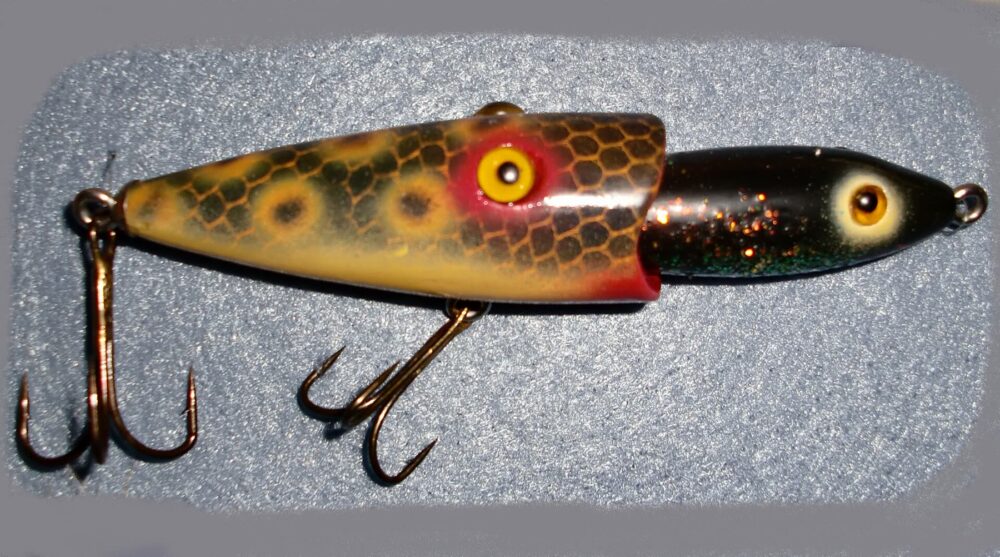
If you’re buying or selling vintage fishing lures, you’ll almost always end up using a mix of platforms rather than a single “best” site. Collectors lean on broad marketplaces like eBay and Etsy for reach, Facebook groups for community and low friction, niche lure shops for curated stock, and clubs or forums for the most knowledgeable audience. Each channel comes with different fee types—listing, selling commission, payment processing, or membership—as well as trade-offs in visibility, control over pricing, and how much work you have to do yourself.
For a casual Australian seller clearing a box of old lures, a general marketplace and a few collector groups will likely be your starting point. If you’re building an ecommerce business, you’ll care more about repeatable sourcing, cross-border shipping costs, and how platform fees stack into your margins.
How the Online Market for Vintage Fishing Lures Is Structured
Vintage fishing lures sit in an awkward space: they’re both sporting goods and collectibles. That’s why the online market is fragmented across several types of platforms rather than dominated by one specialist site.
You’ll see three main buckets:
- General consumer marketplaces – eBay, Etsy, and Facebook Marketplace are repeatedly cited in collecting guides as common places to buy and sell old lures, because they combine large audiences with flexible listing formats (auctions and fixed price).
- Niche lure sites and shops – specialist retailers such as dedicated vintage lure shops list curated stock, often with better descriptions and some informal valuation help. They’re closer to online antique dealers than open marketplaces.
- Collector clubs and forums – organisations like the National Fishing Lure Collectors Club (NFLCC) and regional lure-collecting groups run shows, newsletters, and member forums. Trading here is often peer-to-peer, based on shared knowledge rather than algorithms.
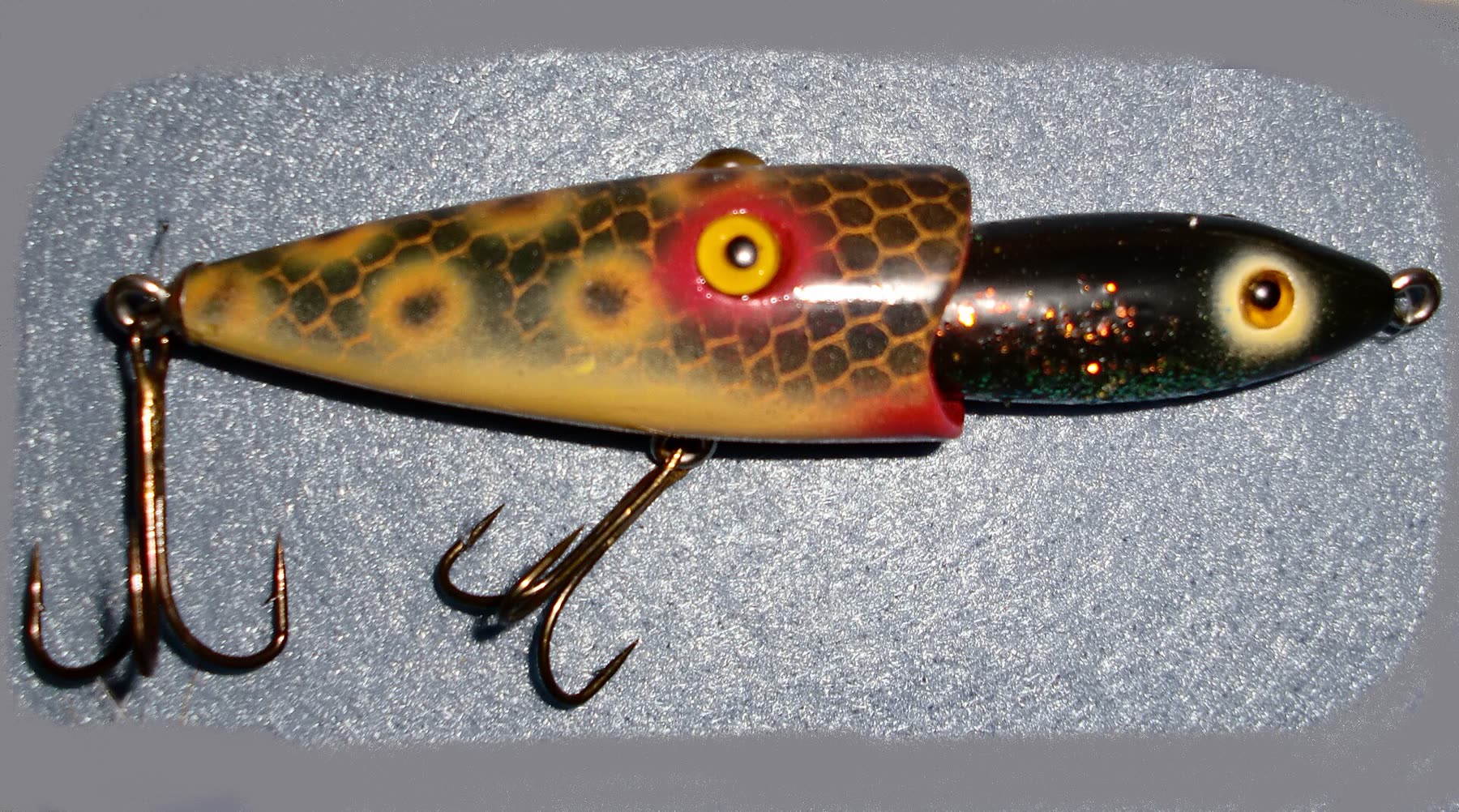
Collectors use these channels together. A rare Australian timber lure might be discussed and informally priced in a club, then consigned to a specialist site or listed on eBay where international buyers can compete. More common mass-produced lures might be sold as job lots via Facebook Marketplace or Etsy.
Your choice of platform should reflect how “collectible” your lures really are. Age, maker, material (wood vs plastic), condition, and rarity are the big drivers of value highlighted by collecting guides such as Sports Illustrated’s overview of antique and vintage lures. Higher-end items benefit from platforms that reach serious collectors; everyday pieces can be treated more like second-hand gear.
How Platforms Actually Work for Lure Sellers: Models and Fees
The fee structure for vintage lures usually mirrors other categories on each platform. You don’t get a “lure rate”; you pay whatever that channel charges for listings and sales. DHgate editorial and other ecommerce guides break this down into three recurring types of costs:
- Listing fees – a charge per item or per batch to create a listing, or a monthly shop fee.
- Selling commissions – a percentage of the final sale price taken when an item sells.
- Payment processing – fees attached to card payments or payment gateways.
Here’s how those play out in common lure channels:
| Platform type | How you sell vintage lures | Typical fee pattern (generic) | Pros for lures | Trade-offs |
|---|---|---|---|---|
| General marketplaces | Auction or fixed-price listings; photos + description; ship item | May charge listing, commission, and payment fees | Huge audience; good for price discovery | Fees stack up; competition from similar listings |
| Niche lure shops/sites | Consignment or direct sale to shop; shop lists to its audience | Shop margin or consignment commission; no listing fee | Curated buyers; better descriptions and positioning | Less control; slower sale; limited stock if buying |
| Collector clubs/forums | Informal listings, direct messages, or deals at club events | Membership dues; usually no per-sale fees | Deep knowledge, targeted demand | You handle payments/shipping; more manual work |
| Social platforms/groups | Post photos and price in groups or Marketplace; local meet-ups | Generally free listings; payment may carry card fees | Fast for bulk lots; good for local Australian deals | Lower buyer protection; more negotiation overhead |
On eBay and Etsy, expect a more structured experience: you choose auction vs fixed price, add multiple photos, and set shipping. You’ll likely pay some mix of listing and commission fees, but in return you get search visibility and a global buyer base that understands collectibles.
Facebook Marketplace and Facebook lure groups are often free to list, which is why they show up so often in forum threads about “where to sell inherited lures.” They’re powerful for local sales in Australia: you can avoid international shipping and let buyers inspect lures in person. The trade-off is that you’re directly handling payment, no platform-level screening.
Niche lure sites such as specialist vintage tackle shops generally work on consignment or direct purchase. You don’t pay a listing fee yourself; instead, the shop keeps a margin on the final sale. That margin is the price of tapping their audience and presentation skills.
Collector clubs introduce one more fee type: membership. NFLCC, for example, charges annual dues for access to the community, shows, and publications rather than fees per transaction. You’re paying for access and information, not marketplace infrastructure.
Platform Comparison: General Marketplaces vs Niche and Broad Sourcing Sites
If you zoom out beyond lures, you can slot the main channels into a few bigger categories that matter for cross-border trade and ecommerce:
- Retail marketplaces (eBay, Etsy, Amazon) – focus on consumer-level transactions, one-off items, and small sellers.
- Community and classified platforms (Facebook Marketplace, forums, Reddit, Gumtree in Australia) – lightly structured listings, lots of local and informal trade.
- Supplier or sourcing marketplaces (DHgate, Alibaba, AliExpress, plus whichever wholesalers you use) – geared toward buying stock in bulk rather than trading individual collectibles.
For true vintage lure collections, retail and community marketplaces carry most of the weight. That’s where you see single items, small lots, and detailed descriptions appealing to collectors. Supplier-style marketplaces are more relevant when you’re looking for vintage-style or reproduction lures to resell as fishing gear rather than antiques. As a buyer-first note, broad platforms like DHgate can be useful for sourcing new, retro-themed lures at scale, but they’re rarely the right place to liquidate or hunt down one-off historic pieces.
Across all marketplaces, DHgate editorial advice for collectibles translates well: look at user base (are there lure collectors here?), overall fee structure (listing + selling + payment), listing formats (auction vs fixed price), and how niche the focus is. On a platform dominated by general consumer goods, your rare lure can be harder to find; on a niche site, you get visibility but fewer buyers.
For Australian users trading cross-border, two practical frictions matter as much as fees:
- Shipping and customs – wood-bodied or multi-hook lures can push parcels into higher price brackets or need careful packaging. International shipping can easily outstrip the value of mid-tier pieces.
- Currency and payment methods – PayPal and card payments are nearly universal on large marketplaces; direct bank transfers or cash-in-person are more common in local groups and clubs.
Factor those into your platform choice—especially if you’re selling modest-value lures where fees plus shipping can wipe out your margin.
Matching Platforms to Different Buyer and Seller Profiles
Because no single channel is perfect, the practical question is: given your situation, where should you actually list or source vintage lures?
1. Clearing an inherited or casual collection (Australian individual) If you’ve inherited a box of mixed-condition lures and just want fair money without doing a full collecting deep-dive:
- Use Facebook Marketplace or local groups for job lots, with clear photos and a rough description of brands and age.
- Pull out anything that looks older, wooden, or branded by known makers and search similar examples on eBay or Etsy to gauge whether a separate listing is worthwhile.
- Consider a local tackle shop or vintage retailer for a quick, single negotiation if you value time over top dollar.
Here you’re optimizing for speed and simplicity, not maximum global exposure.
2. Serious collector selling a curated collection If you already know your makers, years, and relative rarity:
- List key pieces on eBay or Etsy with detailed titles, maker names, and condition notes, using auctions for high-demand items.
- Engage with collector clubs and forums for private deals or to learn recent sale prices—guides like Sports Illustrated’s piece show how quickly demand can shift as certain brands trend.
- Use niche lure sites for consignment on top-tier or historically significant lures, where editorial descriptions can justify stronger pricing.
The mix here is about reaching the right audience and using several platforms to triangulate value.
3. Small ecommerce seller sourcing stock If your main goal is building an online shop targeting anglers and casual nostalgia buyers rather than high-end collectors:
- Source reproduction or retro-style lures through broad sourcing marketplaces (DHgate, Alibaba, AliExpress) and wholesale suppliers, checking that listings clearly state they’re modern products.
- Treat vintage lures as a limited, higher-margin category sourced from eBay, Etsy, and local estate sales, listing them on your own site or a marketplace like Etsy as “vintage” rather than “new.”
- Be meticulous about separating true vintage from new retro designs in your product descriptions to avoid misleading buyers.
For this profile, vintage lures are part of a broader assortment. Supplier platforms help fill out everyday inventory, while collector-focused channels are where you occasionally buy and sell the more special pieces.
If you need a deeper understanding of how broad marketplaces work before deciding where they fit in your sourcing mix, the DHgateWiki explainer on what DHgate is and how the marketplace works and our overview of online marketplaces and shopping platforms give more platform-level context.
The strongest results for vintage fishing lures usually come from that blended approach: use general marketplaces for reach, niche sites and clubs for knowledge and high-end pieces, and broad sourcing platforms only where you’re dealing in new, vintage-style stock rather than true collectibles.