
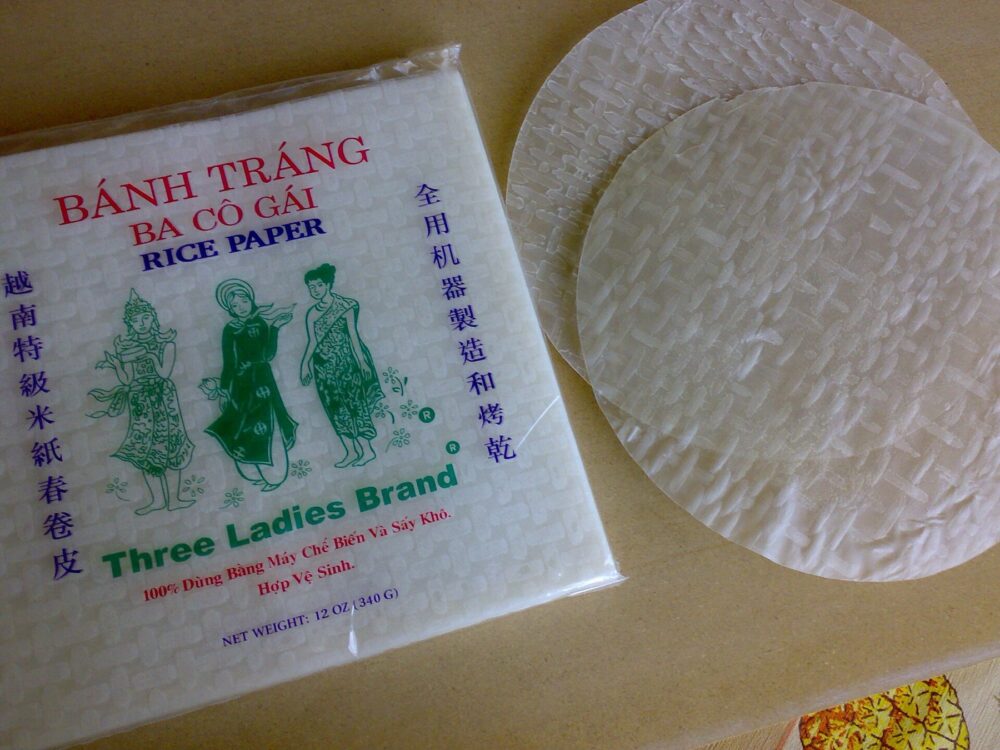
Nougat rice paper is the thin, edible wafer paper that lines and wraps nougat so the sticky candy doesn’t weld itself to trays, knives, or packaging. It’s usually made from starch (often potato or rice), water, and a small amount of vegetable oil, forming neutral-tasting sheets that hold nougat bars together and make them easier to cut and pack.
You can buy nougat rice paper in several ways if you’re in Australia: small packs via retail marketplaces, clearly labelled nougat/wafer paper from specialty baking sites, and larger-count candy-wrapping sheets from packaging and cross-border platforms. The right route depends on whether you’re doing a weekend batch at home or running a small nougat brand that needs consistent supply.
What Nougat Rice Paper Is (and How It Differs From Other Rice Papers)
For confectionery, “nougat rice paper” almost always means edible wafer paper: very thin, dry sheets made from starch (typically potato or rice), water, and sometimes a little oil. They’re designed to be eaten and to stay intact when in contact with sugar syrups and nuts.
Wafer paper is widely used to line soft nougat slabs or to wrap individual pieces. It’s not the same as the round, translucent rice paper discs you soak for fresh spring rolls, nor the printed rice paper sold for decoupage or crafts.
That matters when you shop:
- Nougat wafer paper / nougat base sheets – often rectangular or sheet-form, marketed for nougat, macarons, or candy bases. Ingredients typically list potato or rice starch.
- Candy wrapping sheets / edible sticky rice paper – glutinous rice paper promoted for wrapping nougat, peanut candy, or chocolates (often in multi-sheet packs).
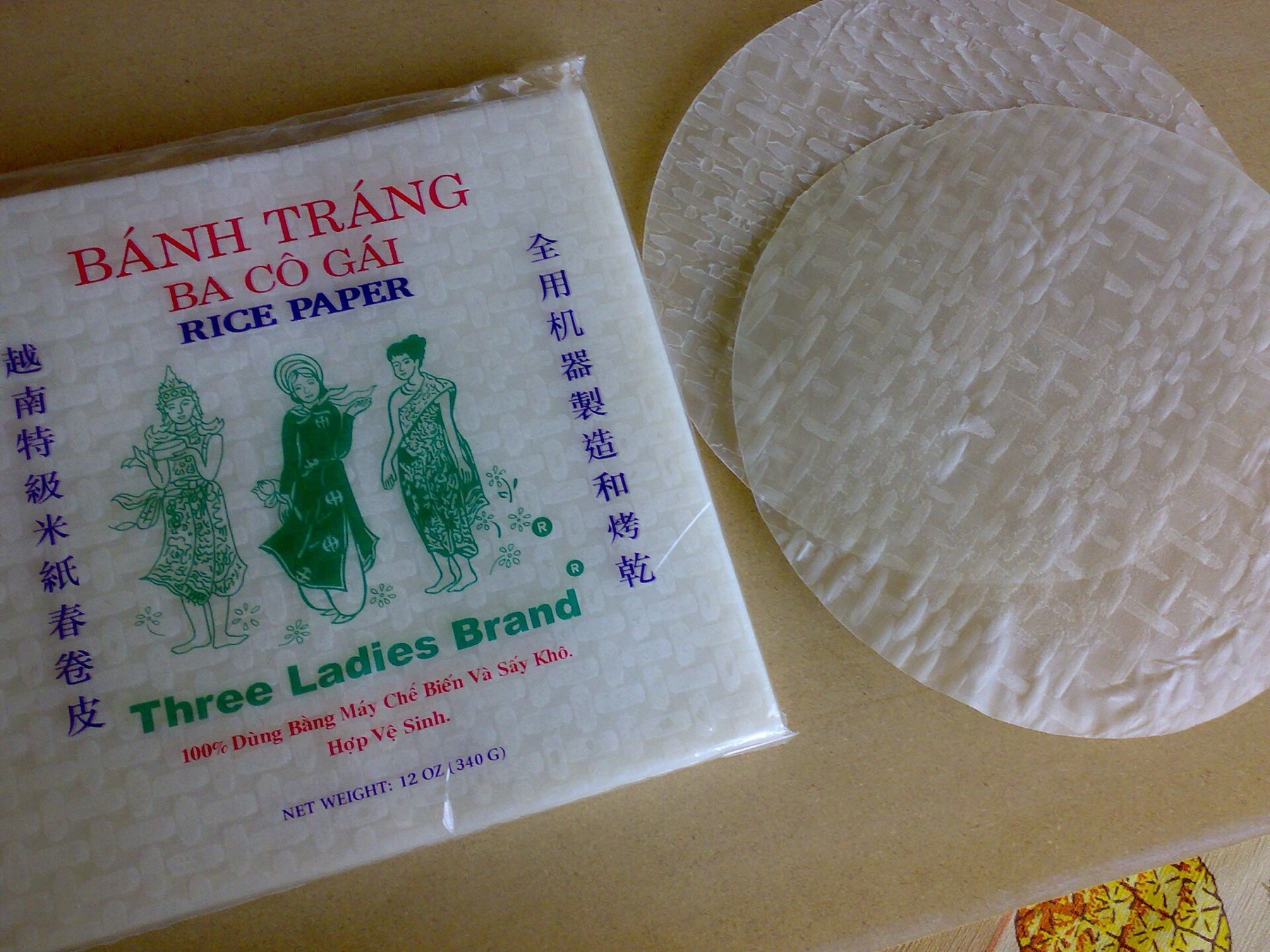
- Spring roll rice paper – round or square discs sold in the Asian aisle at Coles, Woolworths, or independent grocers, made to be soaked and used as a wrapper for fillings, not as a dry candy lining.
- Craft/decoupage rice paper – non-food paper for arts and crafts; not edible.
A quick visual checkpoint: nougat wafer paper usually looks like thin, opaque white sheets similar to printer paper, while spring roll wrappers are semi-transparent discs. Checking that product photos and descriptions reference nougat, candy, or edible wafer use helps avoid ordering the wrong category.
Platform Types for Buying Nougat Rice Paper
You won’t find nougat wafer paper everywhere. It sits in a niche between baking supplies and candy packaging, and different platform types target different buyers.
1. Retail marketplaces (small and mid-size packs)
Large retail marketplaces list edible rice/wafer paper marketed for nougat, candies, and chocolates. Common listing patterns include:
- 50-500 sheet packs of “edible sticky rice paper” labelled for DIY nougat or home candy wrapping.
- Product titles like “Edible Sticky Rice Paper 500 Sheets Nougat Paper DIY” or “50 Sheets Edible Rice Paper Chocolate DIY Home Candy,” which signal use in confectionery rather than spring rolls.
These are typically aimed at hobby bakers or micro-brands testing recipes. You get:
- Moderate quantities (enough for multiple batches without committing to thousands of sheets).
- Mix of local and imported stock, which can broaden options but also means variable sheet size and starch base.
2. Australian specialty baking and cake-decor shops
Specialty baking sites are often the most straightforward option if you want “the stuff professionals use” without decoding marketplace listings.
Australian example: Latorta sells wafer/rice paper explicitly labelled as “nougat paper” in 25-sheet packs. The product is positioned as:
- Edible wafer paper for nougat bases or macarons.
- Neutral flavor, designed to be baked or set with confectionery.
This type of platform suits:
- Home bakers who follow local patisserie recipes that specify nougat paper.
- Small brands that value predictable sheet size and texture and prefer suppliers familiar with food uses.
Stock and brand options will vary, but the labelling tends to be clearer than generic marketplace listings.
3. Supermarkets and Asian grocers (spring roll rice paper)
Major supermarkets and Asian grocers around Australia stock rice paper primarily for fresh or fried rolls. Guides like “Where to Buy Rice Paper in Australia” mention Coles, Woolworths and specialist Asian stores.
These products:
- Are usually round discs meant to be soaked and rolled.
- May be labelled “rice paper wrappers” or similar, not “wafer” or “nougat”.
They live in the same general ingredient family but behave differently, so they’re not a straightforward substitute for nougat wafer paper if you need a dry, crisp base.
4. Candy-packaging and cross-border suppliers
If you’re wrapping lots of individual nougat pieces, candy-focused packs can make more sense than traditional wafer sheets.
Cross-border platforms and importers into Australia list:
- Large-count glutinous rice paper packs marketed as “1000 Sheets Glutinous Rice Paper Edible” or similar, promoted for wrapping candies and chocolates. Ubuy Australia is one example hosting such listings.
These packs are:
- High volume, better suited to ongoing production or resale.
- Typically small, uniform sheets designed as inner edible wrappers rather than slab linings.
They can bridge the gap between baking supplies and packaging, but you’ll be dealing with overseas sourcing and labelling, so they require more due diligence.
Comparing Channels and Choosing the Right Route
Different buyer profiles need different platforms. The table below sketches how the main routes usually line up for nougat rice paper in Australia.
| Platform type | Typical pack size (editorial) | Best fit use case | Labelling clarity for nougat |
|---|---|---|---|
| Retail marketplaces | Dozens to a few hundred sheets | Hobby baker, micro-brand trials | Mixed – must read titles |
| Australian specialty baking sites | Small packs (e.g., 25 sheets) | Local recipes, boutique production | High – often “nougat paper” |
| Supermarkets / Asian grocers | Spring roll wrapper packs | Savory/fresh rolls, not nougat base | Low for nougat |
| Candy-packaging / cross-border packs | Hundreds to ~1000 sheets | Ongoing candy/nougat piece wrapping | Medium – “candy wrapping” |
Hobby and home bakers
If you’re making nougat a few times a year:
- Start with Australian specialty baking sites or well-described retail marketplace listings that clearly say “edible wafer paper” or “nougat paper”.
- Smaller packs mean less waste and help you match what local recipes (like those from Australian bakeries) assume when they reference nougat paper.
Spring roll rice paper from the supermarket is convenient, but its texture and behavior differ from wafer paper; use it only if you’re deliberately following a recipe that calls for that style of wrapper.
Small Australian nougat brands
For a boutique nougat or confectionery brand, consistency beats chasing the cheapest pack:
- Specialty baking and cake-decor suppliers in Australia offer clearer specs and easier communication if you need the same sheet size and composition over time.
- Candy-packaging suppliers or importers (including services that sell 1000-sheet glutinous rice paper packs) can work once you’ve tested samples and are confident the paper suits your recipe and brand.
You may need to balance per-sheet cost against reliability and labelling. Domestic suppliers often make it simpler to handle issues like misprints or ingredient questions.
Cross-border sourcing and marketplaces (including DHgate)
If your priority is access to very large packs or specific formats that aren’t common in Australian retail, cross-border marketplaces and importer platforms become relevant. Listings like “1000 Sheets Glutinous Rice Paper Edible” on services such as Ubuy show the sort of candy-focused volumes available.
Marketplaces such as DHgate are part of that picture: they host third-party sellers who may offer edible rice or wafer paper marketed for nougat or candy. Before you treat any listing as suitable for your product, especially for resale in Australia, you should:
- Check the description carefully for edible use and intended application (lining slabs vs wrapping pieces).
- Confirm ingredients and format and, where relevant, ask the seller for documentation that supports your own compliance obligations.
- Compare this route with more familiar retail marketplaces using a general marketplace overview like online marketplaces and shopping platforms or a broader comparison such as DHgate vs AliExpress, Alibaba and Temu.
DHgate’s own editorial blog has treated edible rice paper as an optional nougat lining, showing that even recipe writers consider wafer paper one tool among several (parchment, direct-cut slabs) for managing sticky nougat. That reflects reality: nougat rice paper is helpful and traditional, but your platform choice should follow your batch size, labelling needs, and appetite for cross-border sourcing complexity, not the presence of any single marketplace.
For readers new to DHgate in general, What DHgate is and how the marketplace works offers neutral background before you decide if it belongs in your sourcing mix.