
If you search for “mountain herbs and teas” as a US buyer, you’ll find a mix of products and platforms: organic loose-leaf blends from specialty tea brands, small farm herbals, grocery-delivery listings, and cross-border marketplaces with bulk herbal tea. The best route depends on whether you’re sipping at home or stocking an online store. For a few tins of rose and mountain herb tea, single-brand retailers like Mountain Rose Herbs or Peakora Tea are straightforward. For resale, you may combine domestic wholesalers, direct-from-farm suppliers like Katydid Hill Farm via Mountain Hollow, and—if you’re ready to vet overseas sellers—cross-border marketplaces that list herbal teas among many other goods.
What “Mountain Herbs and Teas” Really Means in Online Shopping
“Mountain herbs and teas” isn’t a single brand; it’s a theme lots of sellers use for herbal blends built around mountain-grown or mountain-inspired botanicals, often with floral notes like rose.
On specialty sites you’ll see this theme in different ways:
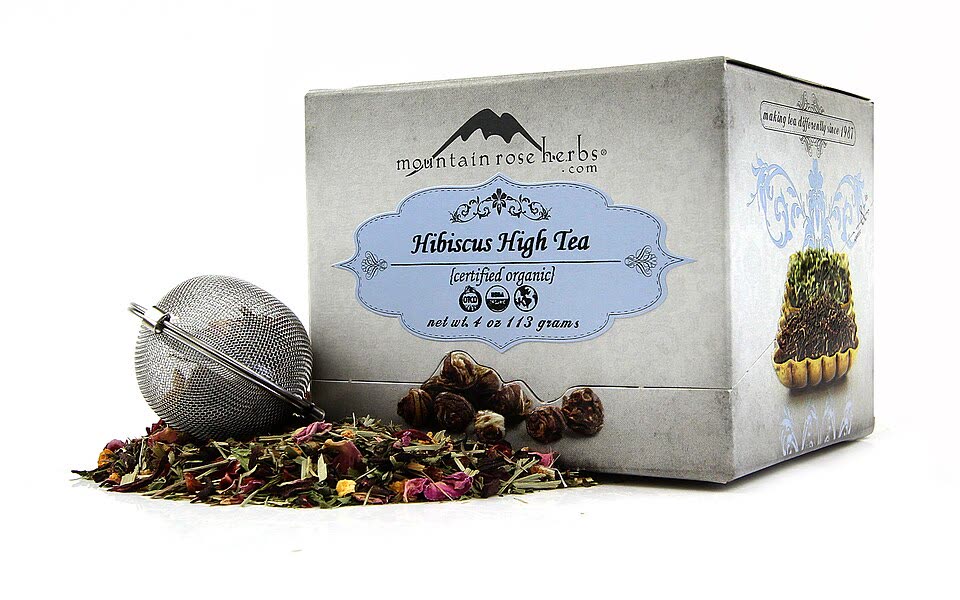
- Mountain Rose Herbs organizes organic teas into black, green, herbal, chai, and more. Their herbal blends frequently highlight botanicals that fit a wild or mountain feel.
- Peakora Tea focuses on Himalayan and herbal teas, leaning into origin storytelling around mountain regions.
- Smaller producers, such as Katydid Hill Farm via Mountain Hollow, list loose-leaf herbal teas online in limited, artisanal batches.
You’ll also see similar ideas on broader herb and spice retailers. World Spice, for example, sells a Mediterranean mountain blend that uses upland botanicals as a flavor theme rather than a formal category label.Source
In practice, when you type “mountain herbs and teas” into a marketplace or grocery-delivery app, you’re likely to see:
- Loose-leaf herbal blends with names referencing mountains, forests, or wildflower meadows.
- Rose-forward herbal or green teas positioned as calming or aromatic (often in tins or pouches).
- Assorted dried herbs marketed for tea-making.
So your job isn’t to find one exact product called “Mountain Herbs and Teas” but to decide which platform model fits your use case.
How Different Platform Types Handle Mountain Herb and Rose Teas
For this category, four main online platform types show up:
- Single-brand specialty tea or herb sites
These are retailers that develop and sell their own line of teas and herbs. Examples include Mountain Rose Herbs and Peakora Tea. You buy directly from the brand, usually in retail-sized units (tins, bags, bulk ounces). Product pages tend to have detailed ingredient lists and origin or organic claims.
- Artisanal farm or small-batch sellers
Some farms create their own blends and sell online through their own site or another small retailer. Katydid Hill Farm teas on Mountain Hollow are a good illustration: loose-leaf herbal teas, presented as limited and handcrafted rather than mass-produced.
- General retail marketplaces and grocery-delivery platforms
Marketplaces and grocery apps carry branded herbal teas, including mountain-style blends. For example, Mountain Rose Herbs teas appear on Instacart and similar services, typically in consumer packaging. You get speed and convenience, but sourcing transparency and storage conditions are more variable—your listing may tell you the brand and flavor, not much about how the herbs were grown.
- Cross-border wholesale-style marketplaces
Platforms focused on global sourcing list herbal teas alongside thousands of other categories. They’re built around individual suppliers offering bulk or semi-wholesale quantities. Herbal teas can show up here as loose bulk herbs, bagged teas, or private-label packaging. For small ecommerce sellers, these marketplaces can be appealing on price and variety, but they push more responsibility onto you to vet suppliers and manage risks.
Here’s a compact comparison of how those models feel from a buyer’s seat:
| Platform type | Typical order size & packaging | Sourcing transparency | Better suited for |
|---|---|---|---|
| Specialty tea/herb brand site | Retail tins, pouches, bulk ounces | High: brand-curated, detailed ingredient info | Home drinkers, small resellers seeking branded stock |
| Artisanal farm/small-batch seller | Loose-leaf bags, limited batches | High but narrow: one farm or small group | Niche ecommerce, gift sets |
| Retail marketplace / grocery-delivery | Boxed tea, tins, consumer-ready packaging | Medium: depends on brand and listing | Everyday home use |
| Cross-border wholesale marketplace | Bulk bags, private-label, wholesale lots | Variable: per supplier, often sparse listings | Resellers with sourcing skills |
For you, the key difference isn’t just price; it’s how much control and information you get over the herbs you’re buying.
Matching Platforms to Buyer Profiles: Home Drinkers vs. Small Ecommerce
The same “mountain herbs and rose teas” search results mean very different things if you’re buying three bags for winter versus planning a product line.
If you’re a home drinker
As a US consumer who wants reliable, flavorful mountain-style or rose teas:
- Start with specialty brands and herb retailers. Sites like Mountain Rose Herbs or Peakora Tea make it easy to choose organic or herbal blends, and you can dig into ingredients before you buy.
- Use marketplaces for refills and convenience. If your favorite brand is listed on a grocery-delivery platform, that can be a fast way to restock. Just remember you’re trading some direct brand relationship for marketplace convenience.
- Don’t overlook local sources. Health food stores, herb shops, and farmers’ markets often stock dried herbs and loose-leaf teas, sometimes from regional farms similar to Katydid Hill Farm. That’s useful if you want to see, smell, or ask questions in person.
For personal use, you rarely need bulk or cross-border sourcing. Keeping your purchases on specialty sites, local shops, and transparent brands gives you more confidence about what’s in your cup.
If you’re a small ecommerce or boutique seller
Resale changes the platform equation.
- Branded retail reselling. If you want to resell existing brands (say, curated tins of organic mountain herb tea), specialty sites and domestic wholesalers are your main channels. Many tea brands offer wholesale arrangements separate from their consumer shops.
- White-label or house blends. If you want your own brand name on the bag, you’ll need:
- Bulk or semi-bulk herb suppliers (domestic or cross-border).
- A co-packer or your own packaging operation.
Small farms and herbals like Katydid Hill Farm via Mountain Hollow can play into this if they’re open to collaboration.
- Cross-border marketplaces, including DHgate, as an option.
- Compare cross-border with other wholesale channels. Some sellers balance cross-border sourcing with domestic wholesalers to hedge risk and diversify SKU types. For herbal teas specifically, that might mean importing bulk hibiscus or rose from one supplier while buying finished blends domestically.
If your business is small and you’re just testing the market, starting with domestic specialty brands and farms is usually simpler. Cross-border marketplaces (DHgate among them) become more relevant once you have a clear product spec, are comfortable evaluating overseas suppliers, and can absorb the extra work around samples, quality checks, and labeling rules.