
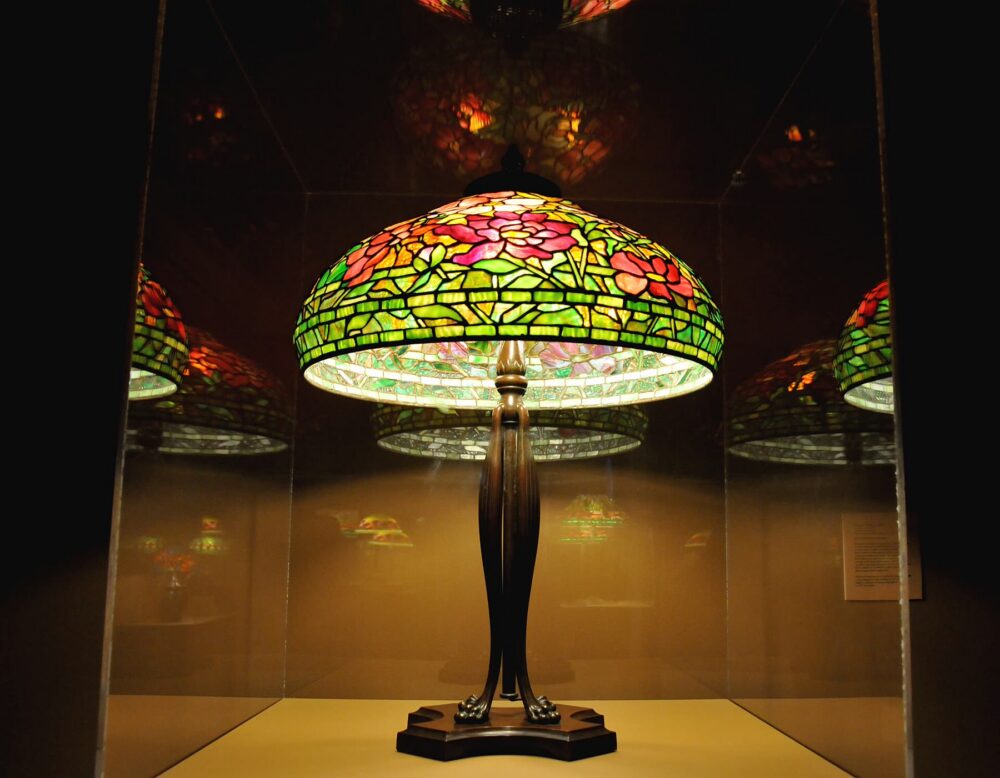
Yes, you can find handmade mosaic glass lamps and shades on a range of online marketplaces — but they’re scattered across different platform types. Artisan sites like Etsy, specialist Turkish lamp shops, general marketplaces such as eBay, and trade‑style wholesale catalogs all handle mosaic lighting differently. Your best route depends on whether you need one statement piece, a small repeatable line for a microbrand, or bulk stock for resale.
Mosaic glass lamps and shades are built from small colored glass pieces (tesserae) arranged into patterns that cast colorful, patterned light as it passes through the glass.Glass mosaic background That mix of artistry and function is exactly why they show up in such varied channels: decor retailers treat them as accent lighting, while artisan and Turkish‑style sellers present them as craft objects.
How Mosaic Glass Lamps Are Sold Online Today
If you search for “mosaic lamps” or “mosaic glass lamp shade,” you’ll see four broad channels emerge:
- Artisan marketplaces. On platforms like Etsy’s mosaic lamps category, many listings are marketed as handmade or custom work from small independent sellers. You’ll see night lights, table lamps, and wall lamps described with terms like “handcrafted” and “unique,” often with limited quantities.
- Curated retail lighting sites. Sites such as Lighting New York’s mosaic glass lamp shades treat mosaic glass shades as a distinct category within a larger lighting catalog. Here, mosaic shades sit alongside other glass and fabric shades and are positioned as decorative components that you pair with standard fixtures.
- Specialist mosaic or Turkish lamp brands. Turkish‑style mosaic lamps are the focus of specialist shops like Mosaic Age, which markets its pieces as handmade and based on traditional designs. These sites often concentrate on a particular aesthetic (Turkish, Moroccan, Egyptian, Tiffany‑style) and build a whole brand around it.
- Wholesale and general ecommerce sites. Trade‑oriented vendors such as Febland Group’s mosaic glass lighting section present mosaic lighting in a wholesale‑style catalog for business customers. General ecommerce sites like buy4store’s mosaic floor lamps and listings on marketplaces like eBay or Shopify‑hosted stores appear to offer both handmade‑style and clearly mass‑produced mosaic lamps for a mix of retail and resale buyers.
This mix means you have access to handmade‑marketed Turkish or Moroccan designs, Tiffany‑style glass shades, and more industrial production — but you need to pick the platform type that matches how consistent, customizable, and scalable you want your supply to be.
Retail, Artisan, and Wholesale Platforms: How They Actually Work for Mosaic Lighting
Because mosaic glass lamps sit at the intersection of craft and decor, platform mechanics matter. Here’s how the main channel types usually operate for this category.
Artisan marketplaces (Etsy and similar)
Artisan marketplaces focus on small independent sellers and vintage goods. In mosaic lighting, that translates into:
- Listings presented as handmade, sometimes with custom color or pattern options.
- Short runs and one‑off designs: great for uniqueness, less ideal if you need hundreds of identical pieces.
- Seller‑managed branding and photography, which can vary a lot.
On Etsy’s mosaic lamp pages, you’ll see Turkish‑style hanging lamps next to stained glass night lights, each with its own shipping and production story. This is a good route if you care most about design character and are willing to work directly with makers.
Specialist brand sites and Turkish lamp shops
Specialist brands sit between artisan and retail. A site like Mosaic Age focuses on Turkish‑style mosaic glass lamps marketed as handmade using traditional designs. Operationally, these sites:
- Offer a coherent style and often repeatable product families (same base, different glass patterns).
- May allow bulk ordering, but they still emphasize craftsmanship and limited patterns.
- Present clearer photography and descriptions than many marketplace listings, because the brand controls the catalog.
If you want a distinct Turkish aesthetic and might reorder the same look, a specialist brand can be easier to standardize around than a group of individual marketplace sellers.
Curated retail lighting platforms
Retail lighting sites such as Lighting New York’s mosaic glass shade category treat mosaic glass shades as decor components, not art objects. Expectations here usually include:
- Consistent SKU‑based inventory tied to mainstream fixtures.
- Emphasis on dimensions, fittings, and compatibility with standard lamps.
- A mix of mosaic‑style glass (sometimes Tiffany‑pattern, sometimes contemporary) that may be factory‑produced.
This route fits buyers who prioritize standardized sizing and compatibility — for example, replacing shades in a hotel or rental property — over bespoke designs.
Wholesale and trade catalogs
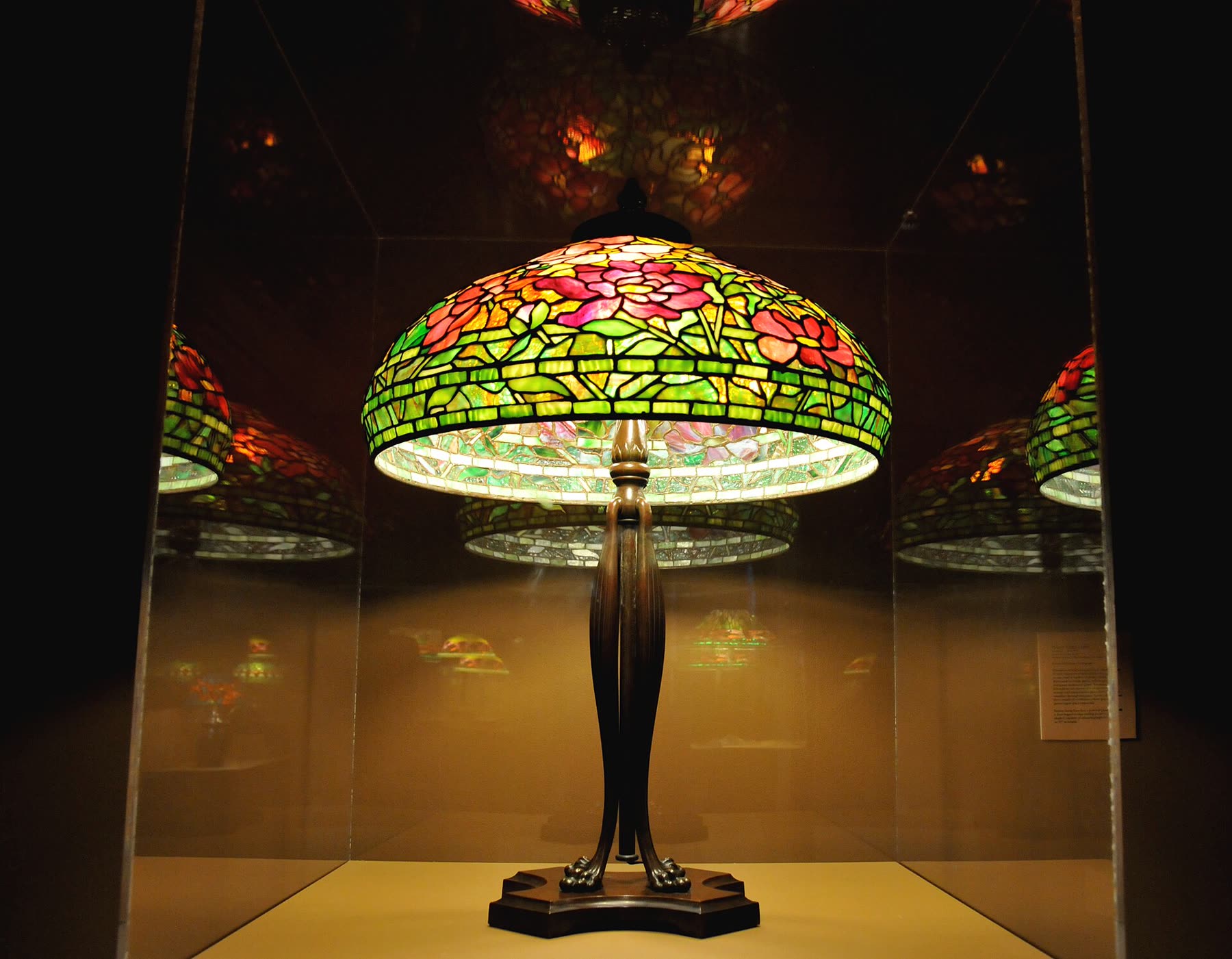
Wholesale‑style platforms put repeatable supply at the center. Febland Group’s mosaic glass lighting presents mosaic lamps as decorative fixtures combining artistry and function, organized in a trade catalog for business customers. Similarly, sites like buy4store’s “handmade” mosaic lamps target retailers.
Common traits:
- Larger order expectations, often aimed at stores or hospitality projects.
- Designs that balance visual impact with production efficiency, so stock can be replenished.
- Less focus on custom individual pieces; more focus on set product lines.
For a US resale or hospitality buyer, these platforms can be more predictable than chasing individual artisan listings, but you may sacrifice some uniqueness.
Comparing Platform Routes and Matching Them to Buyer Scenarios
To make this concrete, here’s how the platform types line up on practical factors for mosaic glass lamps and shades:
| Buyer goal / factor | Artisan marketplaces (e.g., Etsy) | Specialist Turkish/mosaic brands (e.g., Mosaic Age) | Curated retail lighting (e.g., Lighting New York) | Wholesale/trade catalogs (e.g., Febland, buy4store) |
|---|---|---|---|---|
| One‑off decor piece | Very strong (unique designs) | Strong, if you like their style | Moderate; more standardized looks | Low; aimed at bulk |
| Repeatable design for small brand | Weak–moderate (depends on seller capacity) | Moderate; product families often repeat | Strong for shades and fixtures | Strong; built for replenishment |
| Deep customization (colors, patterns) | Often available per seller | Limited, style‑driven but sometimes flexible | Low; catalog‑driven | Low; catalog‑driven |
| Bulk or wholesale buying | Inconsistent; seller‑by‑seller | Possible but not always primary focus | Limited; mainly retail | Strong; central use case |
| Focus on Turkish/Moroccan aesthetic | Mixed; many but not all listings | Very strong | Low–moderate; depends on brand mix | Mixed; some SKUs, often alongside other styles |
For US buyers and small ecommerce operators, three scenarios tend to dominate:
Scenario 1: US home decor buyer wanting one statement lamp
You want a single mosaic lamp — maybe Turkish or Moroccan style — as a focal point in your living room.
- Best fit: Artisan marketplaces and specialist brands. Browse Etsy’s mosaic lamps for unique pieces, then compare with the style focus of Mosaic Age or similar sites.
- What to watch: Handmade status is a marketing claim, not a guarantee, so rely on photos, reviews, and seller descriptions rather than the platform’s label alone.
Scenario 2: Microbrand or Shopify store wanting a small repeatable line
You run a small ecommerce store and need a consistent supply of mosaic lamps without committing to container‑scale imports.
- Best fit: Specialist brands and wholesale‑leaning sites that can support repeat orders, such as Febland’s mosaic lighting or buy4store’s mosaic lamp SKUs.
- Platform tactic: Identify 2-3 designs that can be restocked and test them in small batches to see how your customers respond.
Scenario 3: Reseller or project buyer sourcing in bulk, including cross‑border
You’re outfitting a hospitality project or building a larger mosaic‑lamp range and are open to cross‑border sourcing.
- Best fit: Wholesale/trade catalogs (for domestic or regional supply) and global sourcing marketplaces. Platforms like DHgate function as cross‑border marketplaces that can list mosaic‑style lamps alongside many other home goods; if you explore that route, treat each seller and listing independently, carefully checking product descriptions, photos, and past buyer feedback rather than assuming platform‑wide standards. A deeper look at how DHgate operates is available via this marketplace explainer.
If you’re clear on whether you need artistry, repeatability, or volume, the choice between artisan, brand, retail, wholesale, and cross‑border marketplaces becomes much more straightforward for mosaic glass lamps and shades.