
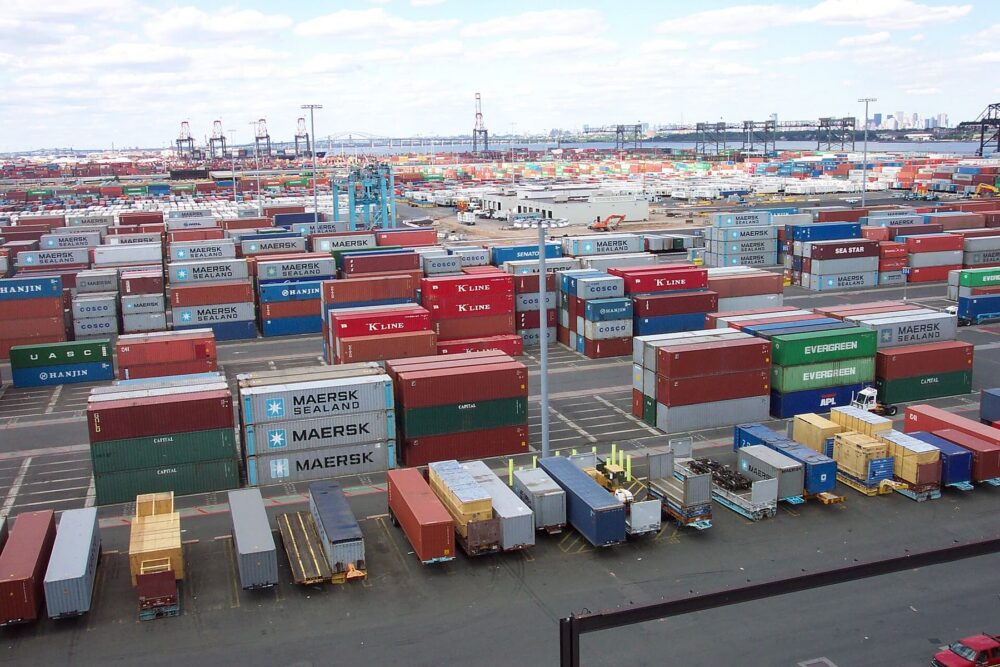
Model train shipping containers are miniature versions of real cargo boxes that ride on intermodal trains and sit in ports and yards. You’ll find them in HO, N, and other scales, in lengths like 20, 40, 48, and 53 feet, and they show up both as standalone props and loaded on well cars. The reason platform choice matters is simple: a US hobbyist buying five HO containers needs very different channels than a small ecommerce seller trying to stock 200 generic N‑scale boxes and the storage to keep them organized.
This guide starts from the layout and storage problem, then shows which platform types usually work best for low‑volume hobby buying, layout building, and small resale.
How Model Train Shipping Containers Fit Into Today’s Layouts
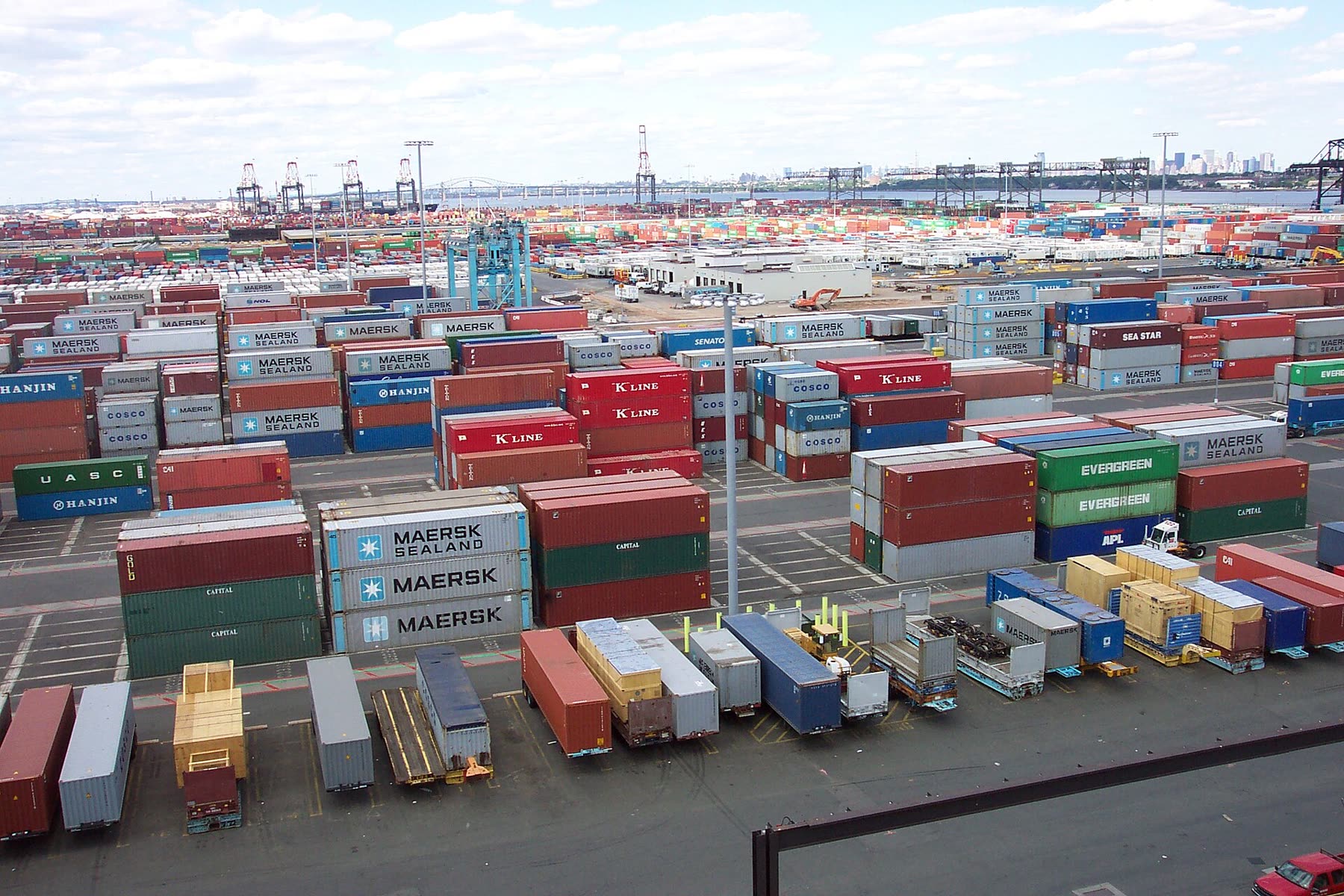
In model railroading, shipping containers are standardized replica boxes that mirror real intermodal units you’d see stacked at a port or riding on doublestack trains. Specialist retailers like TrainWorld sell HO‑scale containers in various liveries, which are used to build realistic terminals, industrial scenes, and modern freight traffic.
Scale and length affect both appearance and sourcing. For example, RiverCross Diorama’s HO container range includes 20, 40, and 48 ft models, a snapshot of what many hobbyists use to model typical intermodal consists. Brand manufacturers add longer boxes: Athearn’s HO line includes a 53′ CIMC container sold as a branded model via its own site.Source
If you’re building:
- A compact switching layout, you might only need a handful of 20-40 ft containers and one storage box to keep them safe.
- A modern port or inland terminal scene, you may want dozens of containers in different colors and brands, plus a way to store them by road number or operator.
- Inventory for resale, you’re less focused on specific prototype brands and more interested in bulk unbranded pieces or multi‑packs.
Those differences push you toward different platform types.
Platform Types for Buying Model Train Containers and Storage
You can think of container and storage channels in three broad buckets: specialist hobby retailers, retail marketplaces, and wholesale‑style or cross‑border marketplaces.
1. Specialist hobby retailers
These are dedicated train shops with curated product lines. Online, TrainWorld is an example for HO containers: it carries multiple brands and liveries in one place and organizes them by scale and category.
This type of platform works well if you:
- Want prototype‑correct containers for specific railroads or shipping lines.
- Prefer to mix containers with rolling stock, track, and scenery in a single order.
- Value product descriptions that use hobby terminology.
For storage boxes, hobby retailers may carry branded rolling‑stock storage solutions, but selection is usually narrower than general home‑storage channels.
2. Brand or manufacturer‑direct sites
Some model brands sell container products directly. For instance, Athearn lists an HO 53′ CIMC container on its own domain as part of its container series.Source
These sites make sense when:
- You’re committed to one brand’s look and want specific releases.
- You care that your containers match your well cars from the same manufacturer.
They are less ideal for bulk unbranded props; you’re paying for design and brand rather than maximum unit count per dollar.
3. Retail marketplaces (multi‑seller)
Marketplaces like eBay aggregate hobby inventory from many sellers. A single HO container set listing can represent a small shop, a private seller, or a part‑out from a collection, all on one platform.Source
For containers, this typically means:
- Wider variety of out‑of‑production or niche items.
- Mixed conditions (new, used, kitbashed), so you need to read listings closely.
For storage, mainstream marketplaces also carry general plastic bins, clear‑lidded boxes, and craft organizers, which many hobbyists repurpose as train storage.
4. Wholesale‑style and cross‑border marketplaces
Wholesale‑leaning platforms and cross‑border marketplaces host many overseas sellers offering generic model props and bulk packs. JTC Model Trains, as one example within the hobby world, offers N‑scale 20′ standard‑height containers with options for multi‑packs in 1:160 scale.Source That kind of packaging appeals to small resellers or layout builders who want a lot of units in consistent dimensions.
Cross‑border marketplaces may list:
- Blank containers in N or HO scale (no printed logos) suitable for custom decals.
- Large sets of identical containers you can break down into retail lots.
- Generic plastic storage boxes that can be adapted to hold rolling stock.
They usually require more work on your side: understanding scale descriptions, checking photos, and estimating how their dimensions translate to US hobby standards.
Comparing Channels: Domestic Shops vs. Marketplaces vs. Cross‑Border Sourcing
Different platform types favor different buying patterns. The table below focuses on practical differences for US buyers of model train containers and storage.
| Buyer scenario / need | Domestic hobby retailers | Retail marketplaces (eBay, etc.) | Cross‑border / wholesale‑style marketplaces |
|---|---|---|---|
| A few HO containers for a realistic modern train | Clear scale sorting and curated brands focused on layouts | Wider variety including discontinued items; condition varies | Often geared to bulk packs; small orders may be less common |
| Building a port or yard scene with many boxes | Good for foreground branded containers; per‑piece cost adds up | Strong for mixing new and used from multiple sellers | Strong for bulk packs and blanks you can decal or weather yourself |
| N‑scale multi‑packs for small resale | Some multi‑pack options from hobby brands | Depends on individual seller stock and lot sizes | Strong: multi‑pack N containers from vendors like JTC illustrate typical bulk offeringsSource |
| Storage for rolling stock and containers | Hobby‑branded cases; limited general storage variety | Wide choice of plastic bins, craft organizers, and cases | Many generic clear, lidded, stackable boxes suitable for train storage |
For hobbyists, domestic specialist retailers are often the simplest route for containers: they speak your language (HO, N, 20′, 40′, doublestack), and listings are built around layouts rather than generic toys. Retail marketplaces are a useful backup for oddball liveries and secondhand deals, especially if you’re comfortable assessing condition from photos.
For micro‑resellers or layout builders buying in volume, wholesale‑style and cross‑border platforms can make more sense. Multi‑packs of N‑scale 20′ containers like those on JTC Model Trains illustrate the kind of packaging that works if you need many identical units and plan to add your own branding or weathering.
General storage is where broader marketplaces and cross‑border platforms really open up options. Editorial pieces on DHgate’s blog discuss storage box features such as plastic materials, clear sides, lidded designs, and stackability that help with organizing small items.Source Those same traits matter for model trains: clear boxes make it easy to see which container sets are inside, latching lids can help protect decals, and stackable designs help you keep HO and N stock separated.
DHgate itself sits in this last bucket as one of several cross‑border marketplaces where US buyers might find generic storage boxes or layout props. If you go that route, treat each listing and seller as its own decision: check dimensions against your scale, look closely at photos, and decide whether the materials and lid style really suit model train storage. For more context on DHgate as a platform, see what DHgate is and how the marketplace works and a broader overview of online marketplaces and shopping platforms.
Matching Platforms to Your Use Case
To turn this into a clear decision:
- You run a home layout and want realistic modern containers. Start with specialist US hobby retailers and brand sites for HO or N containers that match your prototype. Use retail marketplaces when you need discontinued items or bargain lots.
- You’re building large intermodal scenes on a budget. Mix domestic retailers for eye‑catching branded pieces with bulk or cross‑border sources for filler containers. Reserve your premium budget for foreground models; use generics in the background stacks.
- You’re a small ecommerce seller testing container packs or storage solutions. Look for multi‑pack N‑scale or HO container sets from hobby manufacturers and wholesale‑style platforms, and pair them with clear, stackable plastic boxes that photograph well for your own listings. For choosing among cross‑border marketplaces when you move beyond train‑specific items, see DHgateWiki’s comparison of DHgate vs AliExpress, Alibaba and Temu.
If you keep your scenario in mind—collector, builder, or reseller—the platform choice for model train shipping containers and storage boxes becomes much more straightforward.