
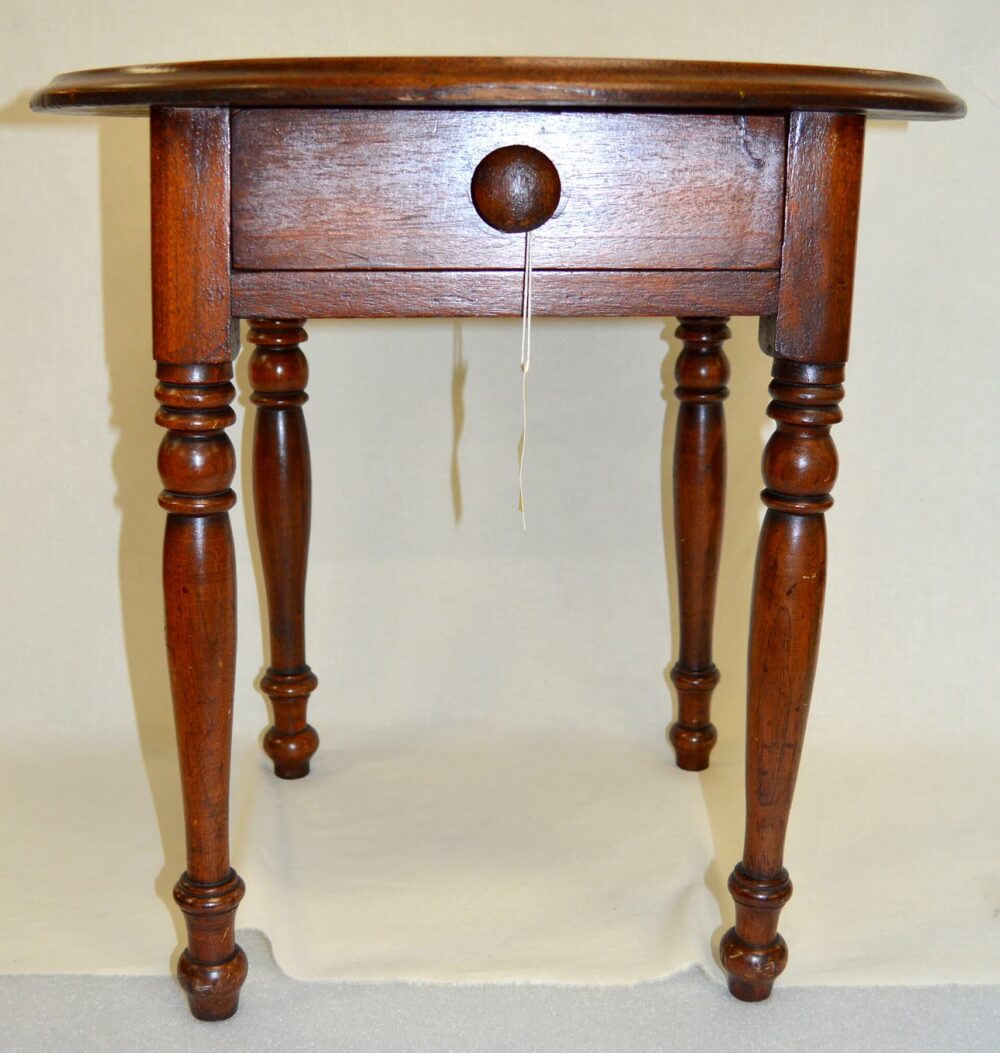
You can absolutely buy miniature round tables online, but the right platform depends on what “miniature” means in your world and how many pieces you need. If you’re after tiny dollhouse tables at 1:12 or 1:6 scale, you’ll be shopping different sites than someone furnishing an apartment with a compact small round dining table. As a small ecommerce seller, the split between dollhouse miniatures and small-space full-size tables will push you toward craft marketplaces, specialty miniature shops, big-box furniture retailers, or cross-border marketplaces.
Miniature Round Tables Online: Market Snapshot and What Counts as “Miniature”
“Miniature round tables” usually refers to scaled-down versions of real round tables. In miniature hobby circles that often means 1:12 or 1:6 scale: a dining table that’s only a few inches across, designed for dollhouses, display dioramas, or decorative vignettes.
You’ll see those clearly in product listings from niche sites. For example, The Little Dollhouse Company sells an adjustable round pedestal table specifically labeled for dollhouses in 1:12 scale, and offers a miniature round table kit aimed at hobbyists who like DIY builds. That kind of labeling—scale, intended use, often age recommendations—is what you should expect from true miniature furniture platforms. You can see this in practice on The Little Dollhouse Company’s product pages for a miniature adjustable round pedestal table and a miniature round table kit.
However, a lot of US search results for “miniature round tables” blend into compact full-size furniture marketed for small spaces. IKEA’s small-size round dining tables filter, for example, groups round tables that are scaled for tight dining areas rather than dollhouses.
So before you pick a platform, decide:
- Are you buying miniature decor or dollhouse furniture (measured in inches, scaled like 1:12 or 1:6)?
- Or a compact real table for a kitchen, balcony, or office (measured in inches or centimeters as full-size furniture)?
Those two answers lead to different platform types and sourcing routes.
Platform Types for Miniature Round Tables and How They Work
For US buyers and small sellers, miniature round tables cluster into a few clear platform models.
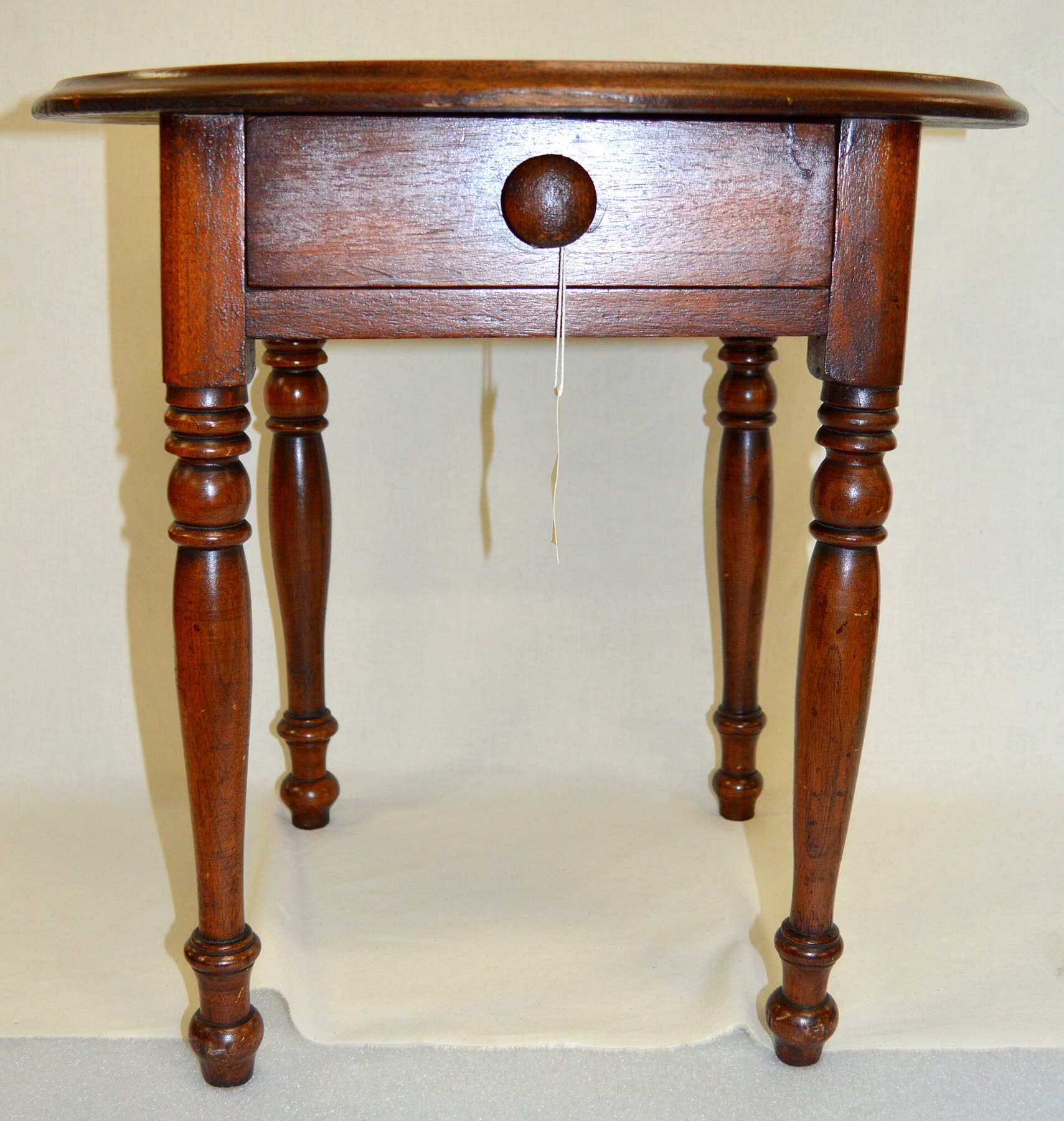
1. Mainstream furniture retailers (small-space full-size tables)
Large retailers treat compact round tables as part of their regular furniture lines. On IKEA’s US site, the small-size round dining tables filter narrows down to round tables marketed for small dining areas, not dollhouses. The listings focus on:
- Dimensions (diameter, height) in full-size terms.
- Materials (wood, metal, glass) and finish.
- Room type (dining, accent, outdoor) rather than collector use.
Operationally, these retailers:
- List tables as standard furniture SKUs, not collector items.
- Sell directly to individual buyers; small sellers usually buy at retail unless they have a separate trade program.
If you’re furnishing small physical spaces, this is the most straightforward route. For a small ecommerce shop, retail platforms rarely make sense as a primary wholesale source—you’re buying the same SKUs your customers can buy directly.
2. Craft and artisan marketplaces (dollhouse miniatures)
Craft marketplaces like Etsy host many independent sellers producing and reselling miniature furniture. A search for “round dollhouse table” on Etsy returns a wide range of handmade and small-batch tables, often tagged with scales (1:12, 1:6) and specific styles (mid-century, farmhouse, Victorian). You can see this variety in Etsy’s round dollhouse table results.
Here, the platform model is different:
- Etsy doesn’t own inventory; individual artisans and micro-brands list their own items.
- Scale and materials are seller-provided details—wood vs resin, painted vs unfinished.
- You can often request small customizations or bulk orders directly with a seller, though formal MOQs are less standardized than on wholesale platforms.
For hobbyists, the variety and handmade focus are a big draw. For small ecommerce businesses, Etsy can be both a sourcing source (if you’re curating others’ work with permission) and a sales channel for your own miniature round tables.
3. Specialty dollhouse and miniature furniture shops
Dedicated miniature sites sit between mass retail and artisan marketplaces. The Little Dollhouse Company, Just Miniature Scale, and similar sites sell miniature round tables and kits aimed at collectors and hobbyists. Their listings clearly target dollhouse use and often highlight compatible scales.
On The Little Dollhouse Company’s site, for example, you’ll find both finished miniature round dining tables and DIY kits labeled with scale and recommended age, positioned as collector-grade furniture rather than generic toys.
These platforms typically:
- Curate product lines from multiple brands or in-house makers.
- Emphasize scale accuracy and hobbyist needs.
- Offer consistent categorization (dining room, living room, occasional tables) that makes it easier to build full sets.
For serious miniature collectors and niche resellers, specialty shops are often a clean way to keep scale and style consistent.
4. General online marketplaces and miniature-focused retailers
Editorial coverage from miniature-collecting communities often points to general marketplaces such as Amazon and eBay, plus niche sites like Miniatures.com and Dollhouse City, as commonly suggested sources for miniature furniture.
These platforms operate as multi-seller or multi-brand hubs with a wide range of quality and styles. In practice, you’ll see:
- Both mass-produced miniatures and more detailed pieces.
- Mixed listing quality: some with precise scale specs, some with only vague size descriptions.
- Opportunities for small ecommerce businesses to resell or private-label standard miniature designs.
If you’re price-sensitive or testing product-market fit for miniature round tables, these general marketplaces can be a practical starting point, but scale verification is on you.
Comparing Routes: Pricing, Volume, Protection Signals, and Who Each Platform Suits
No single platform is “best” for miniature round tables; each route fits different buyers and business models. The table below is an editorial snapshot of how these platform types tend to behave for this niche. Actual terms always depend on individual sellers and any trade programs.
| Platform type | What it mainly sells for this niche | Typical buyer fit | Volume friendliness (editorial view, not a guarantee) |
|---|---|---|---|
| Big-box furniture retailers | Small-space full-size round tables | Individuals furnishing real spaces | Low for resale; mostly single-unit retail |
| Craft/artisan marketplaces | Handmade dollhouse round tables and sets | Hobbyists; micro-brands; custom orders | Medium; depends on each maker’s willingness to do repeats |
| Specialty dollhouse shops | Curated miniature round tables and DIY kits | Collectors; focused miniature resellers | Medium–high; some repeatable, scale-consistent lines |
| General marketplaces (Amazon/eBay, Miniatures.com) | Mix of mass-produced and niche miniatures | Bargain hunters; testers; broad resellers | Medium; useful for testing SKUs and sourcing standard designs |
For hobbyists, the key trade-off is uniqueness vs price. Specialty dollhouse sites and artisan marketplaces tend to deliver more character and clearer scale information; general marketplaces often win on sheer selection and lower pricing for mass-produced pieces.
For small ecommerce businesses, you need to layer in sourcing practicality:
- Testing a concept: Start with general marketplaces or specialty shops, buying small runs of miniature round tables to see what sells.
- Building a brand around handmade miniatures: Use craft marketplaces (Etsy) primarily as a sales channel for your own work, and possibly source unfinished blanks or hardware from general marketplaces.
- Curating a tight, scale-consistent assortment: Lean on specialty miniature shops and miniature-focused retailers (such as Miniatures.com) where scale and collections are consistent.
Cross-border marketplaces in the mix
Cross-border marketplaces such as DHgate can list miniature furniture alongside many other SKUs. As a US buyer or small seller, this route can make sense if you’re seeking lower per-unit costs on mass-produced miniature round tables or custom manufacturing in volume.
However, you shoulder more verification work:
- Make sure the scale is clear (e.g., 1:12 vs 1:6) and matches your existing catalog.
- Confirm materials and finish (solid wood vs MDF vs plastic) and whether pieces arrive assembled.
- Look carefully at seller ratings and past order volume to gauge listing reliability.
- Check indicative shipping times and factor in delays for cross-border freight.
If you need broader context on marketplace structures when you’re evaluating a platform such as DHgate against others, it can help to read neutral explainers on how online marketplaces and shopping platforms differ.
Scenario snapshots: which route might fit you
- US hobbyist decorating a single dollhouse: Start with specialty dollhouse shops and Etsy artisans. You’ll get better scale labeling and pieces designed to work together.
- Small Etsy seller launching a miniature furniture line: Treat specialty shops and general marketplaces (Amazon, Miniatures.com) as inspiration and occasional supply for components, but focus on your own designs or customized pieces to avoid direct SKU clashes.
- Home-stager or interior designer furnishing small apartments: Use mainstream furniture retailers like IKEA for compact round dining and accent tables; miniature platforms aren’t relevant here.
- Shopify store testing miniature decor with cross-border sourcing: Consider a limited test order from a cross-border marketplace, but only after confirming scale and quality. Once you know your best-selling sizes and finishes, you can decide whether deeper sourcing via cross-border channels is worth the complexity.
The practical move is to decide your scale and buyer profile first, then pick the platform type that matches: furniture retailers for real small-space tables, craft and specialty miniature shops for dollhouse-scale round tables, and cross-border marketplaces only when you’re ready to manage the extra verification and logistics yourself.