
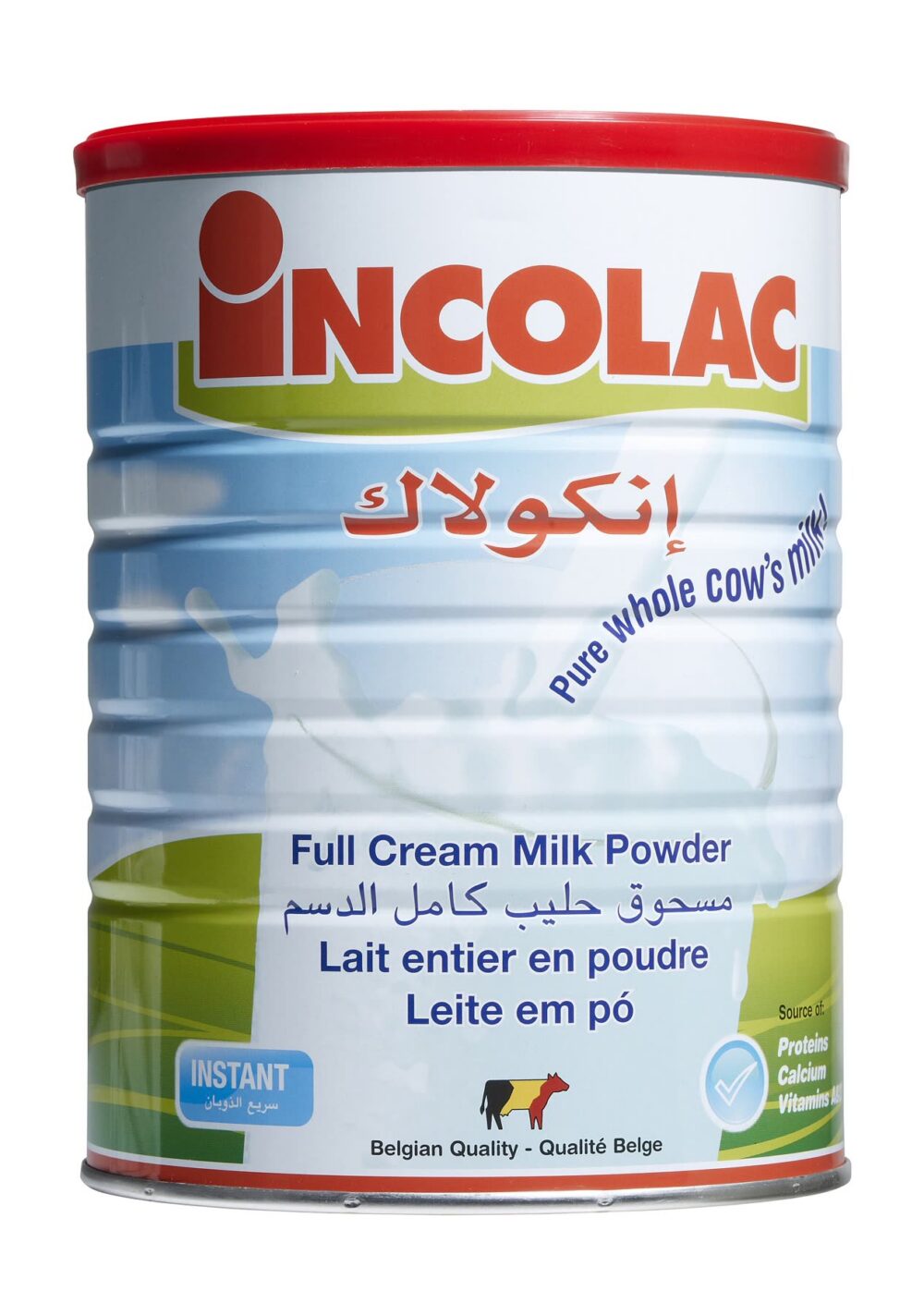
For most Australian buyers, the most practical place to buy milk powder sachets is still standard online grocery and specialty food retailers. They already deliver across much of the country, stock familiar powdered milk brands, and occasionally carry single‑serve sachet packs or small portioned formats. Small eCommerce businesses, though, may find better unit economics by mixing local suppliers for everyday stock with global marketplaces for bulk powder or niche sachet lines.
Milk powder review content aimed at Australian shoppers shows plenty of demand and brand choice, but it tends to focus on tins and bags rather than sachets.Review overview That’s why choosing the right platform matters: some are built for household grocery orders, others for ingredients, and a few for cross‑border sourcing.
How the Online Market for Milk Powder Sachets Works in Australia
Online, powdered milk for Australian addresses shows up in three main ways:
- General grocery listings – major supermarkets list powdered milk in their everyday dairy or baking categories, so you can add it to your regular online shop alongside fruit and pantry goods. These listings skew toward larger packs and formats such as tins and bags, rather than sachets.
- Portioned consumer products – global brands like Nido, Klim and Marvel illustrate how powdered milk is packaged worldwide, often including smaller, portioned formats suitable for individual servings or travel.Powdered milk brands
- Local sachet examples – Australian‑market products that mention 25 g sachets, such as AU KingCare Full Cream Instant Milk Powder, confirm that single‑serve sachets are available even if they’re not as common as big bags.
For everyday households, this means sachets are a niche convenience rather than the default format. For sellers or offices, the same structure makes sachets slightly harder to source at scale domestically, so you may need to mix formats or look beyond standard grocery sites.
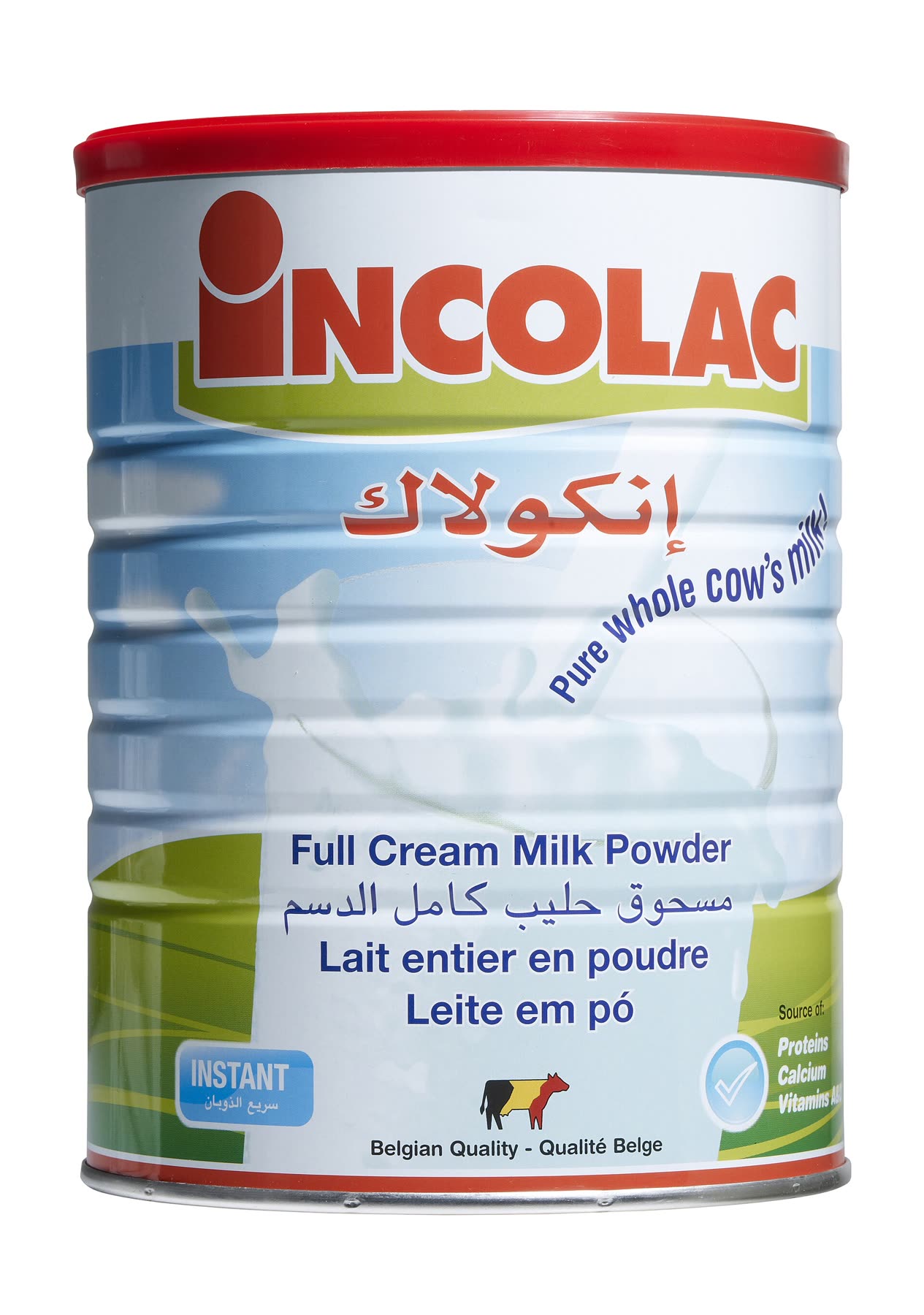
Retail, Wholesale and Marketplace Routes for Milk Powder Sachets
Milk powder sachets can appear on several platform types, each built for different buyers.
1. Domestic supermarket and general grocery sites
These are the same online supermarkets Australians use for weekly food orders. They usually sell:
- Large tins or bags of full‑cream and skim powdered milk.
- Occasional travel‑friendly or “instant” formats; sachets may be limited compared with bulk packs.
Operationally, you buy directly from the retailer for home use, with standard consumer delivery windows. This route works best if you only need a few boxes of sachets or are happy decanting powder into your own portion packs.
2. Specialty food and niche dairy retailers
Specialty food websites and niche dairy shops focus on particular ingredients or convenience formats: coffee companions, hot chocolate mixes, camping food, and sometimes premade milk sachets aimed at hospitality.
Compared to supermarkets, these platforms:
- Are more likely to carry unusual sachet formats or specific brands, including imported ones.
- May offer small case quantities suitable for cafés, hostels or small offices.
They still operate as retailers, so you’re buying finished consumer products, not raw ingredients.
3. Local ingredient suppliers and B2B dairy platforms
Australian ingredient suppliers such as the dairy‑focused business highlighted in the “Milk Powder | Wellshine Wellson” result position themselves around premium milk powder and formulated solutions for B2B buyers.Australian ingredient supplier
They are typically set up for:
- Bulk bags or industrial packaging.
- Food manufacturers, repackers, or large hospitality chains.
For sachets, these platforms are more relevant if you plan to manufacture or contract‑pack your own single‑serve sticks using bulk powder.
4. Global online marketplaces
Global marketplaces (like large international retail sites and major Asian platforms) list both branded powdered milk and private‑label sachets, sold by many third‑party merchants. These sites:
- Can expose Australian buyers to brands and formats not stocked locally.
- Often have listings either for finished sachets or for bulk powder suitable for repacking.
You’re buying from individual sellers rather than the marketplace itself, so product range, packaging quality and shipping experience vary and must be checked listing by listing.
Quick view: how these routes differ
| Platform type | Typical pack format | Order size sweet spot | Best suited for |
|---|---|---|---|
| Supermarket / general grocery | Tins, bags, some small packs | Household or small office orders | Home use, light travel, basic office stock |
| Specialty food / niche dairy | Convenience sachets, mixes | Cases of consumer packs | Cafés, hostels, sachet‑focused use |
| Local ingredient supplier (B2B) | Bulk powder, industrial bags | Cartons or larger bulk | Manufacturing, private‑label sachets |
| Global online marketplace | Mix of sachets and bulk powder | From trial orders to bulk sourcing | Niche brands, cross‑border supply for resellers |
Comparing Platform Options and Matching Them to Your Buying Scenario
Travel sachets and backpacking
If you’re packing powdered milk for hostels or camping, supermarkets and specialty food sites are the easiest:
- Check general grocery sites first for instant powdered milk you can spoon into small containers or reusable travel jars.
- If you specifically want pre‑measured sachets to avoid carrying scoops or exposing bulk powder to moisture, search specialty food or convenience‑oriented retailers; sachet‑format products like the AU‑market 25 g packs demonstrate that travel‑ready options exist, even if selection is limited.
For this scenario, global marketplaces usually aren’t necessary unless you’re chasing a very specific brand that isn’t stocked in Australia and you’re comfortable with international shipping times.
Office kitchens, cafés and hostels
If you need sachets for shared kitchens or guests, look beyond household‑size grocery orders:
- Specialty food sites and some supermarkets may sell cases of sachets or instant mixes that work for office coffee stations.
- For hostels or cafés, you might combine bulk powdered milk from local ingredient suppliers with your own portioning system if ready‑made sachets are too expensive or hard to source.
Here, thinking about how quickly staff or guests will use the milk powder helps you choose between sachets and bulk packs. Sachets reduce the chance of open containers going stale in a slow‑moving office kitchen, while high‑turnover venues may prefer bulk packs that staff portion into jugs or dispensers.
Small eCommerce stores and cross‑border sourcing
For small online retailers who want to resell milk powder sachets, the platform choice broadens:
- Local ingredient suppliers are useful if you’re building a private‑label sachet line with contract packing in Australia, using bulk powder as the base.
- Global marketplaces let you explore ready‑made sachets and bulk powder from international brands or manufacturers that may not be listed on domestic sites.
For many young stores, though, starting with domestic supermarkets or specialty food wholesalers to test demand, then gradually layering in cross‑border sourcing once you’re confident in product‑market fit, is a more manageable route.
When you do explore cross‑border options on multi‑seller platforms (including DHgate and similar marketplaces), treat each listing as its own micro‑supplier: check product descriptions, packaging format, and whether the seller clearly states that they ship to Australia before committing to any order.
Matching your scenario to a platform
Use these simple cues:
- You’re a household buyer → grocery site first for tins and bags; specialty food if you specifically need sachets for travel or occasional use.
- You’re buying for an office or hostel → specialty food or convenience‑focused retailers that sell cases; consider bulk powder plus your own portioning if sachets are scarce or create too much packaging waste.
- You’re a small eCommerce business → mix local ingredient suppliers for bulk powder with carefully vetted global marketplace listings for niche sachet formats, only after checking that the product type and shipping arrangements work for Australian import and your storage setup.
Powdered milk’s flexibility – from big bags to single‑serve sachets – means you can usually match format and platform to how you store, share and sell it, rather than forcing one route to fit every scenario.