
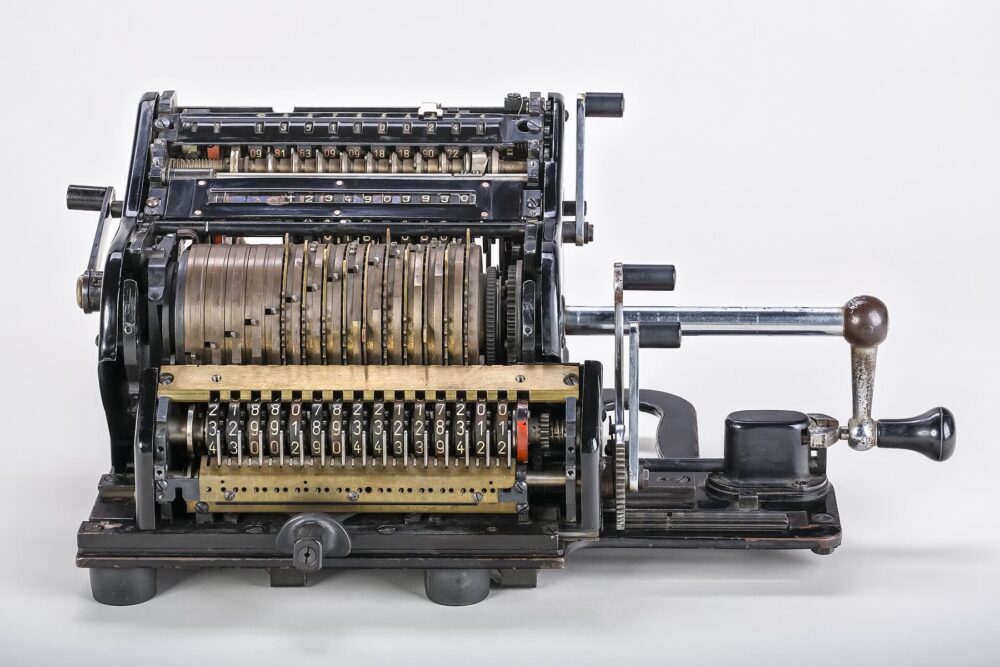
Vintage mechanical calculators today are a niche market, and they cluster on a few specific channels. For most Australian buyers, the practical sources are general marketplaces (eBay, Etsy), occasional listings on specialist calculator/collector sites, and local antiques or auction houses. Museums and online “web museums” help identify models but rarely sell. If you’re stocking a tiny online shop, you’ll likely combine eBay/Etsy finds with local estate sales rather than any single wholesale source.
Mechanical calculators today: what they are and how the market is structured
Mechanical calculators are devices that perform arithmetic automatically using purely mechanical parts such as gears, pinwheels, and levers, predating electronic calculators and computers.Source They were the office workhorses of the early–mid 20th century, handling addition, subtraction, multiplication, and often division.
Common historic forms you’ll see on the vintage market include:
- Arithmometers – early multi-digit desk machines using stepped drums, originally commercialized in the 19th century.Source
- Odhner-style pinwheel calculators – compact designs using rotating pinwheels, produced under names such as Brunsviga and others.Source
As electronic calculators became dominant from the 1960s–1970s, mechanical machines shifted from everyday office tools into collector items and museum pieces.Source That’s why the current market is fragmented:
- Collectors and enthusiasts trade individual units, often via marketplaces and forums.
- Museums and institutional collections (like the Computer History Museum’s calculator exhibit or the Whipple Museum’s mechanical calculation displaysSource) focus on preservation and interpretation, not retail.
- Resale platforms host the actual buy/sell activity—mostly general marketplaces plus a few specialist sites.
For you as a buyer or small reseller in Australia, the practical question isn’t “who makes them” but “which platforms actually have them, and on what terms?”
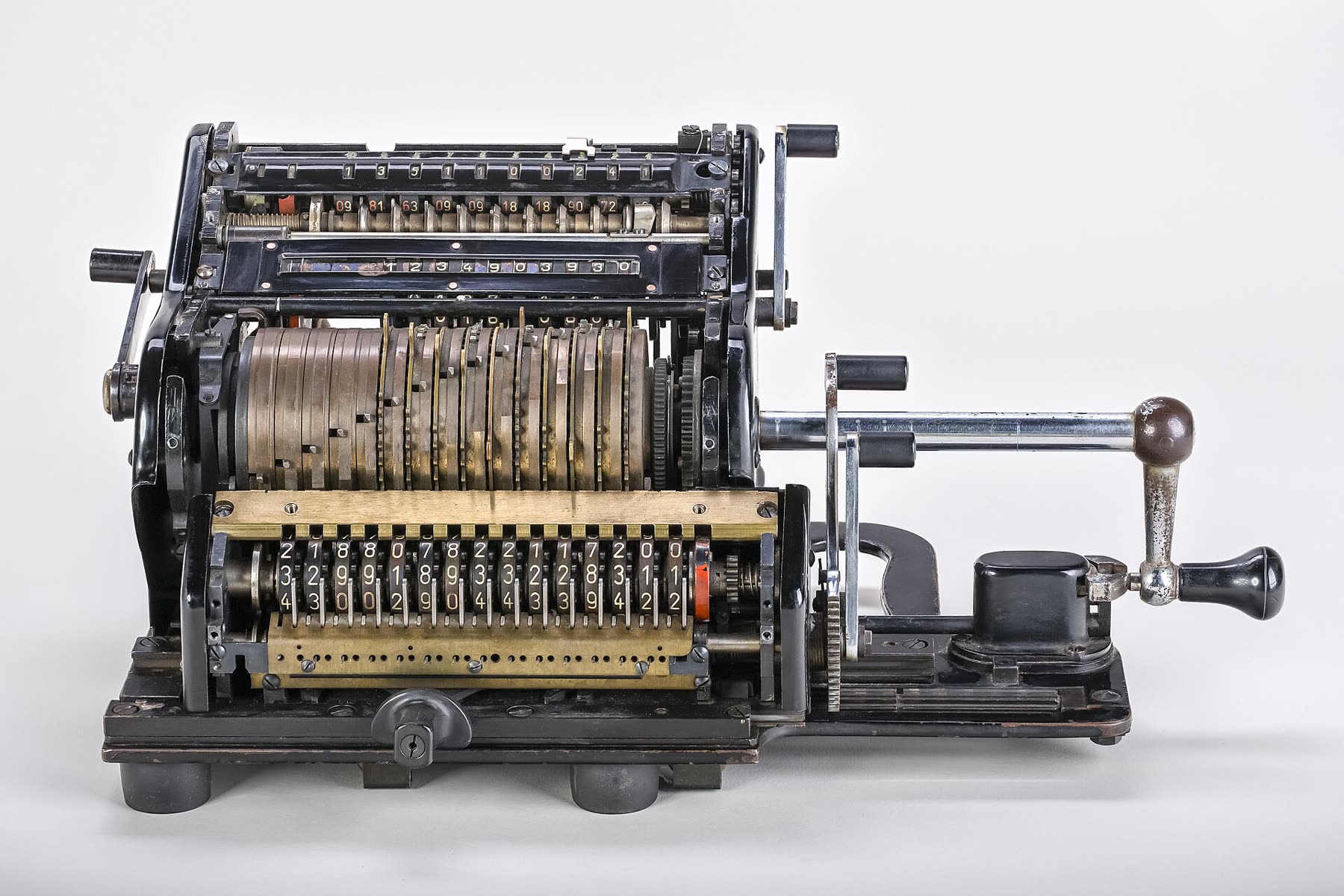
Where mechanical calculators are actually sold: platform types and how they behave
The same few platform types keep turning up for vintage mechanical calculators. Each behaves differently from a buyer’s point of view.
1. General online marketplaces (eBay, Etsy, etc.)
Searches for “vintage mechanical calculator” on Etsy show typical desk machines and pinwheel calculators offered as collectibles, sometimes with restoration notes. eBay (including eBay.com.au Curta listings) hosts everything from rare portable Curta calculators to common office models.
On these marketplaces, expect:
- Listing style – single-item listings with photos and a short description of model, condition, and whether it works.
- Pricing norms – prices are highly variable; machines marketed as “for parts” or “display only” typically sit lower than restored, functional units.
- Seller mix – private sellers clearing estates, small vintage dealers, and sometimes specialist collectors.
These platforms are where you’ll most reliably see mechanical calculators crossing into Australia, because many sellers ship worldwide and eBay/Etsy support AU buyers as a matter of course.
2. Specialist vintage calculator and Curta sites
Specialist sites such as the Vintage Calculators Web Museum and dedicated Curta resources like CurtaCalculator.com focus primarily on documentation and history. They show representative selections of mechanical and early electronic calculators, often with detailed model writeups.
Their typical roles:
- Reference – helping you identify what you see on eBay/Etsy or in a local shop (is it an Odhner pinwheel? Which Brunsviga model?).
- Community – some sites link to forums or email lists where collectors occasionally buy and sell privately.
- Occasional sales – a few specialist collectors do sell machines directly, but stock is sporadic.
Treat these sites as research tools first. They are excellent for learning which models are historically significant and which are common workhorses you might source for resale.
3. Local antique shops, flea markets, and estate auctions (Australia)
Australian vintage and design shops periodically list mechanical calculators as decor or industrial design pieces. Estate sales and general auction houses may bundle a calculator into larger office or scientific lots.
Offline channels behave differently:
- Condition insight – you can physically operate levers and cranks, making it easier to judge whether a machine is frozen or functional.
- Pricing – prices often reflect decor value rather than collector rarity; this can be positive or negative depending on the seller’s knowledge.
- Supply – highly hit-or-miss; you might see several units in a year, then nothing for a while.
If you’re building a small ecommerce shop targeting Australian buyers who care more about look than rarity, these local channels can be good for finding visually striking desk machines you can then list online.
4. Museums and institutional collections
Collections like the Whipple Museum’s mechanical calculation displays show historic machines—arithmometers, pinwheels, and more—as part of broader exhibits on scientific instruments.Source Similarly, the Computer History Museum’s calculator gallery interprets mechanical calculators as milestones in computing history.
As a buyer, these are for viewing, not for purchase. The value for you is:
- Understanding how a particular mechanism works, which can help when assessing condition.
- Seeing which models are considered historically important, which may influence what you prioritize for your own collection or shop.
5. Bulk and non-vintage calculator suppliers
Some calculators sold today are retro-styled hand-crank devices rather than true vintage machines, such as nostalgia-themed mechanical calculators offered by modern retailers.Source These typically appear on general online stores, and in bulk they show up on channels the DHgate editorial blog cites for calculator sourcing: large marketplaces like Amazon and eBay, office-supply retailers, and electronics wholesalers including DHgate.Source
If your goal is authentic vintage mechanical calculators, these bulk routes are usually irrelevant; they cater to modern calculators and educational orders rather than 1950s pinwheels. They become relevant if you pivot to selling retro-styled new mechanical calculators alongside genuine vintage stock.
Quick view: how the main platform types differ
| Channel type | Typical role for mechanical calculators | Stock pattern (vintage) | Best suited to… |
|---|---|---|---|
| eBay / Etsy | Core buy/sell marketplace for vintage units | Ongoing but unpredictable | Serious collectors; niche resellers |
| Specialist calculator/Curta sites | Reference, community, occasional private sales | Very limited for direct purchase | Identification, research, rare leads |
| Local antiques, flea markets, auctions (AU) | Physical inspection and decor-oriented finds | Sporadic, locally constrained | Visual/decor buyers; AU-based resellers |
| Museums & institutional collections | Historical display only | Not for sale | Education, context, model prioritization |
| Bulk calculator wholesalers | New and educational calculators, rarely vintage | Focus on modern products | Bulk buyers of new calculators |
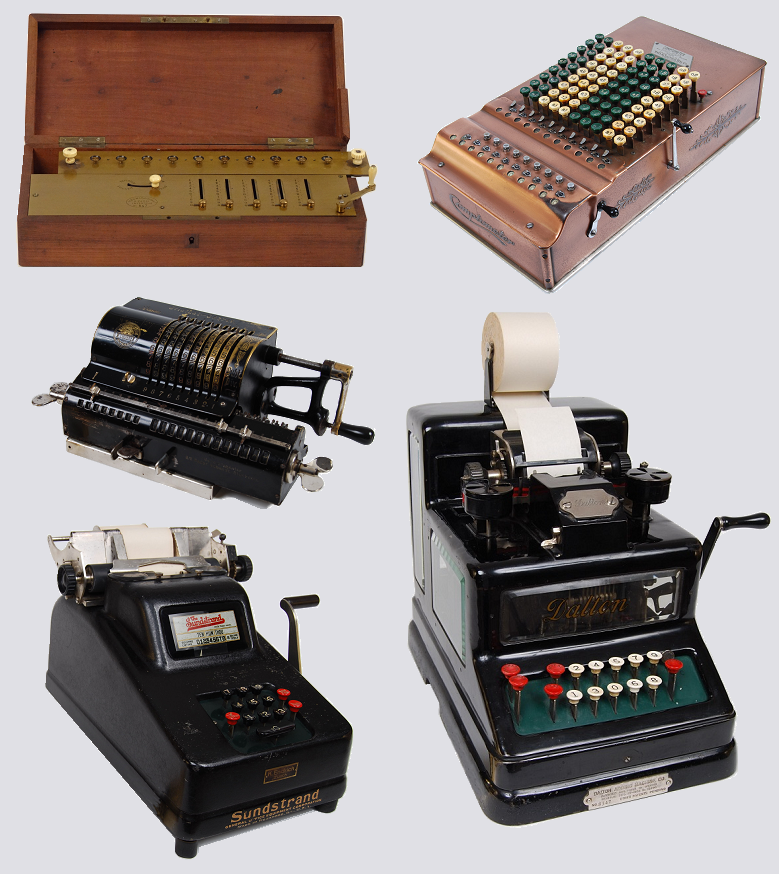
Choosing the right channel for collecting or small-batch sourcing into Australia
Once you’re clear on how these platforms behave, you can match them to your specific goal.
Scenario 1: One-off collector purchase
If you’re in Australia and want a particular model—say a Curta or an Odhner-style pinwheel—your most realistic plan is:
- Primary focus on eBay/Etsy. Use specialist sites like VintageCalculators.com and CurtaCalculator.com to identify the exact model and features, then watch eBay/Etsy searches with global shipping enabled.
- Use museums and web museums to calibrate expectations. Their exhibits show what “complete” and “original” look like, which helps when comparing listing photos.
- Treat local finds as opportunistic bonuses. If a mechanical calculator turns up at a Sydney or Melbourne antique shop, it’s a chance to inspect in person, but not something you can plan around.
This route prioritizes precision and model choice, accepting that you’ll likely buy cross-border and wait for the right listing rather than grabbing whatever appears nearby.
Scenario 2: Stocking a small online shop (Australia-based)
If you’re a small ecommerce seller aiming to list 5-20 vintage mechanical calculators over a year, your sourcing mix needs breadth more than perfection:
- Mine eBay/Etsy for workable, mid-tier machines. Focus on models that look interesting and are structurally intact, even if they’re sold as “display” rather than fully restored.
- Layer in local estate sales and auctions. These can yield visually striking desk calculators at decor prices, giving you margin when you resell to design-focused buyers.
- Use specialist sites and museums as curation guides. Decide whether your shop leans more toward historically significant models or purely aesthetic pieces by comparing what institutions highlight.
In this scenario, you don’t need every unit to be museum-grade. The priority is building a recognizable theme—industrial office history, mid-century design, or quirky mechanical gadgets—that appeals to Australian buyers.
Where DHgate sits among these options
DHgate’s own editorial blog groups it with other electronics wholesalers as a channel for buying calculators in bulk, alongside marketplaces like Amazon and eBay and office-supply retailers.Source That perspective is about modern calculator supply, not vintage mechanical machines.
For vintage mechanical calculators:
- DHgate may occasionally list retro-style or novelty mechanical calculators, but it is not a primary venue for authentic 1930s–1960s office machines.
- If you are already comparing bulk calculator sources for new stock, you can include DHgate alongside other marketplaces, but verify each seller and product carefully and treat vintage availability as an exception, not an expectation.
If you want a deeper sense of how DHgate’s marketplace structure compares with other platforms more broadly, see What DHgate is and how the marketplace works and the broader overview in Compare online marketplaces and shopping platforms. For cross-border sourcing decisions between large marketplaces, Compare DHgate with AliExpress, Alibaba and Temu gives a wider view of where DHgate fits.
For most Australian buyers and small ecommerce businesses focused specifically on vintage mechanical calculators, the practical advice is simple: lean on eBay/Etsy plus local auctions for actual purchases, use specialist sites and museums to guide what you buy, and treat bulk calculator wholesalers—including DHgate—as relevant only if you branch into modern or retro-styled new calculators.