
Lorus is an affordable brand under the Seiko umbrella, and that shapes how it’s sold: you’ll see relatively steady pricing at authorized retailers, more scatter on marketplaces, and occasional bulk offers on wholesale-style platforms. For a single watch in Canada or the US, buying from a jeweler or brand-linked retailer usually costs a bit more but keeps pricing and authenticity predictable. If you’re hunting deals, marketplaces can undercut those prices but add variation in condition and seller reliability. Small resellers looking to stock Lorus often mix channels: retail for hero models, and carefully vetted marketplaces or wholesale sources for margin.
Where Lorus Sits in the Watch Market
Lorus is part of the Seiko Group, positioned as an accessible way into Japanese watchmaking rather than a premium or luxury label. The official site highlights a wide mix of casual, sports, and classic designs aimed at everyday wear rather than collectors’ pieces.Home – Lorus Buyers typically get simple, reliable quartz movements with straightforward styling rather than complicated mechanics.
Editorial sources that track budget watches describe Lorus as an entry-level brand whose models generally sit well under about US$150 for most variants, putting it firmly in the budget-friendly segment.Best Lorus Watches That price band is important: it means a $20-30 swing between platforms is proportionally large, and it’s easier for marketplace pricing and condition differences to matter.
Lorus’ typical strengths, described in multiple editorials, are affordability, everyday durability, and Japanese quartz movements that are designed to keep time reliably rather than impress with mechanical complexity.Why Lorus Watches Are the Best Affordable Timepieces Those traits make the brand attractive both to budget-focused buyers and to small sellers who want easy-to-understand inventory without high upfront risk.
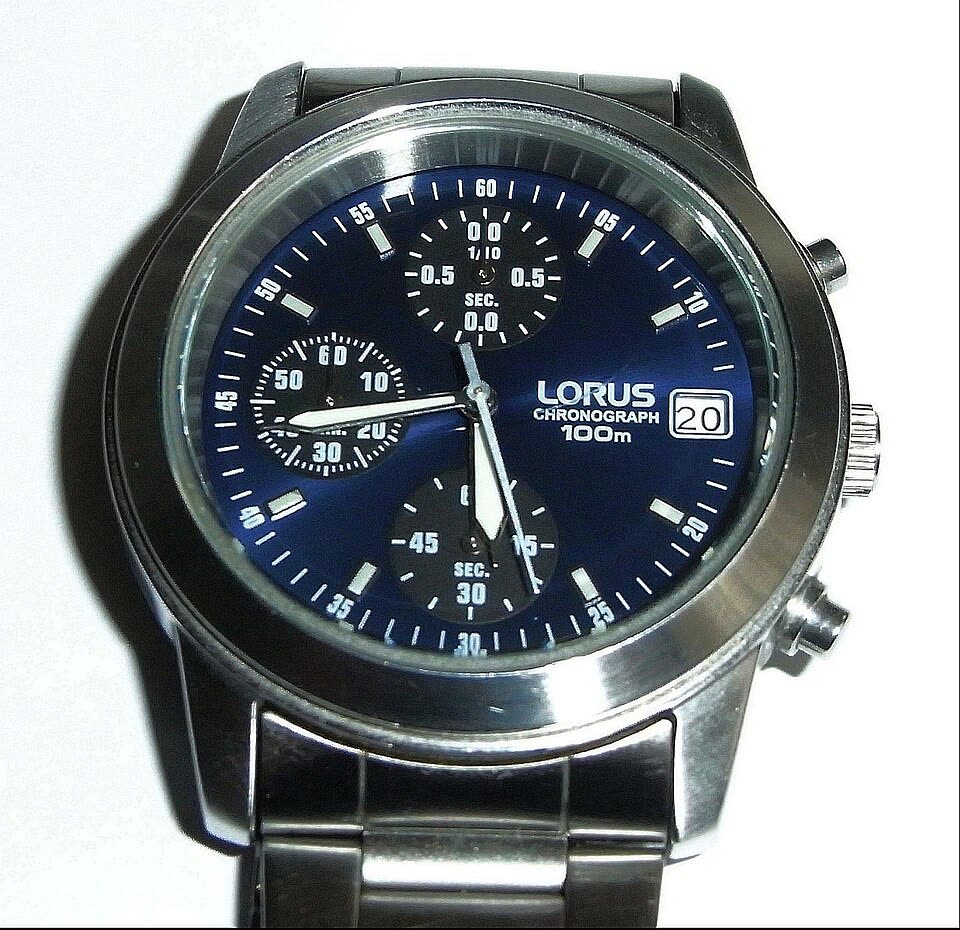
How Different Platform Types Sell Lorus Watches
Lorus shows up across several platform types, and each handles pricing and risk a bit differently.
1. Authorized jewellers and brand-linked retailers
Jewellers that work closely with Seiko Group brands, like Juwelier Van de Heyning, present Lorus as “Japanese quality at an affordable price” and usually keep prices in a narrow band for each reference. You’ll see new watches, manufacturer-backed positioning, and clear product descriptions.
Prices at these retailers are typically:
- Consistent across the same model, with small differences due to local promotions or currency.
- Anchored to official or widely accepted retail levels rather than aggressive discounting.
- Focused on new, current collections, with limited older stock.
For Canadians and Americans, comparable experiences would be regional jewelers or established watch shops that list Lorus online. You pay close to the standard retail price, but you minimize authenticity questions and get straightforward support if something’s wrong.
2. Large retail marketplaces and watch-focused platforms
On marketplace-style platforms, Lorus appears via many independent sellers. A good illustration is Chrono24’s Lorus page, where the brand is offered in different conditions and with varied pricing. Some listings look closer to retail; others are cheaper, potentially reflecting older or lightly used stock.
That multi-seller structure typically means:
- Broader price dispersion, especially for discontinued models and watches sold as pre-owned.
- Mixed condition (new, “like new,” and visibly worn) that directly affects price.
- Varying degrees of listing detail and seller responsiveness.
Marketplace listings are where you’re more likely to see a Lorus watch noticeably below standard retail, but the discount is tied to the specific seller’s situation and the watch’s condition rather than a brand-wide policy.
3. Wholesale and cross-border sourcing platforms
For small ecommerce businesses, the question is whether Lorus appears on wholesale-style or cross-border marketplaces among bulk or semi-bulk listings. These platforms can list Lorus alongside many other affordable brands, often in mixed assortments or as parallel-import stock.
Here, prices tend to reflect:
- Quantity: per-unit pricing sometimes improves with higher order sizes.
- Less standardized channel: stock may be a mix of current, older, or overstocks.
- Cross-border variables: exchange rates and shipping can erase apparent savings.
Quick comparison of platform dynamics for Lorus
| Platform type | Typical pricing pattern | Common product condition | Who it suits best |
|---|---|---|---|
| Authorized jeweller / brand retailer | Fairly consistent, near standard retail | New | Personal buyers prioritizing assurance |
| Large retail/ watch marketplace (e.g., Chrono24) | Wide variation across sellers and models | New and pre-owned | Deal hunters, niche-model buyers |
| Wholesale / cross-border marketplaces | Per-unit price can drop with volume; volatile with FX and shipping | New or mixed (often older/overstock) | Small resellers willing to vet listings |
Choosing the Right Channel for Your Lorus Purchase or Stock
For buyers and small ecommerce operators in Canada or the US, the “best” platform depends on why you’re buying and how much risk and time you’re willing to invest.
Scenario: single watch for everyday wear
If your goal is a reliable daily watch and you don’t want to spend time checking listings, an authorized or brand-linked retailer is usually the simplest choice. You’ll likely pay something close to the typical Lorus price band (generally under about US$150 for most models), get a new watch, and avoid worrying about hidden wear or ambiguous origins.
A marketplace listing might save you a bit if the watch is discounted or pre-owned, but with lower-priced brands the absolute savings can be modest. The tradeoff is more work inspecting photos and descriptions, and being comfortable with seller-by-seller policies on returns and issues.
Scenario: small reseller testing Lorus as inventory
Lorus’ affordability and reputation for solid, everyday quartz movements make it appealing as entry-level stock for a micro store or online shop.Why Lorus Watches Are the Best Affordable Timepieces If you’re buying a handful of pieces to test demand:
- Start with a mix of channels. Use an authorized retailer for a few current, representative models that showcase the brand’s quality and design. This keeps your first customer impressions safe.
- Experiment with carefully selected marketplace or cross-border offers for secondary stock, especially if you find older models or bundles at a discount.
Because you’re likely dealing in small quantities, the benefits of wholesale-style platforms are limited unless you find a supplier with consistently described, authentic stock. Currency conversion, shipping, and duties can easily erase headline per-unit savings.
For broader marketplace context (Amazon, AliExpress, Alibaba, DHgate, Temu and others), DHgateWiki’s article on comparing online marketplaces and shopping platforms and the deeper comparison of DHgate vs AliExpress, Alibaba and Temu can help you position Lorus within your overall sourcing strategy, even if you ultimately decide a different platform route fits better.
Cross-border considerations for Canada/US
Buying Lorus across borders adds a few extra variables:
- Currency: the brand’s pricing is often quoted in euros or pounds by European retailers; converting to CAD or USD can change whether a deal is actually cheap.
- Duties and tax: Lorus sits in a low-to-mid price range, but duties and sales tax can still push a “great deal” into ordinary territory. Treat landed cost, not sticker price, as your decision point.
- Returns: cross-border returns on budget watches can be uneconomical if shipping costs are high. That favors channels where you’re confident about what you’ll receive.
For many buyers, those factors nudge the decision toward reputable local or regional sellers for everyday purchases, and toward more cautious, targeted use of international marketplaces when you have a specific model in mind or a clear sourcing plan.
The practical takeaway: Lorus’ affordability gives you flexibility, but not every platform makes equally good sense for every use. Pay a little more at an authorized-type retailer when you want a worry-free personal watch. Use marketplaces—and occasionally wholesale-style platforms—only when you’re prepared to treat each listing as a mini due-diligence project, especially if you’re buying for resale.