
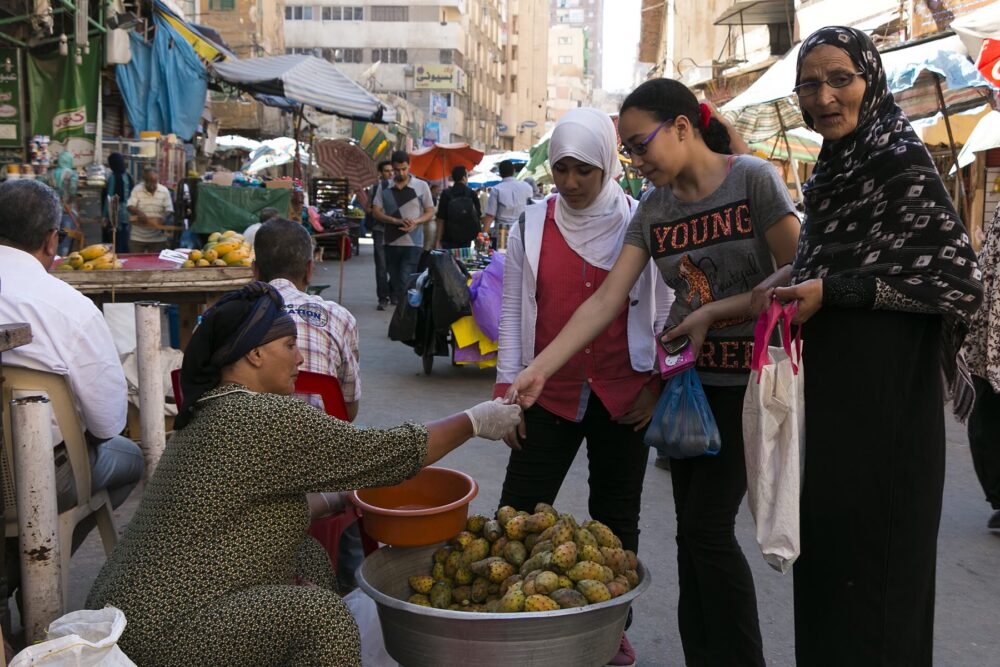
Local markets and online marketplaces are both ways to buy and sell, but they’re very different platforms. A local flea market or farmers market is a physical venue where independent vendors set up booths and sell directly to nearby shoppers. An online marketplace is a website or app that brings many sellers into one digital catalog, with search, filters, ratings, and messaging tools to connect you without needing to be face-to-face. For US buyers and small ecommerce businesses, your best move is to match the platform type to your goal: quick local deals, local-brand discovery, or scalable sourcing across the country or overseas.
What people mean by “local market” and “marketplace”
In everyday conversation, “market” can mean a lot of things: a weekend flea market, a food hall, a Facebook group, or Amazon. That ambiguity matters, because each type handles risk, distance, and scale differently.
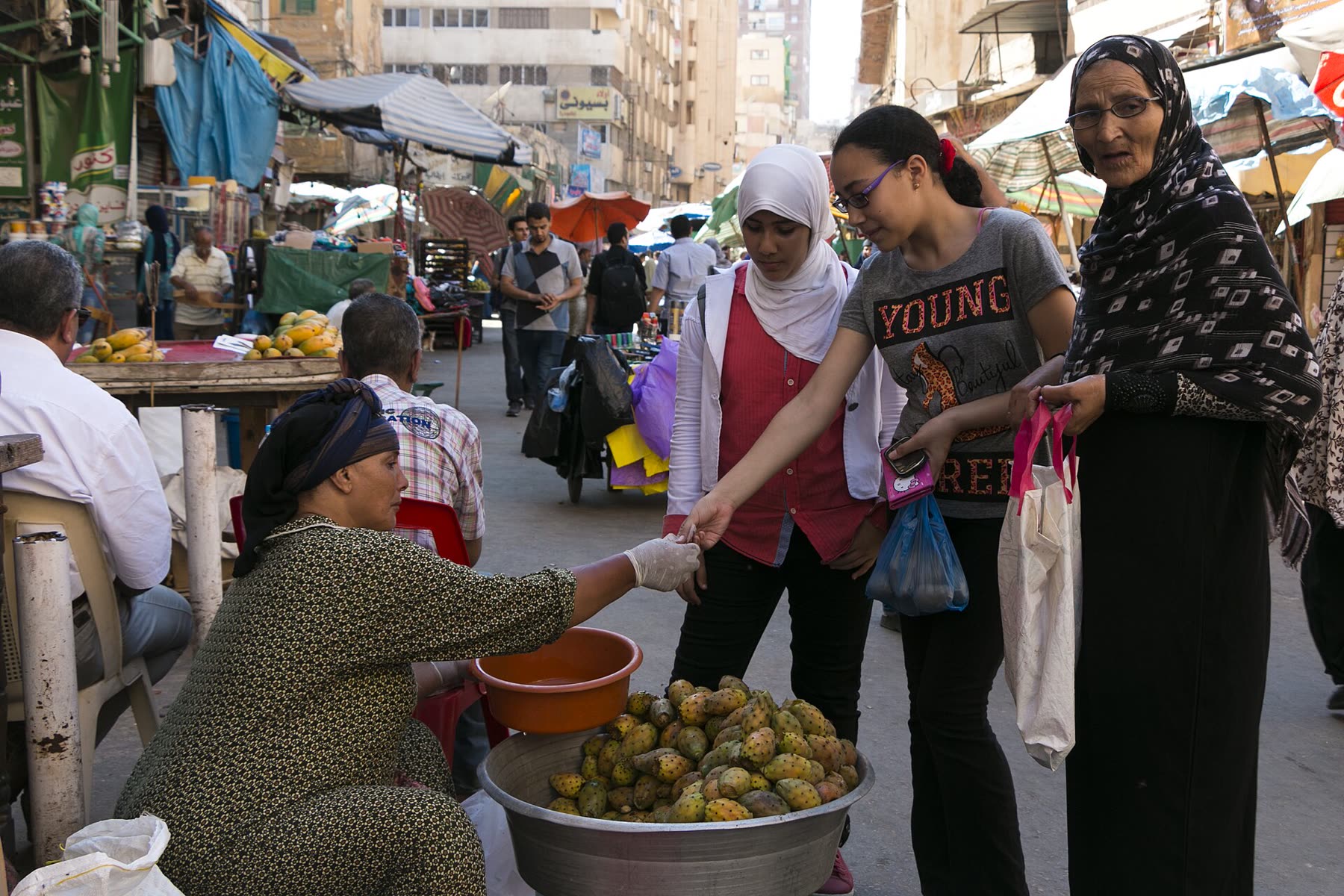
A local market is usually a physical place: flea markets, public markets, and farmers markets where individual vendors sell goods directly from stalls or tables.
Sites such as FleaMarketLocator show typical examples across the United States: vendors offering secondhand goods, antiques, collectibles, fresh produce, crafts, and more in a shared physical space. You walk the aisles, inspect items in person, and negotiate or pay on the spot.
A marketplace in the ecommerce sense is a digital platform that hosts multiple sellers at once. Online marketplaces – described by guides like Homeowner.com’s local-selling overview – are built around a few shared mechanics:
- Many independent sellers listing products or services
- A catalog with search and filters
- Basic profile information for each seller
- Ratings/reviews and some way to message or comment
Some brands even use “Local Market” in their name while being online-first. For example, Local Market connects shoppers with local farms and artisans, and platforms such as Beyond Main focus on nearby independent retailers. They feel like local markets, but you interact through a website rather than a parking lot or town square.
If you’re sourcing for a small ecommerce business, this naming mess can lead you to the wrong channel. A “local market” might be perfect for discovering a new candle maker or produce supplier, but it won’t scale like a national or cross-border marketplace that can ship pallets or repeat orders.
Platform types: from flea markets to resale apps to global marketplaces
You can think of market and marketplace options as a spectrum from hyper-local and physical to fully global and online.
1. Physical local markets (flea, farmers, public markets)
Physical local markets include flea markets, street markets, and public markets in cities and towns. Listings on FleaMarketLocator show typical setups: dozens or hundreds of vendors renting space, each running their own mini-store.
For buyers:
- You inspect items and quality in person.
- You often pay in cash or simple digital payments.
- Selection is limited to who showed up that day.
For small businesses:
- Good for scouting unique products (vintage, handmade, specialty foods).
- Limited reach: you’re working with local vendors and often small inventory.
- Relationships are built face-to-face, not through platform tools.
2. Local-first online marketplaces
These are websites or apps that deliberately emphasize nearby sellers.
- Platforms such as Local Market let farms, makers, and organizers list products and events tied to specific communities.
- Beyond Main positions itself as a local shopping marketplace, highlighting independent brick-and-mortar retailers.
What they do:
- Aggregate local sellers into one searchable catalog.
- Keep the focus on geography and community rather than national brands.
This is a middle ground: you get online convenience (search, digital ordering) while still supporting nearby producers.
3. Peer-to-peer resale apps for nearby deals
Peer-to-peer resale apps are online marketplaces where individual users sell mostly used or surplus items to other individuals, often within driving distance.
OfferUp is one US example: a mobile-focused marketplace that enables buyers and sellers in the same area to connect, message, and arrange transactions. Guides like Homeowner.com’s local-selling article group OfferUp alongside similar local resale platforms.
These apps are useful for:
- One-off consumer purchases (used furniture, electronics, baby gear).
- Micro-sourcing for resellers who flip thrifted items.
But they’re usually not built for consistent wholesale or brand-new inventory sourcing.
4. Large national and global online marketplaces
Big marketplaces such as Amazon and eBay are large multi-seller platforms where both casual buyers and small businesses shop. Industry overviews like Statista’s US online marketplace snapshot highlight how many vendors operate on these sites.
Common traits:
- Massive catalog across categories, from household items to industrial supplies.
- Mix of direct retailers, brands, and small independent sellers.
- Tools for search, sorting, and basic seller comparison.
These platforms can serve two roles:
- Everyday retail shopping.
- Light business sourcing (small bulk orders, testing products before committing to a supplier relationship elsewhere).
5. Cross-border sourcing marketplaces
Finally, there are marketplaces built around cross-border sourcing, where most sellers are overseas manufacturers or trading companies and most buyers are outside those manufacturing hubs.
DHgate is one example of a multi-seller cross-border marketplace that connects small buyers with overseas suppliers. If you want platform specifics, see What DHgate is and how the marketplace works. Other global platforms play in similar territory, typically oriented toward bulk or semi-bulk orders, private-label goods, and repeat business purchases rather than casual one-off consumer shopping.
How platform types shape your experience
You rarely choose between “market” and “marketplace” in the abstract. You choose between concrete experiences: driving to a flea market, opening a local resale app, or placing a cross-border order. Here’s how those experiences differ in practice.
| Platform type | Typical distance to seller | Product condition & type | Best suited for buyers |
|---|---|---|---|
| Physical local market | Same town/region, in person | Mix of new, handmade, used, produce | Local shoppers, micro-resellers, food businesses |
| Local-first online marketplace | Same metro/region, online order | New, handmade, specialty local goods | Shoppers wanting local brands, small retailers |
| Peer-to-peer resale app | Nearby city/metro, meet-up/ship | Mostly used consumer goods | Bargain hunters, small-scale flippers |
| Large national/global marketplace | Domestic or global, shipped | Mostly new retail goods, some used | Everyday consumers, test buys for ecommerce |
| Cross-border sourcing marketplace | Overseas, shipped cross-border | New manufactured goods, bulk-friendly | Ecommerce brands, importers, B2B buyers |
This table is editorial judgment based on how the referenced platforms operate in broad strokes, not on any one site’s promise or policies.
Matching platform types to your shopping or sourcing goal
Once you see the families of platforms, choosing a channel gets simpler. Think in terms of goals.
If you’re a local shopper
- Hunting for one-of-a-kind items or local food: Visit physical flea markets and public markets using tools such as FleaMarketLocator, and complement them with local-first marketplaces like Local Market or Beyond Main when you want to order ahead or browse from home.
- Looking for cheap secondhand goods nearby: Local peer-to-peer apps (OfferUp and similar platforms in the Homeowner.com lists) are a better fit than traveling to multiple markets, especially for furniture and electronics.
- Needing something mainstream fast: A large national marketplace such as Amazon or eBay is often simpler than checking local venues, especially for standardized products.
If you’re a small ecommerce business or reseller
- Testing a new product category with minimal risk: Start with large national marketplaces (Amazon, eBay) or local-first platforms where you can buy small quantities and gauge quality. This keeps logistics familiar while you learn.
- Curating a “shop local” brand: Focus on physical local markets, Local Market, Beyond Main, and similar platforms. You’ll be working with local producers, often at smaller scales, so expect more hands-on relationship-building.
For some businesses, a local-only marketplace is too limiting because it caps your supplier pool. For others, a cross-border platform is overkill – and adds complexity – when you’re still experimenting with products and don’t yet need overseas manufacturing.
The smart move is to treat “local market” and “marketplace” as channel names, not buzzwords. Pick the physical or online platform that matches how far you’re willing to travel, how much you’re willing to coordinate shipping, and how big a bet you’re ready to make on each product line.