
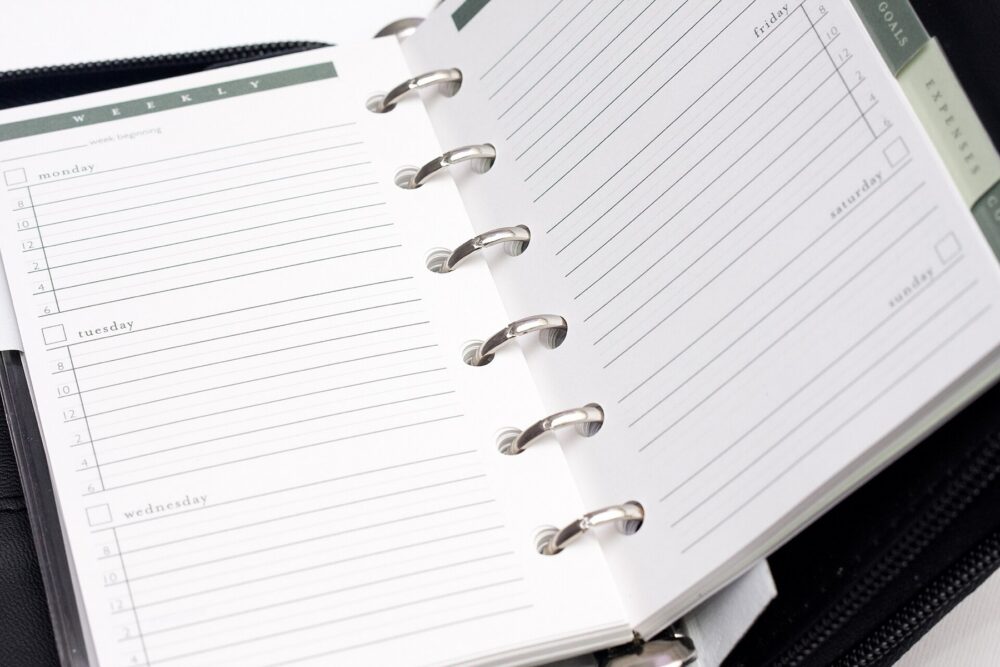
Life organizer binders are sold across big-box retail sites, niche brand stores, Etsy-style printables, planner binder brands, and cross‑border marketplaces. For a single binder for your household, a curated system from a niche brand or Walmart-style retailer is often the easiest route. If you’re a small ecommerce seller, you’re better off separating the “content” (templates and checklists) from the physical binder shell and sourcing each through the platform that fits your budget and risk tolerance.
The Life Organizer Binder Market: What You’re Actually Buying
“Life organizer binder” covers two overlapping product types:
- Emergency / end‑of‑life / “I Die” binders. These are designed to hold critical documents and instructions for your family—things like personal details, account information, medical data, and important papers—in one place. Brands such as LifeTrove position their binders as family emergency systems, with labeled sections and sleeves for important documents. Savor markets folio‑style emergency binders through its site and channels like TikTok Shop.
US retail marketplaces also list these products. Walmart’s business site carries multiple life binder styles, including Life Book document organizer binders and I Die emergency binders, which bundle a hard cover with guided labels and file folders for vital records.
- General household / life planner binders. These focus on managing home information, schedules, and routines rather than end‑of‑life details. You’ll see them called “household binders,” “home management binders,” or “life planner binders.” Many buyers build these themselves using a blank ring binder and printable pages.
Etsy has entire categories of digital life organizer templates and printables that you download and print at home—searches like life organizer template or life organizer printable return multi‑section PDFs for budgets, contacts, and household info.
Under the surface, you’re usually buying a combination of:
- A physical binder or folio (cover, rings, pockets, tabbed sections)
- Pre‑printed or digital content (prompts, worksheets, dividers)
- Sometimes storage components (envelopes, sheet protectors, document sleeves)
Understanding which part matters most to you—shell vs content vs system—helps you choose the right platform.
Platform Models for Life Binders: Retail, Niche Brands, Printables, and Wholesale
Different platforms sell different pieces of the life‑binder puzzle.
Big-box retail marketplaces (e.g., Walmart)
On large US retail sites, you’re typically buying a finished physical product from third‑party or in‑house sellers.
- Walmart lists “Life Book” document organizer binders and “I Die” emergency binders that combine a hard case with labeled folders and sleeves for important records like birth certificates or legal papers.
- You order a single unit (or a small multi‑pack) with standard consumer checkout. These platforms are ideal for one‑off household purchases and light office use.
Operationally, you’re treated like a regular retail customer: you select a listing, pay the posted price, and receive a ready‑to‑use binder system. There’s little room for customization, but the upfront work is minimal.
Niche life-binder brands (LifeTrove, Savor, similar sites)
Niche sites build curated systems specifically for families managing important documents.
- LifeTrove’s products (like its Life Book variants) focus on organizing critical records and guidance for emergencies, with structured sections and accessories.Source
- Savor sells document organizer folios aimed at consolidating important paperwork in an emergency‑friendly format.
These brands are best if you want a purpose‑built kit that already reflects a thought‑through workflow. You pay more than a generic binder, but the platform is optimized for this single use case.
Creator marketplaces and printables (Etsy)
On Etsy, most “life organizer” products are digital templates, not physical binders.
- Listings in categories like life organizer printable or life organization binder are PDF kits with sections for home information, finances, and routines.
- You download files from an individual creator, then print and assemble them into your own binder shell.
This model is powerful if you:
- Want design variety and niche layouts (e.g., chronic‑illness trackers, homeschool binders)
- Prefer low upfront cost and the ability to print multiple copies
- Are a small seller bundling your own content with a physical binder you source elsewhere
You do, however, need to provide your own hardware—rings, cover, sleeves—and handle printing quality.
Planner binder brands used as shells
Planner brands often serve as the physical shell for DIY life binders.
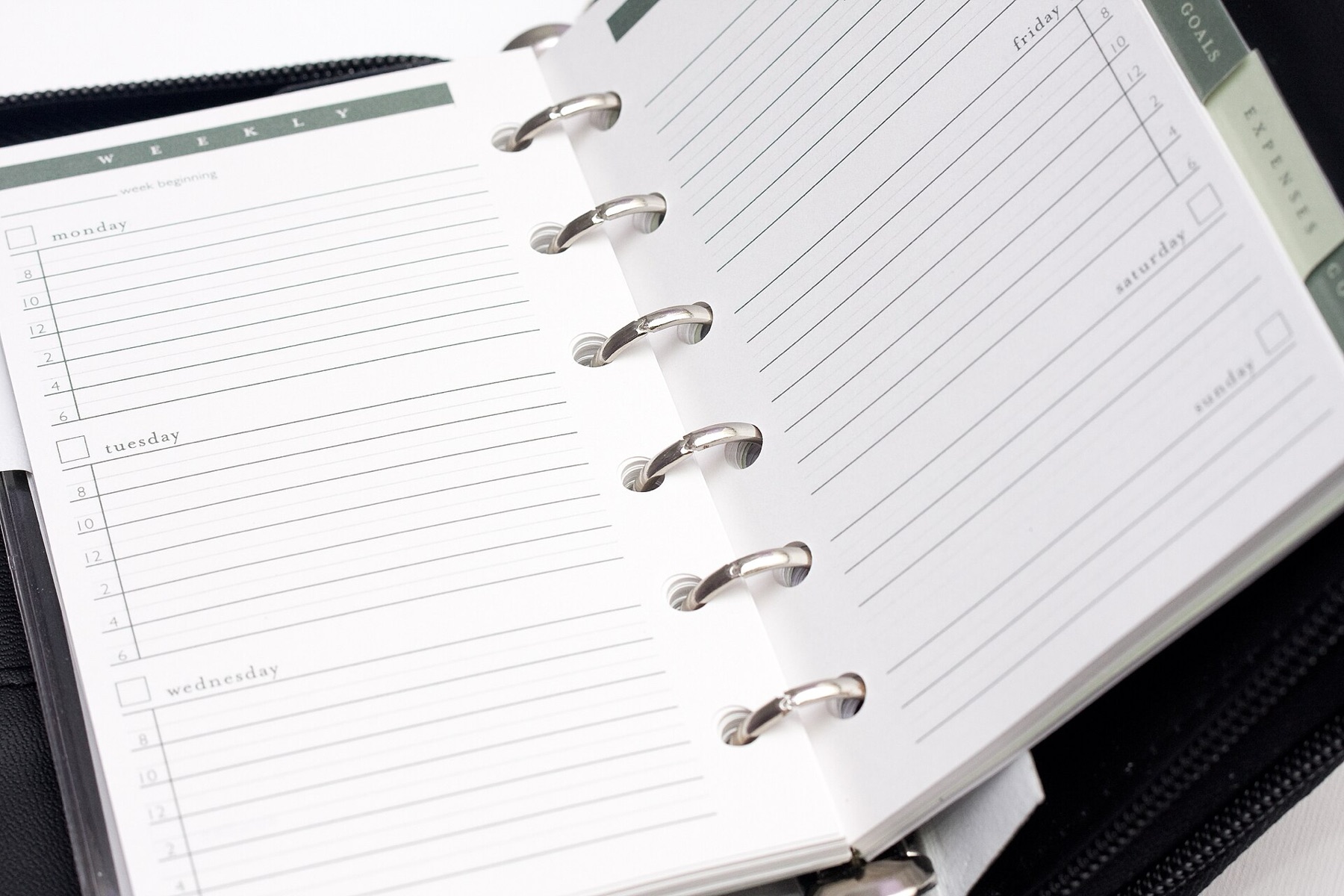
- The DHgate Blog highlights Filofax, Kikki.K, Webster’s Pages Color Crush, Leuchtturm1917 notebook covers, and Simple Stories Carpe Diem as popular organization binders, usually in A5 or similar sizes.
These aren’t sold as emergency kits, but they work well if you:
- Want a durable, attractive cover (often faux leather or leather)
- Plan to insert your own printed life‑binder pages
You’ll typically buy these through their own sites, Amazon, stationery chains, or office‑supply retailers.
Cross-border wholesale and component marketplaces
For small ecommerce businesses, there’s a separate channel: cross‑border marketplaces that sell binder covers, sleeves, and accessories in bulk. These platforms connect buyers with overseas manufacturers and trading companies.
You might use them to source:
- Leather or faux‑leather binder covers
- Ring mechanisms, envelopes, pockets, or zip folios
- Branded or blank shells to pair with your own templates
DHgate is one example of a cross‑border marketplace mentioned in DHgate’s own editorial content as a destination for leather binders and organizational products. For this kind of platform, you should treat each seller and listing as a separate entity, checking product details and minimum order expectations individually rather than expecting a unified “life binder” experience.
Choosing Your Route: Best Platforms for Your Binder Scenario
The right platform depends heavily on whether you’re a household buyer or a reseller.
Snapshot: platform routes at a glance
| Buyer scenario | Best primary route | What you actually buy |
|---|---|---|
| US consumer, wants one emergency binder | Niche brand site (LifeTrove, Savor) or Walmart | Complete emergency binder system |
| US consumer, wants home management | Etsy printables + planner binder shell | Digital pages + ring binder or folio |
| Etsy creator selling PDFs only | Etsy (content), no hardware needed | Digital life‑organizer content |
| Shopify seller selling physical kits | Cross‑border marketplace for covers + own content | Binder hardware + branded printed inserts |
Scenario 1: You’re a US household buyer
If you want one binder that just works, and you don’t care about deep customization:
- A LifeTrove or Savor‑style kit gives you a clearly labeled emergency system in one purchase.Source
- Walmart offers multiple ready‑made Life Book and I Die binder styles if you prefer the convenience and pricing of a big retail marketplace.
This route makes sense if your priority is clarity for your family and speed of setup. You’re paying for someone else’s system design.
If your focus is ongoing home management (cleaning routines, kids’ schedules, meal planning), you may be better served by:
- Buying a sturdy planner binder cover from brands like Filofax or Kikki.K
- Downloading an Etsy home‑management or “life planner” printable set
You get a nicer physical object plus flexible content that you can swap out over time.
Scenario 2: You run a small ecommerce business
If you sell digital-only products (for example, on Etsy or Gumroad), your main platform is the creator marketplace. You design your own life‑binder PDFs and let buyers bring their own hardware. Your decision is mostly about marketplace reach and fees, not binders.
If you want to sell physical life binder kits through Shopify, Amazon, or your own site, you’ll usually separate sourcing into two streams:
- Content stream: write or license your own worksheets and guides, or commission designers who already sell on Etsy.
- Hardware stream: source binder covers, sleeves, and accessories from wholesale or cross‑border marketplaces.
Platforms like DHgate can appear in that second stream as one of several options for binder hardware, alongside other wholesale marketplaces and domestic suppliers. Because these platforms aggregate many independent sellers, small businesses should treat them as one sourcing channel among many, not a single brand: compare materials, minimum order expectations, and the practicality of importing before committing. For a deeper sense of how such marketplaces operate, you can read what DHgate is and how the marketplace works and broader comparisons in online marketplaces and shopping platforms or Compare DHgate with AliExpress, Alibaba and Temu.
Data security and physical storage
Life organizer binders often hold sensitive information: IDs, account references, health data, and personal contacts. That’s not a platform feature, it’s a storage decision you control.
For household buyers:
- Think about where the binder will live (locked drawer, home safe, etc.).
- Consider whether to store the most sensitive details in the binder or point to their location (for example, “financial accounts are listed in password manager X”).
For small businesses shipping binders:
- Avoid printing data that could be misused broadly; keep templates generic so each customer fills in their own private information.
- Treat digital templates like any other data product: secure your files and your storefront accounts, and make clear to buyers that they’re responsible for how they complete and store the binder.
If you match your scenario to the right platform, life organizer binders can be either a one‑time household upgrade or a solid product category for your store—without assuming that one marketplace or brand is the universal answer.