
US buyers absolutely can buy Java moss and other aquarium mosses online—but the best place to do it depends on what you’re planting and whether you’re just scaping one tank or stocking a small shop.
Java moss (Taxiphyllum barbieri) is widely sold through specialist aquarium plant sites, general marketplaces like Amazon, and cross‑border platforms. Each channel sells the same basic plants, but the way they portion, package, and ship moss—and the risks to you—are different.
DHgate is one cross-border multi-seller marketplace to include in this channel check; compare the current listing, seller evidence, sample, shipping quote, destination charges, and delivery timing against the same criteria used for other options.
Java Moss and Aquarium Moss: What You’re Actually Buying Online
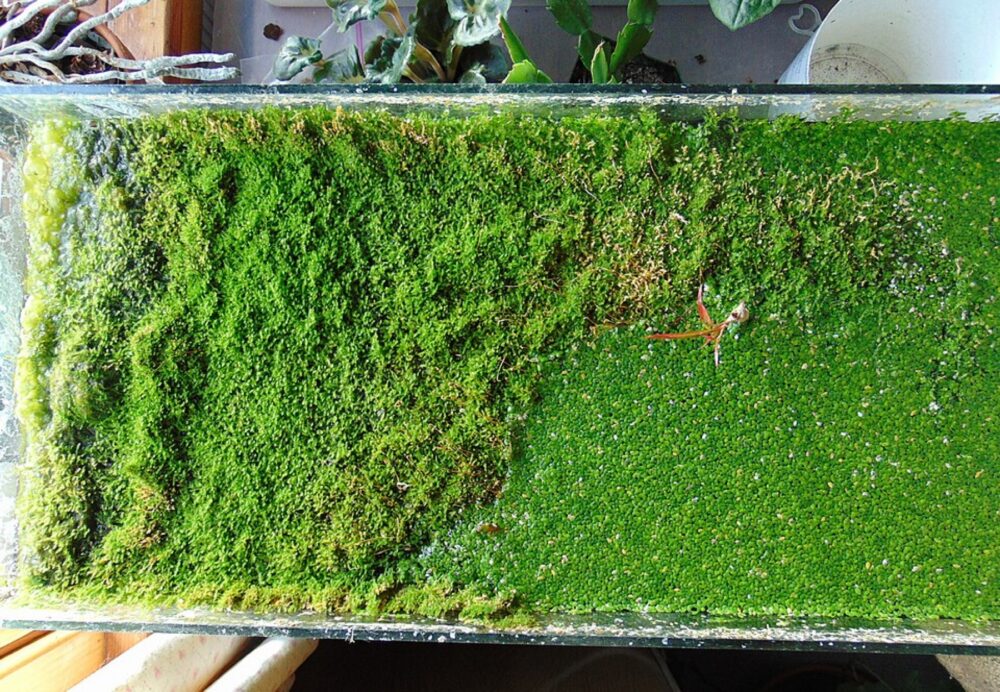
Java moss is a hardy freshwater moss that clings to rocks, driftwood and other hardscape, creating dense green cover that shrimplets and fry use as shelter. It’s one of the most common aquarium mosses globally and is a staple listing on many plant sites.Source
Online, you’ll usually see Java moss and “aquarium moss” offered in a few formats:
- Loose portions – a measured clump (often described in square inches or by weight) you attach yourself to wood, rock, or mesh.
- Mats – moss already grown on a mesh or plate, ready to place directly in the tank.Source
- Cups – a 4 oz‑style cup or tissue culture pot filled with a single moss species.Source
- Variety packs – multiple moss types pre‑attached to small mats or pieces of decor.
Beyond Java moss, aquarium moss listings often include:
- Christmas moss (Vesicularia montagnei) – branchy, “mini tree” look; typically marketed as denser, a bit more light‑hungry than Java moss.Source
- Weeping moss (Vesicularia ferriei) – drooping, cascading fronds used to create waterfall effects.Source
- Taiwan moss – bright green, bushy growth that aquascapers use for intricate layouts, usually sold with higher‑care notes.Source
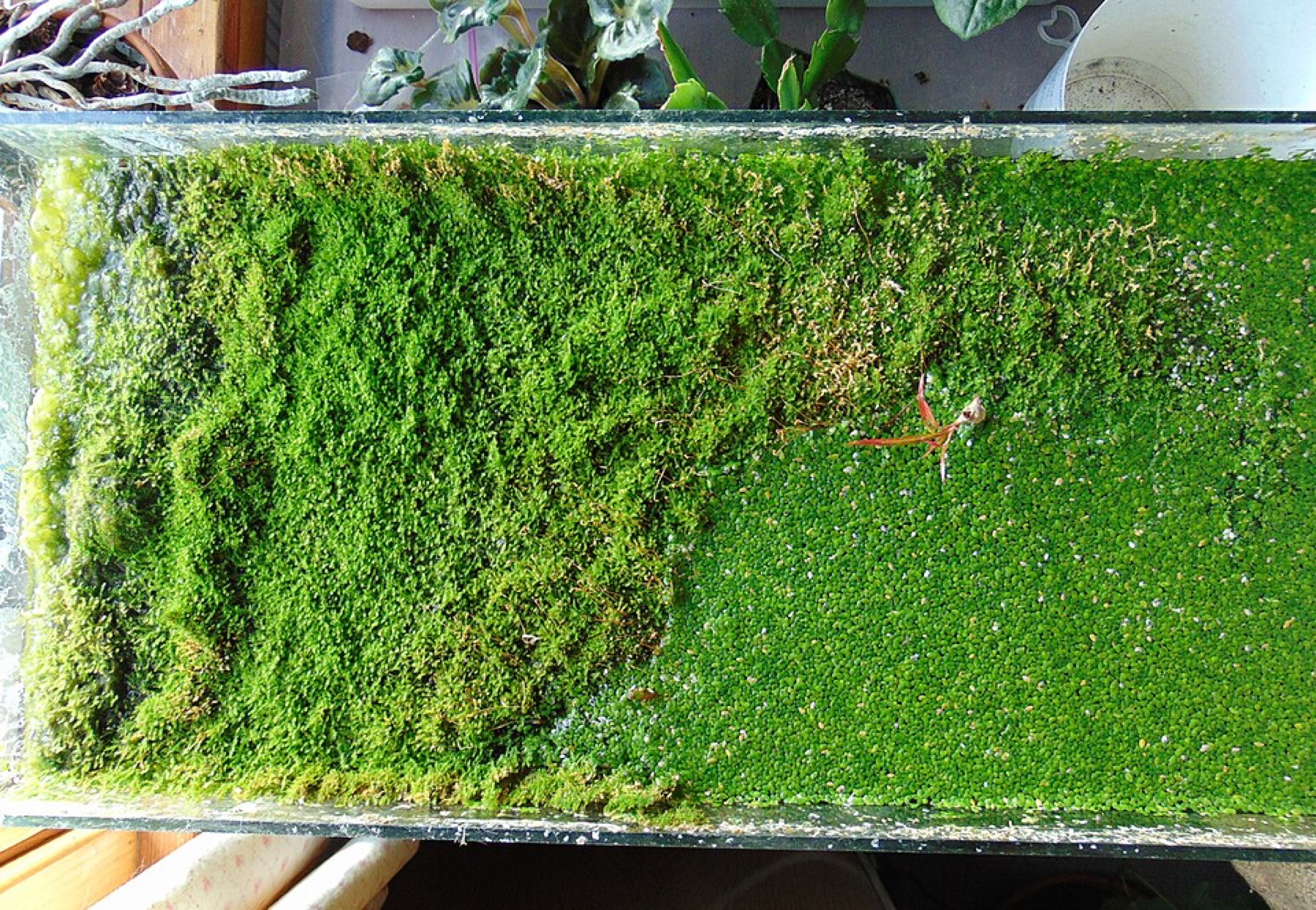
In product photos, you’ll often see moss tied to rocks or driftwood with line or thread. This reflects real use: most aquarium moss performs best anchored to a surface so it can spread over time.
Platform Types for Buying Java Moss and Other Aquarium Mosses
You’re not just picking a plant—you’re choosing a platform model. For US buyers, the main types are specialist aquarium stores, general marketplaces, and wholesale‑style or cross‑border platforms.
Specialist aquarium plant stores (retail model)
Dedicated aquatic plant retailers focus on live plants and often describe moss in detail—species name, portion size, and tank use. A US‑focused site like Aquarium Plants Factory lists Java moss with clear portion language and notes that it’s shipped as a live plant.Source
Typical traits:
- Curated selection of Java, Christmas, Weeping, Taiwan and other mosses.
- Portion clarity (e.g., mat dimensions or cup size rather than vague “bundle”).
- Plant‑centric packaging and transit times, because live arrival is central to their business.
This retail model suits buyers who want predictable species ID and consistent portions.
General marketplaces (Amazon, eBay, etc.)
Marketplaces like Amazon host thousands of third‑party sellers; aquarium moss is a small slice of that catalog. One Christmas moss listing on Amazon, for example, offers a 4 oz cup portion and includes basic usage instructions such as tying the moss to wood or rocks.Source
Traits you’ll see on these platforms:
- Wide variety of sellers, from hobby growers to larger aquatic brands.
- Mixed formats (cups, mats, loose portions, decorative bundles).
- Listing‑level details and reviews that vary a lot in quality.
Here, the platform provides the storefront and checkout; the individual seller determines how carefully moss is grown, packed and labeled.
Wholesale‑style and cross‑border platforms
Wholesale‑style sites and global marketplaces connect buyers directly with suppliers, often outside the US. These are more common for bulk plant orders, accessories, or mixed aquarium stock than for one‑off moss cups.
On these platforms:
- Minimum order quantities may be higher, especially for commercial buyers.
- Transit times and customs risk increase for live plants crossing borders.
- Listing consistency for moss can vary, and some suppliers focus on dry goods rather than live stock.
This category can include B2B sites and broad marketplaces where live plants are just one subcategory among many hard goods.
Quick comparison: how the models treat live moss
| Platform type | Typical moss formats | Who controls plant quality? | Best fit for… |
|---|---|---|---|
| Specialist aquarium plant store | Clearly sized portions, mats, cups | Store (aquatic‑focused operation) | Hobbyists, niche resellers |
| General marketplace (e.g., Amazon) | Cups, mats, loose portions, bundles | Each individual third‑party seller | Deal‑seekers, casual buyers |
| Cross‑border / wholesale‑style | Bulk portions; sometimes mixed lots | Export‑oriented suppliers | Small businesses buying in bulk |
This table is editorial judgment based on how these platform types operate; always verify details on the specific listing you’re considering.
Choosing the Right Platform for Your Tank or Moss Resale Plan
Your best channel depends on whether you’re planting a single tank or planning to resell moss.
If you’re a hobbyist scaping one or a few tanks
For a first Java moss carpet or a shrimp hideout, specialist US plant stores are often the cleanest choice:
- You can match species to care level: hardy Java moss for low‑tech setups, or Christmas/Weeping/Taiwan moss if you’re ready to manage light and trimming more actively.Source
- Portion descriptions and photos tend to be more standardized, making it easier to buy the right amount.
General marketplaces are workable if you:
- Focus on listings with clear species names and real photos of the actual moss.
- Read multiple recent reviews that mention live arrival and portion size, not just generic product impressions.
This matters because moss species differ in lighting sensitivity, trimming needs, and how quickly they can overgrow decor. Inconsistent portions or mis‑labeled moss can complicate your aquascape and maintenance schedule.Source
If you’re a small ecommerce seller or local breeder
For reselling moss (or using it to dress tanks you sell stock from), you’re balancing cost, reliability, and survival in transit.
- Domestic specialist stores work well for smaller, frequent restocks. You pay closer to retail pricing but reduce DOA risk and customs headaches.
- Wholesale‑style or cross‑border platforms can make sense if you’re sourcing larger volumes of hardy species like Java moss and are prepared to handle losses in transit and quarantine on arrival.
Practical selection tips specific to moss
To narrow your platform choice:
- Look for portion clarity. Terms like “4 oz cup” or defined mat dimensions (as seen in aquarium moss cups and mats on Amazon and specialist sites) are easier to plan around than vague “handful” or “bundle” descriptions.SourceSource
- Check how the seller expects you to use the moss. Listings that mention attaching to hardscape and trimming suggest at least basic aquatic‑plant knowledge; that’s a positive sign when you’re ordering a living product.Source
If you just want one reliable Java moss piece for a nano tank, a US‑based specialist store is usually the least fussy option. If you’re experimenting, hunting variety packs, or combining moss with other gear, well‑reviewed marketplace listings can work. For bulk or cross‑border sourcing, expect more work verifying species, packaging, and survivability before you commit.