
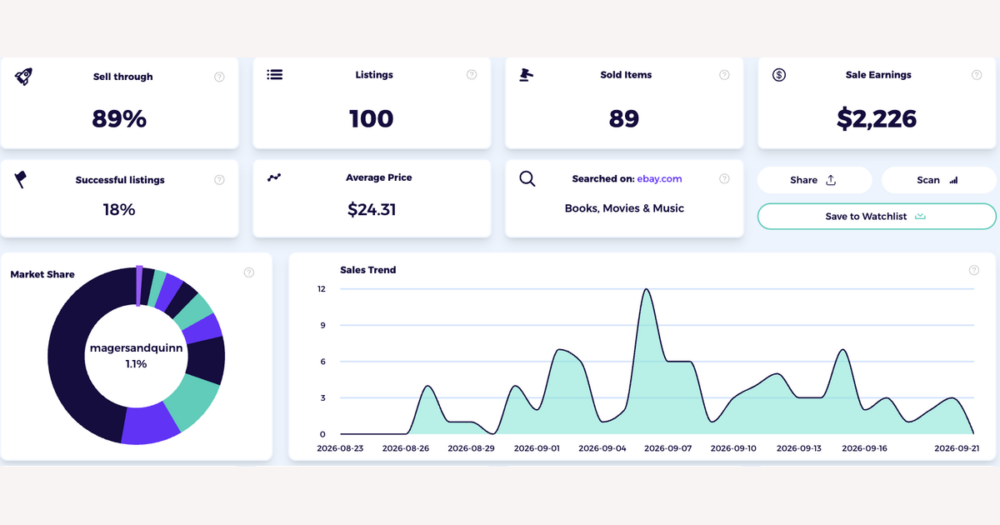
If you want to use eBay trends to make better choices on DHgate, focus on the patterns you can actually see: many similar listings, consistent recent sales, and fresh buyer reviews. Those signals of real activity are far more useful than hype or low prices on their own, and they translate directly into simple checks you can apply before trusting a product type or seller on DHgate.
What “trending items” really look like on marketplaces
On eBay and other marketplaces, a “trending” item isn’t just one viral post or a single lucky sale. It’s a pattern over time: more people searching for the term, listings gaining lots of watchers or saves, and sold or completed items appearing frequently with recent timestamps. You’ll often see many similar listings from different sellers, with new offers still being added because the category is clearly active.
DHgate buyers can look for comparable signals of real demand. When several sellers offer similar products, listings show meaningful order counts, and reviews keep arriving in the last few weeks or months, that cluster of activity suggests the product type is currently moving—not just hyped. Fresh feedback that mentions how the item is used or how it compares with expectations is another sign that real buyers are engaging with it.
Because eBay and DHgate serve different audiences and have different levels of competition, an eBay trend should only be treated as a directional hint. A product that sells fast on eBay might face slower demand, higher shipping costs, or different quality expectations on DHgate. The safest approach is to prioritise visible proof of real buyer activity on DHgate—orders, reviews, and clear listings—over low prices or trend headlines. The next section turns these ideas into a simple routine you can reuse when comparing product ideas across the two platforms.
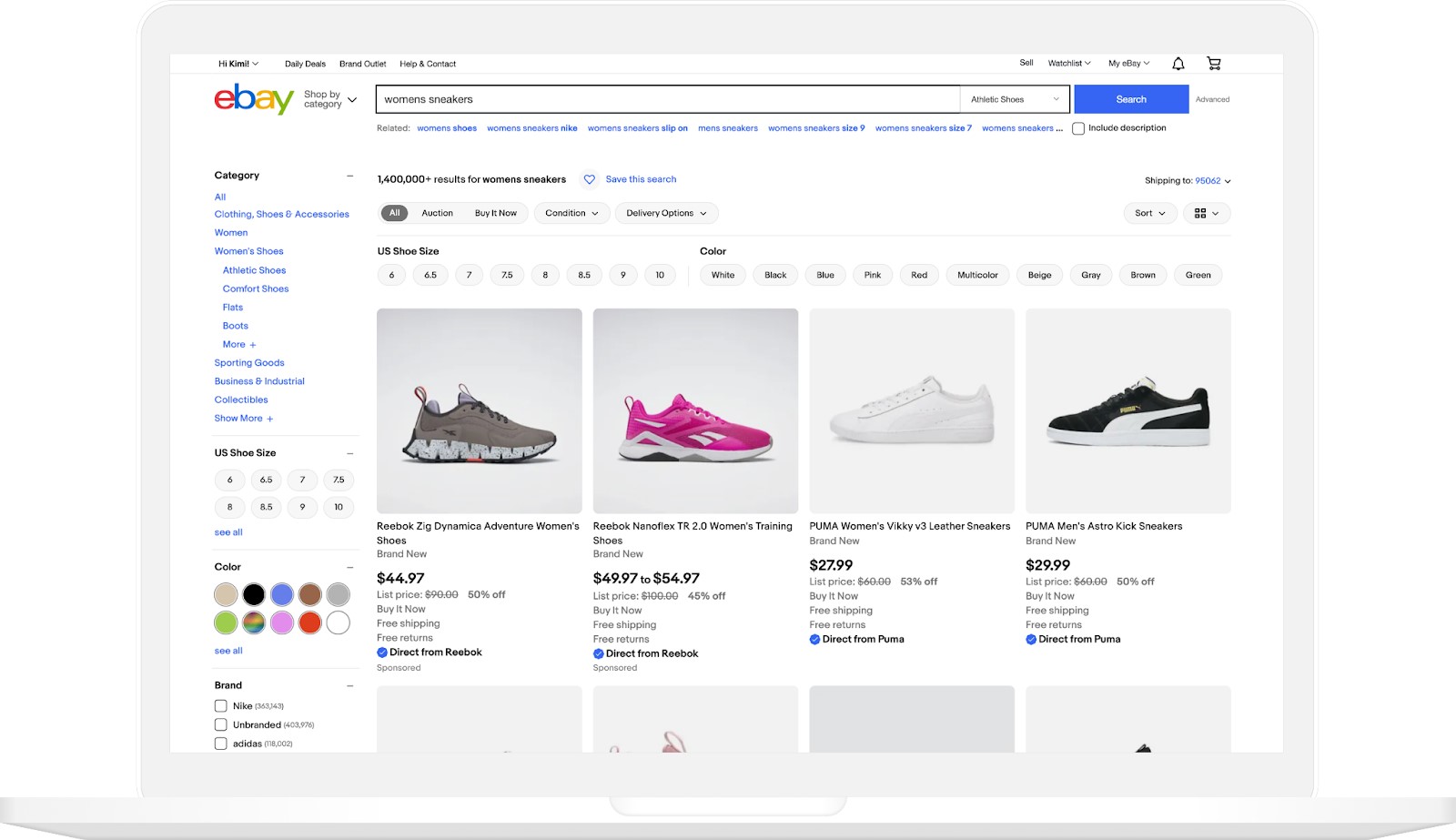
Clusters of similar listings with visible orders, reviews and engagement matter more than one flashy listing—on both eBay and DHgate they’re your best everyday signal of genuine demand.
A simple research routine: from eBay trend signals to DHgate checks
- Start on eBay by searching for your product idea or category and scanning the first page of results to see how many similar listings exist and whether multiple sellers are active in that niche.
- Switch to sold or completed listings to check how often the item actually sells and how recent the sales timestamps are; frequent, recent sales point to current demand rather than past popularity.
- Open a few strong-looking eBay listings to see how leading sellers present the item—short, clear titles, multiple good photos, detailed item specifics and a realistic price band instead of extreme bargains.
- Note recurring patterns in those listings: features that show up again and again, colour or size variants that seem to sell fastest, and common bundles or add-ons that buyers choose often.
- On DHgate, search for similar product types and compare visible order counts and review timestamps so you can roughly gauge how actively buyers are purchasing those items on this platform right now.
- Judge DHgate listing quality by checking the clarity of photos, the completeness of descriptions and specs, and the transparency of shipping options, favouring sellers who explain what you’re getting in detail.
- Shortlist only the DHgate offers where demand signals and listing quality are both strong, and skip products with vague descriptions or very few recent orders—even if eBay suggests the category is trending.
If you’re testing new suppliers or planning larger orders, it’s worth running this full loop carefully: compare eBay demand, then cross-check DHgate order activity and listing quality before committing. The extra time helps you avoid tying money up in items that look popular elsewhere but are poorly presented or rarely ordered on DHgate.
If you already have trusted DHgate suppliers, you might use a lighter version of the routine, mainly to confirm that your existing product ideas still show healthy demand on eBay and visible activity on DHgate. In both cases, treat weak DHgate signals—few orders, sparse or old reviews, unclear shipping or return information—as reasons to slow down or switch products, even when eBay looks promising. This way the routine stays a simple, reusable check on demand and listing quality, not a complex blueprint for starting an eBay business.
Reading seller reliability signals on eBay and DHgate
- Check core eBay reliability signals first: the seller’s overall feedback score, the percentage of positive ratings, and how many completed transactions those ratings are based on. A high score backed by hundreds or thousands of deals is more meaningful than the same score from only a handful of sales.
- Look for extra reassurance in detailed seller ratings and clear policies. On eBay, that means strong scores for item as described, shipping speed and communication, plus visible shipping and return terms and signs that the seller answers Q&A or keeps listings updated when something changes.
- Remember that all of these metrics describe past behaviour, not a guaranteed future outcome. A reliable-looking eBay seller can still make mistakes, and some categories naturally attract more complaints or returns, so treat feedback and ratings as indicators of professionalism rather than proof that every transaction will be perfect.
- Apply the same logic on DHgate by focusing on seller ratings, enough completed orders to make those ratings meaningful, and recent reviews that mention shipping times, product accuracy and whether the item matched its photos and description. Consistent, specific comments are more useful than a few short, generic compliments.
- Pay attention to DHgate’s own reliability cues, such as badges, seller levels or any visible dispute indicators. Favour suppliers who combine solid ratings, active order history and low signs of conflict, instead of relying on a single metric like “high score” without context.
- When you’re choosing in-demand or trending products, prioritise sellers with visible reliability over marginally cheaper listings that look poorly documented, have thin or ambiguous reviews, or vague policies. For items you plan to resell or use heavily, I would rather pay a little more for a supplier whose track record I can see than risk delays or quality surprises to save a small amount upfront.
- Keep seller checks and demand signals working together: use trends and sales data to decide what kind of product might be worth exploring, then filter for DHgate sellers whose ratings, reviews and policies suggest they can deliver that demand reliably. An attractive trend is not enough if the supplier behind it looks high-risk.
Pitfalls of relying on trend lists and tools alone
Using eBay trends as a reference—without over-relying on them
Use eBay trends as a directional radar, not as a purchase script. Trend signals tell you where buyers are already active, seller metrics show who tends to deliver reliably, and DHgate’s own logistics and policies decide whether that idea is actually workable for you.
Let eBay guide you to broad product types or niches that seem busy, then make your real decision on DHgate: check seller reputation and ratings, order volume and review patterns, how clear and detailed the listing is, and what the total cost and shipping time look like once everything is added up.
In practice, I would rather choose a product and DHgate seller with steady orders, clear photos and specs, and solid feedback than chase every new spike in an eBay report or tool. Fast-moving trends without proof of stable quality or fulfilment are easy to regret.
If you already have trusted suppliers or work in a very specific niche, you might deliberately accept more uncertainty and relax some checks—but do it consciously. Know whether you’re taking more risk on demand (maybe the trend is early) or on execution (a newer seller, less feedback, slower shipping), and only stretch in areas you can afford to absorb if things go wrong.
Many buyers still wonder whether simply copying eBay’s top-selling items is ever enough. The short answer is no—and the next FAQ spells out which minimum DHgate checks you should always run before placing an order, even when a product looks hot on eBay.
FAQ: How much can I rely on eBay when choosing what to buy on DHgate?
Is copying eBay’s top-selling items enough to decide what to buy on DHgate?
No. eBay’s top-seller lists and trend reports only show past activity on a different marketplace, with its own audience, pricing and competition. They’re useful for spotting broad product ideas or niches, but they can’t tell you whether a specific DHgate listing is reliable or whether demand will still be strong by the time you receive and resell the product. Treat eBay trends as one input, then make your real decision on DHgate based on visible proof of buyer activity and seller reliability there.
What minimum DHgate checks should I always perform before ordering, even if an item looks hot on eBay?
Before placing an order on DHgate, at minimum: verify the seller’s rating and that it’s based on a meaningful number of completed transactions; read recent reviews that mention product quality and shipping experience; confirm shipping methods and realistic delivery windows; and check how refunds or disputes are handled for that listing. These checks help you filter out weak or risky offers, but they still can’t guarantee future demand or resale success, since tastes, competition and platform rules can change. Prioritise clear information and proven reliability over chasing every apparent trend opportunity.