
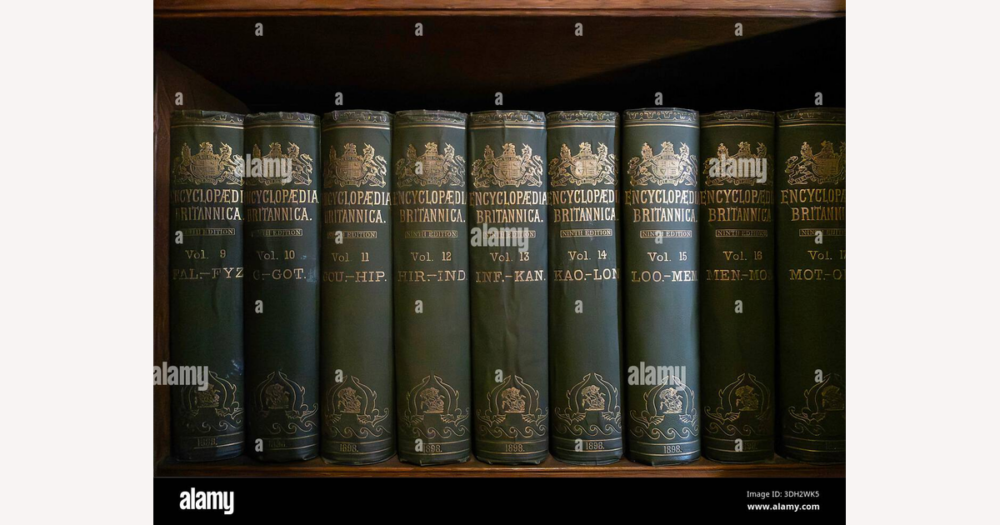
If you are curious about rare or vintage visual encyclopedias, DHgateWiki can’t promise you a specific title or tell you which seller to choose—but it can show you how DHgate’s marketplace, buyer checks, and dispute tools work so you can research any offer more safely. Here the focus is on reading seller profiles, item descriptions, shipping and packaging terms, and refund conditions with a collector’s level of caution, especially when listings use loose labels like “rare” or “vintage” without much detail.
How DHgateWiki can (and can’t) help with rare or vintage visual encyclopedias
On DHgateWiki, the goal is to help you understand how DHgate works as a marketplace for physical items like visual encyclopedias, not to tell you exactly where to buy a specific rare or vintage title. This page explains the platform’s seller information, order, payment, shipping, and dispute framework so you can research offers more safely if you choose to explore visual encyclopedias on DHgate or similar marketplaces.
Because of DHgateWiki’s role, it does not list or recommend individual shops or external sites, link to live product pages, guarantee that a particular encyclopedia is available, or appraise the financial value of any edition. Instead, it focuses on what you can control: reading seller profiles and item descriptions carefully, checking shipping and packaging expectations for heavy or fragile books, and understanding how DHgate’s dispute and refund tools fit into the picture.
Treat marketing labels like “rare,” “vintage,” “antique,” or “collector’s edition” as starting points, not proof. Online, these terms are often used loosely. For visual encyclopedias, it is safer to rely on concrete details—edition and volume numbers, print year, publisher, language, honest condition notes, and clear photos of covers and inside pages—before assuming that a listing is truly scarce, old, or collectible. The rest of this guide walks through how to check those details and the surrounding protections so you are not relying on a slogan alone.
Checking seller trust and item details for rare or vintage visual encyclopedias
- Start with the seller profile. On DHgate, look at the overall rating, how many transactions the seller has completed, the balance of positive vs negative feedback, and how recent those reviews are. For a book that claims to be rare or vintage, a thin history, many unresolved complaints, or very old feedback makes the purchase riskier, especially if you care about condition or authenticity.
- Read buyer reviews and listing details closely. Give more weight to comments that mention book condition, packaging quality, and whether the encyclopedia matched the photos and description. In the listing itself, look for specifics: edition and volume numbers, publication date, language, number of volumes, and clear condition notes (such as yellowing or foxing, torn dust jacket, writing or library stamps, or missing pages). For visual encyclopedias in particular, interior photo samples and page shots are important evidence that the item is what you expect.
- Check the photos and communication before you trust big claims. Prefer listings with multiple, well-lit photos of the actual books—front and back covers, spines, and several inside pages—rather than a single generic or stock image. If the photos look like catalog images for a famous set but the item is described as “used,” consider asking the seller through DHgate’s messaging for real photos and more detail about condition and packaging. Phrases like “rare,” “vintage,” “antique,” or “collector’s” should be backed by facts such as print year, edition, and publisher; without those, treat them as marketing language. Personally, I would walk away from a supposedly rare or vintage listing if the seller profile is weak, reviews are vague or unrelated, and the description plus images are generic, even if the price is tempting—someone focused only on price might still proceed, but the risk of disappointment is much higher for collector-type books.
Ordering and paying safely for a visual encyclopedia on DHgate
Once a seller and listing for a visual encyclopedia look acceptable, keep the actual order and payment inside DHgate’s systems. Place the order through the standard checkout and use only platform-supported payment channels. If a seller asks you to pay by bank transfer, direct wallet payment, or another off-platform method, that usually means you’re stepping outside DHgate’s protections and should decline.
Before you confirm, slow down and read the order summary carefully. Check that the title and edition match the listing, that the number of volumes is correct, and that you’ve selected the shipping option you actually want. Confirm your delivery address and look at the full cost—including shipping and any taxes or fees—because heavy, multi-volume encyclopedias often make the shipping portion noticeably higher. I would rather pause and re-read those details than rush to lock in a deal, especially for collector-type sets where a mistake can be expensive and returns more complicated.
After paying, save a record of what you agreed to. Screenshot or download the order confirmation and the item page, including condition notes, edition details, and shipping information. Having this original reference makes it much easier to spot discrepancies later and gives you clearer evidence if you need to ask questions or raise an issue through DHgate.
Shipping, packaging, and delivery risks for visual encyclopedias
- Expect higher shipping costs and longer delivery times for large-format or multi-volume visual encyclopedias. Their weight and bulk often push prices up compared with smaller items, and international shipping can take longer. Factor this into your budget and timing rather than assuming book sets will ship like lightweight goods.
- Read the shipping options and timelines closely. Look for stated handling time, estimated delivery windows, and whether the seller offers more than one method (for example, standard vs expedited). Treat phrases like “usually” or “about” as estimates, and assume that longer-distance or heavier shipments may take the upper end of any stated window.
- Prefer listings that describe sturdy, protective packaging. Mentions of bubble wrap, corner protection, strong boxes, or double-boxing matter for visual encyclopedias, because their edges, corners, and dust jackets are easily bumped or torn if the seller packs them loosely. For older or vintage sets, careful padding is especially important to avoid additional wear.
- When you can, choose shipping options that include tracking or delivery confirmation. Being able to monitor the parcel’s progress and see scan events gives you a clearer picture of where a delayed shipment is and provides a record if you later need help from DHgate or the carrier.
- Be cautious if a seller calls an encyclopedia “collector’s” or “rare” but offers only minimal, untracked shipping with no mention of packaging. That mismatch suggests they may not be treating the item with the care its label implies; I would question the overall seriousness of the offer before trusting it with a fragile or sentimental book set.
Using DHgate’s dispute and refund framework if something goes wrong
DHgate provides a buyer dispute and refund system for situations where an order does not arrive, arrives damaged, or is significantly different from the description. For visual encyclopedias, that can include missing volumes, a different edition than advertised, or serious damage to covers and pages. A dispute is a structured way to ask DHgate to review what happened; it is not a guarantee that any specific case will be approved.
Because DHgate’s buyer protection and refund rules, including time limits, can change, make reading the current official policies part of your homework before you place an order. Knowing in advance how long you have to report a problem and what kinds of issues are covered makes it easier to act promptly if something goes wrong.
From the moment you start considering a visual encyclopedia, keep your records organized. Save the order confirmation, screenshots or copies of the listing (especially the condition, edition, and shipping notes), and any tracking numbers or delivery updates. If the encyclopedia arrives with problems, take clear photos or short videos that show the packaging, any damage, and what is missing or incorrect.
Keep all communication with the seller inside DHgate’s messaging system rather than moving the conversation to external apps. On-platform messages create a traceable record DHgate can review alongside your photos and order details if you later need to open a dispute, which strengthens your position compared with informal, off-platform chats.
A simple checklist for researching a rare or vintage visual encyclopedia on DHgate
- Verify the listing details. Confirm the title, edition, publication date, number of volumes, language, and condition notes, and read them together with all available photos of covers, spines, and inside pages so the written description matches what you see.
- Question marketing labels. When a listing calls an encyclopedia “rare,” “vintage,” or “collector’s,” look for concrete support such as dates, edition numbers, or print-run information. If those details are missing, treat the label as promotional and message the seller with specific questions before you take the claim seriously.
- Compare offers. If similar editions appear on DHgate, compare seller ratings, review content, descriptions, and photos instead of jumping at the first or cheapest option. I would rather spend a bit more time comparing than rely on a single thin listing for a book that matters to me.
- Check the seller profile. Review ratings, feedback, and sales history, and give preference to sellers with a consistent, relevant track record over accounts with little information or many unresolved complaints. For multi-volume or older encyclopedias, thin or worrying feedback is a signal to pause.
- Confirm shipping and packaging. Read the shipping options, estimated delivery times, and any packaging notes, then choose a method that balances cost, tracking, and protection for the books. Heavier or fragile sets usually deserve tracked shipping and clearly described protective packing, even if that adds a little cost.
- Note protections and keep records. Before you commit, skim DHgate’s current buyer protection and dispute information, and when you decide to buy, save your order details, listing screenshots, and tracking information. Having these organized from the start makes it much easier to use DHgate’s dispute process if the encyclopedia arrives late, damaged, or not as described.
Do these checks matter if I only want a visual encyclopedia for everyday use or decor?
If you mainly want a visual encyclopedia that looks good on a shelf or is handy for everyday reference, rather than a precise collectible edition, the DHgate checks still matter—they just matter in a slightly different way. I would still look for a seller with solid feedback, clear photos of the covers and a few inside pages, and an honest description of the book’s condition and any missing volumes. That’s what protects you from major problems like receiving the wrong title, incomplete sets, or books that are badly damaged.
Where you can be more relaxed is around fine-grained details. If you’re not collecting, you may be comfortable with cosmetic wear, a later printing instead of a first edition, or a listing that openly says the book is “used” or has minor marks, as long as those points are spelled out. What I would avoid even for casual decor or everyday use are vague listings with almost no description, poor or no photos, or sellers whose feedback shows repeated complaints and unresolved issues. Running through a simplified version of the checklist—basic seller reliability, clear listing information, reasonable shipping terms, and knowing that DHgate offers a dispute process—gives everyday buyers enough protection, while collectors can choose to apply every step more strictly before committing to an order.