
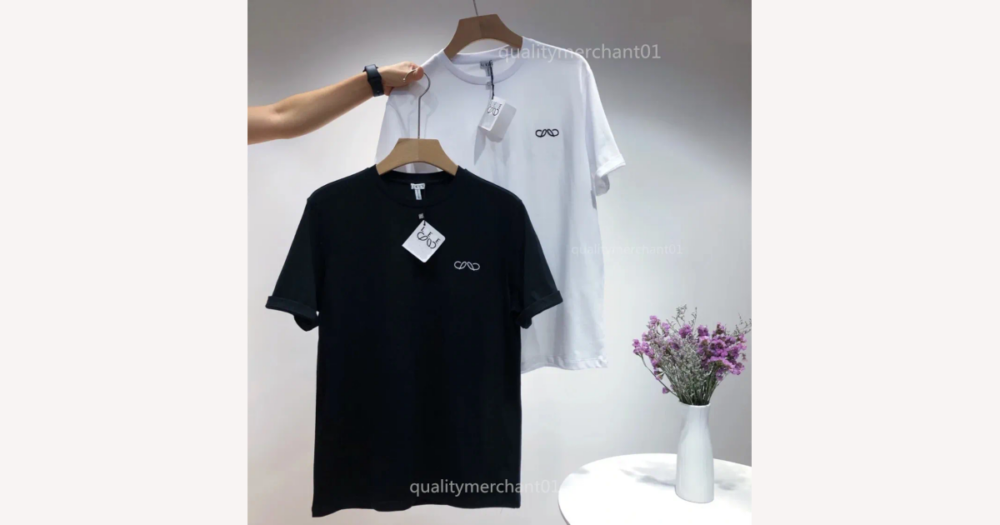
On DHgate, your spring tee listings become visible and stay visible when clear, seasonal designs, well-structured listing fields, and trustworthy seller behavior all support each other. By matching what buyers actually search for, filling in categories and attributes accurately, and keeping disputes and policy issues low through honest promises and reliable shipping, you give DHgate more reasons to surface your tees and buyers more reasons to click them.
How visibility for spring tees really works on DHgate
On DHgate, spring tee visibility is not driven by a single SEO trick. Your listings show up and earn clicks when three things work together: the design clearly matches what buyers are searching for, the listing fields explain that design in a structured, keyword-friendly way, and your seller account looks reliable to both buyers and the platform.
Design clarity means that a buyer scanning DHgate’s grids can understand your tee at a glance: the theme feels seasonal and relevant, the colors and typography are easy to read, and the overall look matches common search intent such as “spring floral t-shirt,” “lightweight casual tee,” or “couple’s spring outfit.” When your artwork lines up with the words buyers use and looks recognizable in a small thumbnail, you give the listing a better chance to earn impressions and clicks.
Listing optimization is about helping DHgate understand and correctly place your product. Accurate categories and attributes for product type, fabric, gender, size range, style, and season, plus honest titles and descriptions that naturally include key phrases, make it easier for DHgate’s systems to treat your spring tee as relevant when buyers filter or search. DHgate does not publish its full ranking formula, but across marketplaces it is reasonable to assume that clearly classified, complete listings have an advantage over vague or partially filled offers.
Seller trust signals complete the picture. Verification, ratings, order history, dispute levels, and policy compliance all influence how comfortable buyers feel clicking your listings, and may also affect how strongly DHgate is willing to surface your store. What is clear is that buyers tend to prefer verified sellers with solid reviews, and DHgate enforces rules when complaints or violations stack up; what is less clear is the precise weight each factor has in the ranking algorithm. For practical purposes, keeping disputes low, information accurate, and promises realistic supports long-term visibility more reliably than aggressive tactics that risk refunds or penalties.
The rest of this guide focuses on concrete actions—how you research spring tee keywords, choose designs, structure listings, set shipping, and manage after-sale issues—so you can improve visibility within DHgate’s rules and build steady, low-dispute performance instead of chasing short-lived spikes.
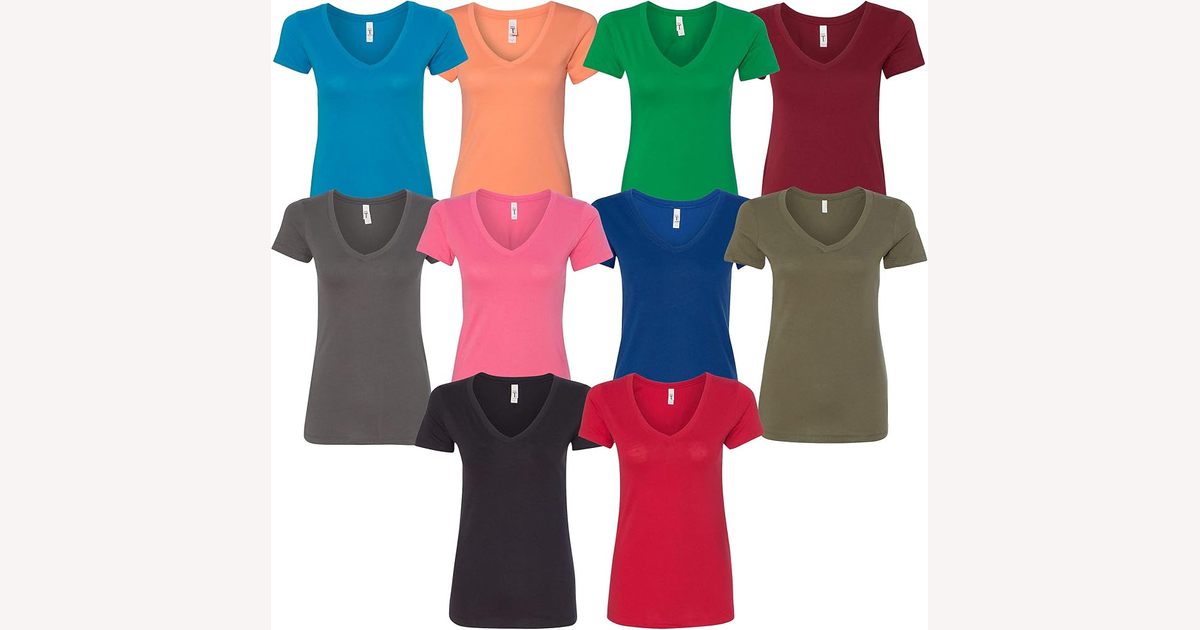
DHgate-style grids give each spring tee only a small thumbnail, short title, and a few trust signals like price and seller rating, so design clarity and clean listing structure matter for earning clicks.
A practical sequence for optimizing a DHgate spring tee listing
- Research spring-related and niche keywords using DHgate’s search box, category pages, and general t-shirt trends, focusing on themes (floral, pastel, couple tees), fabrics (cotton, blends), fits (oversized, slim), and occasions (casual outings, spring festivals).
- Choose one clear design angle that fits the strongest spring themes you found and can be understood instantly in a thumbnail—for example a single bold motif or short phrase, not a crowded collage of small elements.
- Select the most accurate DHgate categories and attributes for your tee: product type, fabric composition, gender or audience, size range, style, and season. Avoid misclassification that might briefly gain impressions but confuses buyers and harms trust.
- Write a title and description that surface key searchable details—spring season, fabric, cut, sleeve length, color palette, and design theme—in natural, honest language instead of keyword stuffing or exaggerated claims.
- Upload several clear images and choose a main thumbnail that shows the tee front-on with the design, fit, and colors visible at small size; avoid busy backgrounds or angles that hide the artwork.
- Configure shipping and handling with realistic methods, dispatch times, and tracking options you can consistently meet, favoring conservative, reliable estimates over aggressive promises that could lead to late deliveries, complaints, and reduced visibility.
Designing spring tees that pop in DHgate search results
On DHgate, your spring tee design has only a second or two to make sense in a small thumbnail. I would rather use a slightly simpler, high-contrast layout than a detailed illustration that only looks good full-screen, because buyers mostly see your tee as one tile in a fast-scrolling grid.
Choose color combinations that keep the motif and any text clearly separated from both the shirt colour and DHgate’s typically light page backgrounds. Dark graphics on pale tees, or light graphics on darker tees, tend to read better than tone-on-tone pastels where the design fades out. Avoid letting key elements sit in colours that are too close in value; when reduced to thumbnail size they blur together.
Keep typography bold and minimal. Use a short phrase or a few key words in a heavy, clean font, sized large enough that the main word is legible even when the image is shrunk. Long sentences, thin scripts, and stacked lines of tiny text are harder to read in search results, which means fewer clicks even if the message is clever.
Place the main motif centrally on the chest area and make it the clear focal point. Designs that rely on side placements, sleeve details, or small elements near the hem often get visually cropped or look vague in thumbnails. A single central icon, scene, or phrase that matches a spring theme—flowers, outdoor mood, light colours—usually communicates faster than scattered micro-patterns.
Avoid cluttered layouts, dense all-over prints, or very low-contrast art if your goal is visibility in DHgate search. Those choices can work for certain niche audiences, but in a grid they often turn into visual noise compared with cleaner tees nearby. Even when you experiment with bold, niche, or edgy concepts, compose them so the core idea is readable, the text is clear, and the imagery stays within DHgate’s content policies.
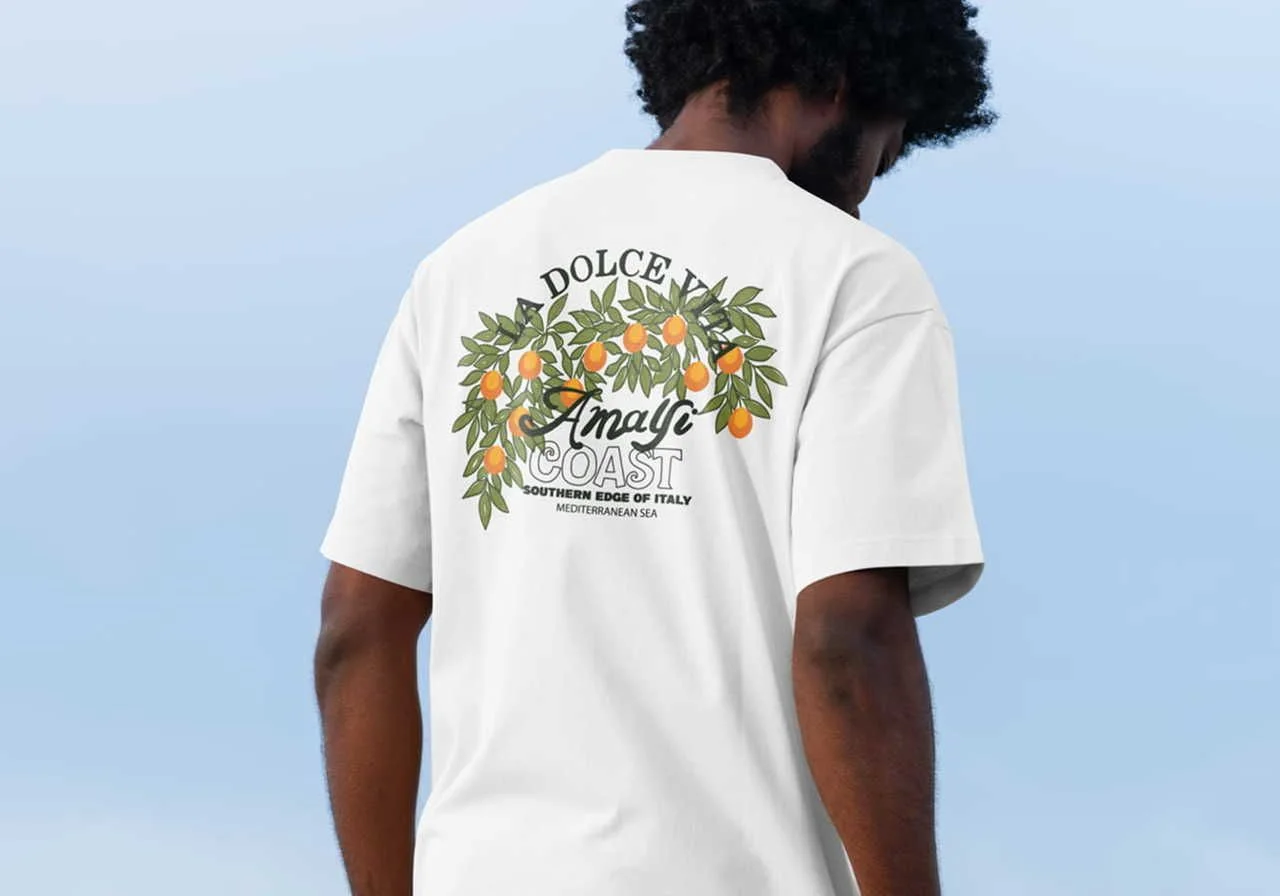
Example of a t-shirt design that combines a bold central graphic with clear, short text, strong contrast, and a clean background so the motif remains readable at thumbnail size.
Writing DHgate-friendly titles and descriptions for spring tees
Titles on DHgate work best when they lead with what the buyer is actually scanning for. Start with the primary elements—product type, key attribute, and spring theme—then add secondary details like gender, colour, or sleeve length. For example, a pattern such as “Spring cotton graphic tee – relaxed fit, floral print, short sleeves” or “Men’s spring sports tee – breathable polyester, quick-dry, short sleeve” puts the core idea first and lets extra descriptors follow naturally.
Use bullets or short paragraphs in the description to organise the rest of the information instead of cramming every phrase into the title. One bullet can cover size range and fit (“S–XXL, true-to-size regular fit”), another fabric composition (“100% cotton, medium weight”), another style notes (“pastel colour palette with minimal floral graphic”), and another intended occasions (“casual daily wear, spring outings, festivals”). This structure makes it easier for both DHgate search and buyers to understand the tee at a glance.
Avoid stuffing unrelated trending phrases, celebrity names, or brands that the tee does not actually represent. Overusing buzzwords or exaggerating features (“premium luxury”, “designer brand”) when the listing does not support those claims can harm trust, invite disputes, and may conflict with DHgate policies. Instead, focus on accurate terms that match your real fabric, fit, style, and spring theme.
Effective keywords vary by niche and season, so any title pattern is guidance rather than a guaranteed ranking formula. Watch which words your buyers use in questions and what similar, successful tees emphasise, then adjust your titles and descriptions over time. Straightforward, descriptive wording that reflects the actual product helps DHgate’s search and external search engines correctly index your listing, which is more valuable in the long run than any short-lived keyword trick.
Using product details to prevent disputes and protect visibility
On DHgate, precise product details are one of the simplest ways to keep spring tee listings out of trouble and visible over time. A size chart tailored to the actual tee—chest, length, shoulder and sleeve measurements, plus a note on whether the fit is slim, regular or oversized—helps buyers choose correctly instead of guessing from generic labels. When those measurements match the real garment, you cut down on “too small/too big” returns and the complaints that quietly weaken your ratings.
Honest fabric composition and realistic care guidance do the same job. Make it clear whether the tee is 100% cotton, a cotton–poly blend or another material, and mention weight and stretch if they affect comfort. Add straightforward care instructions such as “machine wash cold, line dry” and call out anything that might change how the tee ages, like “may shrink slightly after first wash” or “dark colours may fade over time with hot water.” This gives buyers a truthful picture of how the tee will behave, so they are less likely to feel misled later.
I would rather over-clarify these points than leave room for surprises. If your spring tees tend to fit snugly, say so; if light colours can look a little different under indoor vs outdoor lighting, mention that possible colour variance. While DHgate does not publish exactly how dispute rates feed into ranking, high refunds, visible low-star reviews and repeated complaints are clear warning signs to buyers and may signal risk to the platform. Detailed, honest information about size, fabric and care keeps expectations aligned with reality, reducing disputes and helping your spring tee listings maintain a healthier trust profile and more stable visibility.
Setting shipping and handling that support visibility, not disputes
- Assess your real fulfilment capacity before you touch your DHgate settings. For spring tees, look at how long it actually takes you to print, pack and hand parcels to the carrier, and which standard and faster shipping services you can reliably access for your main buyer regions.
- Choose shipping methods that match those capabilities and typical buyer expectations, not just the fastest option shown in the menu. For everyday spring apparel, many buyers are comfortable with a moderate delivery window as long as it is met consistently; I would rather promise slightly slower, dependable shipping than risk missing an aggressive timeline.
- Set handling and dispatch times that you can keep and make sure they match both DHgate’s order settings and the text in your listing. If you need two days to prepare most spring tee orders, do not advertise “same-day shipping” in the description—align the promise everywhere so buyers are not surprised.
- Highlight tracking availability in the listing so buyers know how they will follow their order. Briefly state whether standard shipping includes tracking, which carrier is used, and where they can see updates inside DHgate once the parcel is sent.
- Review past delivery performance regularly and adjust promises conservatively if you tend to cut deadlines too close. If shipments often go out a day later than planned or certain routes suffer delays, widen your stated window rather than hoping the next batch will be faster.
- Tie all of these choices back to visibility: in marketplace environments, late deliveries, missing tracking and unmet shipping promises commonly lead to negative reviews, complaints and refunds. On DHgate, that pattern can weaken your seller ratings and trust signals, which makes it harder for your spring tee listings to stand out over time. Check DHgate’s current logistics guidance periodically, but keep your own rule simple—only promise what you can consistently deliver.
Risky optimization tactics that can quietly kill visibility
- Using copyrighted or branded artwork without permission. Copying logos, character art, or recognisable brand designs for your spring tees can trigger intellectual property complaints from rights holders or buyers. On DHgate, this may lead to listing removal, disputes, or account warnings, and repeated issues can quietly reduce overall visibility.
- Showing deceptive design previews. If mockups are edited to display colours, print quality, or fabric weight that the actual tee cannot deliver, buyers are more likely to feel misled once orders arrive. That disappointment often turns into refunds, negative reviews, and disputes, which weaken your ratings and make DHgate less inclined to surface your listings prominently.
- Stuffing titles and descriptions with unrelated trending terms. Adding popular keywords that do not describe your spring tee—such as unrelated brands, events, or product types—can confuse buyers, increase bounce and complaints, and may violate marketplace rules against misleading metadata. Over time, this behaviour can damage trust and lead to policy action on your account.
- Advertising shipping speeds you cannot meet. Promising very fast delivery or guaranteed arrival dates when your production or logistics cannot reliably support them is a common source of complaints and refund requests. Consistently late shipments are a visibility risk because they erode seller ratings and can trigger DHgate interventions.
- The consequences of these tactics usually show up as a mix of disputes, refunds, account warnings, and in some cases delisting or reduced exposure for affected products, even though DHgate does not publish exact penalty formulas. To protect both visibility and account health, favour conservative, honest optimisation: create original designs, show realistic previews, use only relevant keywords, align shipping promises with your real capacity, and re-read DHgate’s content and intellectual property policies regularly to stay within current rules.
Making DHgate spring tee listings more discoverable in external search
Using DHgate buyer behavior to refine designs and listings
- Review DHgate order records by product and time of season to see which spring tee designs, colours, themes and sizes consistently sell best, then favour those patterns in new designs and reorders.
- Track common pre-sale questions from buyers and note where they point to missing or unclear information in titles, descriptions, size charts or images, then update listings to answer those questions upfront.
- Regularly scan dispute, refund and negative-review reasons to identify recurring issues with fit, fabric quality expectations or shipping performance, and adjust designs, sizing guidance or logistics settings accordingly.
- Document your observations in a simple spreadsheet or notebook (top-selling designs, frequent questions, typical dispute themes) and prioritise changes that directly reduce confusion, such as clearer size advice or more accurate photos.
- Schedule periodic listing reviews—for example, once a month during spring—to apply lessons from recent orders and support messages instead of waiting for problems or policy warnings to accumulate.
- Remember that DHgate may not expose detailed search impression data, but these visible buyer signals—orders, questions, reviews and disputes—are enough to guide meaningful, ongoing optimisation of your spring tee designs and listing content.
Common questions about updating and localizing spring tee listings
If I update my DHgate spring tee titles or main images, can that hurt existing visibility or ranking?
DHgate does not publish detailed rules about how listing edits affect ranking, so there is no guaranteed outcome. In practice, careful updates that improve clarity, accuracy, and relevance tend to help rather than harm. Focus title and image changes on making the product easier to understand: highlight the actual fabric, fit, spring theme, and key attributes, and choose a thumbnail that shows the real design clearly. Avoid changing titles and images so often that you cannot tell which version performed better, and avoid edits that radically change the product concept or expectations—those can confuse returning buyers and lead to complaints, which are more likely to weaken trust and visibility than the edit itself.
How often should I refresh or add new spring tee designs and listings on DHgate?
There is no fixed schedule that guarantees better visibility, so use demand and performance as your guide. Add or refresh designs when you see clear signs of interest or change: strong sales around particular colours or themes, emerging spring trends, or feedback that certain styles feel outdated. I would rather introduce new designs gradually—testing a few variations at a time and keeping strong performers live—than constantly replacing everything and losing track of what actually works. During the spring season, review your sales and buyer messages regularly and adjust designs and listings when the data suggests an opportunity or a problem, instead of forcing changes on a weekly or fixed timetable.
What is the best way to use multi-language keywords for DHgate spring tee listings without confusing buyers?
Choose one or two primary languages based on where your buyers actually come from—for example, English for international shoppers and another language for a specific region—and structure titles and descriptions around those. Avoid packing too many languages into a single title; long, mixed-language strings are hard to read and can look spammy. If you include a second language, keep it clean and separated (for example, an English title with a short translated phrase in parentheses) rather than alternating words. Make sure translations are accurate and natural; awkward machine translations or incorrect phrases may include popular keywords but still confuse buyers, reduce trust, and increase the risk of disputes. Clear, targeted multilingual wording that reflects real buyer regions supports both understanding and visibility better than trying to cover every language at once.