
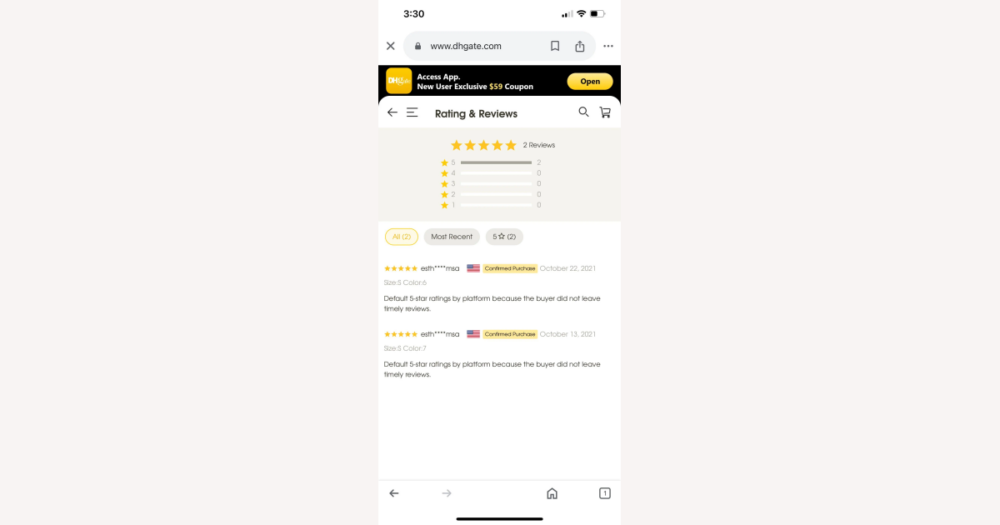
When you’re buying hobby tools or kits on DHgate, trust comes from how clearly you can see a seller’s track record, not just from chasing the lowest price. By checking on‑platform ratings and detailed feedback, widening your view with targeted web searches, and then matching what you find against DHgate’s order records and buyer protections, you can quickly decide whether to buy confidently, start with a small test order, or skip a listing altogether.
Start with DHgate seller ratings and feedback
- Open the DHgate listing for the hobby item you’re considering and locate the seller box near the top or side of the page. Note the overall rating (stars or score) as a quick signal, but treat it as only one part of the picture.
- Look at how many transactions or feedback entries the seller has. A steady history of orders and comments usually gives a more reliable view than a high score based on only a handful of buyers.
- Scroll to the recent buyer comments and, if available, photos. Focus on details that matter for hobby use: tool quality, whether kit contents were complete, packaging condition, and how long shipping actually took compared with what was promised.
- Give extra weight to reviews that include clear descriptions or photos of received items, because they show how the products look and perform in real hobby setups instead of just repeating a star rating.
- Check the dates on the latest page or two of comments. Recent, specific feedback about similar hobby items increases trust. When feedback is sparse, very old, or full of generic phrases like “good seller” with no detail, I treat the situation as less clear and either look for a seller with richer feedback or keep any first order small and low‑stakes.
Example of a webpage about DHgate, with branding, product tiles, and an area where ratings and feedback might appear on a seller or listing page.
Make sense of sparse or mixed DHgate feedback
When a DHgate hobby seller has very few, vague, or mixed reviews, the main signal is uncertainty: you simply don’t have much information about how they treat buyers. That doesn’t guarantee a bad outcome, but it does mean you should read what is available more carefully and decide how much risk you’re willing to take.
Patterns matter. A small number of reviews spread over a long period suggests a limited track record, so you’re guessing more about consistency. By contrast, many reviews appearing in a short time with almost identical wording can feel like low‑quality or inauthentic feedback rather than independent experiences. Pay close attention to recurring, specific complaints about hobby issues—tools arriving damaged, missing pieces in model or craft kits, items looking different from the listing photos. Those repeated, concrete problems are more serious than a single isolated comment about a minor flaw.
If you see a mix of older negatives and more recent positives, it might indicate the seller has improved packaging, quality, or communication, but that’s never certain. I treat sparse, old, or generic DHgate feedback as a cue either to choose another hobby seller with clearer, hobby‑specific comments, or to cap my exposure with a small, low‑stakes test order—especially when the item is cheap or not time‑sensitive. The difference is simple: clear, repeated problems point to real risk; thin or inconsistent information points to uncertainty, where you decide how much you’re comfortable committing on a hobby purchase.
Use web search and hobby communities to widen your view
- Copy the DHgate seller or store name—plus any distinctive brand mentioned on the listing—and paste it into a search engine together with words like “reviews”, “experience”, “scam”, and your hobby niche (for example, “model kits”, “RC parts”, “cosplay tools”).
- Skim results from hobby forums, Reddit threads, and review sites for posts that clearly mention the same seller or store name, show similar product photos, or describe repeated issues such as slow shipping, items not matching the description, or poor packaging.
- Keep in mind that some hobby sellers use the same name across multiple platforms or run independent sites, so discussions that aren’t specifically about DHgate can still give you useful context about how they handle orders in general.
- Treat off‑platform posts as individual stories, not definitive truth: recent, consistent complaints that line up with what you saw in DHgate feedback carry more weight, while a handful of scattered or very old anecdotes should sit alongside, not replace, your on‑platform checks.
- Use what you find to adjust your DHgate decision—feeling more confident when external comments look balanced or isolated, or choosing a smaller test order or a different seller when external patterns reinforce serious concerns—rather than turning the search into a hunt for other marketplaces to shop on.
Cross‑check reviews against DHgate orders and protections
Before you place an order, compare the main themes in the reviews—slow shipping, wrong or damaged hobby items, or sloppy packaging—with what the DHgate listing actually promises about processing time, available shipping methods, and the expected delivery window. If reviews complain about long delays but the seller already lists a very long handling time, that’s a sign you may need extra patience or a different seller; if they promise fast dispatch but buyers consistently report late arrivals, that gap matters more.
Check whether the seller offers tracked shipping and how their stated timelines fit within DHgate’s buyer protection period. You want enough time for the parcel to arrive and for you to open and check hobby items like kits or tools before any deadline to open a dispute. When reviews mention missing tracking or parcels that never arrive, I only feel comfortable ordering if the current listing clearly includes trackable shipping and the protection window gives me room to escalate if the package stalls.
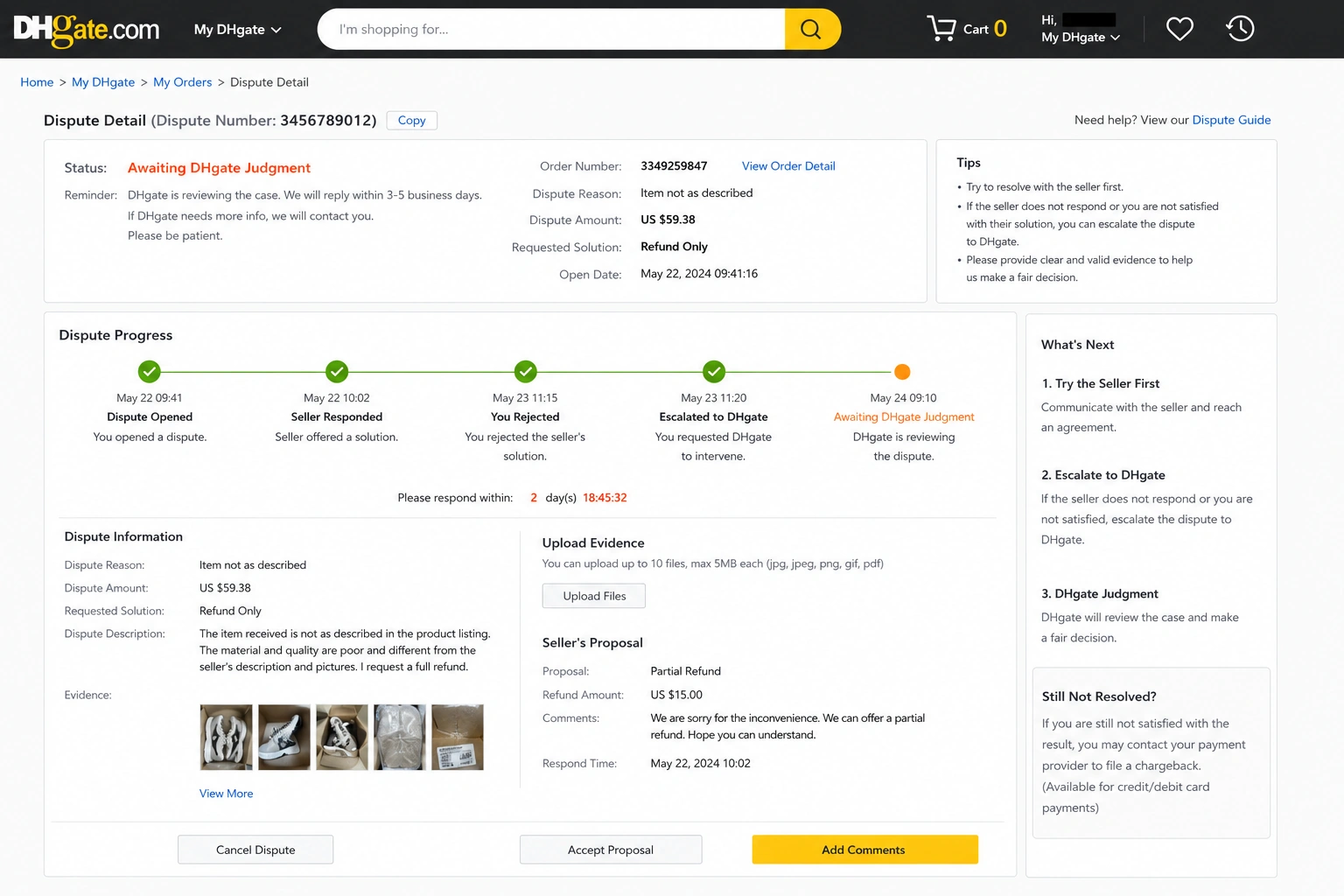
For existing orders, use your DHgate order record as evidence: review the order details, shipping method, tracking updates, and any message history with the seller. If your experience—such as an undelivered package or clearly misdescribed hobby item—matches problems other buyers raised in reviews, those records strengthen a dispute or refund request because they show a pattern rather than a one‑off complaint.
I’m most willing to proceed or order again from a DHgate hobby seller when their written promises, real‑world tracking behaviour, and DHgate’s buyer guarantees all line up with mostly steady feedback. When there’s a clear mismatch—promised fast shipping but repeated late deliveries, or many reports of unresponsive support—and my own order shows the same issues, that’s when I use buyer protection tools promptly or avoid that seller for future hobby purchases.
Review red flags and when to slow down
- Several reviews use nearly identical wording, star ratings, or usernames. That kind of copy‑paste praise doesn’t tell you much about real hobby buyers, so I treat the feedback as low quality and usually look for another DHgate seller with more natural, varied comments.
- The overall rating has dropped sharply recently or there is a cluster of fresh one‑star reviews, especially about parcels never arriving or items being far worse than described. When I see that pattern, I only consider a small, non‑urgent test order at most, and often skip the seller entirely if the project or budget matters to me.
- Multiple reviews mention that the seller ignores messages, gives very short or hostile replies, or refuses to solve straightforward problems. For hobby items that can arrive damaged or incomplete, unresponsive communication is a major risk, so I prefer to choose a different DHgate seller rather than rely on buyer protection alone.
- There are consistent complaints about issues that matter for hobby use—broken or blunt tools, missing parts in kits, or items that appear counterfeit compared with known branded gear. When the same hobby‑specific problems repeat, I treat that as a sign of poor quality or reliability and avoid using that seller for any serious project.
- Reviews describe orders that never arrived and there is no follow‑up comment saying the problem was resolved or refunded. A few isolated delivery problems can happen, but when non‑delivery shows up again and again without resolution, I do not commit significant money or time‑critical hobby plans to that seller. One warning sign might be manageable; several together usually justify slowing down, limiting any test order, or walking away completely.
A simple buy, test, or skip decision path
- Buy normally when the seller has substantial, recent, specific feedback on similar hobby items, no strong red flags, and their promises about handling time, shipping, and buyer protection match what you expect from DHgate. In that situation, I feel comfortable placing a regular order for a project I care about.
- Test or scale down when feedback is sparse, mixed, or off‑platform discussions raise questions but the stakes are low—such as a cheap tool or accessory that isn’t time‑sensitive. In those cases, I either search for a better‑documented DHgate seller or place only a small trial order to see how they handle packing, quality, and delivery.
- Skip the seller when multiple red flags show up together: repeated reports of non‑delivery, obviously copy‑paste reviews, or many unresolved complaints about broken, fake, or incomplete hobby items. When that combination appears, I stop investing time in that listing and look for another DHgate option with clearer, more reliable feedback.
- Treat this as a personal rule of thumb rather than a guarantee. You can raise or lower your threshold depending on your budget, how important the hobby project is, and how comfortable you are with risk; the goal is to make a conscious choice instead of ordering blindly.
FAQ: When reviews change or don’t match your experience
Can DHgate reviews be edited, updated, or removed?
On DHgate, buyers can leave reviews for completed orders, and those reviews are meant to reflect their own experience with a product and seller. In some cases a buyer may be able to add or adjust comments within the options DHgate provides, and DHgate itself can hide or remove reviews that break its policies—for example, content that is abusive, clearly irrelevant, or suspected to be fake. That means the set of reviews you see at any moment is moderated rather than a permanent record of every comment ever written.
What should I do if my experience with a DHgate hobby seller is worse than the reviews suggested?
Treat your order as another piece of evidence. First, gather proof: keep screenshots of the listing, save messages with the seller, and take clear photos or video of any problem such as damaged tools, missing kit parts, or a parcel that never arrived. Then check DHgate’s order page for buyer protection deadlines and use the platform’s resolution or dispute tools if the seller doesn’t solve the issue promptly. Once things are resolved as far as they can be, leave honest, specific feedback on DHgate that describes what happened and how the seller responded so other hobby buyers can factor your experience into their own trust checks.
How should I adjust my trust in a seller when reviews don’t match my experience?
It’s normal for reviews to vary because each one describes a single order. If your experience is better than expected, you can weigh that as a positive sign when deciding whether to buy again, while still noticing any recurring issues in other feedback. If your experience is worse, treat that as a serious data point: tighten your personal rules by only placing small, low‑stakes orders with that seller in future—or avoid them altogether—unless their feedback history clearly improves over time. Your own review becomes part of the wider picture other DHgate hobby buyers will see when they make the same decision.