
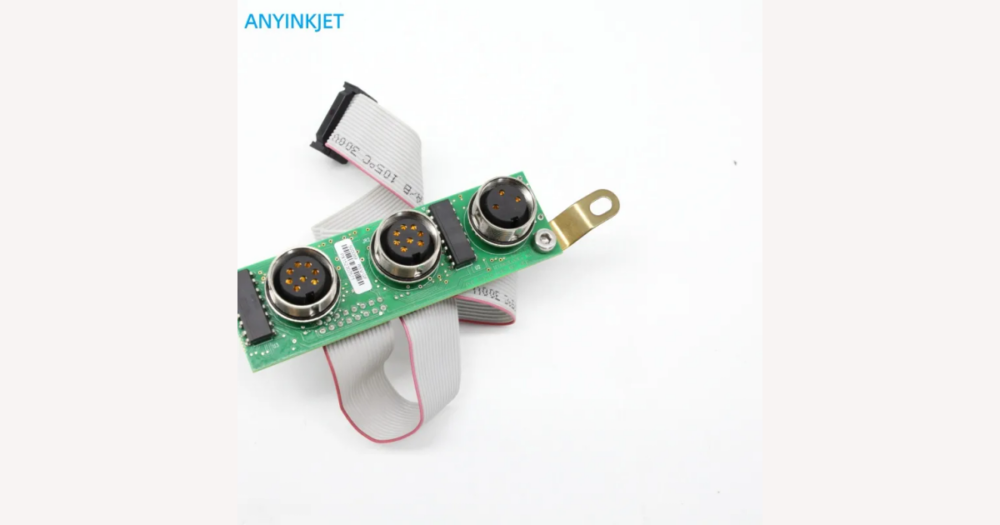
If you want to buy PCB components through DHgate, the key question isn’t which store is “best” but whether you understand how the platform itself works: independent sellers list and ship the parts, while DHgate handles payments, orders, and disputes. This guide walks through that process step by step so you can decide if DHgate’s way of doing account setup, seller checks, shipping, customs, and refunds feels clear enough for the kind of PCB components you need.
What this guide covers—and how DHgate works for PCB components
This guide answers your original question—where to buy PCB components online—by focusing specifically on how DHgate works if you decide to look for printed circuit board parts there. It does not rank different stores or recommend particular components; instead, it explains the platform steps and checks that matter for electronics and PCB items on DHgate.
DHgate is a cross‑border marketplace, not a single retailer. Independent sellers list PCB and other electronics components, set their own prices, shipping methods, and handling times, and are responsible for packing and dispatching your order. DHgate provides the infrastructure around them: the site and app where listings appear, the payment system that processes your money, and the formal dispute tools you use if something goes wrong. Because each seller operates independently, reliability, shipping speed, and after‑sales terms can vary from one listing to another even though all of them are hosted on DHgate.
Step 1: Set up your DHgate account and find PCB listings
- Create a DHgate account with a valid email address and a secure password, then fill in any basic profile details the platform requests, such as your name, default shipping address, and preferred language.
- Use the main search bar and broad electronics or PCB‑related categories to look for components, narrowing results with filters such as type of part or price range when they are available, without relying on specific menu names that may change over time.
- Open individual listings that seem relevant and read the description closely, confirming technical specifications like values, footprints, voltage ratings, tolerance, and any compatibility notes so the parts match your circuit design requirements.
- Check how the components are packaged and sold—single pieces, strips, reels, or other bulk formats—and pay attention to minimum order quantities so you know exactly how many units you are committing to buy with one order.
- Look for any mention of condition, such as new, surplus, or refurbished components, and only add items to your cart once you are satisfied that the specs, quantities, and stated condition line up with what your PCB project actually needs.
How to assess PCB listings and DHgate sellers before you buy
- Treat PCB and other electronics components on DHgate as technically sensitive parts, and buy them only after you are confident the offer matches your design requirements.
- Check listing details carefully: electrical values, tolerances, package type, footprint, voltage or current ratings, and any stated intended use or compatibility notes so the parts actually fit your PCB layout and circuit.
- Verify how many units you are ordering by checking quantity fields and minimum order quantities, and note how items are physically packaged (single pieces, strips, reels, or bulk lots).
- Confirm the condition described in the listing—such as new, surplus, or refurbished—and decide whether that condition is appropriate for how critical the part is in your project.
- Review seller-level signals, including overall rating score, total number of completed transactions, and the balance of positive versus negative reviews to get a sense of typical buyer experience.
- Scan recent reviews for comments that specifically mention electronics or components, remembering that each review reflects one buyer’s experience and does not guarantee future performance.
- Treat any stated certifications or guarantees as claims to be weighed alongside clear documentation and consistent feedback, rather than assuming every label has been independently verified.
How DHgate payments work for PCB orders
- At checkout, remember that payment is processed through DHgate’s system rather than sent directly to the seller, and that funds are typically held under DHgate’s buyer protection or escrow-style framework until certain conditions are met.
- Choose one of the payment methods currently shown in your account interface—such as major cards or region-specific options—knowing that the exact set of methods can vary by country and over time.
- Before you confirm payment, review the order summary carefully to make sure item quantities, component options, total price, shipping costs, and any taxes or fees displayed all match what you expect.
- Check the currency in which you will be charged and note any stated handling or processing time before shipment so your expectations for when the order will move are realistic.
- Use DHgate’s checkout page and help center to verify which payment methods are available to you at the moment you place the order, rather than relying on fixed lists from guides or older screenshots.
Shipping, tracking, and customs considerations for PCB components
Once your PCB order is paid, the seller proposes shipping options in the listing or during checkout—usually a choice between slower, lower-cost services and faster, higher-cost delivery. The option you select determines the expected delivery window and price shown on the order summary. After the seller ships, they typically add a tracking number that appears in your DHgate order details, which you can use both inside DHgate and on the carrier’s tracking site to follow the parcel. Any delivery timeframe shown is an estimate only and can change based on the seller’s handling time, the service you chose, and the route and handoffs involved in cross‑border shipping.
Buyer protection, disputes, and refunds on DHgate
If your PCB components arrive late, damaged, or not as described, DHgate expects you to handle the problem through its formal dispute system rather than relying only on chat messages with the seller. Disputes and refund requests are opened from the order interface and are subject to DHgate’s rules and deadlines, so you generally need to act within the allowed timeframe. Buyer protection depends on supplying clear documentation—such as photos of damaged or incorrect parts, tracking information showing non‑delivery, and a description of what differs from the listing. Outcomes are not guaranteed for every case; DHgate reviews disputes under its current policies and the evidence provided, so different orders can have different results. For exact timelines and conditions, always confirm the latest requirements in DHgate’s help center before depending on any static description of the process.
- Start by contacting the seller through DHgate’s messaging or order interface, explaining the problem with your PCB components and asking for a practical solution such as replacement, reshipment, or clarification.
- If the issue is not resolved through direct communication, open a formal dispute from the order page within the timeframe stated by DHgate, choosing the dispute reason that best matches your situation (for example, non‑delivery or items not as described).
- Upload clear evidence to support your dispute: photos of damaged or incorrect parts, screenshots of tracking information, and relevant messages that show what was promised and what you received. State the resolution you are requesting, such as a full refund, partial credit, or reshipment.
- If the dispute remains unresolved or you believe the seller’s response is unfair, use DHgate’s customer support or escalation options to ask the platform to review the case under its buyer protection policies.
- Before you place orders that feel high‑risk, review DHgate’s help center for up‑to‑date rules, deadlines, and documentation requirements so you know what you would need to do if a dispute became necessary.
FAQ: Remaining practical questions about buying PCB components on DHgate
Can I buy only a small quantity of PCB components on DHgate?
Yes, but minimum order quantities (MOQs) and packaging formats are set by each seller. Some listings offer single pieces or small strips, while others require you to buy reels or bulk lots. When you need only a few components, open the listing and read the quantity, MOQ, and packaging details carefully before adding anything to your cart. If the MOQ is higher than you want, look for alternative listings that clearly show smaller pack sizes.
How do I check which payment methods are currently available for my country?
Supported payment methods can change over time and differ by region. To see what is available to you right now, go to DHgate’s checkout page with an item in your cart and review the payment options shown for your account and location. Then, confirm the details in DHgate’s help center or payment-related support articles, which explain current methods, any limits, and region-specific conditions.
Where can I find the latest information on buyer protection, disputes, and customs rules on DHgate?
For up-to-date rules and deadlines, use DHgate’s official support resources rather than relying on any static guide. Look in the help center or policy sections for topics like buyer protection, disputes and refunds, shipping, taxes, and customs/import duties. Those pages outline current procedures, timeframes, and documentation requirements, and they are the right place to verify how DHgate will handle problems with PCB orders or cross-border customs issues at the time you buy.