
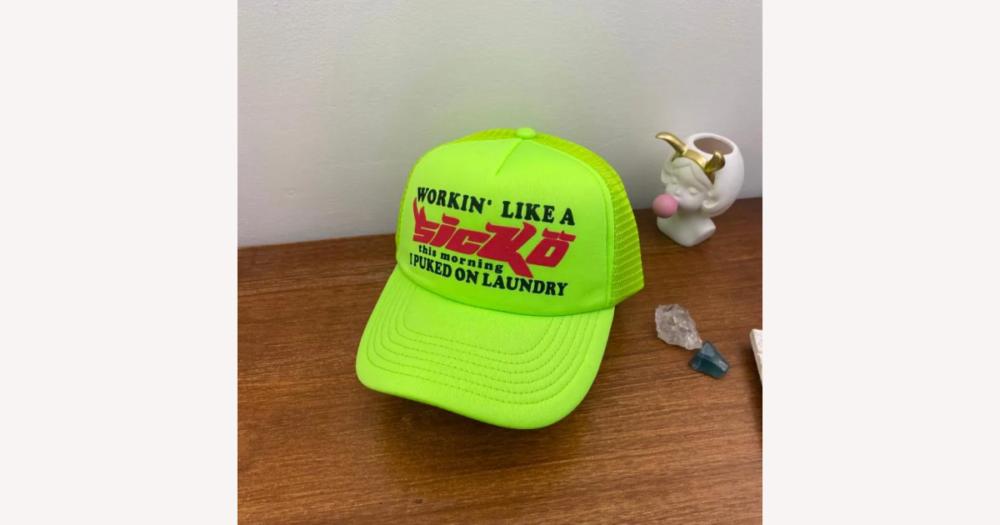
If you want to buy Sicko hats or related apparel on DHgate, the safest path is to treat it as a process to manage rather than a popularity contest to win. DHgate doesn’t publish trustworthy “most popular Sicko hat” rankings, and we can’t see live sales data, so your real leverage comes from understanding how this marketplace works and using its tools—seller ratings, listing details, payment handling, shipping, and dispute channels—to decide whether a specific Sicko listing is worth the risk for you.
Why “most popular” Sicko hats aren’t the right question for DHgate
You probably started by searching for the most popular Sicko hats and then noticed DHgate listings, but there isn’t an honest way to rank “top” Sicko hats on DHgate or across marketplaces. We can’t see live DHgate inventory, cross‑platform sales data, or any reliable, platform‑wide popularity index, and DHgate itself doesn’t publish an official list of best Sicko hats.
DHgate is not a single store that curates or authenticates a fixed catalog of Sicko items. It’s a marketplace where many independent sellers post their own hat and apparel listings, choose the photos and descriptions, and set prices. That means any “popular” or “bestseller” label you see is just local wording or limited site metrics for that listing, not a trustworthy statement about what’s most popular overall.
For Sicko hats and related apparel, the practical decision isn’t “Which design is objectively most popular?” but “Is this specific listing acceptable for the amount of risk I’m willing to take?” You get control by treating DHgate as a process to manage: checking seller history, reading reviews, scrutinizing photos and sizing, and understanding how payment, shipping, and protections work before you commit.
Personally, I would rather skip a Sicko listing if the branding is vague, the seller’s ratings or history look thin, or the photos and description feel confusing—even if the hat seems trendy or unusually cheap. I’d trade chasing what looks “most popular” for picking the option that’s best documented and least likely to turn into a dispute or a hassle. If you’re more comfortable with risk, you might still go ahead on a thinner record, but it’s important to make that choice with clear eyes about what DHgate can and can’t guarantee.
The rest of this guide stays anchored to DHgate and Sicko hats and apparel: how the marketplace structure works, how to vet individual listings and sellers, what happens when you order and pay, how shipping and tracking from overseas generally work, what to expect with customs, and how to handle after‑sales issues and protections if something goes wrong.
How DHgate’s marketplace structure affects Sicko hat listings
DHgate is a multi‑seller marketplace: independent merchants create their own listings, upload photos, write descriptions, set prices, and arrange fulfillment, while DHgate provides the website, handles payment through its system, and offers a general buyer protection framework. When you browse Sicko hats or apparel there, you’re interacting with many different sellers operating under that shared platform umbrella, not buying directly from DHgate itself.
Applied to Sicko hats, this means several unrelated sellers may use the word “Sicko” or similar streetwear branding, and the same or very similar hat design can appear in multiple storefronts with different photo quality, descriptions, and buyer feedback. DHgate generally doesn’t single out an official or curated “top Sicko hat,” and any popularity badges or “bestseller” language come from seller wording or narrow on‑site metrics, not a broad statement about authenticity or global demand.
Because DHgate’s role is to host and mediate rather than pre‑approve every item, the burden of filtering Sicko listings falls on you. Looking closely at seller ratings, review content, hat photos, sizing and material details, and how consistent the catalog looks is what compensates for that open marketplace structure. The next section turns this into a concrete checklist you can follow to vet individual Sicko hat and apparel listings and decide whether a specific offer feels reliable enough to order.
How to vet Sicko hat and apparel listings on DHgate before you buy
- Start with the seller profile. Check their overall feedback score, number of completed transactions, account age, and any performance badges. Give more weight to sellers with a visible history of selling apparel or hats and consistently strong ratings than to brand‑new accounts or mixed feedback.
- Read the product title and description closely. For a Sicko hat or related apparel, look for clear naming of the item type, material details (for example, cotton, wool, blends), sizing information, available colors, and basic care instructions. Treat vague or incomplete descriptions—especially where size or fabric are missing—as a sign that you’re taking on more risk.
- Study the photos. Prefer listings with multiple, well‑lit images that look like original photos of the actual hat: front, sides, back, and close‑ups of logos, embroidery, labels, and interior tags. Be cautious if all images look like generic stock art, are heavily edited, or appear identical across many different listings.
- Scan buyer reviews and photos. Prioritize feedback from purchasers of the same or very similar hats from that seller, and look for patterns in build quality, stitching, fit, color accuracy, and how the logo or other branding looks in real life. Repeated comments about thin materials, crooked embroidery, or off‑looking logos deserve extra attention.
- Use DHgate messaging for anything unclear. If branding, sizing, or shipping details feel ambiguous, send a short, specific message asking for clarification or extra photos. How quickly and clearly the seller responds is itself a signal: a helpful, direct reply is more reassuring than evasive or copy‑paste answers.
- Keep your default bias conservative. I would rather choose a clearly documented listing from an established seller, even if it costs a bit more or looks less hyped, than chase the lowest price or trendiest thumbnail when the documentation is weak. If you’re more experienced and willing to accept higher risk with a new seller or thin description, do it knowing you may have less support if the item technically matches that vague listing but still feels disappointing.
- Treat blurred, cropped, or partially hidden logos in photos as a caution sign, especially when the branding is the main reason you’re interested in the hat. Sellers who avoid showing the logo clearly make it harder to judge what you’re actually buying.
- Be wary of descriptions that avoid naming any brand while using suggestive wording, or that lean on trend phrases without explaining what’s printed or embroidered on the hat. That kind of vagueness around Sicko or similar streetwear branding increases uncertainty.
- Check that reviews and buyer photos match the current listing images. If older photos show a noticeably different design, logo placement, or color than the pictures on the page today, you may be looking at a listing that has changed over time, which adds confusion and risk.
- Pause when the price is dramatically lower than what you’d expect from more established channels for a similar style. A low price doesn’t prove anything on its own, but combined with thin descriptions or generic photos, it’s a sign to slow down and ask more questions.
- Remember that none of these red flags conclusively prove authenticity or inauthenticity. They are signals. If several show up together and you’re not fully comfortable, treat that as a reason either to gather more information through DHgate messages or to skip the listing entirely rather than talking yourself into a risky purchase.
Ordering and paying for Sicko hats and apparel on DHgate
- On the Sicko hat or apparel listing, choose your options carefully: select the size, color, and quantity you want, and check whether different variants change the price. Before you move on, review the total shown on the page, including shipping and any seller‑stated fees, so you know what you’re agreeing to pay.
- Proceed to checkout and confirm your shipping details. Either enter a new address or double‑check the one DHgate has saved for you. Then choose from the payment methods DHgate currently offers in your region—typically card and other online payment options—without assuming that any specific method will always be available.
- After you submit payment, DHgate or its payment partners process the funds and the order status usually moves through stages such as “payment processing,” “awaiting shipment,” and “shipped.” You’ll see these updates in your order list and can use them to track where things stand.
- Behind the scenes, DHgate generally holds your payment in an escrow‑style arrangement instead of instantly handing the full amount to the seller. According to current platform rules, funds are typically released after delivery is confirmed or when a protection period ends, which gives you a window to raise issues if the hat never arrives or is significantly not as described.
- Watch your order statuses and any visible countdown timers. I would wait to confirm receipt until the Sicko hat has actually arrived and I’ve inspected it, unless DHgate’s interface explicitly requires another action. Confirming completion too early, or ignoring the protection timer altogether, can reduce your ability to ask for help later if problems appear.
- Keep in mind that refund timing and exact outcomes follow DHgate’s current policies, which can change. Use this ordering and payment sequence as a way to understand your leverage and the moments when your decisions—like confirming receipt—affect how much protection you still have, rather than as a promise of any specific result.
Shipping and tracking DHgate orders for Sicko hats and apparel
For most Sicko hats and other apparel on DHgate, you should expect international shipping from an overseas seller—often based in China—using standard postal services or commercial carriers. Delivery windows are usually measured in weeks rather than days, and faster options typically cost more while economy services take longer.
A typical journey looks like this: the seller prepares and packages your Sicko hat, hands it to a local carrier, and the parcel moves to an export hub. It passes outbound customs in the origin country, travels on a long‑haul route, then enters your country, where it may be handed off to a domestic postal service or courier for final delivery.
Because several logistics partners are involved, tracking numbers, status labels, and event formats can change along the way. DHgate’s order page usually aggregates the main tracking updates it receives from those partners, but you can often copy the tracking number and check it directly on the carrier’s own site for more detail.
Multi‑day gaps in tracking updates are common when a parcel is in long‑haul transit or waiting in a customs or transfer facility. What matters is whether movement resumes and the progress still fits within the estimated delivery window shown on DHgate. I would check tracking regularly inside DHgate, and, when possible, on the carrier’s site so you can spot genuine problems rather than worrying about normal pauses.
If you’re ordering a Sicko hat for a specific event or as a gift, build in extra time. Weather, logistics bottlenecks, and customs processing are outside both the seller’s and your control, so treating the estimated delivery date as an approximation—not a guarantee—reduces stress and makes it easier to decide whether international shipping is a good fit for your timing.
Some of the longer delays and occasional extra costs you may see are tied to customs and import rules in your country. Those sit outside DHgate’s systems and are better understood as a separate layer of risk and cost, which the next section tackles directly.
Customs, duties, and import considerations for Sicko hats
When a Sicko hat or other apparel ships internationally from DHgate, the package may be inspected by customs in your country. Depending on local rules and the declared value of the shipment, customs authorities can charge import duties, VAT, or other taxes before the parcel is released for final delivery.
Customs thresholds and tax rates vary widely between countries and can change over time, so no guide can honestly guarantee whether you will be charged on a particular order or quote a precise amount. Two similar parcels can even be treated differently if they arrive at different times or pass through different facilities.
Before committing to a Sicko order, it’s sensible to review your own country’s general guidance on importing low‑value goods or apparel and then treat a possible customs bill as part of the total price. I would compare DHgate’s item cost plus a realistic allowance for tax and handling fees against what a roughly similar hat might cost through local options, rather than assuming the headline price on DHgate is the final amount.
Customs processing can also extend delivery times. Tracking may show statuses such as “held,” “pending clearance,” or similar messages while officials review paperwork and decide whether duties apply. That pause is normal in many international shipments, and the parcel usually moves on once any required checks or payments are completed.
If customs fees are due, follow the official instructions from the carrier or customs authority—whether that means paying online, at a local office, or on delivery. Avoid any attempt to misdeclare values, split shipments solely to dodge thresholds, or otherwise sidestep legal requirements; DHgate sellers and listings cannot override government rules even if they suggest lower declared values or “tax‑free” wording.
Overall, customs risk is part of the decision about whether a DHgate Sicko purchase makes sense for you: there may be extra cost and delay on top of the item price and shipping, and you’ll need to be comfortable with that uncertainty when you decide to place the order.
What to do after your Sicko hat order arrives
- Open the package as soon as it arrives and check the Sicko hat or apparel carefully: make sure it’s the right item, in the correct size and color, with no obvious damage and branding that looks consistent with the listing photos.
- Compare what you received with the original DHgate listing and any messages: look at photos, description details, size charts, and agreed custom notes, and decide whether any differences are minor variations or clear, significant mismatches.
- If everything matches your expectations, use the order page to confirm receipt or completion on DHgate, but only do this once you’re satisfied, since confirmation generally releases funds to the seller and helps end your main protection window.
- If there’s a problem, organize evidence before you contact anyone: take clear photos or short videos of the issue, save screenshots of the listing and order details, and keep relevant message history with the seller in one place.
- From the order page, start a dispute if you believe the item is not received or significantly not as described, choose the appropriate dispute reason, describe the problem clearly, and upload your evidence before any visible protection or dispute deadline expires.
- Act promptly: letting the protection period run out or delaying your dispute can limit your options, and DHgate’s decision in any case will depend on its current policies and review of the details you provide, not on a guaranteed outcome.
What DHgate buyer protections cover for Sicko hats—and what they don’t
DHgate’s buyer protections are mainly designed for clear problems, not every kind of disappointment with a Sicko hat or piece of apparel. In general, they focus on orders that never arrive within the protection period and on items that are significantly not as described—for example, a completely different product, a major change in design or color, or severe damage that was never mentioned in the listing.
More subjective or minor issues are usually treated differently. If the hat feels cheaper than you hoped but the materials match the description, the color looks slightly different on your screen, or the fit is a bit off even though you chose the listed size, those complaints are harder to frame as misdescription. You can still message the seller to discuss options, but DHgate is less likely to treat them as straightforward grounds for a refund under buyer protection.
Because policies, thresholds, and processes can change—and may vary by category or region—it’s important to read DHgate’s current buyer protection terms on the site before ordering, especially if you’re planning a higher‑value Sicko purchase. That way you know what types of problems are covered right now and what documentation DHgate expects if you open a case.
The conservative way to think about buyer protection is as a safety net for clear‑cut issues like non‑delivery or obvious misdescription, not as a promise that every hat will meet a personal standard of quality or authenticity. Careful pre‑purchase vetting of the seller and listing, plus prompt inspection and evidence collection after delivery, strengthens your position if you do need to rely on DHgate’s protections and sets up the edge‑case questions addressed in the closing FAQ.
Focused DHgate FAQs for Sicko hats and apparel
Does DHgate verify that Sicko‑branded hats are authentic?
No. DHgate does not systematically authenticate every branded product on the platform, including Sicko‑branded hats. Authenticity and branding clarity are largely up to the individual seller’s listing and behavior. You should assume there is some uncertainty, then rely on the same checks outlined earlier: seller history and ratings, clear logo and tag photos, detailed descriptions, buyer reviews with real photos, and direct communication through DHgate messages. If those pieces don’t give you a clear, consistent picture of what you’re buying, I would skip the listing rather than gamble on the branding.
How can I tell if a DHgate seller really focuses on hats or apparel?
Open the seller’s storefront and scan what they mainly sell. Look for a catalog where hats, streetwear, or other apparel make up most of the items, not just a few scattered pieces among unrelated products. Check how many similar hats or clothing listings they have, whether those listings look consistently presented, and whether reviews mention hats or apparel specifically. A seller with a sustained history of selling similar items and stable feedback is usually easier to evaluate than a generalist who posts a random Sicko hat alongside unrelated goods.
What should I do if tracking for my Sicko hat order stops updating?
Multi‑day tracking gaps are common when parcels move between carriers or sit in customs, so first check whether the order is still within the estimated delivery window and buyer protection period shown on DHgate. If you’re comfortably inside that window and the last status suggests the package is in transit or at a hub, you can keep monitoring. If tracking has been stagnant for a while and you’re approaching the end of the protection period, message the seller via DHgate to ask for clarification and updated tracking. If there’s still no real progress as the deadline nears, open a dispute before the protection timer expires so the issue is formally recorded within DHgate’s system.
Should I still order if a Sicko hat listing looks risky but the price is very low?
A very low price can be tempting, but it doesn’t remove the underlying risk. When branding is vague, photos are generic, the description is thin, or the seller history is weak, a cheap price mainly means you’re paying less to accept more uncertainty. My own bias is to walk away from that kind of listing and pay more for a clearer, better‑documented offer instead. If you decide to proceed anyway, do it consciously: keep an eye on protection deadlines, inspect the hat immediately on arrival, and be ready to document issues and use DHgate’s dispute tools if it turns out to be significantly not as described.