
A handmade marketplace and community is an online space where independent makers sell handcrafted goods and connect with each other and buyers through groups, stories, and shared events. You can use these platforms either to list your own products or to source artisan-style items to resell. Your best route depends on whether you want plug-and-play exposure, maximum control over your brand, or access to cross-border suppliers.
Typical handmade products sold online include jewelry, artisanal candles, soaps, crochet and knitwear, home decor, and personalized gifts — all items that benefit from storytelling and loyal repeat buyers.Source Because the global handmade market is large and fragmented, there isn’t one “right” platform; makers mix curated marketplaces, social media communities, and their own sites to reach different audiences.Source
What Is a Handmade Marketplace and Community in Today’s E‑Commerce Landscape?
A handmade marketplace is a site or app built around selling handcrafted or lightly produced goods from many independent sellers. A handmade community is the social layer on top of that: forums or groups, seller spotlights, education, and shared values about craft and ethics.
You’ll see three big patterns:
- Curated handmade marketplaces that gate who can sell and what counts as handmade (for example, Amazon Handmade is positioned as a handmade-only section inside Amazon).
- Open artisan platforms that call themselves handmade-focused but may be more flexible on what qualifies, sometimes emphasizing community and shared mission, like Craftivelle.
- Social media communities — hashtags like “handmade community” on Instagram — where the “marketplace” is informal: direct messages, link-in-bio stores, and live sales.
What’s different from a regular marketplace like a general Amazon or eBay category is the expectation of uniqueness and maker visibility. Buyers tend to care who made the item, what processes they used, and how their purchase supports an individual or small business.
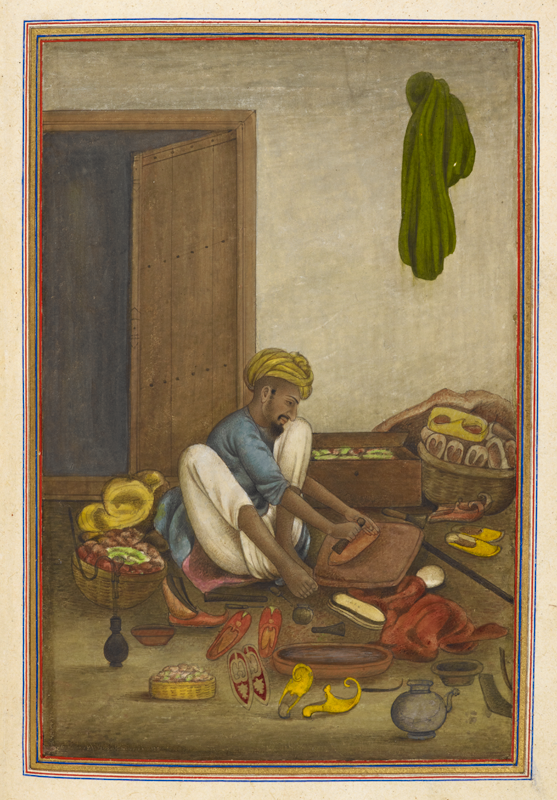
Main Platform Types for Handmade Selling and Community‑Building
From a seller’s perspective, handmade “marketplaces and communities” split into three practical channel types.
1. Retail handmade marketplaces
These are multi-seller shops where individual makers list products directly to end consumers.
How they operate day to day
- You create a seller account and a shop page.
- The platform brings traffic; you compete on search, tags, photography, and reviews.
- Fees usually come from some mix of listing, transaction, or subscription charges (exact numbers vary by platform and change over time).
- Community features, if any, live in seller forums, buyer reviews, featured maker stories, and occasional events.
Examples include:
- Curated sections like Amazon Handmade, which limit listings to handmade goods and use Amazon’s retail infrastructure for discovery.
- Niche artisan marketplaces such as Craftivelle, which explicitly frame themselves as handmade-focused communities for makers and buyers.
- Hybrid general/handmade platforms like Bonanza or Goimagine mentioned in an Etsy-alternative roundup.
Pros
- Built-in audience and search.
- Faster setup than building your own site.
- Buyers already expect handmade.
Cons
- Limited control over branding and layout.
- Platform can change rules, categories, or visibility.
- Community culture depends heavily on that specific site.
2. Wholesale and sourcing platforms
These are marketplaces where you typically buy in bulk from manufacturers or other makers, then resell under your own brand. They’re not pure handmade marketplaces, but many small ecommerce businesses use them to source components (e.g., findings for jewelry, candle jars) or handmade-style products.
How they operate
- You browse supplier catalogs, negotiate quantities, and place larger orders.
- The buyer base is often other businesses rather than individual consumers.
- Community tends to be thin: maybe seller ratings and messaging, but not craft-focused groups.
This is where large cross-border market hubs sit. A marketplace like DHgate, for instance, is designed for sourcing products from multiple suppliers — including items that can complement handmade goods — but it isn’t optimized for listing and selling one-off handmade pieces to retail buyers. If your plan involves cross-border sourcing, it can be one of several options to consider alongside general marketplaces; see What DHgate is and how the marketplace works and Compare DHgate with AliExpress, Alibaba and Temu for neutral platform context.
Pros
- Access to materials and pre-made inventory at business-friendly scales.
- Useful if your “handmade” brand includes assembled or customized items.
Cons
- Not suitable if your core value is handcrafting every piece yourself.
- Community is transactional, not maker-centered.
3. Build‑your‑own storefront tools
These platforms let you run your own independent shop with more control over branding, pricing, and content. They’re technically ecommerce tools, not handmade marketplaces, but many handmade businesses choose them once they outgrow a single marketplace.
How they operate
- You sign up for an ecommerce service and build a site with templates.
- You handle your own marketing (SEO, social media, email) to bring in traffic.
- Fees are usually subscription-based, sometimes with payment processing costs.
Examples grouped as Etsy alternatives include:
- Shopify — a full ecommerce platform where makers can set up independent stores; DHgate’s blog highlights it as a way to retain control over brand and customization.
- Weebly, Squarespace, Ecwid — website builders or store add-ons that support online shops, often appealing to small enterprises wanting drag-and-drop interfaces.
- IndieMade — positioned toward arts and handmade businesses, with features for galleries, events calendars, and blogs.
Pros
- Full control of your storefront look, policies, and content.
- Easier to build a distinct brand separate from marketplace crowds.
Cons
- You must generate your own traffic and community activity.
- Setup and ongoing management take more time and attention.
Comparing Handmade Platform Routes: Costs, Control, Community, and Sourcing Fit
You can sell handmade goods via a marketplace, your own site, or a combination — each option trades ease for control and margin. Here’s a compact comparison to make the decision less abstract:
| Route | Cost Structure (high level) | Brand & Shop Control | Community Depth | Sourcing Fit |
|---|---|---|---|---|
| Retail handmade marketplace | Platform fees per listing/sale or subscription; exact terms vary by site | Limited layout; control over photos, descriptions, and pricing only | Depends on platform: some offer active maker forums and stories, others are more transactional | Best if you primarily sell what you personally make |
| Wholesale / sourcing marketplace | Bulk pricing from suppliers; you manage resale margins | You control downstream branding via your own sales channels | Thin; focused on ratings and messaging, not maker culture | Strong for cross-border components or semi-finished goods |
| Own storefront (Shopify, etc.) | Subscription plus payment processing; you keep full retail margin | High: full theme, content, and policy control | You create community via blogs, email, and social media; not built-in | Works for both fully handmade and mixed sourced+handmade models |
From a practical decision standpoint:
- If you’re just starting with a handful of pieces and want to learn what buyers respond to, a retail handmade marketplace or niche artisan site is usually the fastest testing ground.
- If you’re scaling into a brand with regular collections and repeat customers, adding an independent storefront (Shopify, Squarespace, IndieMade, etc.) gives you a place to send social traffic and email subscribers.
- If you’re a small ecommerce business that assembles or customizes products using sourced parts, wholesale platforms and cross-border marketplaces can make sense for stocking materials, while retail sales happen on your own site or community-facing marketplaces.
Community isn’t guaranteed by any platform label. Some big marketplaces have lively seller forums; others are quiet. Many makers find that the strongest “handmade community” arises on social platforms (Instagram, TikTok, Facebook groups) and then flows traffic into whichever selling channel they choose.
Quick scenario callouts
- Solo maker, limited time: Start on a curated or niche handmade marketplace for built-in traffic. Join that site’s forums plus social media hashtags to find your community.
- Growing handmade brand: Keep at least one marketplace presence but build a Shopify/Squarespace/IndieMade site so you own your customer list and content.
- Small ecommerce shop sourcing globally: Use wholesale or cross-border marketplaces to buy components or artisan-style inventory, then sell via your own storefront or chosen handmade-friendly marketplace. Pair this with careful storytelling so buyers understand how much of the product is truly handmade.
For broader context on how marketplaces differ outside the handmade niche, see Compare online marketplaces and shopping platforms, then layer your handmade priorities — authenticity, maker visibility, and community fit — over that general platform landscape.