
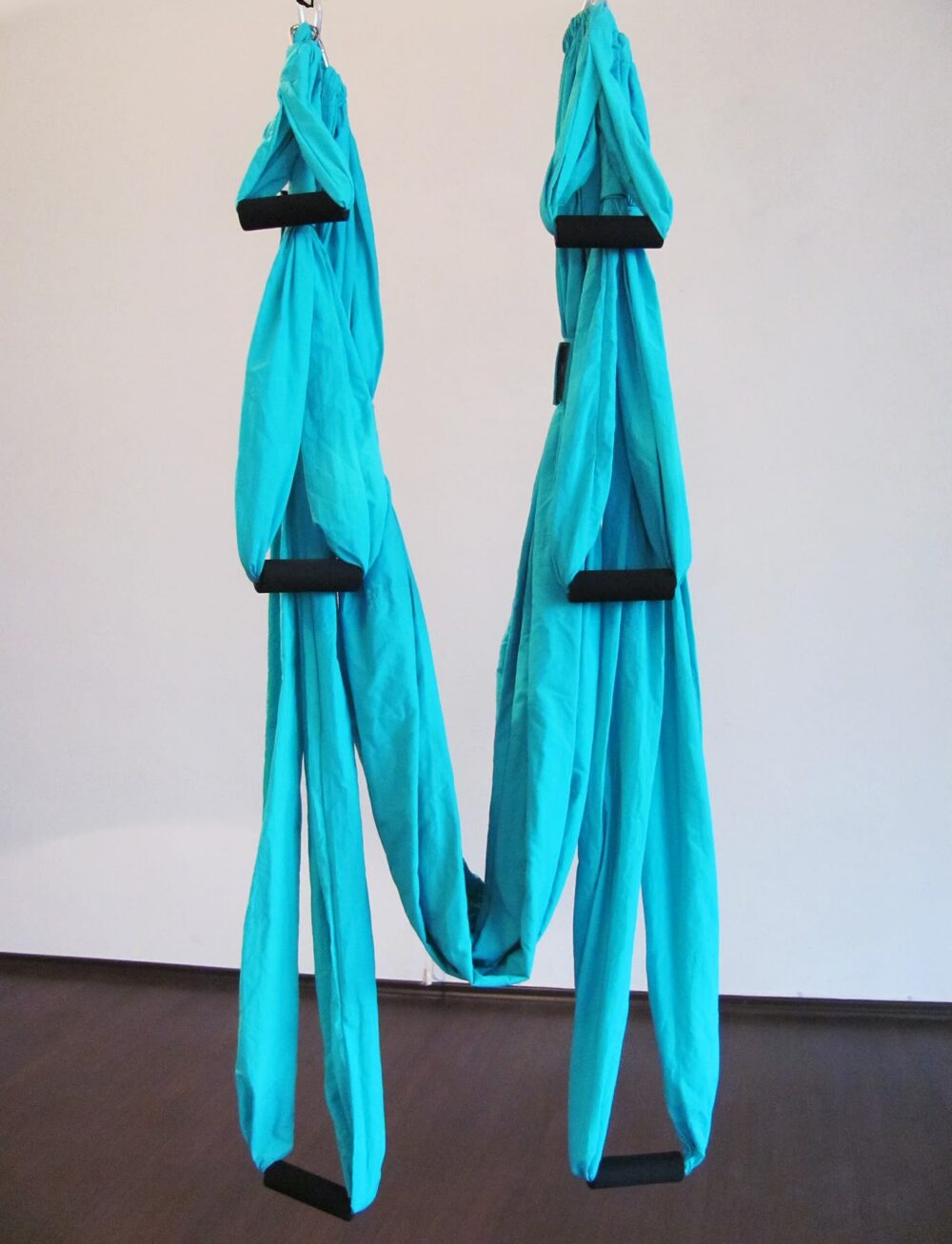
Gravity boots (also called inversion boots) are padded ankle cuffs that latch onto a secure bar and let you hang upside down as part of inversion therapy. You won’t usually find them in a local big-box store aisle; instead, they show up on brand sites like Teeter, large marketplaces such as Amazon and Walmart, and smaller fitness retailers. For most Canadian and US buyers, it makes sense to start with a retail marketplace if you care about lots of user reviews, then look at brand and specialist sites for better product focus. Small ecommerce sellers and gyms may mix channels depending on whether they want consistent branding or opportunistic deals.
Gravity & Inversion Boots Market: What They Are and Where You’ll Actually Find Them
Gravity boots are a niche piece of inversion equipment. They strap around your ankles and hook onto a sturdy overhead bar so you can hang inverted and stretch your spine and surrounding muscles. As described in references on inversion therapy, this category sits alongside inversion tables, yoga swings, and similar devices used for spinal decompression and stretching. Boots are more minimalist than a full table and typically aimed at people comfortable supporting themselves from a bar.
Because gravity boots are specialized, the retail landscape is fragmented:
- Brand-centric inversion companies. Teeter is a prominent example with its FitSpine inversion tables and related gear sold directly via its own site, Teeter FitSpine.
- Large retail marketplaces. Amazon maintains a strength-training inversion equipment category with boots and tables, surfaced in its best sellers list. Walmart also carries Teeter inversion gear and sometimes gravity boots through specific online listings.
- Smaller fitness retailers and regional sites. Shops focused on strength training or rehab gear, such as Gear for Fit’s inversion boots page, offer targeted assortments rather than huge catalogues.
That mix means your platform choice matters more than usual: a casual buyer may want the review density of Amazon, while a gym might prefer the consistency of sticking to one brand or specialist supplier.
Platform Models for Gravity Boots: Brand Sites, Retail Marketplaces, and Wholesale Channels
Each platform type handles gravity boots differently. Understanding the model helps you predict price behavior, review quality, and how easy reordering will be if you’re stocking inventory.
Brand manufacturer sites (e.g., Teeter)
A brand site like Teeter’s focuses on its own product line: inversion tables, possible accessories, and related gear. You’re not choosing among dozens of anonymous boot brands. Instead, you’re deciding whether Teeter’s approach fits your needs and budget.
Review roundups from outlets such as Men’s Health frequently highlight Teeter inversion tables, which illustrates this brand-centric path: shoppers who value consistency, documentation, and compatible accessories often buy directly from the manufacturer or their preferred reseller.
For gravity boots, this route tends to suit:
- Buyers who want a known, established inversion brand.
- Clinics or gyms seeking standardized equipment and clear support channels.
General retail marketplaces (Amazon, Walmart)
On marketplaces like Amazon and Walmart, gravity boots sit inside broader categories of inversion equipment and strength training gear. For example, Amazon’s best-seller list for inversion equipment shows multiple brands, tables, and sometimes boots, alongside user ratings and text reviews.
This model gives you:
- Range. Many brands, from lower-priced generic boots to recognizable names.
- Volume of feedback. Ratings and reviews that help you see how real users describe comfort, strap reliability, and ease of hanging.
- Dynamic pricing. Discounts and third-party seller offers, especially during big sale periods.
The tradeoff is noise: listings vary in quality, and you must filter carefully based on specs and review patterns rather than assuming all items meet the same standard.
Specialist fitness retailers and regional sites
A smaller retailer like Gear for Fit focuses on a curated catalog of training equipment. They’re not a marketplace where anyone can list; the shop decides which models to carry.
If you’re building a local gym or a niche online store, these sites can be useful because:
- They often understand the category and can bundle boots with bars or racks.
- Stock may include mid-range or pro-grade gear that’s harder to find on big marketplaces.
However, they usually have fewer total reviews and less price competition than a large marketplace.
Global wholesale and cross-border marketplaces
Global sourcing platforms, including large Chinese marketplaces, operate primarily as intermediaries between buyers and many independent sellers. An example is DHgate, which lists a wide variety of fashion and winter boots through third-party suppliers, such as a platform snow boot listing captured in the product snapshot for a women’s boot category. These listings show how cross-border marketplaces can be used for general boot sourcing, but they are not tailored to inversion therapy.
If you ever considered using a global marketplace for gravity boots, treat it as a way to explore suppliers rather than a specialized inversion-gear destination. For a deeper look at how this type of marketplace works, you can read What DHgate is and how the marketplace works or compare it broadly with Alibaba and AliExpress via online marketplaces and shopping platforms.
Choosing Your Channel: Which Platform Fits Patients, Gyms, and Small Ecommerce Sellers
Different buyers have different risk tolerances and priorities. Here’s how the main platform options line up for gravity boots and related inversion gear.
Quick comparison by buyer type
| Buyer profile | Best primary channel | Why it fits gravity boots well | Main tradeoff |
|---|---|---|---|
| Individual “patient” or home user | Amazon/Walmart-style marketplaces | Many brands and lots of user reviews to gauge comfort and usability | Quality varies; you must filter carefully |
| Gym owner / studio | Teeter or similar brand site; specialist fitness retailers | Standardized equipment, brand support, and compatible accessories | Less price competition; narrower selection |
| Small ecommerce reseller | Retail marketplaces plus specialist wholesalers | Access to both mainstream brands and niche products to test demand | Inventory consistency can be harder to manage |
| Cross-border experimenter | Global marketplaces (e.g., DHgate for generic boots) | Wide range of general boots; potential to explore suppliers | Lack of category specialization for inversion |
If you’re an individual user in Canada or the US
For personal use, large marketplaces are usually the easiest starting point. On Amazon, browsing the inversion equipment best-seller list exposes you to tables, boots, and related gear with aggregate ratings and detailed reviews. You can use those reviews to focus on practical themes: whether padding feels secure around the ankle, whether the hooks fit typical pull-up bars, and how people describe the experience of getting in and out of the boots.
Walmart’s online catalog plays a similar role, especially for Canadians using Walmart.ca or US buyers accessing Teeter gear through Walmart’s site. You get mainstream brands plus marketplace listings in one place, which helps compare price and availability without leaving the platform.
Because inversion affects your spine and circulation, it’s wise to treat boots as exercise equipment rather than self-prescribed medical devices. Discuss inversion therapy with a health professional if you have underlying conditions, and follow any usage guidance your provider gives.
If you run a gym or training space
Gyms generally prioritize durability, repeatable user experience, and clear sourcing. That pushes you toward brand and specialist channels:
- Use a brand like Teeter for core inversion equipment, leaning on its documented features and reputation in editorial reviews such as the Men’s Health roundup.
- Supplement with specialist retailers (like Gear for Fit or similar regional sites) when you need specific boot models that integrate with your existing racks or bars.
Marketplaces are still useful—for example, to test a low-cost pair of boots at home before standardizing for your facility—but relying on them for bulk orders can mean model changes, stock variability, and less predictable support.
If you’re a small ecommerce seller sourcing cross-border
Resellers balance margin against trust and logistics. For gravity boots:
- Retail marketplaces (Amazon, Walmart) are ideal for market research: you can see which categories and brands attract reviews and how customers describe pain points.
- Specialist fitness wholesalers or regional retailers can become your upstream suppliers if they offer reseller programs, letting you carry a focused catalog of boots and inversion gear.
- Global marketplaces like DHgate mainly help for generic boot styles rather than true gravity boots. The product snapshots show plenty of platform and fashion boots but no inversion-specific SKUs, so you’d need to vet any “gravity” claims listing-by-listing. For cross-border strategy more broadly, the comparison in DHgate vs AliExpress, Alibaba and Temu can help you place DHgate within your sourcing mix.
For resale, build your brand around clear product positioning: explain whether you’re selling inversion boots that lock onto bars, or simply supportive athletic boots. Mixing those categories confuses customers and complicates returns.
Whatever your role, remember that gravity boots sit inside a sensitive health-adjacent niche. Platform choice isn’t just about the cheapest deal; it’s about finding equipment that matches your comfort level, usage guidance from your healthcare provider, and the reliability expectations of your household or business.