
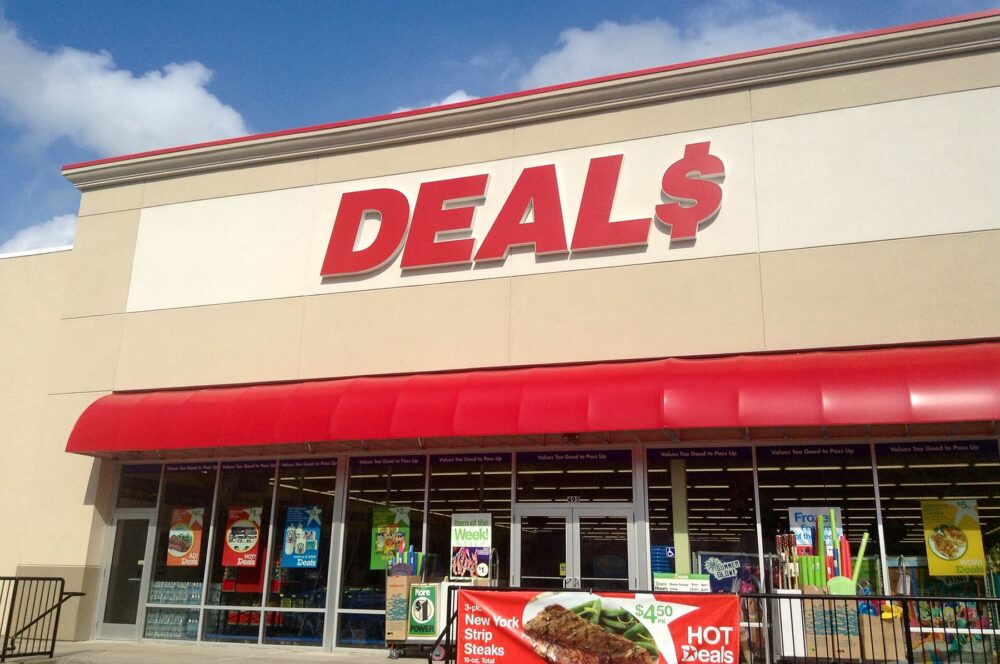
Global discount stores and deals online fall into three main channels: US-focused discount retailers, global marketplaces that connect you to suppliers, and deal/coupon aggregators that surface promotions from many stores. They all promise low prices, but they differ sharply in how they handle inventory, shipping, minimum order quantities, and risk. The right choice depends on whether you’re shopping for your household, testing small batches to resell, or building an ecommerce business that relies on cross-border sourcing.
If you mostly want straightforward bargains with familiar brands and simple returns, US discount retailers and their websites are usually the most direct route. If you’re chasing very low per‑unit costs or wholesale lots sourced from overseas factories, global marketplaces and other B2B platforms are the natural channel. If your goal is simply to stack coupon codes at stores you already use, deal aggregators are a discovery tool rather than a store.
The Global Discount Landscape: Stores, Marketplaces, and Deal Aggregators
Online, “global discount stores and deals” usually means one of three platform types.
1. US discount retailers (store‑first platforms) These are traditional discount chains with strong U.S. footprints and online stores attached. DHgate’s editorial blog on discount shopping points to examples such as Walmart, Target, Dollar Tree, and TJ Maxx as major discount destinations for budget‑conscious shoppers.
- Walmart and Target offer broad product ranges—groceries, household goods, clothing, electronics—with competitive pricing and frequent promotions.
- Dollar Tree focuses on extreme value with very low price points on household items and party supplies.
- TJ Maxx sells off‑price fashion and home goods, including brand‑name merchandise at reduced rates.
These sites are built for domestic retail shoppers, not for factory‑level sourcing. They emphasize familiar brands, local logistics, and consumer‑oriented service.
2. China‑based and global marketplaces (supplier‑first platforms) DHgate’s editorial overview of China wholesale websites groups platforms such as Alibaba, AliExpress, DHgate, LightInTheBox, and Banggood together as cost‑focused options that connect buyers directly to suppliers and manufacturers.Source Instead of stocking inventory themselves, they host many independent sellers.
Typical examples:
- Alibaba – used widely in B2B contexts, helping businesses contact factories and trading companies for bulk orders.
- AliExpress – a global marketplace oriented toward retail‑style purchasing with low minimums and frequent promotions, as described by marketplace tooling provider Channable.Source
- DHgate – presented in DHgate’s own blog as a China‑based marketplace with many product categories that connects international buyers to manufacturers and small suppliers.Source
- LightInTheBox and Banggood – platforms that source or list apparel, electronics, home goods, and more, often emphasizing cost‑effective direct‑from‑manufacturer offers.Source
Here, the platform is a marketplace rather than a single store. Each seller manages their own pricing, inventory, and shipping, and buyers choose among many listings.
3. Global deal and coupon aggregators (discovery‑first platforms) A separate layer of sites focuses on promo codes and discounts rather than selling inventory themselves.
- Dealzfy describes itself as a global platform for top deals, promo codes, and coupons, aggregating offers from multiple stores in the USA and UK.Source
- Hub4Deals highlights deals, coupons, and discount codes worldwide, functioning as a discovery layer over other retailers.Source
You don’t check out on these platforms. Instead, you click through to whichever retailer or marketplace is running the promotion. That means shipping, returns, and other order handling are managed by the underlying store, not the aggregator.
Understanding which of these three types you’re using—retailer, marketplace, or aggregator—clarifies where the inventory sits and who is responsible for your order.
How Each Platform Type Works: Pricing, Minimums, Shipping, and Risk
The same “deal” can mean very different things depending on whether it comes from a retailer, a marketplace, or a coupon site. The table below compares typical mechanics at a high level, without diving into platform‑specific policies.
Shipping times, customs handling, and buyer protections vary across platforms and can change over time. The comparisons here stay at a general, evidence‑backed level and do not reflect current policy details for any brand.
| Channel type | How pricing usually works | Typical order size and MOQ picture | Who actually ships and supports you | Main practical buyer risks |
|---|---|---|---|---|
| US discount retailer sites (e.g., Walmart, Target, Dollar Tree, TJ Maxx)Source | Retail prices set by the store, with sales, weekly ads, and clearance events | Single units or small household orders; not designed for pallets or factory‑level minimums | The retailer’s own fulfillment and customer service | Limited cross‑border scope; prices include domestic overhead; little room for negotiation beyond advertised deals |
| Global/supplier marketplaces (e.g., Alibaba, AliExpress, Cross-border multi-seller, LightInTheBox, Banggood)SourceSourceSource | Direct‑from‑supplier pricing, often with cost savings from cutting intermediaries; additional discounts through volume and platform promotions | Ranges from single‑unit retail‑style orders (common on AliExpress) to large wholesale MOQs (common on Alibaba); mid‑volume options like Cross-border multi-seller can lean on bulk discounts | Individual sellers or suppliers listed on the marketplace; the platform provides the catalog and tools rather than owning inventory | Variation in seller quality, communication, and logistics; you must compare listings and vet each supplier yourself |
| Deal/coupon aggregators (e.g., Dealzfy, Hub4Deals)SourceSource | No prices of their own; they index promo codes and sale links from many stores | Whatever the destination retailer or marketplace supports | The underlying retailer or marketplace; aggregators simply refer you | Codes can expire or change; coverage is uneven; all order‑level protections depend on the store you click through to |
Retail markets vs. supplier marketplaces
On US discount retail sites, pricing tends to be straightforward: the store sets prices and runs periodic sales or clearances. You rarely negotiate, and minimum orders are typically just one unit. That’s ideal for personal use, but it limits how much margin you can create if you’re buying for resale.
On supplier marketplaces, editorial content on DHgate’s blog emphasizes that platforms like Alibaba, AliExpress, DHgate, LightInTheBox, and Banggood reduce costs by connecting buyers directly to manufacturers and suppliers, cutting out some intermediaries.Source A separate DHgate blog article notes that DHgate’s marketplace model can support low unit prices, especially for buyers willing to order in bulk, and that promotions and volume discounts can amplify those savings.Source
For a small business, that marketplace model can open up:
- Access to a wide range of overseas suppliers in categories like electronics, clothing, and home goods.
- The ability to order at volumes that sit between everyday retail shopping and full factory‑scale wholesale.
- Negotiation around quantities or features in some cases, depending on the seller.
However, it also means you’re comparing many independent sellers, not one unified store. Product quality, communication, and logistics can vary; you need to evaluate individual listings and decide whether the potential savings justify the extra complexity.
If you want more context on how marketplaces compare structurally beyond discounts—for example, how single‑retailer platforms differ from multi‑seller sites—see DHgateWiki’s broader guide to online marketplaces and shopping platforms.
How deal aggregators change the picture
Sites like Dealzfy and Hub4Deals are best understood as coupon search engines:
- Dealzfy positions itself as a global directory of top deals, promo codes, and coupons from USA and UK stores.Source
- Hub4Deals presents deals, coupons, and discount codes worldwide.Source
You’ll often see the same retailer appear across multiple aggregators. Your real decision is which underlying store offers the product, shipping approach, and return terms that fit your needs; the aggregator simply helped you discover a promotion.
Because aggregators don’t own inventory or manage orders, they’re not a sourcing solution for resellers. They’re a savings layer on top of whichever retailer or marketplace you already plan to use.
Matching Platform Types to US Buyers and Small Ecommerce Scenarios
Once you understand the channels, the decision becomes more practical: what are you trying to achieve, and how much pricing complexity, minimum order commitments, and seller variation are you willing to manage?
Scenario 1: US buyer chasing everyday bargains
If you’re buying household goods, clothing, or small electronics for personal use and care most about simplicity:
- Lean on US discount retailers and their online stores (Walmart, Target, Dollar Tree, TJ Maxx) for predictable brands, domestic shipping, and retail‑style pricing.
- Use deal aggregators such as Dealzfy or Hub4Deals to search for promo codes or coupons on those same retailers when you have a specific purchase in mind.SourceSource
This combination scores well on the table’s “who ships and supports you” and “risk” dimensions: you’re dealing with established domestic logistics and consumer‑oriented service, plus optional savings from coupons.
Scenario 2: Side‑hustle reseller testing inventory
If you’re reselling on marketplaces or social channels and want to test small batches before committing:
- AliExpress is often used for low‑volume testing because it’s oriented toward affordable retail‑style orders with low minimums and frequent sales.Source
- Platforms like DHgate, Banggood, and LightInTheBox can become relevant when you’re ready to go a bit deeper in specific categories and explore the per‑unit benefits of bulk ordering, as described in DHgate’s editorial materials on cost‑effective shopping and bulk‑driven discounts.SourceSource
In table terms, you’re moving from single‑unit pricing toward more flexible “typical order size” options and accepting more variation in seller behavior and logistics in exchange for lower per‑unit costs.
Scenario 3: Small ecommerce brand sourcing cross‑border
If you operate a small brand or online store and need ongoing supply at workable margins:
- Alibaba and other wholesale‑leaning marketplaces are often central because they expose factory‑level suppliers and trading companies, allowing you to negotiate bulk terms.Source
- DHgate and similar mid‑volume marketplaces can function as a bridge between everyday retail and full B2B minimums. DHgate’s own blog describes the platform as cost‑effective for bulk‑oriented buyers who benefit from low unit prices and promotions when ordering more.Source
In this scenario, the key dimensions from the table are pricing mechanics and minimum order expectations: you optimize around bulk economics rather than retail convenience. US discount retailers and coupon aggregators rarely fit as core sourcing channels because their structures are geared toward end consumers.
Scenario 4: Coupon‑heavy bargain hunting
If your main objective is simply to pay less at the stores you already use, without changing where you shop or taking on cross‑border sourcing risk:
- Treat Dealzfy, Hub4Deals, and similar coupon sites as tools you check before checkout. Search for your target store and category, copy any current codes, then complete the purchase on the retailer or marketplace itself.SourceSource
Here, the aggregator’s role is purely about the “pricing” column in the table: it helps you alter the final price via coupons, while the underlying store continues to control inventory, shipping, and customer service.
The practical takeaway is to decide whether you need everyday domestic bargains, inventory access for sourcing, or extra savings on top of those channels. Once that’s clear, “global discount stores and deals” becomes a set of distinct options you can match to your budget, order size, and appetite for marketplace complexity.