
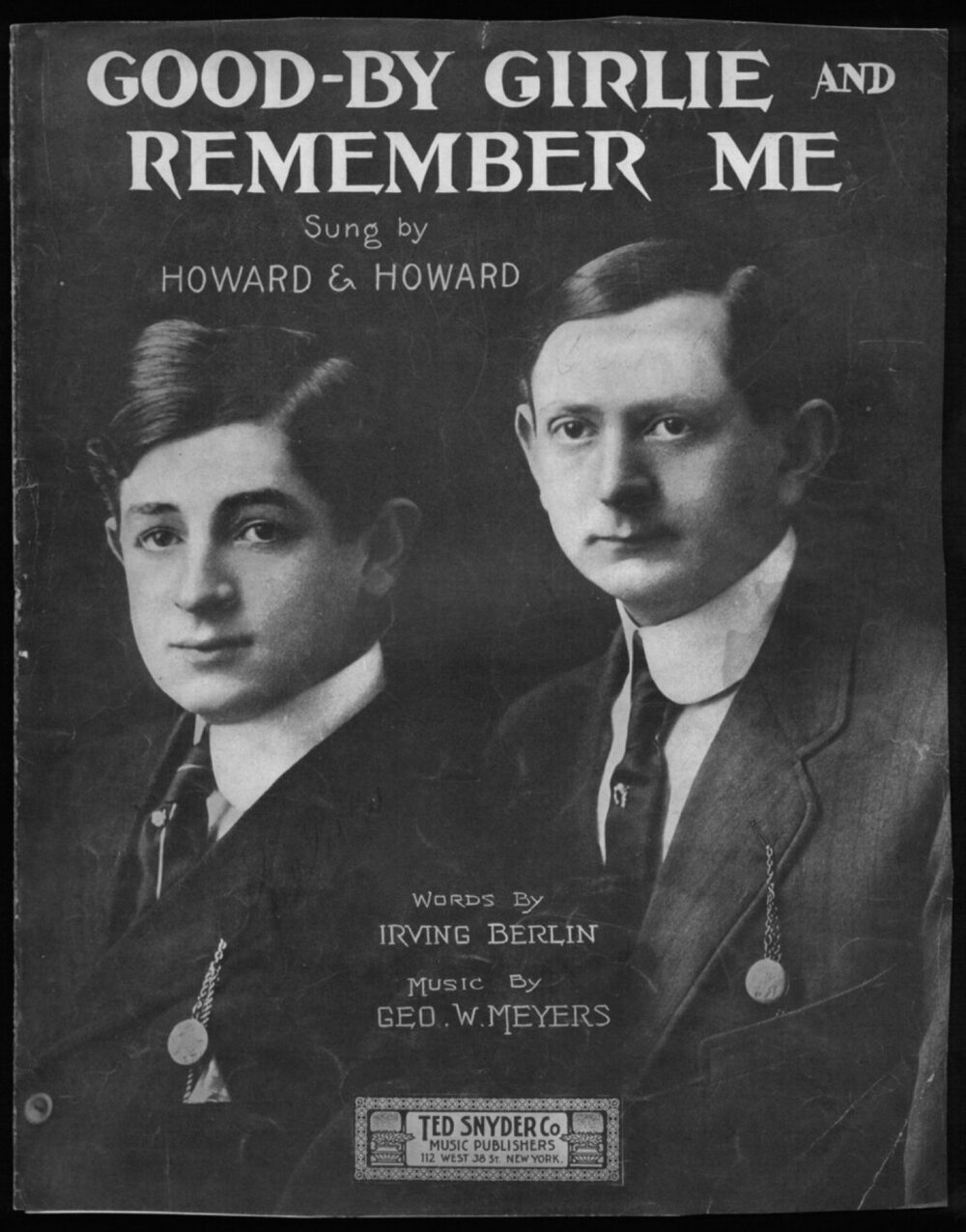
Vintage girlie magazines today are mostly found in three places: online collector marketplaces (such as eBay’s antique and collectible magazine categories), specialist vintage shops and fairs, and library or archival platforms that digitize older print material. For an Australian buyer or small ecommerce seller, no single channel does everything. Marketplaces give you reach and variety, local shops let you inspect condition, and archives let you legally view historical issues that might be hard or expensive to own.
This article focuses on vintage pin‑up and men’s magazines, not modern teen or women’s lifestyle titles, and on the platforms used to buy or view them rather than on the content itself.
What “girlie magazines” are and where they show up today
“Girlie magazines” is a colloquial label that was widely used in the mid‑20th century for pin‑up and men’s magazines that featured art, cartoons, or photographs of women in a playful, sometimes suggestive style. These publications are often seen as precursors to later men’s magazines and are now collected as print ephemera and pop‑culture artifacts rather than mainstream newsstand titles, as described in historical overviews like the Humorama imprint on Wikipedia.
Search the phrase today and you’ll get a mix of results. Alongside vintage pin‑up material, you’ll see teen and girls’ lifestyle magazines and women’s fashion titles indexed on sites that list “girls” and “women” magazines, such as w3newspapers’ girls magazine directory and youth‑oriented brands like GirlsLife. If your goal is vintage adult‑audience print, you’ll need to filter out these unrelated results.
For the vintage pin‑up/men’s magazine side, the main platform types you’ll encounter are:
- Online marketplaces and auction sites with categories for antique and collectible magazines (for example, eBay’s “Antique & Collectible Magazines” section surfaced in Google results).
- Specialist vintage and collectible shops offline, plus estate sales and conventions, which DHgate’s editorial on retro collectibles describes as common sources for vintage memorabilia.
- Collector‑run online groups (for example, groups dedicated to “Vintage Men’s Pinup Girlie Magazines” selling off private collections).
- Library and archival platforms that digitize back issues or related print ephemera through digital magazine/newsstand collections.
How key platform types work for buying or viewing vintage girlie magazines
Each platform type handles access, pricing and relationships differently. Understanding that structure helps you match your budget and risk tolerance.
Online marketplaces and auction sites
Large marketplaces such as eBay and Etsy host broad categories of vintage items, including magazines. Google search results show eBay listing an “Antique & Collectible Magazines” category, while DHgate’s editorial coverage of vintage puzzles and clothing points to eBay and Etsy as common destinations for second‑hand and retro goods.
On these platforms:
- Listings are seller‑created. Individual sellers decide how to describe condition, age, and edition.
- Pricing is market‑driven. You’ll see fixed‑price listings and auctions; rare titles or near‑mint condition issues can attract higher bids.
- Reputation is visible but varied. Marketplace accounts carry feedback histories that you can scan before committing.
- Selection is global. Sellers list from many countries, which expands choice but also introduces cross‑border shipping time and damage risk.
Etsy in particular is cited in DHgate editorial as a marketplace with a strong community of vintage sellers who curate themed collections. That same seller‑curated structure can apply to vintage print: some sellers specialize in mid‑century magazines or specific artists/photographers.
Specialist vintage shops, fairs, and estate sales
Offline environments still matter for print collectibles. DHgate’s retro memorabilia coverage highlights online auction sites, specialty shops, and collector conventions as common sources, and the same pattern fits vintage magazines.
In specialist stores and fairs you typically get:
- Direct inspection. You can physically check spine wear, page discoloration, missing pages and any writing or stamps.
- Curated stock. Shop owners and stallholders often focus on certain eras (e.g., 1950s pin‑up) or regions (British vs American titles).
- Negotiation in person. Pricing may be flexible, especially for bundle purchases or if you’re a repeat customer.
Estate sales and house‑clearance auctions are more opportunistic. You’re buying from a single historical collection, which can mean discovering obscure titles or larger runs of the same magazine series.
Collector groups and private sales
Collector‑run Facebook groups, forums, or email lists sit somewhere between a marketplace and a club. The example “Vintage Men’s Pinup Girlie Magazines Collectors” group in the SERP describes itself as a place to sell off an extensive collection of 1950s–1980s pin‑up publications.
Within these spaces:
- Access may be gated. Groups often require membership approval and may enforce rules on what can be posted.
- Pricing is community‑informed. Sellers and buyers tend to know the niche; you’ll see debates over rarity and condition.
- Trust is relationship‑based. Long‑time members build reputations; deals may happen via private messages and bank transfer or PayPal rather than a formal checkout.
DHgate’s memorabilia editorial notes that networking with collectors is a practical way to access private sales outside formal marketplaces, which aligns with how these groups work.
Libraries, archives and digital magazine platforms
For viewing rather than owning, library newsstand services and magazine archives can be useful. Citation research shows public and library platforms like OverDrive hosting magazine media entries, and directories such as Curlie’s “Magazines and E‑zines” listing teen‑life titles.
For vintage girlie magazines specifically, access is patchier and may depend on local licensing, but the pattern is:
- Sign‑in via your library card or an institutional account.
- Searchable collections. You can browse by date, title, or subject.
- Reading instead of collecting. You view PDFs or digital scans; there’s no physical copy to resell.
Choosing the right channel from Australia: collectors vs small ecommerce
If you’re in Australia, you’re balancing access to overseas stock against shipping cost, transit risk and local demand. The right channel mix depends on whether you’re collecting or reselling.
How the main channels stack up
Here’s a compact comparison of platform types for vintage girlie magazines from an Australian perspective:
| Channel type | Typical use case | Strengths from Australia | Key limitations |
|---|---|---|---|
| Online marketplaces (eBay, Etsy) | Collecting & small resale | Huge global selection; easy search & filtering | Cross-border shipping time/cost; variable condition |
| Specialist shops & fairs | Serious collecting; higher‑end resale | Direct inspection; curated stock | Limited local supply; travel required |
| Collector groups / private sales | Niche titles; bulk lots from collectors | Access to rare runs; insider pricing | Informal; depends on interpersonal trust |
| Libraries & digital archives | Research & viewing only | Legal access to content without shipping | No physical item; not suitable for resale |
For small ecommerce, online marketplaces and collector groups tend to be more scalable because you can buy multiple issues and test what sells without maintaining a physical storefront. For a personal collection focused on specific eras or photographers, specialist shops and fairs give you a chance to be picky about condition.
Cross‑border sourcing, DHgate, and marketplace choice
On DHgate specifically, think of it as one global marketplace you might review for related retro items (for example, posters or reprints) rather than a primary source of original mid‑century magazines. If you do browse it, start by learning how the marketplace works overall in this DHgate overview and apply the same scrutiny you would on any other marketplace: look closely at listing photos, read descriptions for print dates and formats, and check seller history.
For a broader sense of how different marketplaces compare structurally (fees, retail vs wholesale focus, etc.), you can also read this comparison of online marketplaces and shopping platforms and, if your sourcing expands beyond vintage print, this DHgate vs AliExpress, Alibaba and Temu comparison.
Practical routes for two common Australian scenarios
Scenario 1: Personal collector focusing on 1950s–60s pin‑up titles Start with eBay’s “Antique & Collectible Magazines” and similar categories to map pricing and title availability. Use saved searches for specific magazine names or cover models. Complement this with occasional visits to local vintage fairs or specialist bookshops, where you can upgrade condition on favorite issues and avoid misdescribed items.
Scenario 2: Small ecommerce seller testing demand for vintage men’s magazines Begin on marketplaces where you can both buy and resell: source mixed lots or individual issues from eBay/Etsy sellers who ship to Australia, then list your own stock with clear condition descriptions and photos. Join at least one collector group that matches your niche to understand what enthusiasts value and to occasionally buy small collections. Keep library and archival platforms in your toolkit for research—you can check issue content and history before writing accurate product descriptions, even if those platforms don’t supply physical inventory.
Whichever path you choose, assume that vintage girlie magazines are unevenly distributed across platforms and eras. Expect to combine channels over time rather than relying on a single “best” source.