
Cute Gengar merch doesn’t live in just one place. If you search “Gengar Cute,” you’ll hit GIFs, emojis, cursors, wallpapers, official Pokémon products, fan-made items, and bulk character-style goods. For a Canadian or US buyer—or a small ecommerce seller—your best route is usually a mix: official Pokémon Center for guaranteed brand-authentic plushies and apparel, big marketplaces like Amazon/eBay for variety, Etsy and niche fan shops for handmade cuteness, social communities for card art and small-batch merch, and auction platforms for rare or vintage pieces.
For resellers, wholesale-style marketplaces and suppliers can supplement that mix, but they fit a different risk/reward profile than buying one plush from an official store.
Where Cute Gengar Merch Actually Lives Online
Gengar is a Ghost/Poison-type Pokémon with a round body and mischievous grin, which naturally lends itself to “spooky but cute” interpretations in both art and products.Source That matters, because a “Gengar Cute” search often returns digital content before you ever see a physical item.
Typical search results include:
- Animated GIFs of sleepy or playful Gengar on sites like Tenor.
- Cute cursor packs pairing Gengar with Haunter from sites such as Custom Cursor or Cute Cursors.
- Pink, chibi-style wallpapers on fan wallpaper hubs like PokemonWallpaper.com.
Those are great for personal use, but they don’t help if you’re trying to buy a plush, hoodie, or keychain—or stock an online store.
Physical Gengar merch tends to cluster across a few platform types that show up consistently in other Pokémon and character-merch categories:
- Official Pokémon Center and brand-run shops – tightly curated catalog of plush toys, apparel, accessories, and sometimes seasonal drops with Gengar art.
- General retail marketplaces – Amazon, eBay and similar sites listing Pokémon items from many independent sellers at a wide range of prices.
- Pokémon-specific or anime/specialty stores – online shops focused on Pokémon or anime collectibles, plus physical chains like Hot Topic or GameStop that sometimes carry character apparel.
- Social media groups and fan communities – Facebook groups, Reddit threads, Instagram accounts where collectors trade cards, fan art, and small merch drops.
- Auction platforms – Yahoo Auctions, Heritage Auctions, and similar sites that skew toward rare cards, figures, and vintage Japanese items.

Together, those platforms cover most “Gengar Cute” physical items—from mass-produced plushies to limited fan pins and older trading cards.
How Different Platform Types Work for Gengar Cute Items
Each platform type handles Gengar in its own way. The cuteness you see in listings often comes from how much freedom a seller or designer has.
1. Official Pokémon Center and Brand Stores
Official outlets like Pokémon Center are run by the IP owner. You’ll usually see:
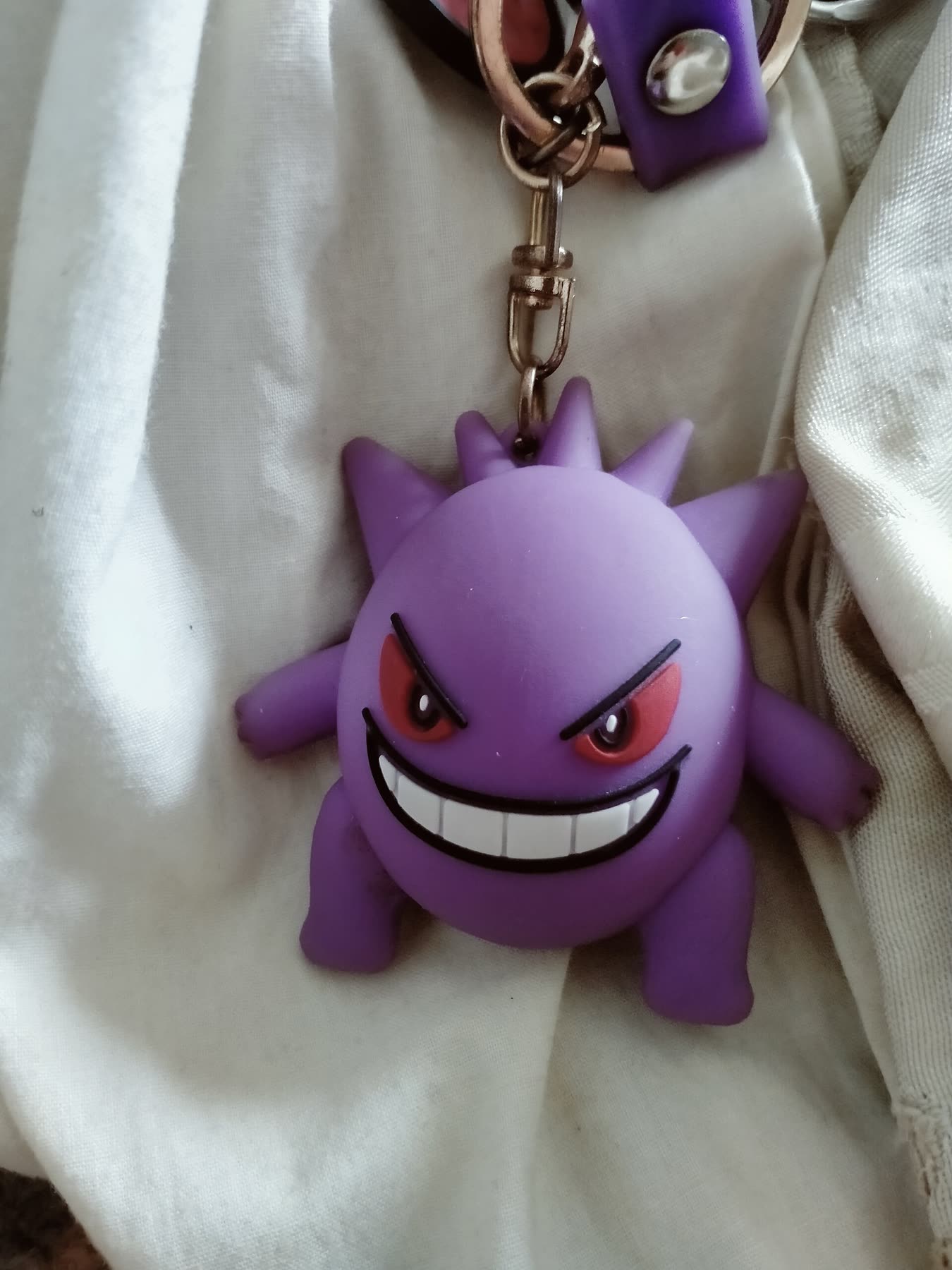
- Plushes and figures with on-model Gengar designs: round, grinning, sometimes styled for Halloween drops.
- Apparel (hoodies, T‑shirts, socks) featuring licensed art or card art.
- Accessories like keychains, pins, and bags.
Because the brand controls the catalog, the range is more curated than, say, Amazon—but you’re trading variety for clearer authenticity and consistent design language.
2. Big Retail Marketplaces (Amazon, eBay and similar)
On large marketplaces, “Gengar Cute” is a search term sellers aim at. A Pikachu-tail guide shows how this works in practice:
- Searching “Pikachu tail” on Amazon pulls up plushes, bags, hats, costume pieces, phone cases, and more, all from different sellers.
- Vintage and hard-to-find items tend to pop up on eBay, but only if you sift by seller ratings and listing details.
Gengar follows a similar pattern: expect a wide spread of item types and quality. Cute designs might push Gengar toward chibi proportions, pastel palettes, or mash-ups with other characters—and some of those items are officially licensed while others are obviously inspired.
For small ecommerce businesses, these marketplaces are often:
- Sourcing channels (buying inventory from existing sellers).
- Sales channels (listing your own Gengar-themed items).
But they aren’t wholesale platforms by default, so unit costs can be high for resale unless you find distributor-level offers.
3. Pokémon-Specific and Anime/Specialty Shops
Pokémon-focused stores and anime retailers operate more like curated boutiques.
Typical Gengar Cute items you’ll see:
- Character plush lines (often sold alongside Pikachu, Eevee, etc.).
- Apparel drops tied to anime seasons, Halloween, or game releases.
- Import-only figures and blind-box collectibles.
These shops often mirror what fans look for in Harry Potter ghost or other character merchandise: themed collections, not just single items. For Gengar, that might mean an entire “ghost Pokémon” section, or a Halloween page dominated by purple and black designs.
4. Social Media Marketplaces and Fan Communities
Social platforms are where you’ll find the most free-form “Gengar Cute” creativity:
- Facebook and Reddit groups dedicated to Pokémon collecting often feature Gengar-focused threads, card art, and small-batch merch.
- Instagram and TikTok creators promote handmade plushies, resin charms, or apparel drops.
Across other fandoms, fan communities also help each other spot rare items, avoid scams, and trade merch. Gengar benefits from the same dynamic: fans share photos of the cutest pieces, call out bootlegs, and coordinate trades.
For buyers, this is where you’ll often find:
- Unique cute takes (e.g., pastel Gengar tea party designs).
- Custom art where rights and licensing are less clear.
For small sellers, it’s a test bed for designs before scaling to a larger marketplace.
5. Auction Sites for Rare Gengar Collectibles
Auction platforms that are popular for Pokémon in general—Yahoo Auctions, Heritage Auctions and similar—are geared toward rarity and age rather than everyday cute merch.
Expect:
- Vintage Japanese Gengar cards and holo prints.
- Older figures or limited Ichiban Kuji-style prizes.
These can absolutely be “cute,” but the buyer experience looks more like chasing a specific grail than browsing for a hoodie. For a small business, auctions make sense if you specialize in premium collectibles, not mass-market cute plushies.
Quick visual: what each platform tends to offer
| Platform type | Typical cute Gengar items | Best for buyers |
|---|---|---|
| Official Pokémon Center / brand | On-model plushes, apparel, accessories | Authentic current designs |
| Big marketplaces (Amazon/eBay) | Wide mix: plush, clothing, phone cases, misc. | Variety, hunting deals or older items |
| Pokémon/anime specialty stores | Curated plushes, figures, themed apparel | Fans wanting focused Gengar/ghost sections |
| Social/fan communities | Custom art, handmade merch, card trades | Unique designs, small-batch items |
| Auction platforms | Vintage cards, rare figures | Collectors seeking grail pieces |
Choosing the Right Platform Route for Your Gengar Cute Goals
How you shop—or source—should follow your actual goal. Here are practical routes for two common profiles, plus where a wholesale-style marketplace like DHgate fits in.
If you’re a fan/collector in Canada or the US
- Want a cute Gengar plush or hoodie fast? Start with official Pokémon outlets and major retailers. Pokémon Center, and chains similar to Hot Topic, Barnes & Noble, or GameStop have a track record of stocking character-themed items like Pikachu plushies and apparel, and Gengar shows up in seasonal or ghost-themed lines.
- Looking for something more unique or handmade? Search Etsy and comparable craft marketplaces for “Gengar cute” plushies, stickers, jewelry, or digital prints. You’ll see chibi Gengar designs and pastel interpretations that don’t exist in official catalogs.
- Hunting rare cards or figures? Combine Pokémon Facebook/Reddit communities with auction sites. The communities help you identify what’s genuine and desirable; the auctions are where you actually bid.
This route gives you a spectrum: official for peace of mind, marketplaces for choice, fan spaces for personality.
If you’re a small ecommerce seller sourcing Gengar-style inventory
You have a different job: find repeatable supply that can support a listing strategy.
A realistic mix looks like this:
- Official and specialty retail – Good for a small line of premium items (e.g., authentic plushes or figures) where you accept lower margins but use brand recognition.
- Big marketplaces – Useful for testing which Gengar Cute item types actually sell (plush vs hoodie vs phone case) by observing listings and reviews, then stocking similar categories.
- Fan creators (with agreements) – If you collaborate directly with artists for prints, charms, or apparel, confirm you have permission to use their work and that everyone respects Pokémon’s IP boundaries. This is common in other fan categories like Harry Potter and gaming-hero merch.
- Wholesale/cross-border marketplaces – For generic “ghost Pokémon-style” or purple ghost character goods where you are not using Pokémon branding or copyrighted art, wholesale marketplaces can supply bulk items at lower unit costs. DHgate is one example; it’s a global marketplace where independent sellers list products in many categories.
If you explore a marketplace like DHgate for this kind of bulk, treat it as just one option in a broader sourcing plan. Before committing to a supplier, it’s sensible to:
- Compare multiple sellers’ photos and descriptions for consistency.
- Ask direct questions about design origins and licensing if the product appears Pokémon-branded.
- Order small test quantities first and inspect quality before scaling.
For background on how DHgate works overall—not just for Gengar-style items—see What DHgate is and how the marketplace works, or, for a wider marketplace view, Compare online marketplaces and shopping platforms and Compare DHgate with AliExpress, Alibaba and Temu.
Rights and authenticity: a light but necessary check
Across Pokémon, Harry Potter, and gaming characters, rising demand has brought both amazing merch and more counterfeits. With Gengar Cute, that plays out most noticeably on big marketplaces and social channels.
Practical steps as you choose platforms:
- Prefer official or clearly licensed sources for anything using Pokémon logos or card art.
- Treat extremely low prices on branded items with caution and look for more context (seller history, photos, packaging).
- If you’re reselling, stay on the safer side of IP usage—either licensed stock or clearly original designs from artists who grant you rights.
You’ll enjoy the cute side of Gengar more—and build a more durable small business—if your platform mix balances creativity, authenticity, and risk.