
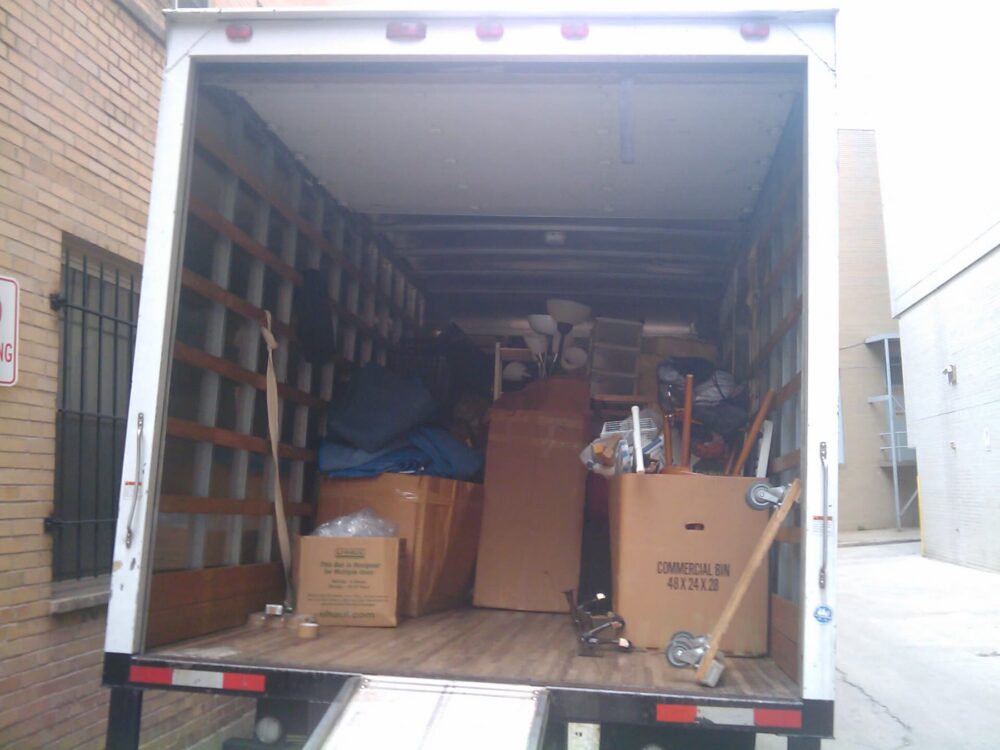
Yes, you can get free moving and shipping boxes through several online and offline channels in the U.S. – but “free” usually comes with conditions. Carriers like USPS provide certain branded shipping boxes at no charge when you use their services; community platforms and local businesses can help you grab used moving boxes; and some moving services bundle boxes into paid packages. For a one‑time apartment move, those options can cover most of your needs. For a small ecommerce business that ships weekly, they may only cover part of your packaging, or not be usable at all.
If you’re trying to lower packaging costs, you want to match the platform to your task: carrier portals for service‑specific shipping, community and local routes for one‑off moves, and paid marketplaces and retailers when you need consistent, brand‑neutral boxes.
What “Free Moving and Shipping Boxes” Really Means in Practice
People throw around “you can get free boxes online” as if it’s a universal perk. In reality, there are three main flavors:
- True free boxes – you don’t pay for the box and you’re not required to buy anything else. These are usually used boxes from individuals, businesses, or community exchanges.
- Conditional free boxes – the box is free if you use a specific paid service (like a carrier’s shipping service or a moving company’s package).
- Bundled “free” boxes – the boxes are included in the price of a moving or storage package. They feel free, but you’re paying for them indirectly.
Major carriers illustrate the “conditional” category. USPS operates an online Postal Store that, among other supplies, has a section for free shipping supplies such as certain branded boxes and mailers for its services.Free Shipping Supplies – USPS Postal Store Availability and details can change, and those boxes are designed for USPS use, which matters if you’re shipping ecommerce orders.
Carrier tools like Click-N-Ship exist to let you prepare labels and access some USPS services online. They sit alongside the free‑supplies programs: you’re not just getting random boxes, you’re plugging into a specific shipping workflow.
On the other end are community platforms – Craigslist, Facebook Marketplace and local groups, Freecycle, Nextdoor – where people often give away moving boxes after a move. DHgate’s own blog highlights those channels as typical ways Americans source free boxes from neighbors and local businesses. They’re truly free, but quality, size, and timing are hit‑or‑miss.
Finally, some moving and packaging brands advertise “free moving boxes” as part of paid packages. For example, Uboxes describes receiving free moving boxes and packing supplies when you use certain partner moving services, framed as a way to make moving easier and more affordable.Uboxes moving boxes tips These boxes aren’t independent freebies – they’re bundled into the service price.
Platform Types for Free Boxes: Carriers, Marketplaces, Retailers, and Services
You’re essentially choosing between different platform models. Each has a distinct value proposition and set of constraints.
1. Carrier portals: USPS, UPS, FedEx
Carrier sites are the closest thing to an “online store that offers free shipping boxes.”
- What you get: Branded boxes and mailers designed for their services; sometimes specialized sizes (flat‑rate, regional rate, etc.). USPS is the most visible example via its Postal Store free supplies section.Free Shipping Supplies – USPS Postal Store
- Strings attached: These boxes are meant to be used with that carrier’s service, and policies can change. You shouldn’t assume you can grab free USPS boxes and then ship with a different carrier or use them for any purpose.
- Best for: Small sellers who ship mostly via a single carrier’s priority or similar programs, and who don’t need unbranded packaging.
For ecommerce, carrier portals pair naturally with label‑creation tools like Click‑N‑Ship (USPS) because you can align packaging, postage, and drop‑off in one workflow.Click-N-Ship
2. Community and marketplace platforms: Craigslist, Facebook, Freecycle
These platforms are less about shipping workflows and more about local reuse:
- Craigslist & Facebook Marketplace/Groups: Common places to find listings like “free moving boxes – porch pickup.” Supply appears and disappears quickly.
- Freecycle & Nextdoor: Often used for local giveaways; DHgate’s blog notes them as frequent routes for free boxes in U.S. communities.How to Order Free Boxes for Your Next Move – DHgate Blog
- Pros: Truly free; good for large quantities of mixed sizes after someone’s move; environmentally friendly.
- Cons: Inconsistent size/quality, requires pickup coordination, usually not suitable for polished ecommerce unboxing.
These platforms shine for short bursts of demand (e.g., your own move) more than ongoing packaging supply.
3. Local retailers and recycling centers
Moving and storage guides often point to specific types of local businesses as fertile ground for free boxes. Move.org, for instance, highlights grocery stores, furniture stores, bookstores, liquor stores, and recycling centers as commonly recommended sources where you can ask for leftover boxes from deliveries.Where to Get Free Moving Boxes – Move.org
You’ll typically:
- Speak with a manager or employee during slower hours.
- Ask when shipments come in and whether you can take the boxes they’d otherwise break down.
These boxes can be quite sturdy (especially liquor and book boxes), but you’re limited to whatever sizes they have on hand.
4. Moving services and packaging retailers with bundles
Some moving service partners and packaging retailers market “free moving boxes” as part of paid offerings. Uboxes, for example, features messaging about receiving free boxes and packing supplies when you use certain partner services, pitching it as a way to simplify and economize your move.Uboxes moving boxes tips
Mechanically, this looks like:
- You pay for a moving package (labor, truck, sometimes storage).
- The company includes a set number of boxes and packing materials at no extra line‑item cost.
This route is rarely relevant for ecommerce, but can be appealing if you value convenience over squeezing out every last dollar of savings.
5. Paid marketplaces and retailers: Amazon, Walmart, DHgate, etc.
Platforms like Amazon, Walmart, office‑supply sites, and wholesale marketplaces offer paid boxes; they’re not free, but they matter in the decision because they compete with “free” options.
Because DHgate is a cross‑border marketplace, you’d be evaluating individual sellers and listings, much like on other global platforms. For a deeper look at how DHgate works overall, see What DHgate is and how the marketplace works.
Quick comparison of platform routes
| Platform type | What’s free | Main limitations | Best fit use case |
|---|---|---|---|
| Carrier online stores (USPS etc.) | Branded shipping boxes | Tied to specific carrier/service; program changes | Ecommerce using one carrier |
| Community/marketplace boards | Used moving boxes | Inconsistent sizes and quality; pickup logistics | One‑time moves, decluttering |
| Local retailers/recycling | Used delivery boxes | Depends on staff and timing; no guarantee | Moving, short‑term storage |
| Moving service bundles | Boxes within packages | Only with paid service; box counts fixed | Full‑service moves |
| Paid marketplaces/retailers | None (boxes cost) | You pay; cross‑border shipping time and cost | Ongoing ecommerce shipping |
Choosing the Right Route for Your Move or Ecommerce Shipping
The smartest path depends on how often you’re shipping and how polished the packaging needs to be.
For a personal move
If you’re moving apartments or houses:
- Start with community platforms and local retailers/recycling centers for true free boxes. Liquor stores and bookstores often have sturdy small boxes that are ideal for heavy items, as moving guides repeatedly point out.Where to Get Free Moving Boxes – Move.org
- Fill gaps with a few paid boxes (from Walmart or similar) for fragile or high‑value items that need uniform, clean boxes.
- Consider moving service bundles if you’re already hiring pros and want convenience. Their included boxes may save you a separate shopping trip, even if they aren’t truly free.
This strategy maximizes reuse and keeps your out‑of‑pocket spend low, with paid boxes reserved for things you’re nervous about.
For a small ecommerce operation
For an Etsy shop, eBay store, or micro‑brand shipping regularly, you have different priorities: box consistency, branding, and carrier compatibility.
- Use carrier free boxes (USPS, UPS, FedEx where applicable) for shipments that align with their branded programs. That can reduce packaging costs on certain SKUs, but accept that you’re locked into those carriers for those shipments.Free Shipping Supplies – USPS Postal Store
- Source paid, unbranded boxes for everything else – from Amazon, Walmart, office‑supply sites, or wholesale marketplaces like DHgate and Alibaba. These give you control over size and presentation.
- Use free boxes from community channels sparingly, if at all. They’re fine for internal transfers or non‑customer shipments, but they rarely match the size, cleanliness, or aesthetic you want on customer orders.
Where “free” stops making sense
Chasing free boxes can backfire if:
- You spend more time hunting than the boxes are worth.
- The mismatched sizes drive up filler use and shipping charges.
- For ecommerce, the boxes undermine your brand or customer experience.
In those cases, treating packaging as a controlled cost – via paid retailers or marketplaces – can be the better long‑term call.
If you decide paid marketplaces belong in your packaging mix, and you want to compare DHgate against AliExpress, Alibaba or Temu for box sourcing and other inventory, see Compare online marketplaces and shopping platforms and Compare DHgate with AliExpress, Alibaba and Temu. These comparisons will help you decide which platform makes sense for your broader cross‑border sourcing – with boxes as just one line item.