
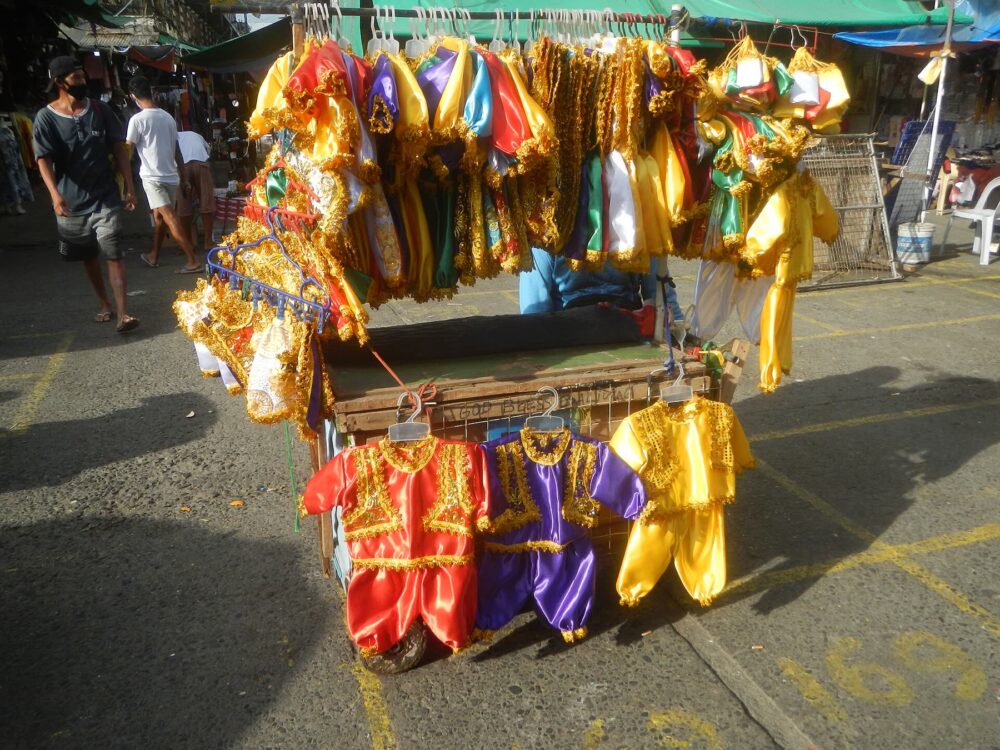
The online fashion and clothing market is split across very different platform types: brand retail sites, consumer marketplaces like Amazon, and wholesale or supplier hubs such as Alibaba or DHgate. The right route depends on whether you’re buying one outfit for yourself or sourcing inventory as a small brand. Individual US shoppers usually fit best on retail sites and consumer marketplaces, while small ecommerce businesses often need wholesale marketplaces or direct supplier platforms when they move into bulk orders, custom labels, or private-label designs.
The sections below map this ecosystem and then translate it into practical routes for buyers and small sellers.
How the Fashion and Clothing Market Is Structured Online
The fashion and clothing market is a global industry that covers the design, production, marketing, and sale of apparel and accessories—from basics and activewear to luxury and niche categories. It stretches from fabric mills and factories to brand-owned stores and resale platforms, all connected by digital channels.
Industry overviews describe this market as a chain: upstream design and production, midstream wholesale and distribution, and downstream retail to consumers.Clothing market definition Online, those stages often collapse onto platforms that play multiple roles at once.
Recent fashion reports show a few themes that matter for platform choice:
- Consumers are prioritizing value, durability, and functionality over pure novelty.State of Fashion
- Technology (search algorithms, recommendation engines, virtual try-on) shapes what you see and buy.
- Sustainability and ethical production influence demand, from secondhand platforms to brands that disclose sourcing.
Against that backdrop, clothing flows through four main online channel types:
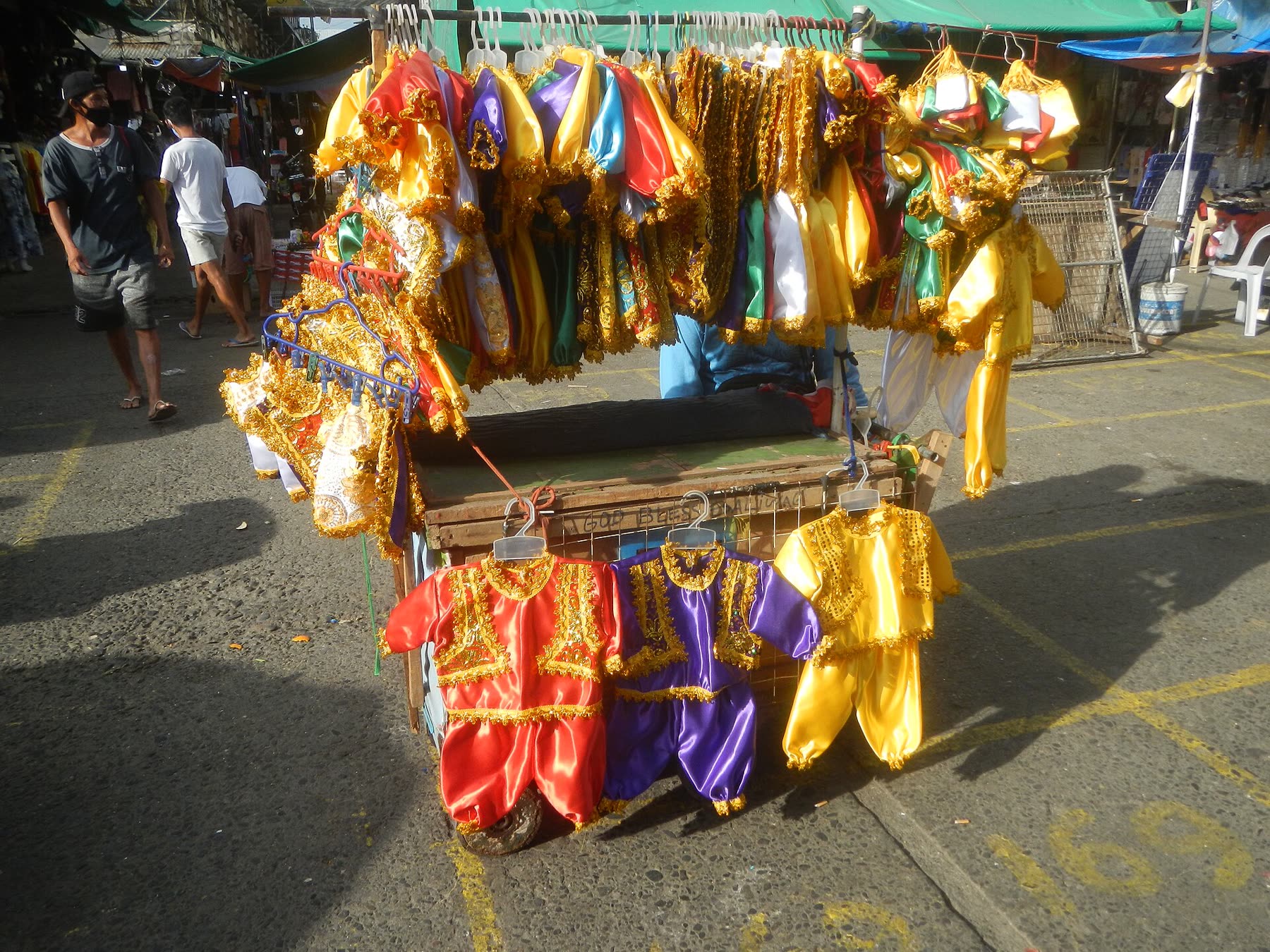
- Brand retail sites (e.g., Uniqlo, H&M) selling their own labels.
- Multi-brand fashion retailers (e.g., ASOS, Nordstrom) curating many brands but still acting as the seller.
- Consumer marketplaces (e.g., Amazon, eBay) hosting thousands of independent sellers.
- Wholesale marketplaces and supplier platforms (e.g., Alibaba, DHgate) built around bulk orders and direct access to factories or trading companies.
Understanding which of these you’re on tells you who you’re buying from, what kind of protection and flexibility you have, and what risks you’re taking—especially cross-border.
Types of Fashion Platforms and How They Work
You can think of online clothing platforms as different business models rather than just different brand names. Here’s how the major types typically operate.
1. Brand retail and multi-brand fashion sites
These sites sell finished garments directly to consumers. The platform itself is the seller, handling orders and customer service.
Common traits, based on fashion industry descriptions:Fashion & apparel industry overview
- Audience: Individual shoppers.
- Product: Finished, branded garments; sometimes limited collaboration pieces.
- Order size: Single items or small carts; no formal minimum order quantities.
- Returns: Standardized processes and published policies (specific terms vary by brand).
- Fit for: Personal wardrobes, small test buys for styling, and dropshipping only if a separate program exists.
This is the most familiar route if you care about consistent sizing, curated assortments, and relatively predictable customer service.
2. Consumer marketplaces (Amazon, eBay, etc.)
Consumer marketplaces host many sellers—big brands, small boutiques, and individual resellers—under one search bar. The platform provides the infrastructure; individual sellers list and ship products.
Typical mechanics:
- Audience: Mainly consumers, though many small sellers also buy here.
- Product: Mix of new, used, and sometimes refurbished clothing; branded and generic.
- Order size: Mostly single pieces or small multi-item orders; no formal MOQ, but quantity discounts may appear.
- Seller diversity: From official brand stores to anonymous third-party sellers.
- Fit for: Bargain hunting, niche products, or quickly comparing options and prices.
Because seller quality varies, you’re effectively choosing a micro-store each time you check out—something that matters more for higher-ticket fashion.
3. Wholesale marketplaces
Wholesale marketplaces sit closer to the production end of the clothing market. They focus on bulk purchases and often connect buyers directly with manufacturers or trading companies. Examples include Alibaba and, for smaller wholesale orders, platforms such as DHgate.
Industry research on clothing and apparel markets notes that cross-border wholesale platforms tend to require more due diligence and tolerance for variation in quality and shipping times.Clothing and apparel market research
Common characteristics:
- Audience: Businesses, resellers, and sometimes serious hobby sellers.
- Product: Finished wholesale garments, blanks (T-shirts, hoodies, leggings), and sometimes OEM services.
- Order size: Bulk-focused, with minimum order quantities set by each supplier.
- Seller type: Factories, trading companies, or wholesalers listing directly.
- Fit for: Stocking inventory, developing a micro-brand, or sourcing low-cost basics at scale.
These platforms can unlock very low per-unit costs but shift more risk and operational work onto the buyer—quality checks, communication, and logistics.
4. Supplier hubs and B2B sourcing platforms
Supplier platforms focus on connecting buyers to apparel manufacturers or service providers (pattern makers, cut-and-sew workshops, printing services) rather than selling pre-made consumer units.
Typical traits, drawing on industry descriptions:Fashion & apparel industry overview
- Audience: Brands, designers, and businesses planning their own lines.
- Product: Production capacity and services; fabrics and trims; OEM and private-label.
- Order size: Often higher MOQs and longer timelines, structured around seasons.
- Relationship: Business-to-business contracts, often negotiated off-platform.
- Fit for: Launching a clothing brand, scaling from small batches to larger runs.
For US micro-brands, this is usually the “next step” once print-on-demand and retail marketplace experiments prove there’s stable demand.
Compact comparison: how the platform types differ
| Platform type | Who it serves | Product focus | Typical order size |
|---|---|---|---|
| Brand / multi-brand retail site | Individual consumers | Finished branded garments | Single items, small carts |
| Consumer marketplace | Consumers, micro-sellers | New and used clothing from many sellers | Single items; multi-seller orders |
| Wholesale marketplace (e.g., Alibaba, DHgate) | Resellers, small brands | Bulk garments, blanks, some OEM | Bulk orders with supplier-set MOQs |
| Supplier / B2B hub | Brands, designers | Manufacturing services, fabrics | Larger runs, seasonal planning |
The categories overlap in practice (some retailers also run marketplaces), but this grid captures the core differences that drive your decision.
Which Platform Route Fits Different Fashion Buyers
For US buyers and small ecommerce businesses, the best route isn’t “the best clothing site”; it’s the platform type that matches order size, branding needs, budget, and how much risk you’re prepared to manage.Best women’s clothing online stores context
If you’re a US consumer buying for yourself
Most of the time, you’ll be better served by:
- Brand retail and multi-brand sites when you want predictable sizing, curated assortments, and consistent returns.
- Consumer marketplaces when you care more about price, variety, or specific niche items (e.g., discontinued styles, secondhand pieces).
Cross-border wholesale platforms are usually overkill for one-off personal buys: MOQs may be higher, shipping longer, and you absorb more quality risk.
If you’re testing a small resale or styling side hustle
For a small online shop selling limited quantities:
- Consumer marketplaces can act as both your supply and sales channel—buying lightly used or discounted clothing and reselling.
- Discount-oriented retail sites can be useful for sourcing small quantities of recognizable brands.
Move to wholesale marketplaces only when your volume justifies learning supplier communication, handling cross-border logistics, and potentially dealing with variable quality.
If you’re building a micro-brand or private-label line
As soon as you care about your own brand labels or consistent blanks, the platform route changes:
- Start with wholesale marketplaces for blanks and generic pieces you can customize locally (printing, embroidery). Platforms like Alibaba or DHgate appear here as options to reach factories and trading companies.
- Graduate to supplier hubs/B2B platforms when you’re ready for custom patterns, fabrics, and larger runs.
If your priority is sustainability or ethical production
Your platform choice shifts again:
- Resale and secondhand marketplaces (used and vintage) align with circular fashion.
- Brands and retailers with transparent supply chains make it easier to assess labor and environmental standards.
- Wholesale and supplier platforms can support ethical sourcing only if you do deeper work vetting individual factories and certifications.
In all cases, aligning platform type with your actual goal—personal style, profit margin, or impact—will give you a clearer route than chasing a generic list of “best clothing stores.” For broader platform context, you can also compare how fashion sits within general online marketplaces in guides such as Compare online marketplaces and shopping platforms, and if you’re weighing cross-border options, see how DHgate stacks up structurally against other marketplaces in Compare DHgate with AliExpress, Alibaba and Temu.