
Fairyland-style art is easy to find online, but it’s scattered across different kinds of platforms: curated art marketplaces, artist-focused sites, print‑on‑demand services, big-box ecommerce, and wholesale marketplaces. Each handles Fairyland originals and prints differently. If you just want one magical woodland print for a bedroom, you’ll probably end up on an artist marketplace or decor site; if you’re a small shop trying to stock dozens of Fairyland-themed pieces, you’ll look at print‑on‑demand or cross‑border wholesale instead.
This guide walks through what counts as Fairyland art, where it actually shows up, and how to match platform type to your budget and quantity needs as a US buyer or small ecommerce seller.
What “Fairyland Art” Means and Where It Shows Up Online
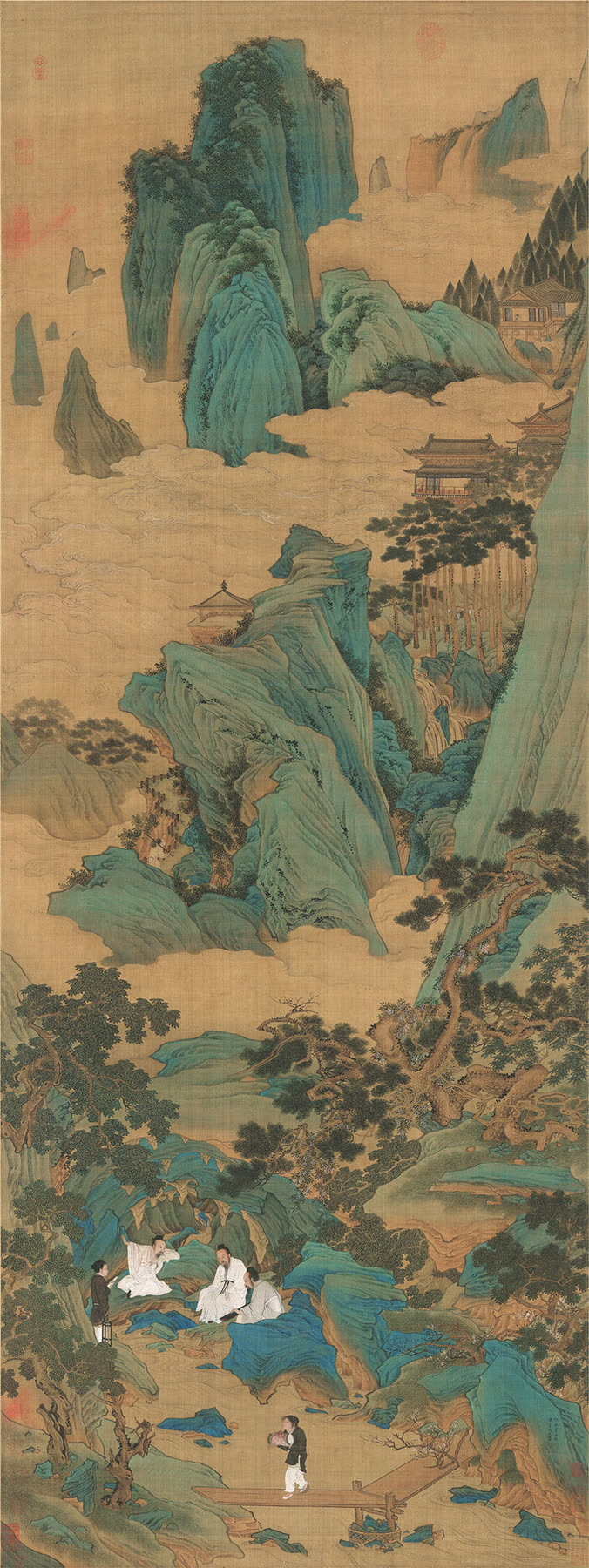
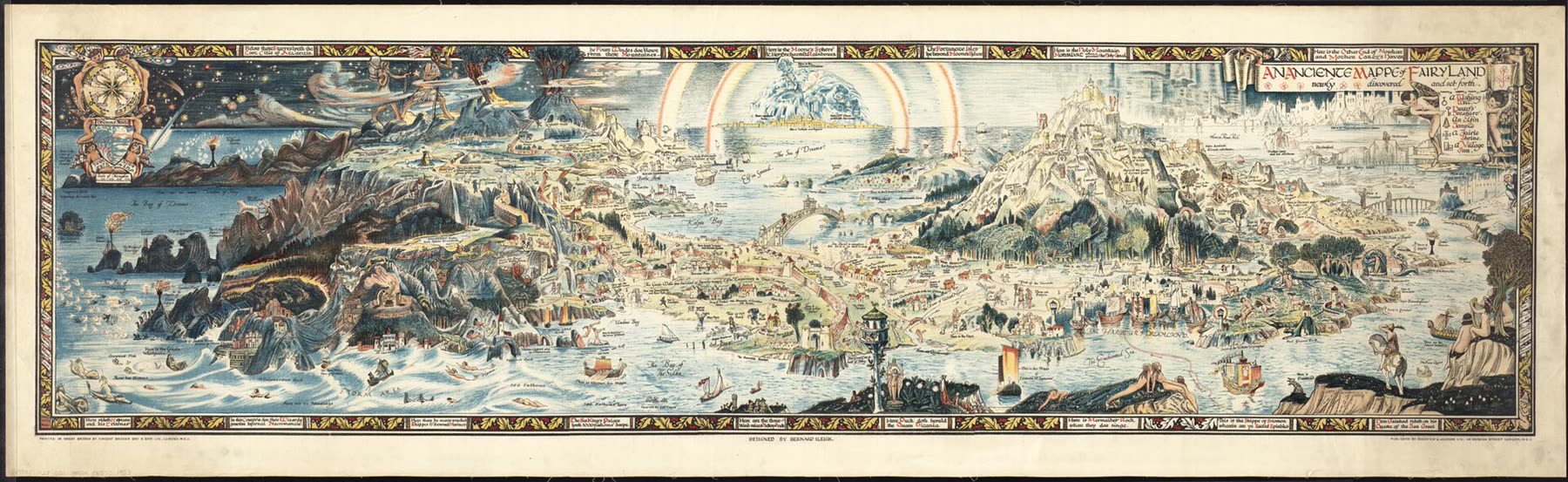
“Fairyland” isn’t a single brand; it’s a loose genre. You’ll see the label used for paintings and prints that depict enchanted forests, tiny winged figures, glowing mushrooms, dreamlike landscapes, and other fantasy realms. On curated art marketplaces like Saatchi Art, artists list original paintings titled “Fairyland” alongside other fantasy works, which gives a good sense of the style: whimsical, otherworldly scenes designed more for mood than realism.
You’ll find similar themes across multiple online art platforms:
- On curated marketplaces like Fine Art America’s Fairyland section, artists offer both original works and print reproductions.
- Artist marketplaces such as Etsy’s fairyland print listings surface a mix of hand‑drawn illustrations, digital fantasy scenes, and nursery decor from independent creators.
- General art platforms like Peggy and Artmajeur host individual Fairyland works inside broader catalogues of contemporary art.
For buyers, the key takeaway is that Fairyland art lives inside broader categories: “fantasy art,” “fairies,” “whimsical landscapes,” “nursery decor,” and similar tags. You’ll rarely see an entire site dedicated to Fairyland only; instead you search within these larger marketplaces using terms like “fairyland print,” “fairy forest art,” or “enchanted woodland.”
How Different Platform Types Handle Fairyland Art Prints
The way you buy Fairyland art online depends less on the theme and more on the platform model. Here are the main types you’ll run into, plus what they’re good for.
1. Curated art marketplaces and online galleries
Platforms like Saatchi Art and Artsy operate more like online galleries:
- Saatchi Art lists individual Fairyland-themed paintings and limited edition prints from emerging and established artists.
- Artsy connects buyers with galleries and artists worldwide, focusing on higher‑end fine art rather than mass‑market decor.
These sites emphasize originality, provenance, and curation. You’ll typically see:
- One‑of‑a‑kind Fairyland paintings or drawings.
- Limited edition prints with fixed runs.
- Higher prices and more formal presentation.
They’re well suited if you’re collecting or want a statement piece for a client project, less so if you’re trying to stock a budget wall‑art shop with dozens of units.
2. Artist marketplaces and handmade/vintage platforms
Artist‑centric marketplaces such as Etsy, Society6, and similar sites host thousands of independent artists. A DHgate editorial guide to spring art notes how Etsy offers whimsical nature illustrations and prints from individual creators; the same pattern shows up with Fairyland themes.
On these platforms, you’ll find:
- Digital Fairyland illustrations sold as printable files or studio‑printed posters.
- Watercolor or ink drawings of fairies, forest scenes, and fantasy cottages.
- Nursery and kids’ room decor with soft colors and storybook compositions.
You’re usually buying directly from the artist or a small studio. That means more variety and custom options (like personalized names on Fairyland scenes), but also more variation in print quality and fulfillment, since each seller has their own production setup.
3. Print‑on‑demand and decor‑focused sites
Sites like Fine Art America blur the line between curated art and print‑on‑demand decor. Artists upload art files; the platform handles printing on paper, canvas, or merchandise in various sizes.
For Fairyland art specifically, these services often offer:
- Multiple substrates (canvas, archival paper, sometimes metal).
- Size options from small prints to large wall pieces.
- Consistent printing standards across many different artists.
This model works well if you want predictable print quality and the ability to order the same Fairyland image in different sizes without building your own production chain.
4. General ecommerce marketplaces
Large marketplaces like Amazon and eBay carry a broad mix of fantasy and fairy‑themed wall art alongside other decor. Search terms such as “fairy wall art” or “fantasy forest canvas” usually surface:
- Mass‑produced canvas sets and posters with generic Fairyland imagery.
- Unbranded or private‑label decor suitable for budget‑conscious buyers.
These platforms are practical if you’re focused on price and speed rather than uniqueness, but they’re less ideal for collectors or brands that need clearly documented artist rights and limited editions.
5. Wholesale and cross‑border sourcing marketplaces
Wholesale‑oriented marketplaces are designed for bulk buying rather than single prints. Various online marketplaces, including cross‑border platforms, can be used by small businesses to source decorative art prints in quantity. DHgate, Alibaba‑style sites, and some regional B2B platforms fall into this camp.
Here you’ll typically see:
- Generic fantasy and nature prints that fit a Fairyland aesthetic (fairies, glowing forests, moonlit landscapes), often as part of larger wall‑art catalogues.
- Bulk pricing and minimum order quantities.
Because listings are often created by factories or trading companies, you need to pay close attention to whether designs are original, licensed, or potentially unlicensed copies of popular Fairyland art.
Choosing the Right Platform Route for Your Fairyland Art Needs
Whether you’re decorating one room or stocking a small ecommerce shop, you’ll get better results by matching your goal to a platform type instead of chasing the first “Fairyland” search result.
Quick routing by buyer scenario
Here’s a compact way to think about the options:
| Your goal (US-based) | Best first-stop platform types | Why it fits Fairyland art |
|---|---|---|
| One special Fairyland piece for your home | Curated marketplaces (Saatchi Art, Artsy); Peggy | Access to originals and limited editions. |
| Cute Fairyland decor for a nursery/bedroom | Artist marketplaces (Etsy, Society6); print-on-demand | Whimsical, nature‑themed prints from indie artists. |
| Repeatable Fairyland prints for a small shop | Print‑on‑demand sites; artist marketplaces with bulk options | Easy to reorder popular designs, flexible sizes. |
| Low-cost fantasy wall art in volume | General ecommerce; cross‑border wholesale marketplaces | Mass‑produced fairy/fantasy decor at scale. |
For individual buyers: originals vs decor
If you care about uniqueness and supporting an artist, start with curated marketplaces or artist platforms:
- Search for “Fairyland” on sites like Saatchi Art or Artmajeur to see original paintings with that title and related fantasy works.
- On Etsy, filter “fairyland print” results by medium (digital print, watercolor, etc.) and size to match your wall space.
If you mainly want affordable, ready‑to‑hang decor, print‑on‑demand and general ecommerce are usually simpler. Fine Art America’s Fairyland catalog lets you pick a design and choose formats like canvas or paper without needing to message individual artists.
For small ecommerce sellers: stock and rights
For a small US‑based shop, the bigger challenges are consistency and rights:
- Consistency: Print‑on‑demand services (e.g., Fine Art America) and decor‑focused sites let you reorder the same Fairyland design in set sizes, which simplifies inventory.
- Rights: If you want to build a brand around Fairyland imagery, look for clearly licensed art. Buying direct from artists via Etsy or Saatchi Art and negotiating usage rights is one route; using a platform’s built‑in licensing or merchandise program is another.
Cross‑border marketplaces such as DHgate can be relevant if your goal is low‑cost fantasy decor that broadly matches a Fairyland vibe and you’re comfortable importing. Before treating any listing as a business asset, vet the seller, check for signs that the artwork is generic stock rather than a copied illustration, and, if necessary, consult an intellectual‑property professional to make sure your use is legitimate. If you’re not familiar with how these marketplaces work overall, it’s worth reading a general overview like What DHgate is and how the marketplace works or a broader guide to online marketplaces and shopping platforms to understand the trade‑offs.
Practical checklist as you decide
To keep the decision grounded in Fairyland art specifically, ask yourself:
- How specific is the aesthetic you need? If you have a strong vision (e.g., a child’s room themed around a particular Fairyland scene), artist marketplaces and commissions make more sense than generic decor.
- Do you need originals, limited prints, or unlimited stock? Collectors lean on curated art sites; resellers often prefer print‑on‑demand or wholesale.
- What level of documentation do you require? For branding or resale, favor platforms and sellers who clearly state whether the Fairyland artwork is original, licensed, or part of a structured art program.
That way you’re not just finding some fairy‑themed picture—you’re picking the platform route that actually fits your Fairyland vision, quality expectations, and business model.