
Selling fabric online comes down to one big choice: will you piggyback on existing fabric sites and marketplaces, or build your own store and source fabric yourself? Retail fabric shops like Mood Fabrics and OnlineFabricStore let you buy a wide variety of fabric by the yard and resell finished goods or small cuts. Wholesale‑leaning vendors such as Big Z Fabric and BuyFabrics focus on larger yardage at discount or wholesale prices. Store‑builder platforms like Shopify or WooCommerce give you a fully independent site—but you handle sourcing, marketing, and customer acquisition.
For a US‑based small fabric business, your platform choice affects margins, minimum order quantities (MOQs), creative control, and how much work you take on. Below is how the online fabric market is structured, and how to match its main platform types to your fabric‑selling plans.
How the Online Fabric Market Is Structured
The “online fabric market” isn’t one website. It’s an ecosystem of different platforms that cover everything from quilting cotton and apparel fabric to upholstery and home décor textiles.
You’ll see three broad groups:
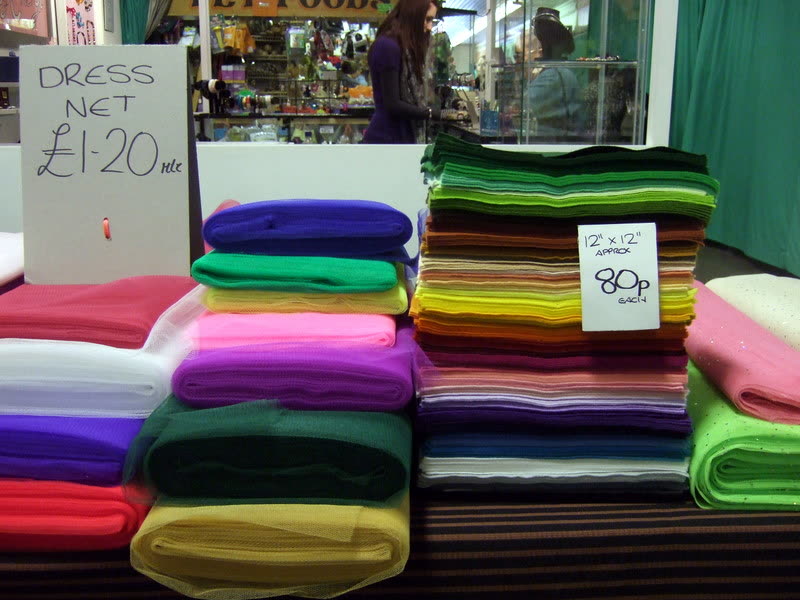
- Specialized retail fabric shops. Sites like Mood Fabrics and OnlineFabricStore sell fabric by the yard directly to consumers and small businesses, covering apparel, quilting, home décor, and more. Their value is selection and design inspiration rather than bulk pricing.
- Discount / wholesale‑oriented vendors. Big Z Fabric positions itself as an online fabric store with a strong discount and wholesale angle, including upholstery and specialty fabrics. BuyFabrics likewise leans into upholstery and décor fabrics with messaging around buying fabric online at discounted or wholesale rates.
- General ecommerce and marketplace infrastructure. Shopify, WooCommerce, and other store builders power independent fabric shops; major marketplaces host third‑party sellers listing fabric or finished goods.
Within those groups, individual sites carve out niches: quilting (Fat Quarter‑style shops), custom prints (Spoonflower‑type platforms mentioned in editorial roundups), or broad craft chains like Jo‑Ann appearing online as a fabric channel. That fragmentation is good for you as a seller: you can either plug into someone else’s audience, or build something tailored to your niche.
Platform Types for Selling Fabric Online
You have four practical platform models if your business revolves around fabric.
1. Selling through specialized retail fabric sites
This is the least common route for small US sellers, but it matters if you’re thinking about becoming a vendor rather than a shop owner. Some fabric retailers run limited marketplace or designer programs (for example, custom‑design platforms that let artists upload prints). In those cases:
- You plug into an existing audience of sewists and quilters.
- The platform controls branding, site design, and most customer experience.
- You accept their rules on pricing structure and payouts.
For most small businesses, these sites are buying channels rather than places to sell. You buy fabric by the yard and then sell finished items, kits, or curated bundles from your own storefront or marketplace presence.
2. Buying from discount / wholesale online fabric vendors
Wholesale‑oriented fabric vendors live in a middle zone between pure wholesale and retail. Big Z Fabric’s positioning as a discount/wholesale store and BuyFabrics’ emphasis on upholstery and discount fabric give you a sense of what this looks like:
- Larger yardage expectations. They highlight bulk or larger‑cut ordering even when they still sell by the yard.
- Price breaks on volume. Their pitch is savings for business buyers who need more than a couple of yards per design.
- Broader commercial assortments. Upholstery, drapery, vinyls, and other fabrics aimed at decorators and manufacturers.
As a fabric seller, these vendors are mainly your sourcing platforms. You buy bulk fabric, then:
- Cut it down into retail‑friendly units (fat quarters, 1‑yard cuts, pre‑cuts).
- Rebrand and sell from your own shop or marketplace store.
This route works if your value is curation, fast shipping, and community around specific fabric types (say, modern quilting or niche apparel).
3. Building your own fabric store on Shopify, WooCommerce, or similar
If you want full control, general ecommerce platforms are the workhorse tools. Editorial guidance on ecommerce often points to Shopify, WooCommerce (for WordPress sites), and BigCommerce as the three common choices. They share a core role:
- Provide templates and store tools so you can build an independent site.
- Handle cart, checkout, and basic integrations.
- Leave sourcing, merchandising, and marketing entirely to you.
From a fabric‑specific lens, this model means:
- You decide what you stock—quilting cotton, apparel wovens, knits, upholstery—and where you source it (domestic wholesalers, cross‑border suppliers, or a mix).
- You can build fabric‑friendly navigation (collections by fiber, weight, designer, project type).
- You carry the full burden of attracting traffic; there’s no built‑in audience.
This is usually the right platform route if you want to be a brandable fabric shop, not just a seller on someone else’s site.
4. Listing fabric on marketplaces and sales gateways
Existing sales gateways — large marketplaces and social‑commerce tools — let you list fabric without building your own site infrastructure. DHgate’s own editorial blog, for instance, describes “an existing sales gateway” as a site where sellers upload products and reach a large buyer community. As a fabric seller, similar marketplace mechanics apply across platforms:
- You create a seller account and upload fabric listings (by the yard, bundles, remnants, or finished textile products).
- The marketplace handles the storefront template and basic traffic; you differentiate with your selection, pricing, and service.
This model shines for testing demand or moving specific lines quickly, but you trade away some brand control and often accept higher competition right next to your listings.
Comparing Platform Routes and Matching Them to Your Fabric Business
Different platform routes suit different types of fabric businesses. Here are the big trade‑offs.
Key differences by route
| Route / platform type | Control over brand & experience | Typical order size when you buy fabric | Audience access |
|---|---|---|---|
| Buy‑and‑resell via retail fabric sites (sourcing) | Low (their site, your products elsewhere) | Small cuts, multi‑yard per SKU | Their audience for buying fabric; your own for reselling finished goods |
| Discount / wholesale online fabric vendors | Medium (your brand, their sourcing role) | Larger yardage, bulk‑friendly | No built‑in retail audience; suited to B2B buyers and resellers |
| Own store on Shopify / WooCommerce | High | Whatever you decide (from bolts to pre‑cuts) | You build audience from scratch |
| Listing on marketplaces (incl. DHgate types) | Medium (storefront template shared) | Depends on your sourcing route | Built‑in traffic browsing the marketplace |
These differences drive three practical questions:
- How much control do you need over branding and experience? If you care about building a named fabric shop, a standalone store builder is the strongest path. Marketplaces and sourcing through wholesale vendors support your brand, but they don’t center it.
- Are you prepared to buy fabric in bulk? Discount/wholesale vendors make sense if you’re comfortable holding inventory and managing cuts. If you’re starting very small, sourcing from retail fabric sites and focusing on kits or finished goods can be safer.
- Do you want to reach buyers via someone else’s platform or your own? Marketplaces, including cross‑border sites like DHgate, are built around existing traffic. That’s useful for visibility but limits how unique your store can look.
Where cross-border marketplaces fit — and what to watch
If you’re considering cross‑border sourcing or selling, marketplaces become part of the decision. DHgate is one example of a global marketplace where sellers list goods and buyers around the world place orders; it is not a store‑builder like Shopify, but an existing marketplace where you participate as a seller or buyer.
As a fabric business, that means:
- You might source certain fabrics cross‑border via marketplace sellers, then resell through your own US‑facing store.
- Or you might list your own fabric or fabric‑based products on such a marketplace to reach buyers outside the US.
Either way, your due‑diligence work happens at the seller and listing level: checking product descriptions, photos, and any available track record before committing to inventory. For a neutral look at how DHgate works as a marketplace, you can read What DHgate is and how the marketplace works and then compare it to other marketplaces via online marketplaces and shopping platforms or DHgate vs AliExpress, Alibaba and Temu.
Matching routes to common seller scenarios
Scenario 1: Small sewing studio selling finished goods. You mainly sell garments, quilts, or décor items rather than raw fabric. Using retail fabric sites for sourcing (Mood Fabrics, OnlineFabricStore) and selling finished items via your own Shopify site or a marketplace store is usually enough. Fabric is an input, not your product category.
Scenario 2: Niche online fabric shop with curated lines. You want to be known for a specific fabric niche—modern quilting, indie apparel prints, or upholstery. Sourcing from wholesale‑leaning vendors like Big Z Fabric or BuyFabrics, plus any domestic distributors, then selling through your own Shopify/WooCommerce store puts you in control. You can optionally test new lines by listing some inventory on marketplaces to see what resonates.
Scenario 3: Bulk fabric reseller or B2B decorator supplier. You’re closer to a B2B fabric distributor than a hobby shop. Discount/wholesale vendors and cross‑border suppliers are central. Your platform can be a more utilitarian WooCommerce or Shopify site focused on quoting and repeat orders, with marketplaces used sparingly for clearance or international leads.
Thinking in these scenarios helps you avoid building the wrong platform. Instead of asking “Which site is best for fabric selling?” you’re choosing the route that matches your scale, sourcing comfort, and how much you want your brand to stand on its own versus riding on existing marketplaces.