
eBay Kitchen Islands is not a single brand or program; it’s a loose set of categories where many different sellers list freestanding kitchen islands. You’ll find everything from rolling butcher-block carts to large islands with seating, in new, open-box, and used condition. That makes eBay flexible and often good for value or unusual styles, but it also means you have to think carefully about size, layout, condition, and the seller before you buy. For small resellers, eBay can be a source of single units or small batches, but it’s rarely a structured wholesale channel.
A kitchen island itself is typically a freestanding unit with worktop and storage, accessible from all sides and often adding seating or appliance space to a kitchen.Source Because islands are large and layout-sensitive, the way a marketplace organizes them — and how individual sellers describe them — matters a lot.
How the eBay Kitchen Islands Category Works
eBay hosts a dedicated Kitchen Islands section where multiple sellers list islands and carts in different formats. You’ll see subcategory paths and filters such as:
- Portable/rolling kitchen islands with wheels and often butcher-block tops.
- Marble-top kitchen islands, which skew toward more premium, stationary pieces.
- Large kitchen islands, aimed at bigger kitchens and often including seating or extended counters.
- Search-based groupings like “kitchen islands with seating”, which mix branded retail units and third-party offerings.
Because eBay is a multi-seller marketplace, each listing is its own story: different brands, assembly requirements, materials, and shipping methods. Some sellers are small furniture shops moving new stock; others might be individuals selling a used island they removed during a remodel.

Three things that directly affect your experience in the eBay Kitchen Islands category:
- Condition range – You can encounter brand-new, refurbished, or used islands. Used or surplus stock may be cheaper but can have hidden wear or modifications.
- Description quality – Unlike a controlled retail catalog, dimensions, materials, and assembly details depend on how carefully the seller wrote the listing and uploaded photos.
- Shipping and freight variation – A light rolling cart might ship via standard parcel; a large, heavy island may come via freight and require curbside pickup or special arrangements. You won’t see one universal shipping model.
If you’re a homeowner buying a single island, the upside is breadth: you can sort by size, top material, color, or price and sometimes find designs that aren’t available on big-box retail sites. The trade-off is that each listing needs scrutiny to make sure it fits your kitchen and arrives as expected.
Marketplace Types for Buying or Sourcing Kitchen Islands
Kitchen islands show up in several online channel types. eBay is just one option. Here’s how common platform models differ for this category:
Major retail sites
Large home-improvement retailers like Home Depot have structured kitchen island sections that are closer to a traditional catalog. Products are generally new, standard SKUs with consistent specs. Filters cover width, depth, top material, color, and brand.
Retail sites are strong for:
- Predictable dimensions and spec sheets.
- Matching islands to other cabinetry lines in the same brand.
- Standard fulfillment for large items, often with in-store pickup options.
Multi-seller marketplaces (eBay, Amazon)
On a marketplace like eBay, the platform hosts listings but doesn’t create the catalog itself. Sellers can list new stock, liquidated inventory, or used islands. This creates variety in:
- Styles (from simple rolling carts to custom-looking islands).
- Price points (including bargains on end-of-line or surplus items).
- Condition (new-in-box vs visibly used).
It also means buyers must evaluate the seller, photos, and description more closely and think through shipping and assembly.
Used and classifieds-style sites
General selling sites and used marketplaces (including platforms like used.forsale) often carry secondhand or surplus kitchen islands. Prices can be lower, but quality and fit are highly variable, and logistics are often DIY: you may need to arrange pickup, handle disassembly, or refinish surfaces yourself.
Cross-border and wholesale-style marketplaces
These wholesale-style or cross-border platforms are less about one-off homeowner projects and more about sourcing patterns for small ecommerce businesses that are comfortable managing import logistics and quality control.
Quick comparison by channel
Here’s a compact view of how the main platform types stack up for kitchen islands:
| Platform type | Typical stock for islands | Best suited for |
|---|---|---|
| Big-box retail (e.g., Home Depot) | New, standardized kitchen islands | Homeowners wanting predictable specs |
| Multi-seller marketplace (eBay) | New, surplus, and used; wide style mix | Value hunters, unique styles, small batches |
| Used/classifieds sites | Secondhand, DIY-level, often local pickup | Budget buyers, DIY renovators |
| Cross-border sourcing marketplaces | Manufacturer-direct, small to medium batches | Small resellers comfortable with imports |
No single platform is “best” for every buyer. The right choice depends on whether you’re prioritizing design control, condition certainty, price, or sourcing flexibility.
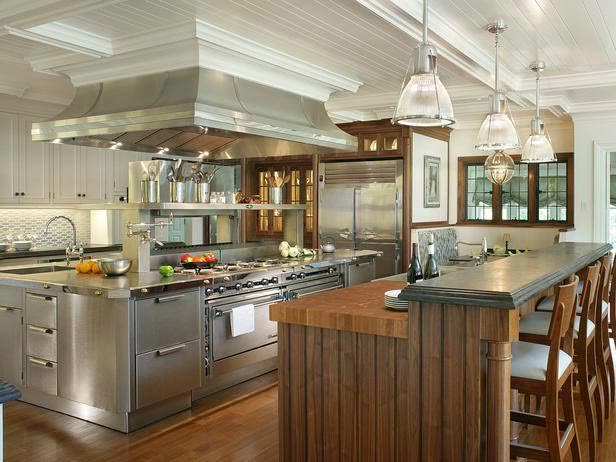
Choosing the Right Platform for Your Kitchen Island Project
Before you decide where to shop, design guides recommend confirming that a kitchen island actually works in your layout: you need enough clearance around it, appropriate legroom if you plan seating, and a clear idea of whether you need more prep space, storage, or a dining zone. Islands are widely seen as desirable features that can improve home appeal and may contribute positively to perceived value, but only if they function well in the space.
Once you’ve sketched your needs and rough dimensions, match them to platforms like this:
Scenario: single US homeowner upgrading a kitchen
If you know your target size (say a 36″-wide portable cart vs a 60″ fixed island with seating) and want a straightforward install:
- Start with retail sites for baseline specs and pricing on new islands that match standard cabinetry.
- Use eBay’s Kitchen Islands category to search for similar sizes and materials, then check whether any listings offer better value, a more interesting style, or a portable solution that makes sense for your kitchen.
- Consider used/local sites only if you are comfortable with potential refinishing, transport, and minor repairs.
Questions specific to eBay that help you decide:
- Does the listing clearly state width, depth, and height, so you can confirm clearances?
- Are photos detailed enough to judge surface condition and color in real lighting, not just a catalog render?
- Is the island fully freestanding, or does it assume attachment to existing cabinetry?
- For heavier islands, does the seller explain how it ships (parcel vs freight) and what level of delivery you receive?
If you find an island on eBay that ticks your size, style, and budget boxes with clear photos and a seller whose other listings look consistent, eBay can be a strong choice for a one-off kitchen upgrade. If every listing leaves you guessing about dimensions or shipping, a more controlled retail channel may be safer.
Scenario: small ecommerce or furniture reseller
For a reseller testing kitchen islands in a catalog with limited capital:
- eBay can work for opportunistic buying — picking up small lots of surplus islands or distinctive pieces and reselling them. The trade-off is inconsistent supply and the need to inspect each deal.
- Retail buying for resale rarely works on margin, but retail sites help you understand mainstream price points and popular dimensions.
- Cross-border marketplaces may offer manufacturer-direct islands that you can brand or bundle, but they shift more risk to you around logistics, quality control, and after-sales support.
In this scenario, the choice is less about one perfect island and more about your tolerance for inventory variability. If you want a repeatable product line, stable supplier relationships (on or off marketplace platforms) will matter more than the one-time bargain you can score in the eBay Kitchen Islands category.
How to use platform comparisons without getting overwhelmed
If you’re still undecided, it can help to zoom out and understand marketplace models in general. Guides like Compare online marketplaces and shopping platforms or overviews of specific marketplaces such as What DHgate is and how the marketplace works explain how multi-seller platforms differ from traditional retail. For kitchen islands, apply that abstract knowledge concretely:
- Use retail sites to define your minimum acceptable spec and layout.
- Use eBay and other marketplaces to see if you can beat that spec on style or price, without sacrificing clarity on size and condition.
- Reserve used and cross-border channels for cases where you consciously trade some convenience for cost savings or assortment advantages.
If you keep your kitchen layout requirements and risk tolerance front and center, the eBay Kitchen Islands category becomes one useful channel in a larger toolset — not a one-stop solution, but a flexible marketplace you can use strategically.