
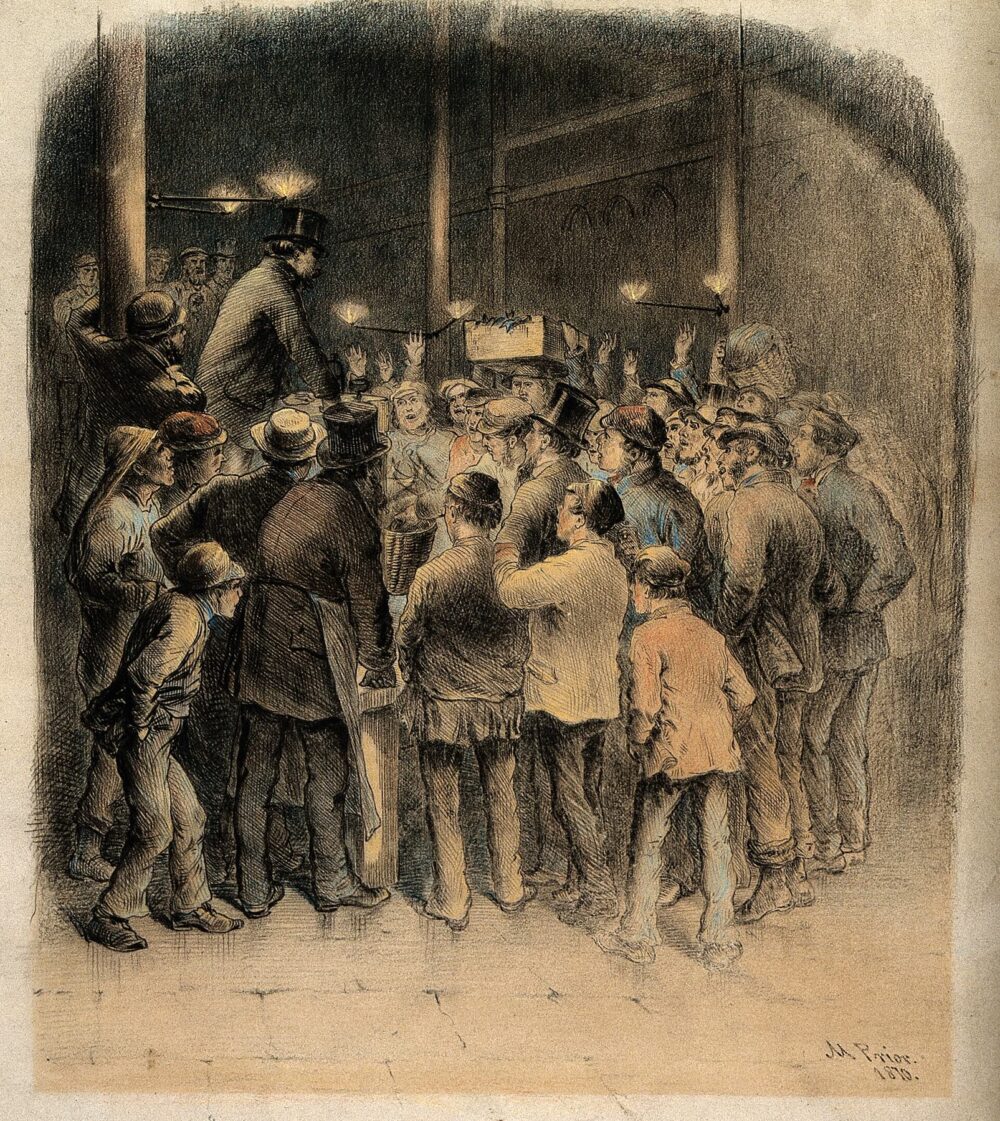
Dibdit is a niche online marketplace built around live, community-style auctions for collectors. Listings and live sale pages on the site show toys, collectibles, and antiques being sold with real-time bidding, plus occasional “Buy It Now” options for immediate purchase.Source As a seller, you’re not just posting a static listing; you’re hosting or joining live sales and talking with buyers in chat. That makes Dibdit a good fit if you have small batches of collectible items and want a community-driven sales experience, but it’s usually only part of the picture for a small ecommerce business that needs predictable volume and pricing.
What Dibdit Is and How Its Collector Marketplace Works
Dibdit’s homepage and live sale listings present it clearly as a collector-focused marketplace.Source At the time this article was researched, you could see:
- Live sale events where a host runs through a stream of items (for example, toys or antiques) and buyers bid in real time.Source
- Individual product pages with starting bids and, in some cases, a Buy It Now option.Source
- A “Dibdit Chat” channel where users talk around auctions and sales, reinforcing that this is a social space, not just a catalog.Source
In practice, Dibdit works more like an online auction floor plus group chat than a traditional storefront. As a seller you would typically:
- Create listings for your items with photos, a starting bid, and any fixed price options.
- Schedule or join a live sale session where those items are auctioned.
- Interact with bidders through the chat, answer questions, and build relationships with repeat buyers.
You’re trading some pricing predictability for engagement. A rare figure or vintage piece might get bid up higher than your expectations in a lively sale, but a more common item can also close lower if the right buyers aren’t online that night. That volatility is part of the appeal for hobby sellers and collectors, but it’s a real planning factor for anyone trying to manage inventory and cash flow.
Where Dibdit Sits Among Retail, Auction, and Wholesale Platforms
To understand whether Dibdit is enough for your business, it helps to place it in the wider marketplace landscape. A useful way to think about online selling platforms is by type:Source
| Platform type | Typical use case | Example in this context |
|---|---|---|
| Retail/fixed-price marketplace | Everyday consumer shopping, stable pricing | Large general marketplaces (not specific) |
| Auction/community marketplace | Live or timed auctions, niche communities | Dibdit (collectibles-focused) |
| Local listing / buy-sell app | Nearby deals, in-person exchange | Ditchit local buy-sell app |
| Wholesale/supplier marketplace | Bulk sourcing or resale inventory, often cross-border | DHgate as a cross-border B2B/B2C marketplaceSource |
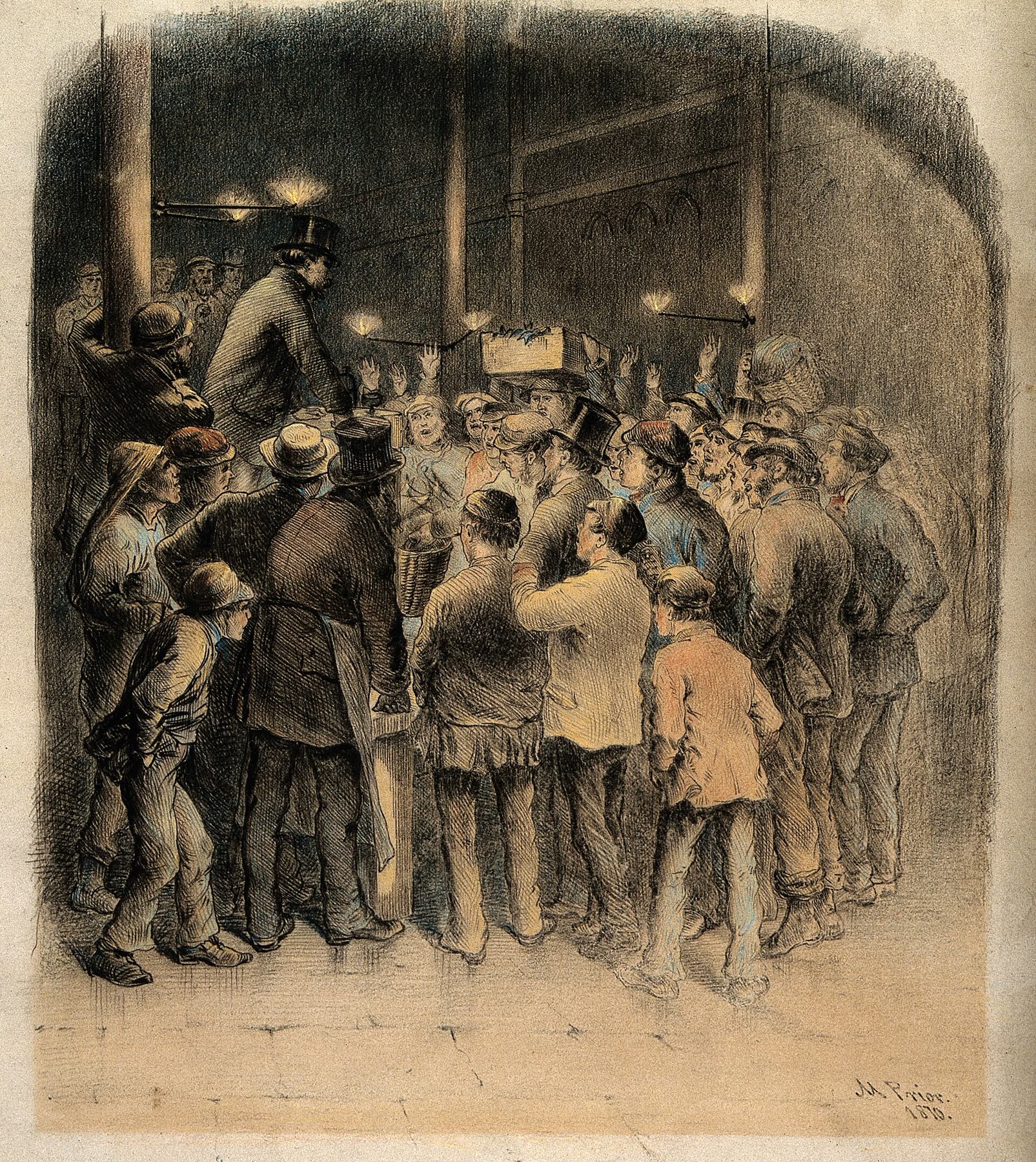
Auction/community marketplaces (Dibdit’s bucket). These give you real-time bidding and a social feel. You’re leaning on community energy instead of search algorithms. For niche collectibles, that can be powerful: committed collectors show up to live sales and chase specific items. The trade-off is less evergreen traffic. If you’re not hosting or participating in sales regularly, your items aren’t in front of many buyers.
Retail/fixed-price marketplaces. These are the big catalog-style sites where buyers search, filter, and click “Add to Cart.” Pricing is mostly fixed, and buyers show up for convenience and breadth. As a small seller, these channels often provide more consistent demand for repeatable SKUs—say, new-in-box popular toys or accessories—than a live auction model.
Local listing apps. Tools such as the Ditchit buy-and-sell app focus on nearby buyers and in-person exchanges, based on the app store description.Source They’re useful when your items are bulky, low-value, or you prefer cash-and-carry over shipping. They don’t give you the same national or international reach as an online collector marketplace like Dibdit.
Wholesale/supplier marketplaces. Platforms in this category connect buyers and sellers for bulk or resale inventory, often across borders.Source DHgate, for example, operates as a cross-border B2B/B2C marketplace where registered sellers can offer products in bulk or individually to global buyers.Source These marketplaces are typically more about sourcing and distribution than fan communities, and they can sit upstream from a channel like Dibdit—for instance, if you import new collectible items and then sell them by auction.
If you’re unsure which type should be your “home base,” the question is: do you primarily sell unique, collector-grade pieces, or repeatable products that buyers will search for on mainstream marketplaces?
Choosing the Right Platform Mix for Your Collectible or Ecommerce Business
Most US-based sellers won’t rely on Dibdit alone. The right move is matching your platform mix to the kind of inventory you have and the business you want to build.
Scenario 1: Hobby seller with one-off collectibles
You have thrifted toys, vintage decor, or small antiques, each piece a bit different.
- Dibdit’s live auctions and collector chat can be a primary channel. The community is tuned to exactly this kind of inventory.
- A local app like Ditchit can backstop larger or fragile items you’d rather hand off in person.
- Large retail marketplaces or wholesale sources often matter less here; you’re not trying to scale a catalog so much as turn finds into cash.
Fit notes: Dibdit makes sense as your main selling space if you enjoy live selling and can show up consistently. If your schedule is irregular or you prefer low-maintenance listings, adding at least one fixed-price marketplace gives you traffic even when you’re offline.
Scenario 2: Small ecommerce brand selling new collectibles at scale
You’re importing or manufacturing new collectible items—maybe trading card accessories, figure stands, or themed decor—and want to move meaningful volume.
- Dibdit can be a marketing and community channel. Use live auctions to showcase limited drops, bundles, or rare variants, building a fan base.
- You’ll usually want a fixed-price storefront (your own site or a large marketplace) for everyday sales and predictable revenue.
- For cross-border sourcing or wholesale distribution, a marketplace in the DHgate category can matter on the supply side, either to find manufacturers or to sell in bulk to other resellers.Source For more on how those marketplaces operate, you can read What DHgate is and how the marketplace works.
Fit notes: Dibdit isn’t designed to replace a catalog-style storefront. Think of it as a live-events layer on top of a more traditional ecommerce setup.
Scenario 3: Reseller blending local, auction, and mainstream channels
You’re buying collections or liquidation lots, then breaking them down into individual SKUs.
- Use Dibdit’s live sales for standout pieces and to move mixed lots quickly.
- Use a local app when shipping is awkward or margins are thin.
- Use one or more mainstream retail marketplaces for the bread-and-butter SKUs that always sell if priced competitively.
Here, your main decision is time vs. margin. Live auctions can squeeze more value out of special items but require hosting, promotion, and interaction. Fixed-price channels are more passive but often yield lower per-unit margins for unique pieces.
How to Decide Your Next Step
A good way to decide whether to start on Dibdit or treat it as a secondary channel is to ask three concrete questions:
- Is most of my inventory unique and collector-grade, or repeatable and commodity-like? The more unique your items, the more Dibdit’s live-auction model pays off.
- How much do I enjoy (and have time for) live selling and community engagement? Dibdit rewards hosts who show up; if you prefer set-and-forget listings, pair it with more static marketplaces.
- Do I need cross-border sourcing or wholesale distribution in the mix? If yes, you’ll likely be looking at wholesale/supplier marketplaces on top of Dibdit. Articles such as Compare online marketplaces and shopping platforms can help you see how those channels differ.
If your answers cluster around “unique items,” “community,” and “I want to experiment,” starting with Dibdit and a local or mainstream marketplace alongside it can be a sensible, low-risk way to learn what your buyers respond to.