
If you’re in Canada shopping for clogs—whether classic Birkenstock styles or cheaper alternatives—the best route isn’t a single “deal site.” You’ll usually get the best mix of price and reliability by matching your volume and risk tolerance to a platform type: brand websites for style selection and authenticity, big retail marketplaces (Amazon, eBay, Walmart.ca) for discounts and variety, and wholesale/global marketplaces for bulk or low-cost alternatives, where you trade convenience for more hands-on verification.
Here’s how those options break down so you can pick the right channel for personal wear or small ecommerce sourcing.
Clogs Footwear and the Online Market: What You’re Really Choosing Between
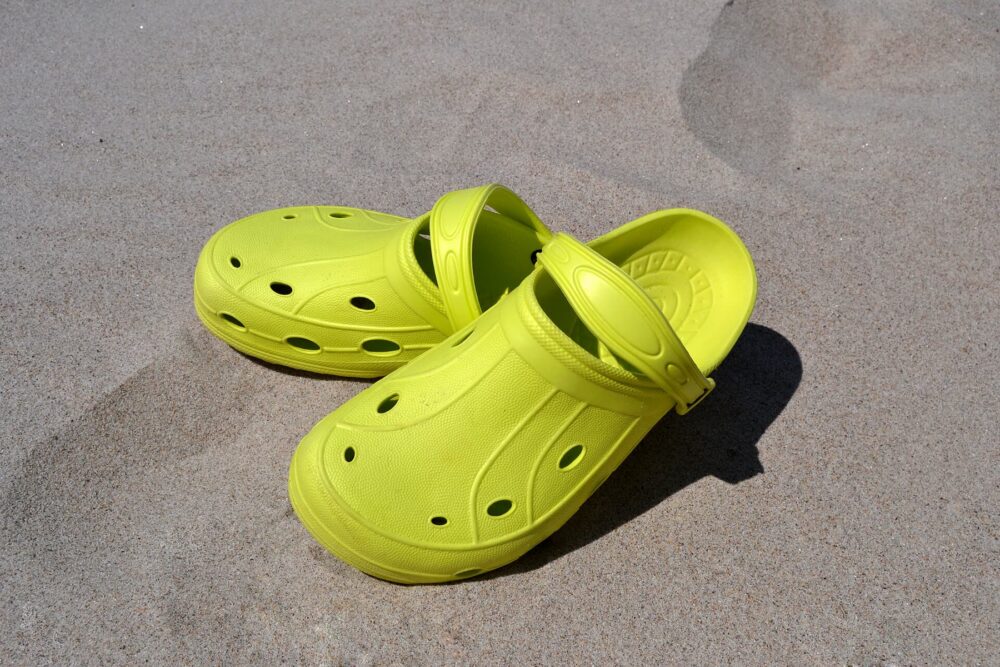
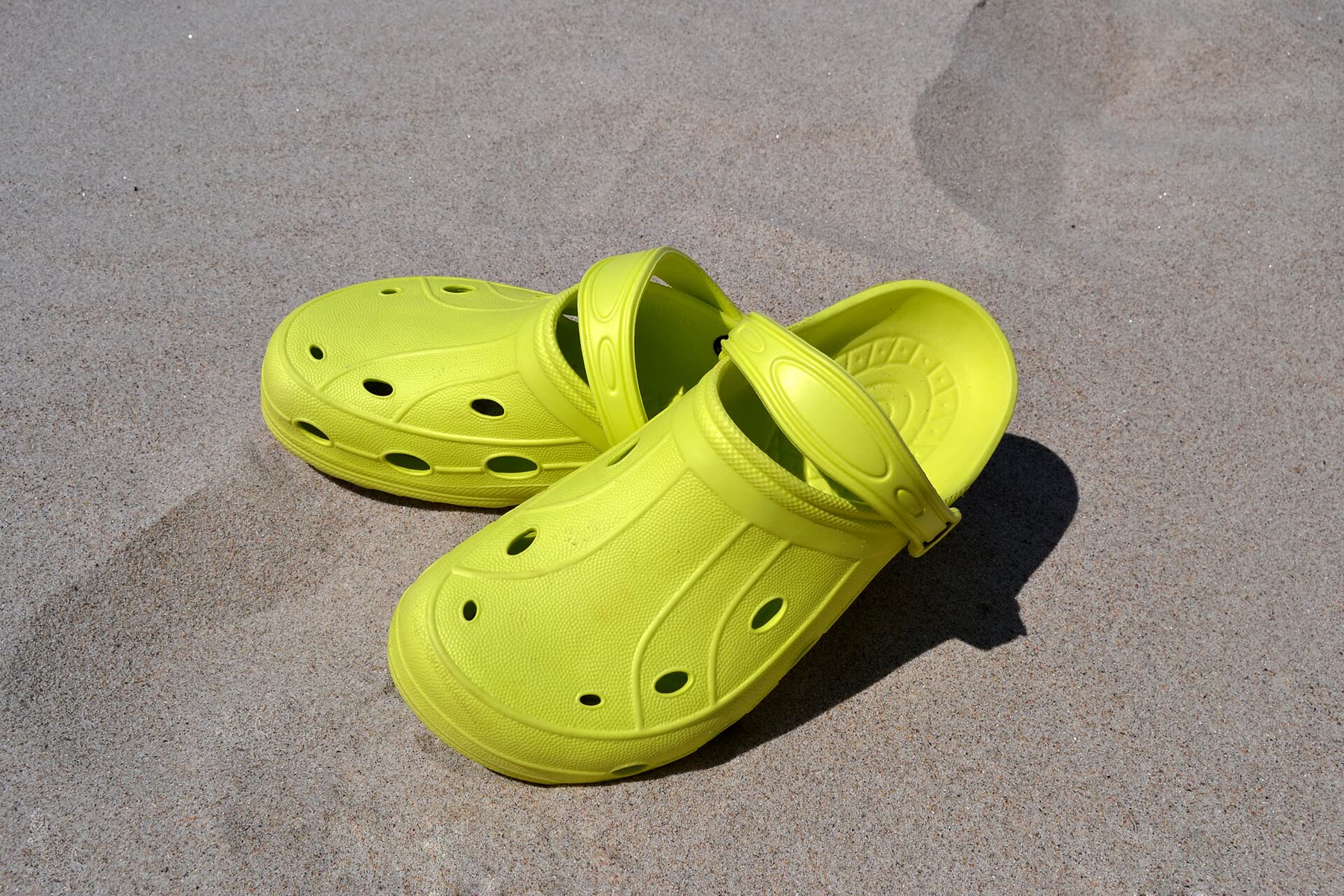
Traditionally, clogs are defined by a thick, often rigid sole and an enclosed toe, originally carved from wood.Source Modern clogs keep the chunky sole and closed front but swap wood for materials like foam, rubber, leather, and synthetics, and they range from nurse-friendly work shoes to fashion platforms and outdoor slip-ons. You’ll see them sold as classic backless clogs, clog sandals, and higher platform variations.
Contemporary clog brands include comfort and fashion names such as Crocs, Birkenstock, Dansko, and Sanita.Source Each approaches clogs differently: Crocs leans into molded foam comfort and color, Birkenstock is known for supportive footbeds, and Dansko/Sanita focus heavily on professional and medical use.
Canadian buyers don’t have to shop abroad to find these styles. Clogs show up at local chains and on sites like the Walmart.ca clogs shoes category, as well as regional fashion retailers and department stores. Global fashion sites and sneaker/platform specialists also list clogs, but where you buy them—brand site, retail marketplace, or wholesale/global marketplace—changes your experience on price, authenticity risk, and logistics.
How Brand Sites, Retail Marketplaces, and Wholesale Platforms Work for Clogs
Think about your options less as “which website has clogs?” and more as “which business model fits how I want to buy?” For Canadian buyers, the three main models are:
1. Brand websites (Crocs, Birkenstock, Dansko, etc.)
On brand sites like Crocs or Birkenstock, you buy directly from the brand or its official e‑commerce arm. The brand controls assortments and pricing, so you’re seeing current styles, full color runs, and official collaborations.Source
Brand sites often participate in major sale events—Black Friday, Cyber Monday, and end-of-season markdowns—on clogs and clog sandals. Editorial coverage of clog deals points to brands like Crocs, Birkenstock, and Dansko running promotions during these periods, though the exact discount and timing varies year to year.Source
For you, this usually means:
- Best for: Authentic branded clogs, newest releases, sizing info that matches the brand’s own guidance.
- Pricing pattern: Full retail most of the year, with defined sale windows and occasional promo codes.
- Volume reality: Suited to single pairs or small family orders; not optimized for resale bulk.
2. Retail marketplaces (Amazon, eBay, Walmart.ca and similar)
Large marketplaces such as Amazon and eBay host many third‑party sellers alongside their own stock. Their shoe sections include clogs ranging from big brands to unbranded alternatives, with prices that move more aggressively than on most brand sites.Source
Editorial overviews of shoe deals highlight Amazon and similar retailers for discounted footwear via everyday price competition and limited-time promotions.Source On eBay, you’ll also see auctions and used pairs, which can bring prices down further but raise questions about condition.
For clogs buyers and small resellers, that model means:
- Best for: Finding lower prices on mainstream brands, discovering alternatives and dupes, testing styles in small quantities.
- Pricing pattern: Highly variable. Multiple sellers compete, and sales can appear with or without a big promo event.
- Volume reality: Easy to buy a few pairs from different sellers; bulk is possible but usually at near-retail margins.
3. Wholesale and global marketplaces
Wholesale/global marketplaces sit closer to the supply side. They aggregate manufacturers and trading companies that list larger runs of footwear, including clog‑style shoes.Source
Platforms in this bucket can include sites aimed at resellers sourcing lower‑cost clog alternatives.Source DHgate is one such marketplace in the broader cross‑border ecosystem: it lists many fashion and footwear products from global sellers rather than acting as a conventional retailer.
Key traits of this channel for clogs:
- Best for: Small businesses looking for low-cost clog alternatives, generic foam clogs, or private‑label styles in bulk.Source
- Pricing pattern: Per‑pair prices can be lower for higher quantities, but listed prices and minimum order quantities (MOQs) vary widely by seller and product.
- Volume reality: Often built around case packs or larger runs, even if some listings do allow smaller test orders.
How these models compare for clogs
Here’s a simple way to see the differences when you’re planning a clogs purchase or sourcing plan:
| Platform type | Typical buyer relationship | Authenticity confidence for big brands* | Typical volume sweet spot* |
|---|---|---|---|
| Brand website | You buy directly from the brand | Higher – brand controls its catalog and branding | 1-4 pairs for personal/family use |
| Retail marketplace | You buy from many third‑party sellers | Mixed – depends on each seller and listing | 1-10 pairs; light resale testing |
| Wholesale/global marketplace | You buy from manufacturers/traders | Lower for big brands; clearer for generics/private label | 20+ pairs or production‑oriented orders |
\*These are editorial ranges, not hard rules; individual listings and sellers differ. But they reflect how clogs typically show up across platforms today.SourceSourceSource
Choosing Your Channel for Clogs: Personal Use vs Small Ecommerce Sourcing
Once you understand the platform types, your choice becomes a practical question: are you buying a couple of pairs for yourself, or trying to build a small business around clogs?
Scenario 1: Personal buyer in Canada
If you want one or two pairs of recognizable clogs—say Birkenstocks for fall or Crocs for summer—start with brand sites plus Canadian or US retail channels:
- Use the brand’s own site (Crocs, Birkenstock, Dansko) for the most reliable view of current styles and official promos during big sale events.Source
- Cross‑check with large marketplaces like Amazon and Canadian retailers such as Walmart.ca to see if a similar pair is offered by highly rated sellers at a lower price.Source
- For cross‑border orders from US sites, factor in duties, tax, and longer return windows; that can be worth it for limited styles, but less so for generic foam clogs you can buy domestically.
In practice, many Canadian buyers do well with a hybrid approach: buy core styles from the brand when there’s a seasonal promotion, and pick up inexpensive alternatives or kids’ clogs from marketplace sellers who ship to Canada.Source
If you want more inspiration on styling clogs and how widely they appear across fashion retailers, editorial roundups such as this Who What Wear piece on clog outfits show how different brands are treated in the broader fashion market.
Scenario 2: Small ecommerce seller testing a clogs niche
If you’re a small seller running a Shopify store, a local Instagram shop, or a marketplace storefront, think in stages.
1. Validate demand with retail marketplaces
Start by ordering a very small number of clog styles—different colors, materials, or heel heights—from big marketplaces like Amazon or local retail sites. You’re paying closer to retail, but you’re not locked into large MOQs, and you can quickly see what your audience actually wears.Source
2. Layer in wholesale/global sourcing for alternatives
Once you know which look sells (for example, a specific foam clog silhouette), you can explore wholesale/global marketplaces to source lower‑cost alternatives or unbranded versions.Source This is where a platform like DHgate can appear in your workflow: as one of several places to search for generic clog‑style shoes and negotiate bulk pricing.
Because these marketplaces host many independent sellers, rely on your own verification steps before committing to a large order:
- Compare product listings carefully, including material descriptions and photos.
- Ask detailed questions about sizing, packaging, and any customization options.
- Consider starting with the smallest available batch to check quality, fit, and transit reality before scaling up.
3. Decide when brand sites still matter
Even if your long‑term plan is private‑label clog sourcing, brand sites and established retailers remain useful for benchmarking styling, materials, and what customers expect at different price points.Source They can guide your marketing and help you avoid buying stock that feels obviously off compared with mainstream clogs.
Matching platform choice to your priority
A quick way to choose your route:
- Your top priority is margin on bulk alternatives: Use wholesale/global marketplaces (including DHgate and competitors) to find suitable clog‑style footwear in higher volumes, but treat every seller and product listing as a separate due‑diligence project.Source
If you’re new to global marketplaces overall, it can help to zoom out and understand how multi‑seller platforms work beyond just clogs. You can read more about that in this site’s broader comparison of online marketplaces and shopping platforms and its neutral explainer on what DHgate is and how the marketplace works. Those pieces won’t tell you which clog to buy, but they will sharpen your platform choice so your next pair—or next inventory order—fits both your feet and your business model.