
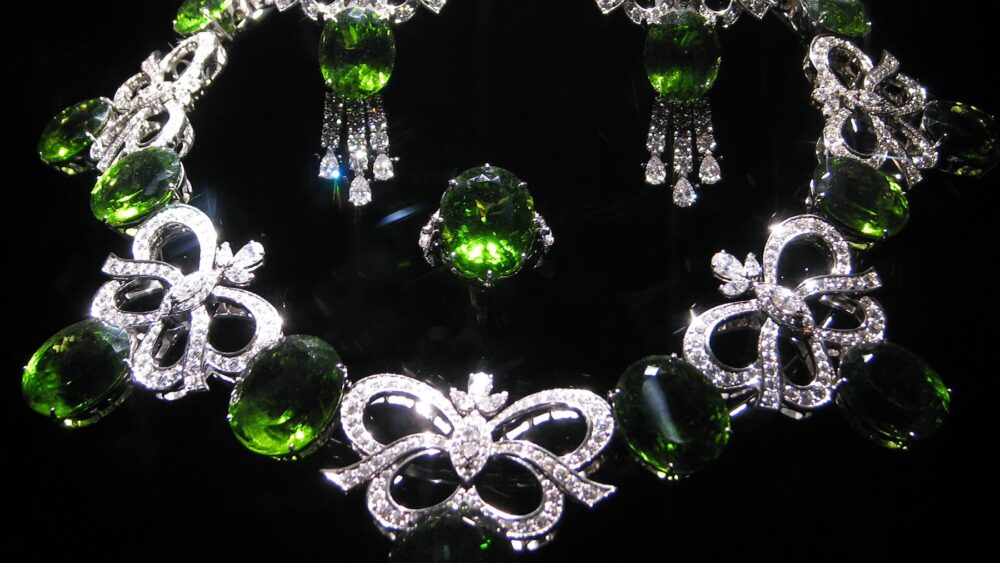
Clear Cut Jewelry and Diamonds — better known as The Clear Cut — is a New York–based jeweler that specializes in bespoke, handcrafted diamond engagement rings and fine jewelry built around natural diamonds, not an open marketplace of random listings. It’s best suited to buyers who want a guided, one-on-one process for a major purchase rather than clicking through thousands of generic SKUs. If you’re a small ecommerce brand looking for bulk inventory, it will feel more like a boutique design studio than a sourcing hub.
This guide explains where Clear Cut sits in the diamond jewelry market, how its mostly virtual platform works, and how to decide if it fits your personal purchase or sourcing plans.
Where Clear Cut Sits in Today’s Diamond Jewelry Market
The Clear Cut positions itself as “this generation’s jeweler”: a New York–based company focused on bespoke, handcrafted diamond engagement rings and fine jewelry, built around individual design and gem selection rather than standardized ring models. You can see this positioning on its own site, where the emphasis is natural diamonds and custom builds rather than a huge catalog of pre-set rings.
Compared with other ways Americans buy diamond jewelry:
- Local independent jewelers often offer custom design, but your options are limited to what’s in their cases and their supplier network, and you work in person.
- Large chain stores (Kay, Zales, etc.) lean on standard ring lines, financing, and mall access. Custom work is limited and usually more constrained by corporate catalogs.
- Online catalog brands like lab-grown specialists Brilliant Earth, Clean Origin, or Lightbox sell from big online inventories — you filter for size, cut, and price, then pick from pre-designed settings.
Clear Cut sits closer to the first group (independent custom jeweler) but runs largely online. There’s no open marketplace; you’re working with one jeweler’s team on a one-off piece, using natural diamonds sourced through its own relationships and highlighted traceability collaborations reported in industry coverage such as JCK Online.
How the Clear Cut Platform Works Compared with Other Buying Channels
Clear Cut’s site isn’t built like Amazon or a marketplace. It’s more like a virtual studio.
Clear Cut’s guided, virtual workflow
From its site and FAQ, Clear Cut describes a largely online, guided engagement-ring process:
- You start with a consultation (often virtual), sharing budget, style preferences, and timelines.
- A specialist walks you through natural diamond options — balancing carat, cut, color and clarity — instead of pushing a pre-boxed ring.
- The team then designs and crafts a bespoke ring or piece of fine jewelry around that stone.
You’re not filtering through hundreds of SKU codes yourself; the platform is designed for hand-holding through a complex, high-stakes purchase.
Contrast with catalog-style lab-grown retailers
Lab-grown diamond retailers highlighted in consumer guides — such as Brilliant Earth, Clean Origin, Lightbox, MiaDonna and others mentioned in DHgate’s editorial overview of lab-created rings — generally use a catalog model: you search by shape, carat range, cut grade, and price, click into a specific stone, then pair it with a standardized setting. That’s efficient for shoppers who value speed, filters, and transparent per-stone pricing.
Those sites excel if you want:
- A wide range of lab-grown stones at clearly listed prices
- Self-service shopping with minimal back-and-forth
- Pre-designed styles you can preview in 3D or stock photos
Clear Cut instead prioritizes a curated selection of natural diamonds, personal guidance and a crafted ring as the end product.
Marketplace platforms and local jewelers
Local independent jewelers sit at the opposite end: you can see stones and settings in person, handle samples, and sometimes watch the design process. For shoppers who want to see the diamond under real lighting and compare several stones side by side, the physical experience can be very reassuring.
Here’s how these channels differ at a practical level:
| Channel type | How you choose the diamond | Ring design style | Relationship model |
|---|---|---|---|
| Clear Cut (bespoke) | Guided selection of natural stones with a specialist | Fully custom or semi-custom, handcrafted | Ongoing relationship with one jeweler’s team |
| Lab-grown catalog sites | Self-service filters, large online inventory | Standardized settings, some customization | Transactional; brand relationship, not personal advisor |
| Marketplaces (incl. DHgate) | Browse many sellers’ listings; quality varies | Mostly pre-made rings or mass settings | One-off purchase from individual sellers |
| Local independent jewelers | In-person viewing and side-by-side comparison | Custom and semi-custom; design in-store | Personal, local relationship over time |
Clear Cut’s advantage is depth of guidance; its trade-off is less breadth of options and no bargain-bin pricing.
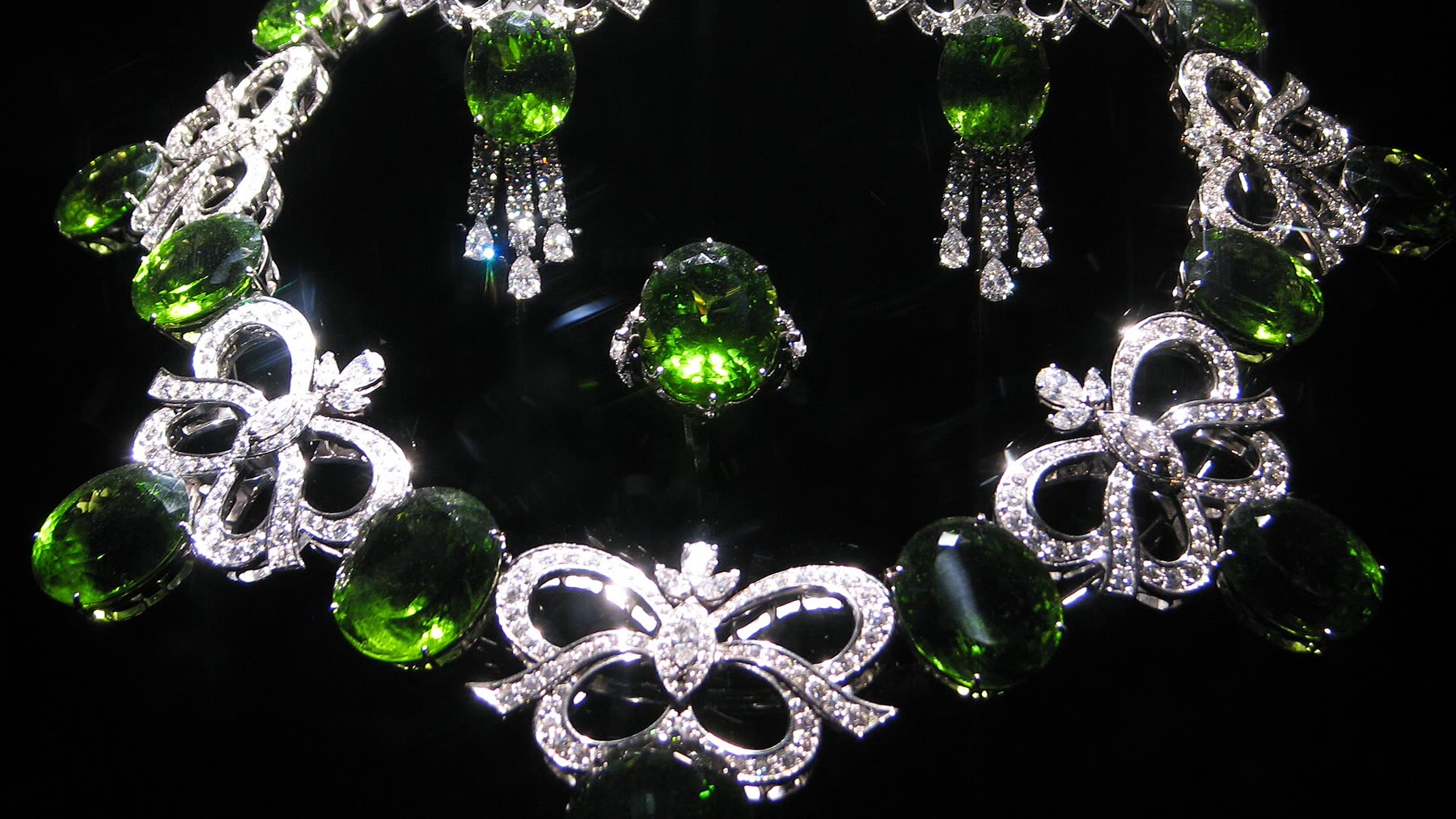
Choosing the Right Platform for Your Diamond Purchase or Sourcing Plan
Whether Clear Cut is “right” for you depends heavily on what you’re actually trying to do.
If you’re a US consumer buying an engagement ring
Clear Cut is a strong fit if:
- You want a natural diamond and care about how it was sourced.
- You’re willing to spend time in consultations and design reviews, not just hit “Add to Cart.”
- You value having a specific jeweler guiding you rather than anonymous customer service.
You might be better served elsewhere if:
- You prefer lab-grown diamonds and want to maximize size-for-budget using transparent online filters at brands like Brilliant Earth or Clean Origin.
- You need to see stones in person before deciding; in that case, a reputable local jeweler with recognized affiliations (for example GIA, AGS, or Jewelers of America, as highlighted in industry advice on trustworthy sources) is often more comfortable.
- You’re strictly price-driven and open to standardized designs; large online retailers or marketplaces can present more low-cost options — but you’ll need to be very disciplined about reviewing certificates and seller history.
If you’re a small ecommerce or boutique brand
Clear Cut is built for end consumers, not for wholesale diamond sourcing. That has clear implications:
- If your business model is reselling bespoke high-end engagement rings, working with a custom jeweler like Clear Cut could make sense as a white-label or collaborative design partner — but you’d be operating at luxury price points with low volume and high client interaction.
- If you’re trying to stock dozens or hundreds of SKUs of diamond or lab-grown jewelry, you’ll likely need:
- A wholesale-focused platform or supplier network
- Marketplace-style channels (including cross-border platforms) where you can negotiate bulk buys, private label, and MOQs
In that sourcing context, Clear Cut is closer to a specialty designer you’d partner with for a capsule collection, not a place to buy trays of solitaire rings.
Practical verification steps across all channels
For any platform you choose — Clear Cut, a catalog retailer, a marketplace seller, or your local jeweler — you should consistently:
- Request diamond documentation: look for grading reports from recognized labs such as GIA or IGI, especially for larger stones.
- Check professional affiliations: GIA, AGS, and JA memberships are useful signals of training and standards, though they’re not guarantees of price or perfection.
- Match platform to purchase type: bespoke jeweler for milestone pieces; catalog or marketplace for lower-cost or high-volume needs.
If you’re mainly a buyer: Clear Cut is appealing when your priority is getting a natural-diamond ring that reflects your story, with expert hands on the details. If you’re mainly a seller looking for inventory: treat Clear Cut as a creative collaborator, not as your primary supply chain.
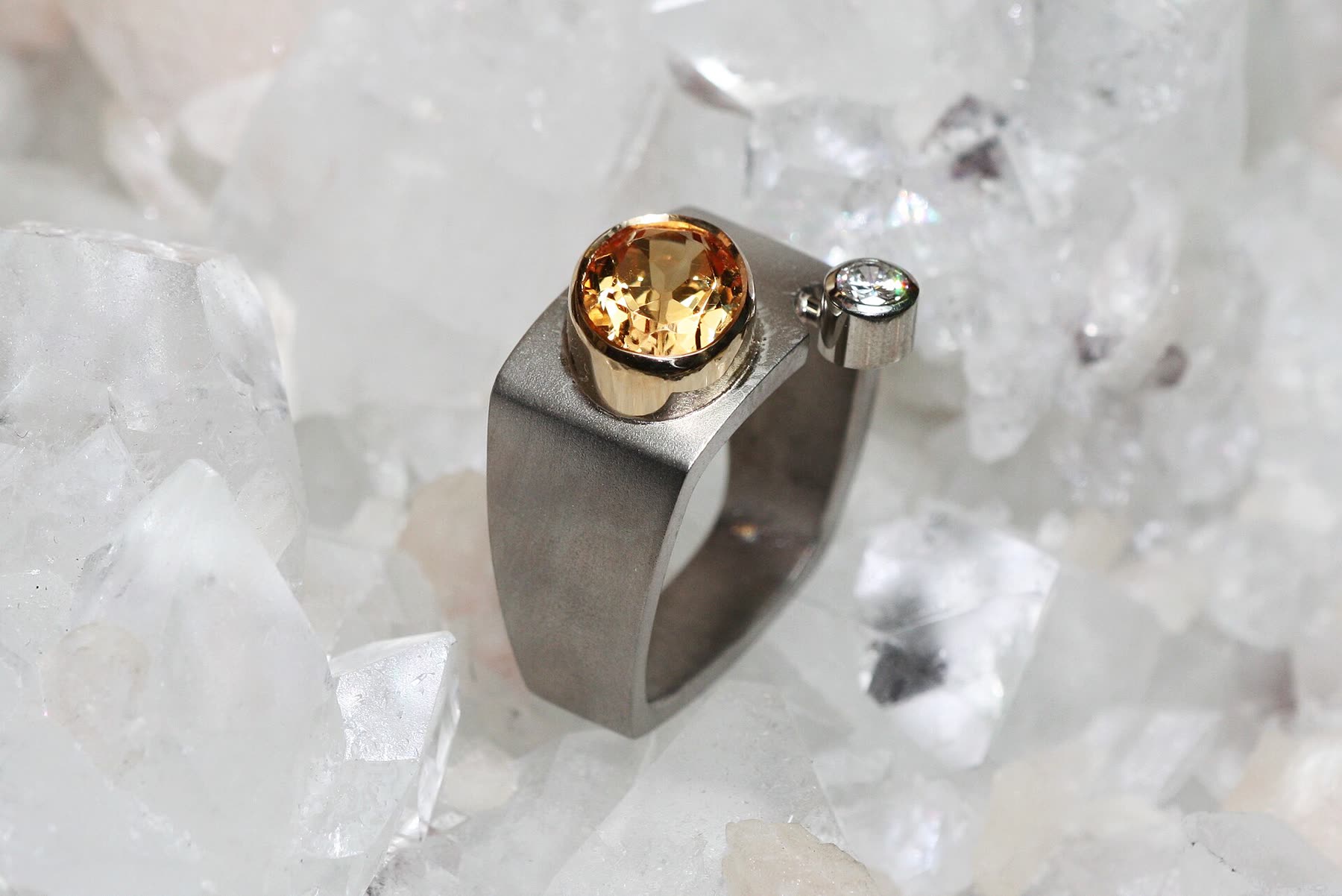
For a broader look at how marketplace-style platforms work relative to bespoke and retail channels, you can read DHgateWiki’s overview of online marketplaces and shopping platforms, or, if you need to understand cross-border options more generally, see the guide on what DHgate is and how the marketplace works.